Do Gerbils Need Sand Baths? Dust Bath Basics
By Dr. Zubair Khalid, DVM, MS, PhD ·
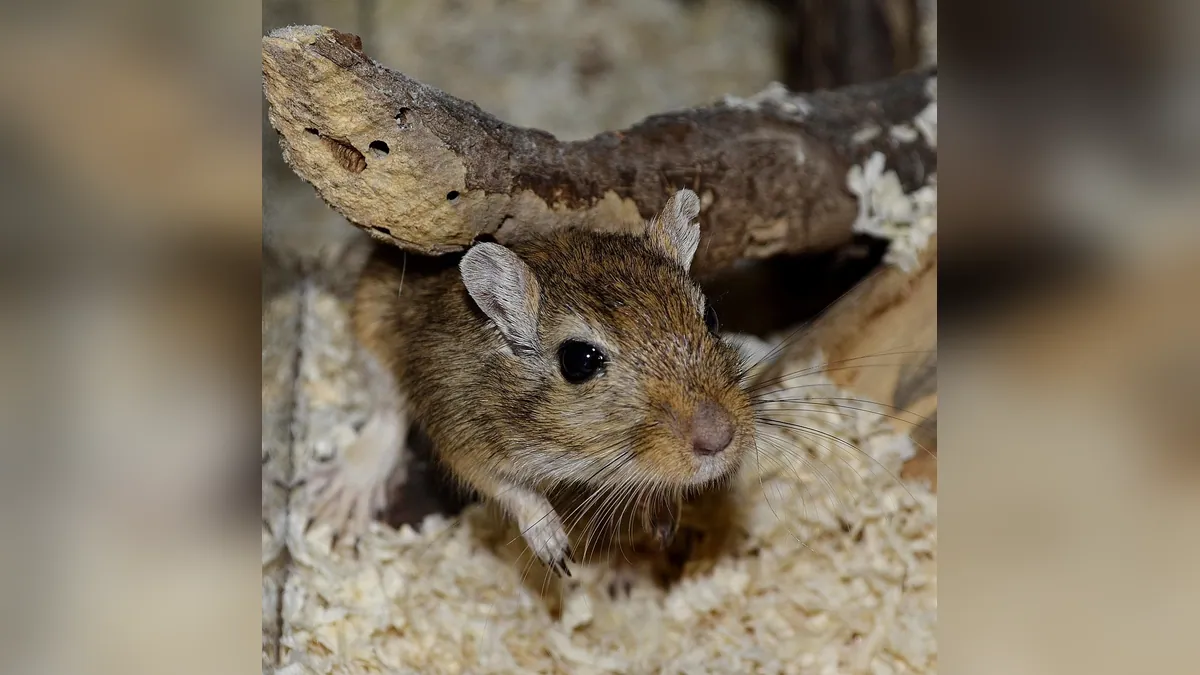
Do gerbils need sand baths? Yes. Gerbils are desert rodents that clean their coats with fine sand or dust instead of water, and offering a sand bath is one of the simplest ways to keep their skin and fur healthy. In this guide you will learn why gerbils sand-bathe, which products are safe, how often to offer a bath, and what can go wrong if a gerbil never gets one.
This article is educational and is not a substitute for veterinary diagnosis or treatment.
Quick Answer
- Gerbils take sand baths, not water baths. Water can chill them and strip oils from their coat, so never bathe a gerbil in water unless your veterinarian tells you to.
- Use a shallow dish with 1 to 2 inches of fine, dust-free sand or commercial small-pet sand. Avoid clumping cat litter, silica beads, and anything scented.
- Offer the bath for 10 to 20 minutes, two or three times a week, and remove it afterward so it does not become a litter box.
- A sand bath helps remove excess oil and debris from the coat and gives your gerbil normal grooming behavior to perform.
- Watch for greasy, clumped, or dull fur. That is a sign the coat is not being cleaned well, and a veterinarian should check your gerbil.
Why Gerbils Sand-Bathe Instead of Water-Bathe
Wild Mongolian gerbils live in clay and sandy deserts, bush country, and arid steppes, and they have a high resistance to heat stress and dehydration [1]. Their coat is built for dry, dusty ground. Rolling in fine sand lifts oil and dirt off the hair and lets the gerbil shed loose hair and skin flakes without getting wet.
Gerbils also rely heavily on scent. They have a ventral scent gland on the belly, and they mark their territory with sebum from that gland and with urine [2]. The sebum contains cholesterol esters and other lipids that carry the gerbil's individual odor [3]. Harsh washing with soap and water would strip those oils and change the scent signals your gerbil depends on for normal social behavior.
That is why a sand bath is not a grooming luxury. It is part of how a gerbil stays clean, comfortable, and behaviorally normal. For a broader look at housing, diet, and handling, see the Gerbil Care Guide.
Do Gerbils Take Dust Baths?
Yes, gerbils take dust baths in the same basic way chinchillas do. The difference is mostly in the wording. Owners say "dust bath" when the product is a fine powder and "sand bath" when the product is a fine granular sand. Both work by coating the coat and lifting oil and debris as the animal rolls.
If you already keep chinchillas, the setup will look familiar. The Chinchilla Dust Bath Guide covers the same principles for a different species, and the Complete Veterinary Guide to Chinchilla Dust Baths goes into more detail on dust types and timing.
Do Gerbils Take Baths in Water?
No, and you should not give them one. A gerbil's coat is not designed to dry quickly, and a wet gerbil can become chilled, especially in a home kept below about 70°F. Wet fur also mats and loses its insulating and water-resistant properties. If your gerbil's coat is soiled with something sticky or medicated, ask your veterinarian how to handle it instead of reaching for a sink.
How to Give a Gerbil a Sand Bath: Step by Step
- Pick a container. Use a shallow ceramic dish, a small glass baking dish, or a heavy bowl with low sides. It needs to be stable so it does not tip when your gerbil rolls. A container that is too deep or too light will get flipped.
- Add the sand. Pour in about 1 to 2 inches of fine sand. That is enough to roll in without burying the dish.
- Place it in the cage. Set the dish on the cage floor, away from the water bottle and the sleeping area. Gerbils often use a bath right after waking or after eating.
- Let your gerbil bathe. Most gerbils roll within a few minutes. Leave the dish in place for 10 to 20 minutes.
- Remove the dish. Take the bath out and sift or dump the sand. Leaving it in the cage all day invites urine and droppings, and a soiled bath is worse than no bath.
- Replace the sand. Use fresh sand each time, or sift out debris if the sand is still clean and dry. Damp or clumped sand should be thrown away.
Which Sand Should You Use?
Look for fine, dust-free sand sold for small pets, or a clean, washed, fine-grade sand with no additives. The grains should be small enough to flow through the coat but not so fine that they hang in the air as a visible cloud.
| Product | Safe for gerbils? | Notes |
|---|---|---|
| Commercial small-pet sand or dust | Yes | Follow the label for small mammals |
| Fine, washed, additive-free sand | Yes | Must be dry and dust-free |
| Clumping cat litter | No | Can clump in the gut if swallowed |
| Silica gel beads | No | Not meant to be ingested |
| Scented or colored sand | No | Fragrance and dye irritate the airway |
| Play sand with heavy dust | No | Dust irritates eyes and nose |
| Chinchilla dust (very fine volcanic powder) | Often yes | Watch for coughing or sneezing, switch if it occurs |
If the air in the cage looks cloudy after your gerbil rolls, the product is too dusty. Switch to a coarser, washed sand.
How Often Should You Offer a Sand Bath?
Two or three sessions a week, 10 to 20 minutes each, works well for most gerbils. Some gerbils stay clean on one or two sessions a week. Others, especially males with active scent glands, do better with a bath every other day.
Watch the coat, not the calendar. If the fur looks clean, dry, and separated, your schedule is fine. If it looks greasy or clumped within a day or two of a bath, add a session.
Setup Details That Matter
- Cage bedding. Paper bedding or aspen shavings work well. Avoid cedar and pine shavings, which have strong aromatic oils.
- Chew items. Gerbil incisors grow continuously, so they need to chew and gnaw constantly to wear the teeth down [4]. Untreated scrap lumber and small wood or rope parrot toys are good options [4].
- Handling. Never lift a gerbil by the tail, because the tail is delicate and easily injured. Scoop with both hands under the belly, and hold the gerbil low over the cage or your lap until it is used to being handled [5].
- Children. Because of their small size, gerbils cannot withstand rough handling and are not recommended as pets for very young children [5].
Signs Something Is Wrong
A sand bath is a grooming tool, not a treatment. If you see any of these, the bath is not the answer.
- Greasy, clumped, or dull fur that does not improve with regular baths. This can point to skin disease, parasites, or an underlying illness.
- Bare patches, scabs, or redness. These need a veterinary exam.
- Weight loss, decreased activity, or a change in fur appearance. These are early warning signs of illness in gerbils [4].
- Change in the color, consistency, smell, or amount of urine or feces. This also warrants a veterinary visit [4].
- Coughing, sneezing, or watery eyes after a bath. The product is too dusty. Stop using it and try a coarser sand.
- Sand stuck around the eyes, nose, or genitals. Gently wipe with a soft damp cloth and call your veterinarian if the area stays irritated.
Monitor your gerbil's condition and behavior daily, because gerbils are generally healthy animals but early changes are easy to miss [4].
Common Mistakes
Bathing a gerbil in water. This is the most common error. It chills the animal and disrupts the coat oils that carry scent signals.
Leaving the bath in the cage all the time. The dish becomes a toilet, and your gerbil ends up rolling in soiled sand.
Using cat litter. Clumping litter can swell and block the gut if swallowed. Never use it.
Using scented sand. Fragrance irritates the respiratory tract. Plain, unscented sand is the only safe choice.
Skipping the bath because the cage looks clean. A clean cage does not mean a clean coat. Gerbils need the mechanical action of rolling in sand to lift oil from the hair.
Assuming a sand bath replaces a vet visit. It does not. Skin and coat changes can be the first sign of a health problem [4].
Handling roughly during or after a bath. A gerbil that is grabbed or squeezed may struggle and fall. Hold it low and support the belly [5].
What Happens If a Gerbil Never Gets a Sand Bath
A gerbil that never gets a sand bath cannot groom its coat properly. Over time the fur becomes oily, clumped, and dull. Debris and dead skin stay in the coat, and the gerbil may scratch more.
The bigger issue is behavioral. Rolling and digging in sand is normal gerbil activity. Wild Mongolian gerbils dig burrows 2 to 3 feet long in soft soil and spend most of their time underground [1]. A cage with no sand removes a large part of that natural behavior. Gerbils without an outlet for digging and grooming can become restless and may over-groom or barber their cagemates.
Scent marking is also affected. Gerbils mark territory with sebum and urine, and marking frequency changes with social and environmental conditions [2][6]. A coat that is never cleaned can interfere with those normal scent signals.
If your gerbil has gone a long time without a bath and the coat looks bad, start with a proper sand bath and watch for improvement over one to two weeks. If the coat does not improve, or if you see weight loss, low activity, or changes in urine or feces, see a veterinarian [4].
Limitations and When to Contact a Veterinarian
A sand bath is a grooming aid. It cannot diagnose or treat disease, and no article can replace an exam of your individual gerbil. Individual cases need a veterinarian who can see the animal.
Contact an emergency veterinary hospital now if your gerbil:
- Is struggling to breathe, gasping, or has blue-tinged gums
- Is limp, unresponsive, or having seizures
- Has heavy bleeding or a visibly broken limb
- Has not eaten or drunk for 24 hours
- Has a swollen, hard abdomen
Call your veterinarian the same day if your gerbil:
- Has diarrhea, or urine or feces that changed in color, consistency, smell, or amount [4]
- Has stopped eating or is losing weight [4]
- Has become much less active [4]
- Has a coat that changed in appearance, including new bald patches or greasy fur [4]
- Has overgrown incisors, drooling, or trouble chewing, which can cause lack of appetite and weight loss [4]
- Has an injured tail, which is delicate and easily damaged [5]
Schedule a routine visit if:
- The coat does not improve after two weeks of regular sand baths
- You see new scratching, scabs, or hair loss
- You are unsure whether your sand product is safe
Frequently Asked Questions
Can I use chinchilla dust for my gerbil?
Often yes, but watch for coughing or sneezing. Chinchilla dust is finer than most small-pet sands, so it puts more particles in the air. If your gerbil reacts to it, switch to a coarser, washed sand.
How long should a sand bath stay in the cage?
Ten to twenty minutes is enough. Remove the dish afterward and replace or sift the sand. Leaving it in place turns the bath into a litter box.
My gerbil ignores the sand bath. What should I do?
Give it time and try a different container. A shallow, heavy dish works better than a deep or light one. You can also place a small amount of sand in a corner of the cage so your gerbil discovers it while digging.
Can a sand bath hurt my gerbil?
It can if the product is wrong. Clumping litter, silica beads, and scented sand can cause gut blockage or airway irritation. Use only fine, unscented, dust-free sand sold for small pets.
Do gerbils need a sand bath if their cage is cleaned often?
Yes. Cage cleaning removes waste, but it does not remove oil from the coat. Gerbils need the physical action of rolling in sand to keep fur clean and to perform normal grooming behavior.
Related Articles
- Gerbil Care Guide
- Do Gerbils Need Hay? Timothy, Oat, and Other Hays
- Do Gerbils Need a Wheel? Exercise Wheel Guide
References
- Gerbils - Exotic and Laboratory Animals. Merck Veterinary Manual.
- Behavioural responses of desert gerbil, Meriones hurrianae after removal of scent marking gland. Indian journal of experimental biology, 2011.
- Composition of the ventral gland-pad sebum from the Mongolian gerbil, Meriones unguiculatus. Zeitschrift fur Naturforschung. Section C, Biosciences, 1977.
- Routine Health Care of Gerbils - All Other Pets. Merck Veterinary Manual.
- Special Considerations for Gerbils - All Other Pets. Merck Veterinary Manual.
- Odor modulation of ventral scent gland marking in the Mongolian gerbil. Behavioral neuroscience, 1984.