Can Rabbits and Guinea Pigs Eat Passion Fruit Leaves?
By Dr. Zubair Khalid, DVM, MS, PhD ·
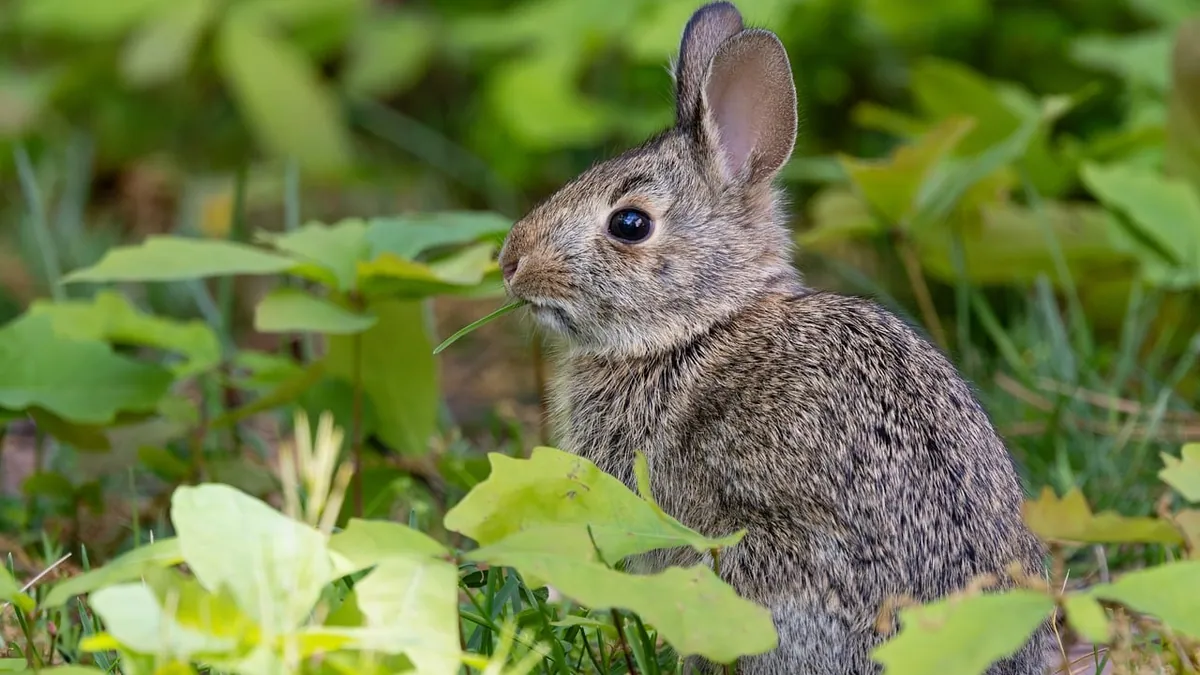
Can rabbits eat passion fruit leaves? No. Passion fruit leaves are not a safe food for rabbits, and the same goes for guinea pigs. These leaves may contain potentially harmful plant compounds, and they are not part of a rabbit's normal diet.
This article is educational and is not a substitute for veterinary diagnosis or treatment.
Quick Answer
- Do not feed passion fruit leaves to rabbits or guinea pigs. There is no established safe amount.
- The main concern is cyanogenic compounds, which can release cyanide when the plant is chewed or damaged.
- Rabbits and guinea pigs cannot vomit, so if they eat something harmful, the problem stays in the gut and can worsen quickly.
- Grass hay should make up most of a rabbit's or guinea pig's diet, with a measured amount of pellets and small amounts of safe vegetables [1].
- If your pet ate passion fruit leaves, call your veterinarian or a pet poison hotline right away, even if your pet seems fine.
Are Passion Fruit Leaves Safe for Rabbits?
No. Passion fruit leaves are not considered a safe food for rabbits. This is the direct answer to the question, and it applies to fresh leaves, dried leaves, and leaves mixed into hay or treats.
Passion fruit (Passiflora edulis) is a tropical and subtropical plant grown for its fruit [2]. The fruit itself is eaten by people, and research has looked at compounds in the seeds and peel for various health effects in humans and mice [3][4]. That research does not mean the leaves are safe for rabbits. Plant parts can differ a lot in what they contain, and a benefit seen in a laboratory study of fruit extract says nothing about leaf safety in a pet rabbit.
The bigger issue is cyanogenic potential. Many plants in this family can produce cyanide-related compounds, especially in leaves and stems. When a rabbit chews the leaf, plant enzymes and stomach acid can release cyanide. Cyanide blocks the body's ability to use oxygen, which can be serious or fatal. The exact amount of cyanogenic compounds in any given passion fruit leaf is not well established in veterinary research, and it can vary with the plant's age, growing conditions, and variety. Because there is no reliable safe dose, the safest choice is to avoid the leaves entirely.
Rabbits are herbivores with a digestive system built for grass. Their diet should center on grass hay, with a measured amount of pellets and a small amount of safe leafy greens. Passion fruit leaves do not fit that pattern.
Can Guinea Pigs Eat Passion Fruit Leaves?
No. Guinea pigs should not eat passion fruit leaves either. The same cyanogenic concern applies, and guinea pigs are small, so even a small amount of a harmful compound can matter more.
Guinea pigs are herbivores, and a healthy diet includes a measured amount of commercial guinea pig pellets (about 2 tablespoons daily) plus good-quality grass hay as the main food [1]. Hay wears down their continually growing teeth and provides the fiber they need for proper digestion [1]. Guinea pigs also form food preferences early and can be picky, so it is best to introduce new foods slowly and stick with items known to be safe [1].
If you are building a salad for your guinea pig, choose from established safe vegetables. For a fuller list, see What Guinea Pigs Can and Cannot Eat. Passion fruit leaves are not on that list.
Do Rabbits Eat Passion Fruit Leaves in the Wild?
Rabbits may nibble many plants, but nibbling does not equal safe. Wild rabbits and pet rabbits are different animals with different food access and different risks. A wild rabbit that samples a leaf and survives does not prove the leaf is safe for your pet.
Pet rabbits depend on you for every bite. That makes it your job to offer only foods with a known safety record. Passion fruit leaves do not have that record for rabbits or guinea pigs.
Nutritional Content and Any Real Benefit
Passion fruit leaves are not a recognized source of nutrition for rabbits or guinea pigs. There is no veterinary reason to feed them.
Most of the research on passion fruit focuses on other parts of the plant. One study looked at a protein from passion fruit pollen and how it affects pollen tube growth, which is plant reproduction research and has nothing to do with pet nutrition [2]. Another study examined passion fruit seed extract and its stilbenes for effects on human cancer cell lines [3]. Two other studies looked at polysaccharides and pectin from yellow passion fruit peel in mice with induced colitis [4][5]. These are laboratory and mouse studies about human disease models, not feeding trials in rabbits or guinea pigs.
In other words, there is no evidence that passion fruit leaves provide a nutritional benefit to your rabbit. There is a plausible risk. That math is simple.
Risks of Feeding Passion Fruit Leaves
Cyanogenic Compounds
The main risk is cyanide release from plant compounds. Signs of cyanide poisoning can include difficulty breathing, weakness, tremors, and collapse. This can progress fast. Because rabbits and guinea pigs cannot vomit, there is no way for them to clear a harmful plant on their own.
Digestive Upset
Any new food can cause stomach upset in a small herbivore. In rabbits and guinea pigs, gut problems are serious. Signs to watch for include not eating, small or no droppings, bloating, hunching, drooling, lethargy, and diarrhea. A rabbit that stops eating can go downhill within hours.
Choking and Blockage
Leaves and stems can be tough and fibrous. A large piece or a stem can cause choking or a blockage. Rabbits and guinea pigs cannot vomit, so a blocked airway or gut is an emergency.
Pesticides, Additives, and Contamination
Leaves from a garden or store may carry pesticides, fertilizer, or residue. Some products also contain additives that are toxic to small pets. Xylitol, salt, garlic, and onion are all dangerous to small mammals. Never offer a leaf that has been sprayed, seasoned, or mixed into a human food product.
Virus and Plant Disease Concerns
Passion fruit plants can carry viruses. Passionfruit woodiness disease is caused by potyviruses and is a serious problem in passion fruit production [6]. Plant viruses are not known to infect rabbits, but a diseased or dying leaf is not a safe food, and you cannot tell by looking whether a leaf is contaminated.
Form | Safe? | Notes
| Form | Safe? | Notes |
|---|---|---|
| Fresh passion fruit leaves | No | Cyanogenic risk, no safe amount established |
| Dried passion fruit leaves | No | Drying does not remove the risk |
| Passion fruit stems or vines | No | Same concern as leaves |
| Passion fruit fruit (pulp) | No for rabbits | High sugar, not a natural food |
| Passion fruit seeds | No | Not a safe treat for rabbits |
| Grass hay (timothy, orchard) | Yes | Main food for rabbits and guinea pigs [1] |
| Guinea pig pellets | Yes | About 2 tablespoons daily [1] |
| Safe leafy greens | Yes | Small amounts, introduced slowly |
How to Offer It Safely (Which Parts and Preparations to Avoid)
There is no safe way to offer passion fruit leaves to a rabbit or guinea pig. Avoid all parts of the plant, including fresh leaves, dried leaves, stems, vines, and any leaf that has been cooked, seasoned, or mixed into a treat.
If you grow passion fruit at home, keep your rabbit away from the plant. Use a barrier or keep the plant out of reach. Do not compost leaves where your pet can get to them.
If you want to give your rabbit a leafy treat, choose a known safe green and offer a small amount. Introduce one new food at a time so you can tell what caused a problem if one appears.
What to Do If Your Rabbit Ate Passion Fruit Leaves
Act right away. Do not wait for signs to appear.
- Remove your rabbit from the area and take away any remaining plant material.
- Call your veterinarian or an emergency veterinary clinic. If your regular vet is closed, call the nearest 24-hour animal hospital.
- Call a pet poison hotline if your veterinarian is not available. Have your rabbit's weight, the amount eaten, and the time it was eaten ready.
- Do not try to make your rabbit vomit. Rabbits and guinea pigs cannot vomit, and forcing it can cause injury.
- Watch for drooling, not eating, small or no droppings, bloating, hunching, lethargy, trouble breathing, or diarrhea.
- Bring a sample of the plant with you if you can. A photo also helps.
If your rabbit ate a large amount or is already showing signs, treat it as an emergency and go to the clinic now.
Safer Alternatives for Rabbits and Guinea Pigs
Grass hay is the foundation. Offer good-quality grass hay such as timothy or orchard grass as the main food, ideally in a hay rack to keep it clean and dry [1]. Hay supports tooth wear and digestion [1].
Pellets come next. For guinea pigs, offer about 2 tablespoons (1/8 cup) of good-quality pellets daily, choosing high-fiber, low-carbohydrate pellets [1]. Alfalfa-based pellets suit young, growing, or pregnant guinea pigs, while adult guinea pigs do better with timothy-based pellets that are lower in calcium [1]. Ask your veterinarian for pellet recommendations [1].
Safe vegetables and limited fruit round out the diet. Guinea pigs can have small amounts of vegetables and limited fruit to broaden their diet [1]. Rabbits do well with a small daily salad of safe leafy greens.
If you also have a dog at home, do not assume that what is unsafe for a rabbit is safe for a dog, or the other way around. For more on fruit safety in dogs, see Can Dogs Eat Passion Fruit? Seeds and Cyanide Effects and Can Dogs Eat Strawberries And Bananas.
Limitations and When to Contact a Veterinarian
This article gives general guidance. Your rabbit or guinea pig is an individual, and only a veterinarian who examines your pet can assess its condition and treatment needs.
Call your veterinarian the same day if your pet ate passion fruit leaves but still seems normal. A same-day call lets your vet decide whether monitoring at home is enough or whether an exam is needed.
Go to an emergency clinic now if your pet is drooling, not eating, passing small or no droppings, bloated, hunched, lethargic, breathing hard, trembling, or having diarrhea. These signs can worsen quickly in small herbivores.
Schedule a routine visit if you want help building a safe diet, if your pet has had repeated gut problems, or if you are unsure whether a plant in your home or yard is safe.
Frequently Asked Questions
Can rabbits eat passion fruit leaves?
No. Passion fruit leaves are not safe for rabbits. They may contain cyanogenic compounds that can release cyanide, and there is no established safe amount. Offer grass hay and known safe greens instead.
Can guinea pigs eat passion fruit leaves?
No. Guinea pigs should not eat passion fruit leaves for the same reasons. Their diet should center on grass hay with a measured amount of pellets and small amounts of safe vegetables.
What happens if a rabbit eats a passion fruit leaf?
It depends on the amount and the plant. Some rabbits may show no signs, while others may develop drooling, not eating, small or no droppings, bloating, hunching, lethargy, trouble breathing, or diarrhea. Call your veterinarian right away, because rabbits cannot vomit and problems can progress fast.
Are dried passion fruit leaves safer than fresh ones?
No. Drying does not remove the cyanogenic risk. Dried leaves, stems, and vines should all be kept away from rabbits and guinea pigs.
What leafy greens can I feed my rabbit instead?
Safe leafy greens include romaine, cilantro, parsley, and other rabbit-safe greens, offered in small amounts. Grass hay should still be the main food. Ask your veterinarian for a diet plan that fits your rabbit's age, weight, and health.
Related Articles
- Can Rabbits and Guinea Pigs Eat Mint, Basil, and Pepper Leaves?
- Can Guinea Pigs and Rabbits Eat Romaine Lettuce Hearts?
- Can Rabbits and Guinea Pigs Eat Spinach and Kale?
References
- Diet for a Guinea Pig - All Other Pets. Merck Veterinary Manual.
- Functional Characterization of PeVLN4 Involved in Regulating Pollen Tube Growth from Passion Fruit. International journal of molecular sciences, 2025.
- Effect of piceatannol-rich passion fruit seed extract on human glyoxalase I-mediated cancer cell growth. Biochemistry and biophysics reports, 2019.
- Protective Effect of Dietary Polysaccharides from Yellow Passion Fruit Peel on DSS-Induced Colitis in Mice. Oxidative medicine and cellular longevity, 2022.
- Homogalacturonan From Yellow Passion Fruit Peel Ameliorates Intestinal Injury in DSS-Induced Colitis in Mice. Journal of cellular and molecular medicine, 2025.
- Characterization and Detection of Passiflora Mottle Virus and Two Other Potyviruses Causing Passionfruit Woodiness Disease in Vietnam. Phytopathology, 2021.