Can Ferrets Eat Cat Food? What's Safe and What's Not
By Dr. Zubair Khalid, DVM, MS, PhD ·
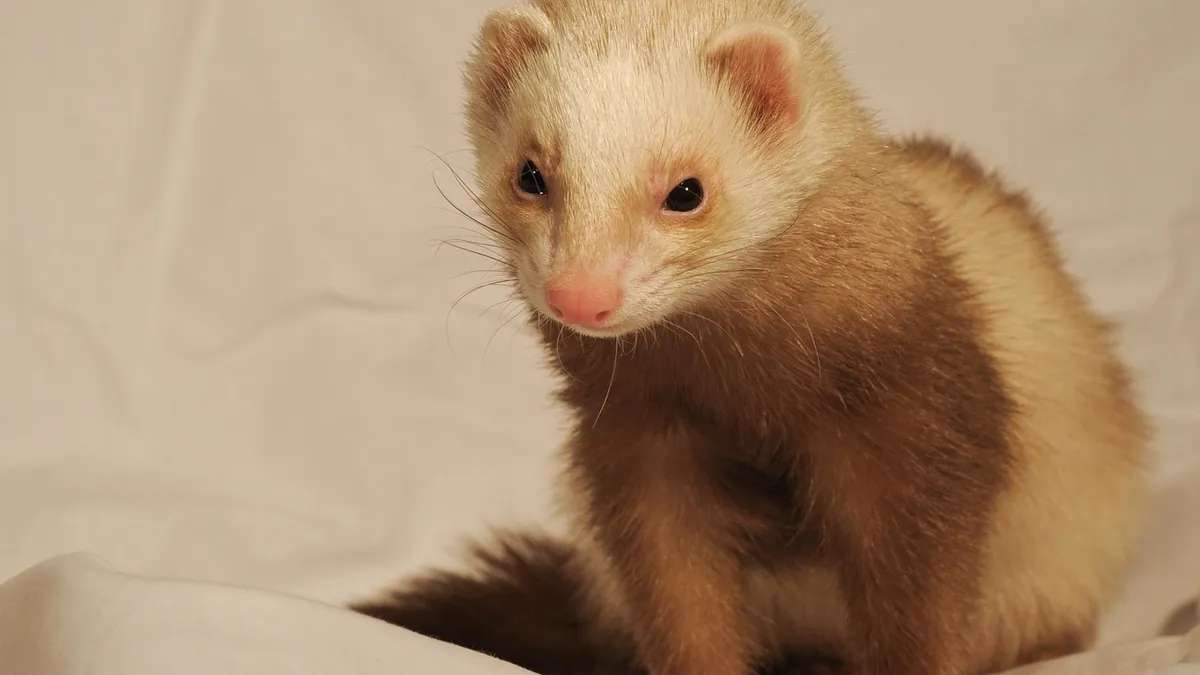
Can ferrets eat cat food? Yes, in some cases. Ferrets are obligate carnivores, and certain high-protein cat foods can work as a short-term or backup diet. But most cat foods sold in the United States are not a complete match for a ferret's needs, and some can cause real harm.
This article is educational and is not a substitute for veterinary diagnosis or treatment.
Quick Answer
- Kitten food and high-protein adult cat food are the closest cat-food matches for ferrets, but a commercial ferret diet is still the better choice for daily feeding [1][2].
- Dry cat food is safer to leave out than wet food, but it does not clean a ferret's teeth and can still cause dental problems.
- Wet cat food spoils fast at room temperature and should never be left in the cage for long periods.
- Any cat food containing xylitol, onion, garlic, or high amounts of plant ingredients is unsafe for ferrets [2].
- If your ferret eats a large amount of the wrong cat food, call your veterinarian or a pet poison hotline right away.
Can Ferrets Eat Cat Food? The Short Answer
Ferrets are strict carnivores. Their teeth and digestive tract are built for meat, and their ancestor, the European polecat, eats birds and other small vertebrates [1]. That means a ferret's body expects animal protein and fat, not the grains, fruits, and vegetables found in many cat foods.
Cat food is not automatically wrong. In fact, ferrets have historically been fed cat foods, along with mink feeds, before commercial ferret diets became common [1]. The problem is that "cat food" covers a huge range of products. A grain-free kitten formula with 40 percent protein is very different from a grocery-store adult cat food with corn, wheat, and 25 percent protein.
So the honest answer is: some cat foods are acceptable in a pinch, but most are not ideal, and a few are dangerous.
Cat Food for Ferrets: What Actually Works
Kitten Food vs Adult Cat Food
Kitten food is usually the better choice if you must use cat food. Kittens need more protein, fat, and calories than adult cats, so kitten formulas tend to be richer and more calorie-dense. That profile lines up better with what a ferret needs.
Adult cat food can work if it is a high-protein, high-fat formula, but many adult maintenance diets are too low in fat and too high in carbohydrates for a ferret.
Wet Cat Food vs Dry Cat Food
Wet cat food has more water, which is helpful for hydration, but it also spoils quickly and sticks to the teeth. One study that used moist canned cat food to measure calculus buildup in ferrets found that mineral-supplemented canned food increased calculus accumulation significantly compared with unsupplemented food [3]. That does not mean canned food is toxic. It means wet food left on the teeth contributes to dental disease.
Dry cat food is easier to leave in the cage and does not spoil as fast. Many owners assume kibble cleans teeth. It does not. Ferrets fed moist canned cat food still developed calculus in the study above, and dry kibble can also leave residue [3].
Can Ferrets Eat Wet Kitten Food?
Yes, wet kitten food is one of the safer cat-food options for a short-term feeding plan. It is high in animal protein and fat, and the moisture content helps if your ferret is not drinking well. Serve it fresh, remove what is left within about 30 minutes, and do not leave it out all day.
Nutritional Content: What a Ferret Actually Needs
Ferrets need diets that are high in protein and fat and low in carbohydrates [2]. Veterinarians who study ferret nutrition suggest paying attention to fat concentrations and the ratio of protein to fat, which can be targeted at about 2 to 1 [2].
Plant-based ingredients do not belong in a ferret's diet. They can unbalance the diet, especially where amino acids are concerned [2]. Fruits are highly palatable to ferrets, but they should be avoided [2].
That is the core problem with most cat foods. Even premium cat foods often contain peas, potatoes, rice, or other plant fillers. A little of that may not hurt a healthy ferret once in a while. A diet built on it will not meet your ferret's needs over time.
No single commercial diet perfectly meets every physiological need of a ferret, which is why offering a combination of dietary formats can help [2]. If you want a deeper look at building a complete diet, see our Ferret Diet and Nutrition Guide.
Risks of Feeding Cat Food to Ferrets
Dangerous Additives and Ingredients
Some cat foods and treats contain ingredients that are toxic to ferrets. Watch for:
- Xylitol. A sugar alcohol used in some pet foods and treats. It causes dangerous hypoglycemia in dogs and should never be given to a ferret.
- Onion and garlic. These damage red blood cells and can cause anemia.
- High salt. Salt-heavy foods and broths can lead to sodium poisoning.
- Added sugars and syrups. Ferrets do not need carbohydrates, and sugary foods feed dental disease and digestive upset.
Choking and Dental Problems
Ferrets have small mouths and sharp teeth. Large kibble pieces, hard treats, and bone fragments can cause choking. Dental disease is also common in ferrets, and soft or sugary foods make it worse [3].
Digestive Upset
Switching foods suddenly causes diarrhea and vomiting in many ferrets. Their gut is short and sensitive. Any new food should be introduced slowly, mixed with the current diet over one to two weeks.
Taste Aversion After Illness
Ferrets can develop strong food aversions. In one study, ferrets formed a lasting taste aversion to canned cat food after being given lithium chloride, even when the reaction was delayed by up to 90 minutes after eating [4]. If your ferret vomits after eating a new food, it may refuse that food permanently. That is one more reason to introduce new foods carefully and to treat vomiting as a medical issue, not a minor event.
How to Offer Cat Food Safely
If you are using cat food as a temporary bridge or backup, follow these rules:
- Pick the right formula. Choose a grain-free kitten food or a high-protein, high-fat adult cat food with meat as the first ingredient.
- Check the label every time. Formulas change. Look for xylitol, onion, garlic, and added sugars.
- Serve small amounts. A tablespoon or two at a time is enough to test tolerance.
- Transition slowly. Mix a little new food into the regular diet and increase over one to two weeks.
- Remove wet food quickly. Discard leftovers within about 30 minutes.
- Keep fresh water available. Ferrets cannot sweat and overheat easily, so hydration and a cool environment matter [5].
- Do not rely on cat food long term. Use it as a bridge, not a permanent plan.
Form | Safe? | Notes
| Form | Safe? | Notes |
|---|---|---|
| Dry kitten food | Sometimes | Closest match, but check for plant fillers and xylitol |
| Wet kitten food | Sometimes | Good short-term option, remove leftovers within 30 minutes |
| Dry adult cat food | Sometimes | Only if high protein and high fat |
| Wet adult cat food | Sometimes | Lower calorie, watch for fillers and spoilage |
| Cat food with xylitol | No | Toxic, can cause severe hypoglycemia |
| Cat food with onion or garlic | No | Can cause anemia |
| Cat treats and jerky | Usually no | Often contain sugars, salts, and preservatives |
What to Do If Your Ferret Ate Too Much or the Wrong Cat Food
If your ferret ate a small amount of plain cat food, watch for vomiting, diarrhea, and loss of appetite over the next 24 hours. Most mild stomach upset settles on its own, but keep offering water and the regular diet.
If your ferret ate cat food containing xylitol, onion, garlic, or a large amount of salt, treat it as an emergency. Call your veterinarian or a pet poison hotline immediately. Do not wait for symptoms.
If your ferret vomits repeatedly, seems weak, or refuses food for more than 12 hours, call your veterinarian the same day. Ferrets decline quickly when they stop eating.
Safer Alternatives to Cat Food
The best diet for a pet ferret is a commercial ferret diet designed for obligate carnivores, supplemented with a variety of formats to cover nutritional gaps [2]. Many owners also offer small amounts of cooked or raw meat, but any raw diet needs veterinary guidance because of bacterial and parasite risks.
If you are comparing what different species can safely eat, our articles on Can Dogs Eat Cat Food and Can Cats Eat Dog Food cover the same question for other pets.
Avoid fruits, vegetables, grains, and sugary treats. They do not belong in a ferret's bowl [2].
Limitations and When to Contact a Veterinarian
This article gives general guidance only. Every ferret is different, and individual cases need a veterinarian who can examine your pet, review the diet, and run tests if needed.
Call your veterinarian the same day if your ferret:
- Vomits more than once or twice
- Has diarrhea that lasts more than 24 hours
- Refuses food for more than 12 hours
- Seems lethargic or weak
- Has pale gums, which can signal anemia
Go to an emergency clinic now if your ferret:
- Ate food containing xylitol, onion, or garlic
- Collapses, trembles, or has a seizure
- Has trouble breathing
- Is straining to poop or has a swollen abdomen
Schedule a routine visit if:
- You want help choosing a complete diet
- Your ferret has bad breath, drooling, or trouble chewing, which can signal dental disease [3]
- You are considering a raw or homemade diet
Frequently Asked Questions
Can my ferret eat cat food every day?
Not ideally. Cat food can meet some of a ferret's needs, but most formulas contain plant ingredients and carbohydrate levels that do not match a ferret's requirements [2]. A commercial ferret diet is the better daily choice.
Is dry cat food or wet cat food better for ferrets?
Dry food is easier to leave out and spoils more slowly. Wet food offers more moisture but sticks to the teeth and contributes to dental disease [3]. Neither is perfect, and both should be part of a broader diet plan.
Can ferrets eat wet kitten food?
Yes, wet kitten food is one of the safer cat-food options for short-term feeding. It is higher in protein and fat than adult formulas. Serve it fresh and remove leftovers quickly.
What cat food ingredients are toxic to ferrets?
Xylitol, onion, and garlic are the main concerns. Xylitol causes dangerous blood sugar drops, and onion and garlic can damage red blood cells. Check labels carefully, including on treats.
How do I switch my ferret from cat food to a ferret diet?
Mix the new food into the old food in small amounts and increase the ratio over one to two weeks. Watch for vomiting, diarrhea, and appetite changes. If your ferret refuses the new food, talk to your veterinarian before forcing a full switch.
Related Articles
- Ferret Diet and Nutrition Guide
- Can Ferrets Eat Dog Food? Risks and Emergency Options
- Can Ferrets Eat Chicken? Raw, Cooked, and Fried
- Can Ferrets Eat Eggs? Raw, Scrambled, and Boiled
References
- Ferret nutrition. The veterinary clinics of North America. Exotic animal practice, 2014.
- An Update on Key Nutritional Factors in Ferret Nutrition. The veterinary clinics of North America. Exotic animal practice, 2024.
- Measurement of dietary and dentifrice effects upon calculus accumulation rates in the domestic ferret. Journal of dental research, 1990.
- Relationship between vomiting and taste aversion learning in the ferret: studies with ionizing radiation, lithium chloride, and amphetamine. Behavioral and neural biology, 1992.
- Management of Ferrets - Exotic and Laboratory Animals. Merck Veterinary Manual.