Can Hedgehogs Eat Cat Food? Wet, Dry and Tuna Safety
By Dr. Zubair Khalid, DVM, MS, PhD ·
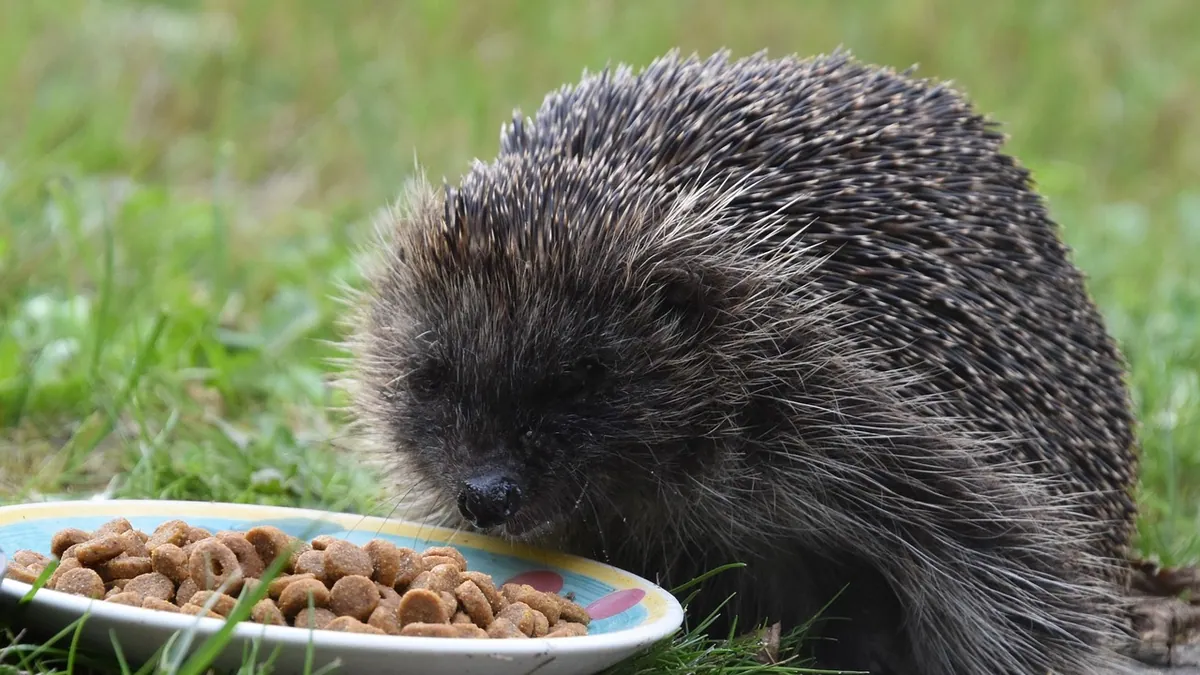
Can hedgehogs eat cat food? Yes, many owners feed cat food, and it can work as part of a balanced hedgehog diet. The catch is that not all cat food is suitable. Dry kitten kibble and plain wet cat food are common choices, while fish-based foods, including tuna cat food, are best avoided.
This article is educational and is not a substitute for veterinary diagnosis or treatment.
Quick Answer
- Dry kitten kibble is the most common cat food used for pet hedgehogs, and many owners offer it as a base diet.
- Plain wet cat food (pate style, no fish) can be offered in small amounts, but it spoils fast and should not sit out.
- Tuna cat food and other fish-based cat foods should be avoided because of the strong smell, high mineral content, and the risk of your hedgehog refusing other foods afterward.
- Cat food alone does not meet all of a hedgehog's needs. Insects, a small amount of produce, and fresh water should be part of the plan.
- Check every label for xylitol, onion, garlic, and added salt. These are not safe for hedgehogs.
Can Hedgehogs Eat Cat Food? The Short Verdict
Cat food is not a natural food for hedgehogs, but it is widely used and generally safe in the right form. Wild hedgehogs are opportunistic eaters. A study of 209 European hedgehogs found that pet food made up part of the diet in 29% of the animals tested, which shows hedgehogs will readily eat it when they find it [1].
The bigger question is which cat food and how much. Cat food is made for cats, not hedgehogs. Cats are obligate carnivores with different protein, fat, and mineral needs than a small insect-eating mammal. A study of African pygmy hedgehogs found that those fed a commercial kitten diet had significantly higher blood urea nitrogen, creatinine, and phosphorus levels than hedgehogs fed a hedgehog-specific diet [2]. Higher kidney values do not prove kidney damage on their own, but they are a signal that cat food is not a perfect match for hedgehog physiology.
So the honest answer is this. Cat food can be part of a hedgehog diet, but it should not be the whole diet, and it should be chosen carefully.
Can Hedgehogs Eat Wet Cat Food?
Yes, in small amounts, if you pick the right kind. Wet cat food is moist and smelly, which many hedgehogs find appealing. It also helps with hydration, which matters for a pet that may not drink much from a bottle or bowl.
The problems with wet cat food are practical and nutritional.
- It spoils quickly. A spoonful left in the cage for hours can grow bacteria. Offer it for a short window, then remove what is left.
- Many wet foods are fish-based. Fish flavors are not a good fit for hedgehogs, and they can make your hedgehog picky about other foods.
- Some pates contain onion or garlic powder for flavor. Both are toxic to small mammals and should never be fed.
- Gravy-style and shredded-in-sauce foods often carry extra salt, sugars, and thickeners that a hedgehog does not need.
If you use wet cat food, choose a plain pate with a single protein source like chicken or turkey. Check the ingredient list for onion, garlic, and xylitol. Serve a small amount, roughly a teaspoon or less, and treat it as a topper or occasional meal instead of the main dish.
Can Hedgehogs Eat Dry Cat Food?
Dry cat food is the most common form owners use, and it is the easiest to manage. Kibble does not spoil quickly, it can be left in a bowl, and it gives a hedgehog something to crunch.
Kitten kibble is usually the better pick than adult cat food. Kitten formulas tend to be higher in protein and fat, which lines up better with a hedgehog's needs than a light or senior cat formula. Look for a kibble with a named meat as the first ingredient, such as chicken or turkey meal.
Small kibble size matters. Hedgehogs have small mouths, and large pieces can be hard to chew. If the kibble is too big, you can crush it or choose a small-bite formula.
Watch the protein and fat levels. A common target range for pet hedgehogs is roughly 30% to 35% protein and 10% to 15% fat on the label, though your veterinarian may adjust this based on your hedgehog's weight and health. Very high-protein foods can be hard on the kidneys over time, which is part of why the kitten-diet study matters [2].
Do not free-feed unlimited kibble. Hedgehogs are prone to obesity, and a bowl that never empties makes it easy to overfeed. Measure a set amount and adjust based on your hedgehog's body condition.
Can Hedgehogs Eat Tuna Cat Food?
No. Tuna cat food is not a good choice for hedgehogs, and it is best avoided entirely.
There are a few reasons. Fish-based cat foods have a strong odor that can train your hedgehog to refuse other foods. They also tend to be higher in certain minerals and can carry concerns about heavy metal content over time. If you want to understand how fish and tuna issues play out in another species, these articles cover the topic in detail: Can Cats Safely Eat Tuna and Can Cats Eat Tuna Fish.
The same logic applies to other fish-flavored cat foods, including salmon and ocean fish blends. Stick with poultry or, less commonly, lean red meat flavors.
Cat Food for Hedgehogs: What to Look For and What to Avoid
Not every cat food is equal. Use this table as a starting guide.
| Form | Safe? | Notes |
|---|---|---|
| Dry kitten kibble, chicken or turkey | Yes, as a base | Small pieces, named meat first, moderate protein and fat |
| Dry adult cat kibble | Sometimes | Lower protein and fat, may not meet a hedgehog's needs alone |
| Wet pate, chicken or turkey, no fish | Yes, in small amounts | Serve briefly, then remove leftovers |
| Wet food in gravy or sauce | Avoid | Extra salt, sugars, and thickeners |
| Tuna or fish-based cat food | No | Strong odor, mineral concerns, can cause pickiness |
| Any food with xylitol, onion, or garlic | No | Toxic to small mammals |
| Light, senior, or weight-control cat food | Avoid | Too low in protein and fat for a hedgehog |
Ingredients to avoid
Read the label every time, because recipes change.
- Xylitol. A sugar alcohol that is dangerous to small animals. It is rare in cat food but does appear in some specialty products.
- Onion and garlic, including powders. These can damage red blood cells.
- Added salt. Hedgehogs do not need salty food.
- Fish, fish meal, and fish oil as main ingredients.
- Artificial colors and preservatives, which add nothing of value.
Why fish-based foods are a problem
Fish-based cat foods are not a natural part of a hedgehog diet. Wild hedgehogs eat slugs, snails, earthworms, beetles, moths, and grasshoppers, plus occasional eggs or carrion [1][3]. Fish does not appear on that list. Feeding fish-flavored food regularly can also make your hedgehog hold out for the smelly stuff and refuse healthier options.
How to Offer Cat Food Safely
If you decide to include cat food, do it with a plan.
- Pick one protein. Start with a plain chicken or turkey kitten kibble.
- Measure the portion. A small handful of kibble per day is a common starting point for an adult hedgehog, adjusted for weight and activity.
- Add variety. Cat food should not be the only food. Offer insects such as crickets or mealworms, and a small amount of cooked, plain vegetables or fruit.
- Keep water available. Fresh water in a shallow bowl is better than a bottle for most hedgehogs.
- Watch the response. Loose stool, vomiting, or refusal to eat after a new food means stop and reassess.
- Store it right. Keep kibble sealed and dry. Discard wet food left out for more than a short time.
What to avoid when offering it
- Do not feed table scraps or human tuna.
- Do not mix several new foods at once. If something goes wrong, you will not know the cause.
- Do not leave wet food in the cage overnight.
- Do not use cat treats, which often contain fish, salt, or sugars.
What to Do If Your Hedgehog Ate Too Much or the Wrong Kind
If your hedgehog ate a large amount of cat food, watch for vomiting, diarrhea, or a bloated belly. A one-time overindulgence is usually not an emergency, but it can cause stomach upset.
If your hedgehog ate food containing xylitol, onion, or garlic, treat it as an emergency. Call your veterinarian or a pet poison control hotline right away. Do not wait for symptoms, because small animals can decline quickly.
If your hedgehog ate tuna cat food once, the risk is low, but stop feeding that food. Repeated fish-based meals are the bigger concern.
If your hedgehog stops eating, becomes lethargic, or has changes in urination, contact your veterinarian. Kidney values can shift with diet, and a blood panel is the way to check [2].
Safer Alternatives to Cat Food
Cat food is convenient, but it is not the only option, and it is not the best one for every hedgehog.
- Hedgehog-specific commercial diets. These are formulated for the species and avoid the kidney-value concerns seen with kitten food [2].
- Insects. Crickets, mealworms, and other insects match the natural diet of wild hedgehogs, which is heavy in slugs, earthworms, and beetles [1].
- Earthworms and snails. These are natural prey items, though you should source them carefully to avoid pesticides and parasites [3].
- Small amounts of cooked egg, plain cooked chicken, or soft vegetables. These add variety without the additives in cat food.
- Fresh water at all times. Hydration supports kidney health, which is a real concern when cat food is the main diet [2].
If you want to compare how fish-based foods affect another species, this article looks at mixed fish options: Can Cats Eat Tuna And Salmon.
Limitations and When to Contact a Veterinarian
This article gives general guidance, but every hedgehog is an individual. Diet decisions should be made with your veterinarian, who can weigh your pet, review its history, and check bloodwork if needed.
Contact your veterinarian the same day if your hedgehog:
- Vomits or has diarrhea after eating cat food
- Refuses to eat for more than a day
- Seems painful or has a bloated abdomen
- Has a sudden change in behavior or energy
Go to an emergency clinic right away if your hedgehog:
- Ate food containing xylitol, onion, or garlic
- Is collapsing, having seizures, or breathing hard
- Has not eaten or drunk for more than 24 hours
- Has blood in the stool or urine
Schedule a routine visit if you are changing the diet, if your hedgehog is gaining or losing weight, or if you want bloodwork to check kidney values. A study of African pygmy hedgehogs found that diet type was linked to differences in kidney-related blood values, so periodic monitoring is reasonable when cat food is part of the plan [2].
Frequently Asked Questions
Can hedgehogs eat cat food every day?
Yes, many owners feed cat food daily, but it should be part of a varied diet, not the only food. Pair it with insects and a hedgehog-specific diet when possible. Watch your hedgehog's weight and energy, and check with your veterinarian if you are unsure about portions.
Is wet or dry cat food better for a hedgehog?
Dry kitten kibble is usually the easier and safer default because it does not spoil quickly. Wet cat food can be offered in small amounts as a topper or treat. If you use wet food, pick a plain pate with no fish, onion, or garlic, and remove leftovers promptly.
Can hedgehogs eat tuna cat food?
No, tuna cat food is not recommended. Fish-based foods have a strong smell that can make your hedgehog picky, and they are not a natural part of the diet. Choose chicken or turkey instead.
What protein level should cat food for a hedgehog have?
A common target is roughly 30% to 35% protein and 10% to 15% fat, though this varies by hedgehog. Very high-protein kitten diets have been linked to higher kidney-related blood values in one study [2]. Ask your veterinarian what range fits your pet.
Do hedgehogs eat cat food in the wild?
Wild hedgehogs do eat pet food when they find it. A study of European hedgehogs found pet food in the diet of 29% of the animals tested [1]. That does not mean it is ideal, only that hedgehogs will take advantage of an easy meal.
Related Articles
- Can Hedgehogs Eat Dog Food? Risks and Safe Alternatives
- Can Hedgehogs Eat Eggs? Raw, Scrambled, and Boiled Safety
References
- Diet Metabarcoding Reveals Correlations Between the Consumption of Slugs and Hepatic Toxicants in European Hedgehogs (Erinaceus europaeus). Integrative zoology, 2026.
- Association Between Dietary Regimen and Renal Function Parameters in African Pygmy Hedgehogs (Atelerix albiventris). Animals : an open access journal from MDPI, 2026.
- A Review of the Occurrence of Metals and Xenobiotics in European Hedgehogs (Erinaceus europaeus). Animals : an open access journal from MDPI, 2024.