Can Ferrets Eat Eggs? Raw, Scrambled, and Boiled
By Dr. Zubair Khalid, DVM, MS, PhD ·
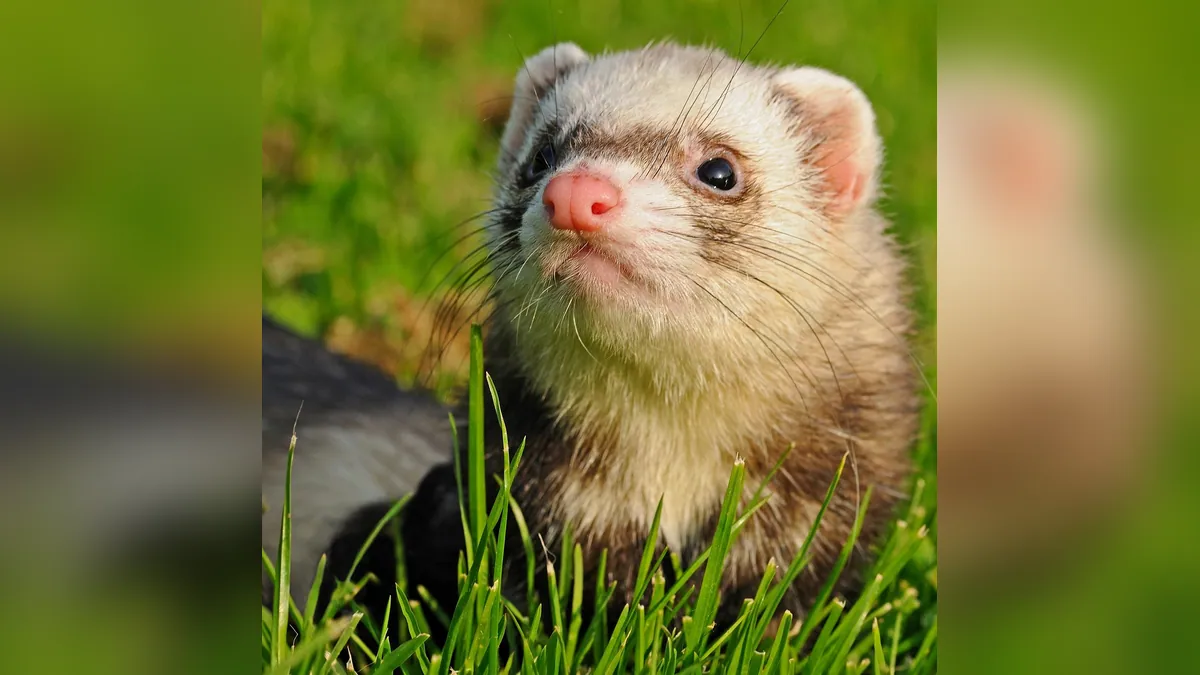
Yes, ferrets can eat eggs. A small amount of plain, fully cooked egg is a safe treat for most healthy ferrets, and raw egg is riskier because of Salmonella and other bacteria. Eggs are not a meal replacement, though. They are a rich extra on top of a meat-based diet built for an obligate carnivore.
This article is educational and is not a substitute for veterinary diagnosis or treatment.
Quick Answer
- Cooked egg is the safer choice. Scrambled or hard boiled egg with no oil, butter, salt, cheese, or seasoning is the simplest way to offer it.
- Raw egg carries a real bacterial risk. Salmonella and other pathogens can sicken your ferret, and the bacteria can spread to people handling the food and the pet.
- Keep the portion tiny. Egg is a treat, not a staple, because ferrets need a diet high in protein and fat and low in carbohydrates [1].
- Skip anything with additives. Onion, garlic, salt, xylitol, and rich fats are all reasons to keep a prepared egg dish away from your ferret.
- If your ferret eats a large amount or a dangerous preparation, call your veterinarian or a pet poison hotline right away.
Can Ferrets Eat Eggs? The Short Verdict
Ferrets are obligate carnivores, meaning their bodies are built to run on animal tissue [1]. Eggs are an animal product, high in protein and fat, so a plain cooked egg fits that general pattern far better than fruit or grains do. That is why a bite of egg is usually fine as an occasional treat.
The catch is that "egg" covers a wide range of preparations. A plain boiled egg is one thing. A diner-style scramble loaded with butter, salt, and cheese is another. The egg itself is rarely the problem. The added ingredients and the cooking method are where most of the risk lives.
Ferrets have a short digestive tract and a fast metabolism, and their systems are tuned to meat. A high-fat, high-protein treat in a small amount is generally well tolerated. A large amount of any new food can trigger loose stool or vomiting, so portion control matters as much as the food choice.
If you are still building your ferret's overall feeding plan, our Ferret Diet and Nutrition Guide walks through the protein and fat targets in more detail.
Nutrition: What Is Actually in an Egg?
A whole egg is mostly water, protein, and fat, with a modest amount of vitamins and minerals. For a carnivore, that profile is reasonable. Ferret diets should be high in protein and fat and low in carbohydrates, and the protein-to-fat ratio can be targeted around 2:1 [1].
Eggs are not a complete diet, though. No single food is. Commercial ferret diets vary, and manufacturers cannot always match every physiological need with one product, so a combination of dietary formats is often used [1]. That is a reason to treat egg as a supplement to a balanced meat-based diet, not a replacement for it.
Plant-based ingredients do not belong in a ferret's diet and can unbalance it, especially where amino acids are concerned [1]. That is one more reason to avoid egg dishes that come with bread, potatoes, rice, or vegetable fillers.
Do Ferrets Actually Benefit From Eggs?
There is no special health benefit that makes eggs necessary. A healthy ferret on a good diet does not need egg to thrive. The benefit is mostly practical. It is a high-value, high-protein treat that many ferrets enjoy, and it can be useful for training or for encouraging a picky eater.
The real nutritional work is done by the base diet. Obesity is a genuine concern in ferrets, and diet-induced obesity has been shown to change the lung environment, increase clinical disease, and lead to more viral spread to the lower respiratory tract in ferret models [2]. Treats, including egg, should fit inside a calorie budget that keeps your ferret lean.
Raw Eggs: The Salmonella Question
Raw egg is the riskiest form. Raw and undercooked eggs can carry Salmonella and other bacteria. Ferrets can get sick from them, and the same bacteria can spread to the people in the household through the food bowl, the pet's face, and cleanup.
Some owners feed raw egg because ferrets are carnivores and raw feeding is popular in some circles. That logic does not remove the bacterial risk. A carnivore's digestive system is not a shield against Salmonella.
There is also a nutrient concern with raw egg whites. Raw egg white contains avidin, a protein that binds biotin. Fed in large amounts over time, raw whites can interfere with biotin availability. This is the same issue discussed for cats in our article on raw egg whites and avidin biotin depletion. Cooking denatures avidin, which is one more point in favor of cooking the egg.
If you choose to feed raw egg anyway, keep it occasional and small, use fresh eggs from a reliable source, and wash your hands and the bowl thoroughly. Understand that you are accepting a bacterial risk that cooking would largely remove.
Scrambled Eggs: Watch the Add-Ins
Plain scrambled egg, cooked through with no added fat or seasoning, is a reasonable treat. The problem is what usually goes into a scramble.
Butter, oil, cream, and cheese add a lot of fat. A small amount of extra fat can push a ferret into loose stool or vomiting. Salt is unnecessary for a ferret and adds sodium load. Onion and garlic, whether fresh or powdered, are toxic to many small mammals and should never be part of a ferret's food.
Xylitol is a serious concern. It is a sugar alcohol used in some sugar-free products, and it is dangerous to dogs and other animals. It has no place in anything you feed a ferret. Read labels if you are using any prepared or flavored product.
If you scramble an egg for your ferret, use a clean pan, no butter or oil, no salt, no milk, and no cheese. Cook it fully. Let it cool. Then offer a small piece.
Hard Boiled Eggs: The Easiest Safe Option
Hard boiled egg is the simplest safe preparation. There are no added fats, no seasoning, and the cooking process kills bacteria and denatures avidin. You can boil an egg, cool it, peel it, and offer a small piece of the white, the yolk, or both.
The yolk is the fattiest part, so it is also the most likely to cause digestive upset in a sensitive ferret. Start with a small piece of white or a thin slice of yolk and see how your ferret handles it.
Do not leave a boiled egg sitting out at room temperature for long. Once it is peeled and cut, bacteria can grow quickly. Refrigerate what you do not use and discard anything that has been out too long.
Form-by-Form Safety Table
| Form | Safe? | Notes |
|---|---|---|
| Plain hard boiled egg | Yes, in small amounts | No additives. Cooked through. Cool before serving. |
| Plain scrambled egg | Yes, in small amounts | No butter, oil, salt, milk, cheese, onion, or garlic. |
| Raw whole egg | Risky | Salmonella and other bacteria. Raw white also binds biotin. |
| Raw egg white only | Risky | Avidin can interfere with biotin over time. |
| Egg with cheese, butter, or cream | No | Too much fat, often too much salt. |
| Egg with onion, garlic, or seasoning | No | Onion and garlic are toxic to small mammals. |
| Egg with xylitol or sugar-free additives | No | Xylitol is dangerous. Check labels. |
| Egg mixed with bread, rice, or veggies | No | Plant fillers unbalance a carnivore diet [1]. |
How Much Egg Can a Ferret Have?
There is no standard published egg dose for ferrets, so your veterinarian is the right person to set a portion for your individual pet based on weight and health. As a general approach, think in terms of a small taste, not a meal.
A piece about the size of a pea or a small fingernail is a reasonable starting point for a healthy adult ferret. Offer it once or twice a week at most. If your ferret has never had egg, start smaller and watch for vomiting, diarrhea, or appetite changes over the next day.
Treats should stay a small fraction of total daily calories. The bulk of the diet should be a complete, meat-based ferret food. If you are unsure how your ferret's current diet stacks up, the Ferret Diet and Nutrition Guide covers the basics.
Which Parts to Avoid
Avoid the shell. It is not a meaningful calcium source for a ferret in the way it can be for some other species, and sharp fragments can irritate the mouth or gut.
Avoid any egg that has been sitting out, reheated multiple times, or mixed into a human dish. Avoid raw egg in any form if anyone in the house is immunocompromised, very young, or elderly, because the bacterial risk extends to people.
What If Your Ferret Ate Too Much or the Wrong Kind?
If your ferret ate a large amount of plain cooked egg, the most likely outcome is stomach upset. Watch for vomiting, diarrhea, gas, or a drop in appetite. Withhold other treats for a day and keep fresh water available.
If your ferret ate egg with onion, garlic, xylitol, or a large amount of fat, treat it as more serious. Call your veterinarian or a pet poison hotline right away. Do not wait for symptoms, because some reactions develop over hours.
If your ferret ate raw egg, watch for vomiting, diarrhea, lethargy, or fever over the next one to three days. Salmonella illness can develop within hours to days. Contact your veterinarian if any of these signs appear.
If your ferret is showing repeated vomiting, bloody diarrhea, weakness, collapse, or trouble breathing, go to an emergency clinic now.
Safer Alternatives to Eggs
If you want a high-value treat and egg does not sit well with your ferret, there are other options. Small pieces of plain cooked meat, such as chicken or turkey with no seasoning, are a natural fit for a carnivore. Some ferrets do well with a bit of plain cooked liver, though it is rich and should stay occasional.
Freeze-dried meat treats made for ferrets or cats are another option. Check the ingredient list and avoid anything with plant fillers, sugar, or artificial additives.
Ferrets are curious and will eat things they should not. If you also live with dogs or cats, the same food-safety logic applies to them. Our articles on whether dogs can eat eggs and whether cats can eat eggs cover those species separately.
Limitations and When to Contact a Veterinarian
This article gives general guidance for healthy adult ferrets. It cannot account for your ferret's age, weight, medical history, or current diet. Individual cases need a veterinarian who can examine your pet.
Contact your veterinarian the same day if your ferret ate egg with onion, garlic, xylitol, or a large amount of fat, or if your ferret ate a large amount of raw egg. Also call the same day if you see vomiting, diarrhea, or a clear drop in appetite after an egg treat.
Go to an emergency clinic now if your ferret is vomiting repeatedly, has bloody diarrhea, is weak or collapsing, is breathing hard, or is unresponsive.
Schedule a routine visit if your ferret has had loose stool for more than a day, has lost weight, or if you want help building a balanced diet around treats like egg.
Frequently Asked Questions
Can ferrets eat raw eggs?
Raw eggs are risky for ferrets because of Salmonella and other bacteria. Raw egg white also contains avidin, which can interfere with biotin over time. Cooked egg is the safer choice.
Can ferrets eat scrambled eggs?
Yes, if the scramble is plain and fully cooked. Skip butter, oil, salt, milk, cheese, onion, and garlic. Those add fat, sodium, or toxins that a ferret does not need.
Can ferrets eat hard boiled eggs?
Yes. Hard boiled egg is the easiest safe preparation because there are no added ingredients and cooking kills bacteria. Offer a small piece and refrigerate the rest.
Do ferrets eat eggs in the wild?
Wild ferrets and their relatives are carnivores that eat prey animals, and eggs from ground-nesting birds can be part of that diet. A pet ferret's needs are different, and a balanced commercial or home-prepared meat diet should be the base.
Can ferrets have eggs every day?
No. Egg should be an occasional treat, not a daily food. A ferret's main diet needs to be high in protein and fat and low in carbohydrates, and too much egg can crowd out that balance and cause digestive upset.
Related Articles
- Ferret Diet and Nutrition Guide
- Ferret Care: Insulinoma hypoglycemia diet and prednisone dosing
- Can Ferrets Eat Chicken? Raw, Cooked, and Fried
- Can Ferrets Eat Cat Food? What's Safe and What's Not
- Can Ferrets Eat Dog Food? Risks and Emergency Options
References
- An Update on Key Nutritional Factors in Ferret Nutrition. The veterinary clinics of North America. Exotic animal practice, 2024.
- Diet-induced obesity affects influenza disease severity and transmission dynamics in ferrets. Science advances, 2024.