Can Ferrets Eat Dog Food? Risks and Emergency Options
By Dr. Zubair Khalid, DVM, MS, PhD ·
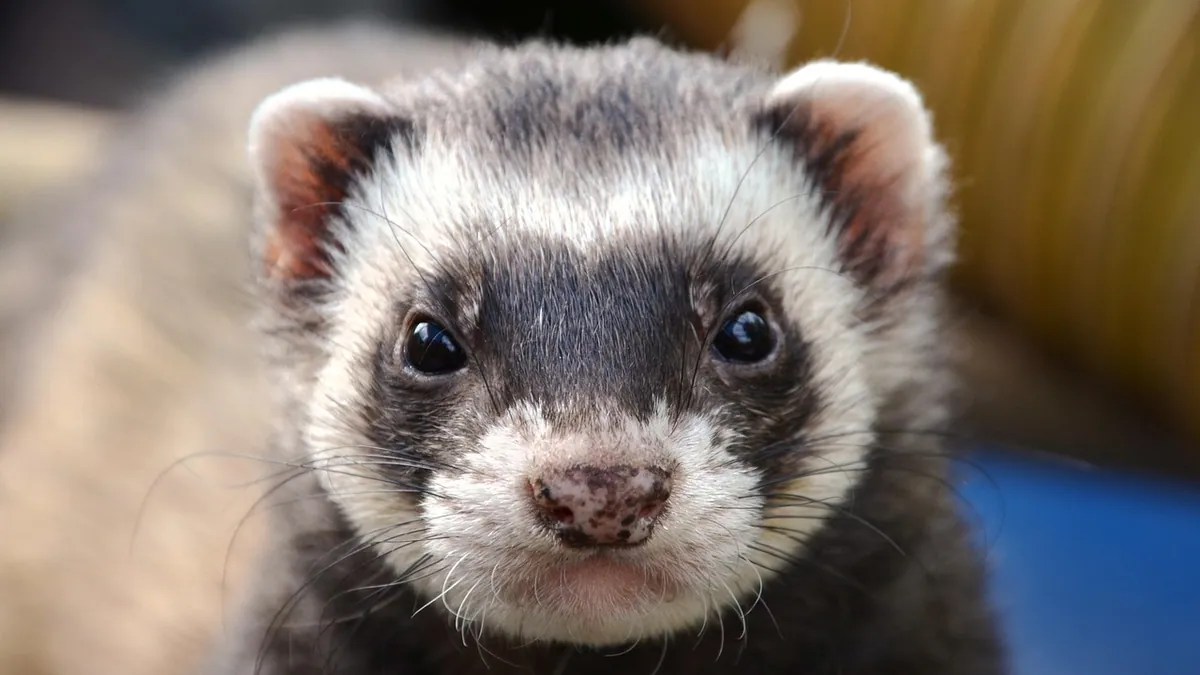
Can ferrets eat dog food? No, not as a regular diet. Ferrets are obligate carnivores with very specific protein and fat needs, and dog food does not meet them [1][2]. A one-time bite or a small amount usually causes stomach upset at most, but dog food should never become a routine meal.
This article is educational and is not a substitute for veterinary diagnosis or treatment.
Quick Answer
- Dog food is not a safe long-term diet for ferrets. It is too low in animal protein and fat and too high in plant ingredients and carbohydrates [1].
- A small accidental taste is rarely an emergency, but a full meal can cause vomiting, diarrhea, and appetite loss.
- Never give dog food that contains xylitol, onion, garlic, raisins, grapes, chocolate, or macadamia nuts. These are toxic.
- If your ferret ate a large amount or any toxic ingredient, call your veterinarian or a pet poison hotline right away.
- If you run out of ferret food, a short bridge of high-protein kitten food or plain cooked meat is safer than dog food.
Can Ferrets Eat Dog Food? The Short Answer Is No
Ferrets are strict carnivores. Their teeth and digestive tract are built for meat, and their wild ancestors ate birds and small vertebrates [2]. Their bodies do not handle plant-based ingredients or carbohydrates well.
Dog food is made for dogs, which are omnivores with different needs. Even premium dog foods often rely on grains, vegetables, and plant proteins. Those ingredients do not belong in a ferret's diet and can unbalance it, especially the amino acid profile [1].
The problem is not just one nutrient. It is the whole formula. A ferret needs a diet high in animal protein and fat with very little carbohydrate [1]. Dog food misses that target in almost every category.
What About Wet Dog Food?
Wet dog food is still dog food. It may have more moisture and smell more appealing, but it usually has the same plant fillers and the same low protein-to-fat ratio. Some wet dog foods also contain onion or garlic powder for flavor, which are toxic to ferrets.
If your ferret licked a bit of wet dog food off the floor, watch for stomach upset. Do not make it a meal.
What About Dog Treats?
Most dog treats are made with wheat, corn, peanut butter, or other plant ingredients. Some contain xylitol, a sweetener that is extremely dangerous to ferrets. Dog treats offer no nutritional benefit to a ferret and can cause vomiting or diarrhea.
If you want to give your ferret a treat, use a small piece of plain cooked meat or a ferret-specific treat. You can read more about appropriate foods in our Ferret Diet and Nutrition Guide.
Why Dog Food Falls Short for Ferrets
Ferrets have a short digestive tract and a fast metabolism. They need frequent meals of highly digestible animal protein and fat. Their systems are designed to process meat quickly, not to ferment plant fiber.
A proper ferret diet should be high in protein and fat and low in carbohydrates. The protein-to-fat ratio can be targeted at about 2:1 [1]. Dog food rarely comes close to that ratio.
Plant-based ingredients do not have a place in ferret diets. They can unbalance the diet, particularly in amino acids [1]. Fruits, while ferrets may love them, should be avoided [1].
This is why commercial ferret diets exist. They are formulated to meet the specific needs of obligate carnivores [2]. Dog food is not.
Risks of Feeding Dog Food to Ferrets
Nutritional Deficiencies Over Time
If dog food becomes a regular part of your ferret's diet, deficiencies build up slowly. Low taurine can affect the heart and eyes. Low animal protein can lead to muscle loss and poor coat condition. The wrong fat profile can leave your ferret with dry skin and low energy.
These problems do not show up overnight. They develop over weeks to months, which makes them easy to miss until your ferret is already sick.
Digestive Upset
A sudden switch to dog food often causes vomiting, diarrhea, or both. Ferret digestive systems are sensitive to change. Even a small amount of an unfamiliar food can trigger loose stools.
Diarrhea in a ferret can become serious quickly because they have so little body fat and water reserve. A ferret with diarrhea can dehydrate faster than a dog or cat.
Choking and Blockage
Dog kibble is often larger and harder than ferret kibble. A ferret may try to swallow a piece whole and choke. Larger pieces can also cause an intestinal blockage, which is a surgical emergency.
If your ferret is gagging, pawing at the mouth, or retching after eating dog food, treat it as an emergency.
Toxic Ingredients
Some dog foods and treats contain ingredients that are poisonous to ferrets. Watch for these:
- Xylitol: a sweetener found in some dog treats and peanut butters. It can cause dangerous drops in blood sugar and liver damage.
- Onion and garlic: found in some wet dog foods and broths. These damage red blood cells and cause anemia.
- Raisins and grapes: toxic to the kidneys.
- Chocolate: contains theobromine, which ferrets cannot process.
- Macadamia nuts: can cause weakness, tremors, and fever.
- Excess salt: some dog foods and treats are high in sodium, which is dangerous for small animals.
If your ferret ate any of these, call your veterinarian or a pet poison hotline immediately. Do not wait for symptoms.
High Carbohydrates and Plant Fillers
Dog food often contains corn, wheat, soy, and other plant ingredients. Ferrets cannot digest these well. Over time, a high-carbohydrate diet can lead to weight gain, dental problems, and other health issues.
Ferrets in captivity already face oral health problems. A captive diet can affect skull shape and dental health in ferrets [3]. Feeding the wrong food makes those problems worse.
My Ferret Ate Dog Food: What to Do Now
Stay calm and assess the situation. Most ferrets who steal a bite of dog food will be fine. The response depends on how much they ate and what was in it.
If It Was a Small Amount of Plain Dog Food
A single kibble or a quick lick of plain dog food is unlikely to cause serious harm. Watch your ferret for the next 24 hours. Look for vomiting, diarrhea, lethargy, or loss of appetite.
Offer fresh water and their normal ferret food. Do not punish your ferret or try to make them throw up. Never induce vomiting unless a veterinarian tells you to.
If It Was a Large Amount
If your ferret ate a full meal of dog food, they may develop vomiting or diarrhea. Withhold food for a short time only if your veterinarian advises it. Otherwise, offer small amounts of their normal diet and plenty of water.
Call your veterinarian if vomiting or diarrhea lasts more than a few hours, or if your ferret seems weak or painful.
If It Contained a Toxic Ingredient
This is an emergency. Call your veterinarian or a pet poison hotline right away. Have the food label or package with you so you can read the ingredients.
Do not wait for symptoms. Some toxins, like xylitol, can cause serious problems within 30 to 60 minutes. Others, like onion and garlic, cause damage that may not show up for days.
If Your Ferret Is Choking
If your ferret is gagging, pawing at the mouth, or having trouble breathing, go to an emergency veterinary clinic immediately. Do not try to pull a piece of food out of your ferret's throat with your fingers. You could push it further down.
How to Offer Dog Food Safely (If You Must)
There is no safe way to make dog food a regular part of a ferret's diet. But if you are in a true pinch and have nothing else, here is how to minimize risk.
Which Parts to Avoid
Avoid all of these:
- Any dog food or treat containing xylitol, onion, garlic, raisins, grapes, chocolate, or macadamia nuts.
- Wet dog food with gravy or broth, which often contains onion or garlic powder.
- Large, hard kibble that could cause choking or blockage.
- Dog treats of any kind.
If You Have No Ferret Food
If you truly have no ferret food and cannot get to a store, a small amount of plain cooked meat is safer than dog food. Plain cooked chicken, turkey, or beef with no seasoning, oil, or bones can tide your ferret over for a few hours.
You can also offer a high-protein kitten food as a short-term bridge. Kitten food is closer to a ferret's needs than dog food, though it is still not ideal. For more on what to feed instead, see our Ferret Diet and Nutrition Guide.
What About Hot Dogs?
Hot dogs are not a safe food for ferrets. They are processed, high in sodium, and often contain garlic or onion powder. They also have nitrates and other additives. Do not feed hot dogs to your ferret, even as a treat.
If your ferret ate a piece of hot dog, watch for stomach upset and call your veterinarian if you see vomiting, diarrhea, or lethargy. For a related situation in another species, you can read about cats and uncooked hot dogs.
Form | Safe? | Notes
| Form | Safe? | Notes |
|---|---|---|
| Dry dog kibble | No | Too low in animal protein and fat, too high in plant ingredients. Choking risk. |
| Wet dog food | No | Often contains onion or garlic powder. Wrong nutrient profile. |
| Dog treats | No | May contain xylitol or other toxins. No nutritional benefit. |
| Hot dogs | No | High sodium, additives, possible onion or garlic. |
| Plain cooked meat (no seasoning) | Emergency only | Safer short-term bridge than dog food. Not a complete diet. |
| High-protein kitten food | Emergency only | Closer to ferret needs but still not ideal long-term. |
| Ferret-specific commercial diet | Yes | Formulated for obligate carnivores [2]. |
Safer Alternatives to Dog Food
The best food for your ferret is a commercial ferret diet. These are made to meet the needs of obligate carnivores [2]. Because it can be hard for one diet to meet every need, offering a combination of dietary formats is often recommended [1].
Look for ferret foods that are high in animal protein and fat and low in carbohydrates. The protein-to-fat ratio can be targeted at about 2:1 [1]. Avoid foods with plant-based ingredients as the main source of protein.
If you are switching foods, do it slowly over 7 to 10 days. Mix a small amount of the new food with the old food and gradually increase the ratio. This helps prevent digestive upset.
For treats, stick to small pieces of plain cooked meat or ferret-specific treats. Avoid fruits, which ferrets may love but should not eat [1].
If you also have dogs or cats, you may wonder about cross-species feeding. You can read about dogs eating cat food and cats eating dog food for those situations.
Limitations and When to Contact a Veterinarian
This article gives general guidance. Every ferret is different. A veterinarian who examines your ferret can give advice for your specific situation.
Call your veterinarian the same day if your ferret:
- Ate a large amount of dog food
- Ate dog food containing xylitol, onion, garlic, raisins, grapes, chocolate, or macadamia nuts
- Is vomiting or has diarrhea
- Seems weak, wobbly, or unusually quiet
- Refuses to eat or drink
Go to an emergency clinic immediately if your ferret:
- Is choking, gagging, or having trouble breathing
- Is having seizures or tremors
- Collapses or cannot stand
- Has blood in their stool or vomit
Schedule a routine visit if your ferret has been eating dog food regularly. A veterinarian can check for nutritional deficiencies and help you transition to a proper ferret diet.
Frequently Asked Questions
Can ferrets eat wet dog food?
No, wet dog food is not safe for ferrets. It often contains onion or garlic powder, and its nutrient profile is wrong for an obligate carnivore. A tiny lick is unlikely to cause harm, but it should never be a meal.
Can ferrets eat dog treats?
No, dog treats are not appropriate for ferrets. Many contain xylitol, which is highly toxic, or plant ingredients that ferrets cannot digest. Use ferret-specific treats or small pieces of plain cooked meat instead.
My ferret ate dog food. Should I worry?
It depends on how much and what kind. A small bite of plain dog food is usually not an emergency. A large amount or any toxic ingredient needs a call to your veterinarian or a pet poison hotline right away.
Can ferrets eat dog food in a pinch?
Only as a very short-term emergency measure if you have nothing else. Plain cooked meat or high-protein kitten food is a better bridge. Get ferret food as soon as you can and transition back slowly.
Can ferrets eat hot dogs?
No, hot dogs are not safe for ferrets. They are high in sodium and often contain garlic or onion powder, which are toxic. If your ferret ate a piece, watch for vomiting, diarrhea, or lethargy and call your veterinarian if you see any of these signs.
Related Articles
- Ferret Diet and Nutrition Guide
- Can Ferrets Eat Cat Food? What's Safe and What's Not
- My Ferret Won't Eat: Causes and When to See a Vet
- Why Is My Ferret Not Eating? Causes and When to Act
References
- An Update on Key Nutritional Factors in Ferret Nutrition. The veterinary clinics of North America. Exotic animal practice, 2024.
- Ferret nutrition. The veterinary clinics of North America. Exotic animal practice, 2014.
- The Cranial Morphology of the Black-Footed Ferret: A Comparison of Wild and Captive Specimens. Animals : an open access journal from MDPI, 2022.