Why Is My Tortoise Lethargic? Causes and When to Worry
By Dr. Zubair Khalid, DVM, MS, PhD ·
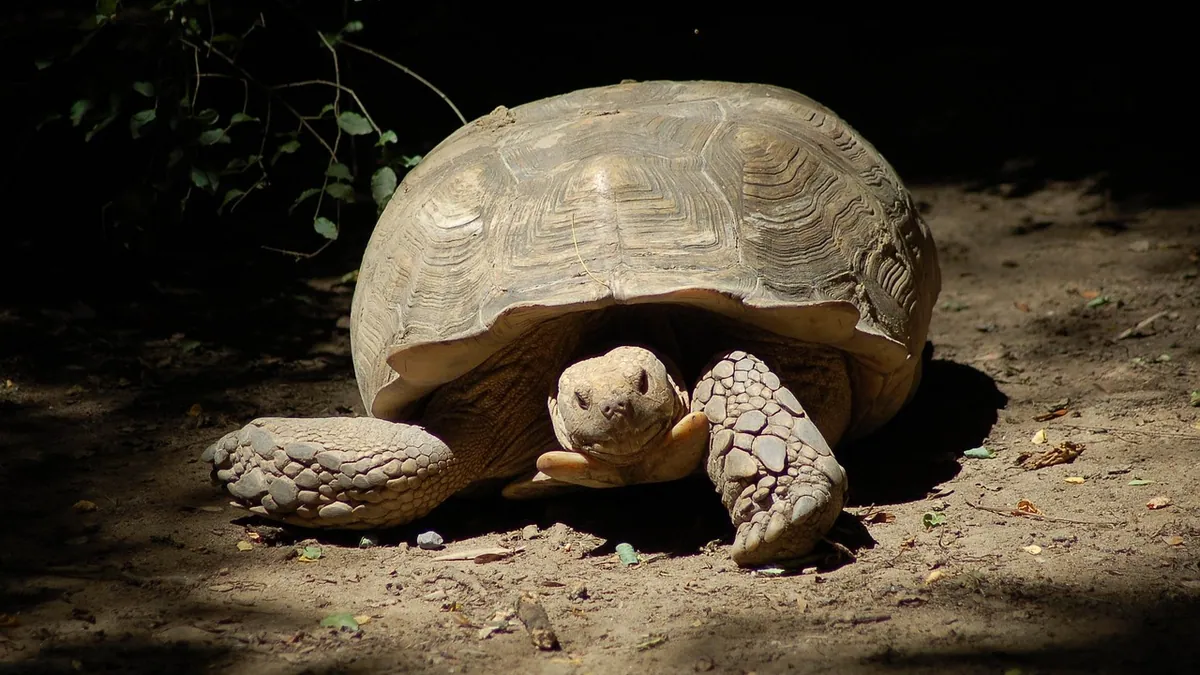
Why is my tortoise lethargic? In most cases, a tortoise that seems lethargic is either too cold to be active or is sick, and the two can look identical from the outside. A healthy tortoise in a proper enclosure should move around, bask, eat, and react when you approach. If yours is sleeping far more than usual, refusing food, or staying limp when handled, treat it as a medical concern until proven otherwise.
This article is educational and is not a substitute for veterinary diagnosis or treatment.
Quick Answer
- Cold temperatures are the most common reason a tortoise stops moving. A tortoise that cannot reach its preferred body temperature will slow down, stop eating, and hide.
- Lethargy plus anorexia (not eating) is a serious combination. In bearded dragons, a related reptile, presenting to an emergency service with lethargy or anorexia was linked to a lower chance of surviving to discharge [1].
- Dehydration can directly reduce a reptile's ability to move. In a terrestrial lizard, limited drinking water over 10 days reduced maximum running speed, and the effect was worse than the effect on endurance [2].
- Non-specific signs like lethargy, reluctance to move, and sudden death can point to infectious disease in tortoises, including amebiasis, which has caused fatal outbreaks in captive testudines [3].
- Any tortoise that is limp, unresponsive, breathing oddly, or has not eaten for several days needs a veterinarian who treats reptiles, ideally the same day.
What Lethargy Looks Like in a Tortoise and What Is Normal
Tortoises are not built for constant motion. A normal, healthy tortoise has quiet periods, especially after a large meal, during the hottest part of the day, or when it is digesting. Many tortoises also slow down seasonally. In cooler weather or shorter daylight, a tortoise may eat less and sleep more. That can be normal if the tortoise still wakes, basks, and responds to you.
The problem is when "quiet" turns into "barely there." Signs that cross the line include:
- Staying in the hide or burrow for days and not coming out to bask
- Not lifting the head when you approach or when food is offered
- Limp legs or a head that droops when you pick the tortoise up
- Refusing food for more than a few days
- Sunken eyes, dry skin, or a soft or dented shell
- Weight loss you can feel along the sides of the shell
- Abnormal breathing, open-mouth breathing, or bubbles at the nose
- Swollen eyes, discharge, or a runny nose
- Not passing stool or urates for a long time
If you are also caring for birds and wondering about similar signs, the same principle applies. A budgie or cockatiel that sits fluffed on the cage floor, closes its eyes during the day, and stops vocalizing is showing the bird version of lethargy. Birds hide illness well, so a fluffed, quiet bird is often sicker than it looks.
Why Is My Tortoise Lethargic? The Main Causes
Lethargy is a sign, not a diagnosis. It means something in the body or the environment is off. Here are the causes veterinarians consider first.
Temperature and Lighting Problems
Tortoises are ectotherms. They depend on their environment to regulate body temperature, digestion, and immune function. If the basking spot is too cool, the ambient temperature is wrong, or the heat source has failed, the tortoise cannot warm up enough to be active. This is the single most common and most fixable cause of a tortoise that seems lethargic.
Check your thermometer and your heat source today. A broken bulb, a tripped circuit, or a cold snap in the room can all drop the enclosure temperature. A tortoise that is too cold will not eat, will not digest, and will not move much.
Dehydration
Water matters more than many owners realize. In a study of a terrestrial lizard, restricting drinking water for 10 days reduced maximum running speed, and dehydration affected sprint capacity more than endurance [2]. A dehydrated tortoise may be slow, dull, and reluctant to move. Sunken eyes, dry skin, and thick or absent urates are clues.
Soaking a tortoise in shallow, lukewarm water can help, but it does not replace fixing the underlying cause. If your tortoise has been without proper water access, or if the enclosure is too dry, dehydration can build up quietly.
Infection and Parasites
Infections are a major cause of lethargy in reptiles. An outbreak of amebiasis in captive testudines, including red-footed tortoises, caused non-specific signs such as anorexia, lethargy, reluctance to move, and sudden death [3]. That is a reminder that "just lethargic" can be the only warning you get before a serious disease progresses.
Respiratory infections, shell infections, and gut infections can all present with a tortoise that slows down and stops eating. Some of these are contagious to other reptiles in your collection.
Metabolic and Nutritional Disease
Long-term problems with diet, calcium, UVB lighting, or hydration can lead to metabolic bone disease and other internal issues. These often show up gradually. Early on, the tortoise may just seem less active. Later, you may see a soft shell, difficulty walking, or tremors.
Reproductive Problems in Females
Female tortoises can become egg-bound or develop reproductive disease. A female that is lethargic, straining, or not eating may be retaining eggs. This is a veterinary problem, not something to wait out.
Stress From Multiple Factors at Once
Reptiles often deal with more than one stressor at a time. A review of amphibian and reptile responses to environmental stressors found that temperature, water stress, disease, and pollution can interact and compound each other's effects [4]. In practice, this means a tortoise that is a little too cold, a little dehydrated, and fighting a mild infection can crash quickly. You cannot always point to one single cause.
A Note on Other Pets
If you also keep mammals, lethargy is a shared warning sign across species. A dog that is suddenly quiet may have a medication reaction, which is covered in this guide to dog medication and lethargy. Cats show similar signs with many illnesses, and you can read more in cat lethargy: when to worry. The takeaway is the same: a normally active animal that becomes dull needs attention.
Cause Table
| Cause | Typical clues | How urgent |
|---|---|---|
| Too cold | Not basking, cool enclosure, recent heat source failure | Fix today, vet if no improvement |
| Dehydration | Sunken eyes, dry skin, thick or no urates | Same day if severe |
| Infection (bacterial, viral, parasitic) | Not eating, weight loss, discharge, sudden decline | Same day |
| Amebiasis | Lethargy, anorexia, reluctance to move, sudden death [3] | Emergency |
| Metabolic bone disease | Soft shell, weak legs, poor growth | Routine to urgent |
| Egg binding or reproductive disease | Female, straining, not eating, swollen abdomen | Same day |
| Stress from multiple factors | Several husbandry problems at once [4] | Fix environment, vet if sick |
| Trauma or toxin exposure | Visible injury, recent exposure | Emergency |
Red Flags That Make It an Emergency
Some signs mean you should not wait. Call an exotic or reptile veterinarian now, or go to an emergency clinic that sees reptiles, if your tortoise has any of these:
- Limp, unresponsive, or cannot lift its head
- Open-mouth breathing, gasping, or bubbles from the nose
- Sudden collapse or seizures
- Bleeding, a cracked shell, or a deep wound
- Straining to pass eggs with no progress
- Not eating for several days along with weight loss
- Sudden death of another reptile in the same enclosure
For bearded dragons, lethargy and anorexia at emergency presentation were associated with a lower chance of surviving to discharge [1]. That finding does not prove the same numbers apply to tortoises, but it supports the same message. Do not wait for a reptile to "snap out of it" when it is clearly unwell.
Safe Things You Can Do at Home While You Wait
You can take useful steps without risking harm.
- Check the temperature. Measure the basking spot and the cool end with a reliable thermometer. Compare them to the correct range for your species.
- Check the heat and UVB bulbs. Make sure they are working and not past their replacement date.
- Offer shallow, lukewarm water. A soak can help a dehydrated tortoise, but keep the water low and never leave the tortoise unattended.
- Offer favorite foods. A small amount of a favorite green or fruit can tell you whether appetite is truly gone or just reduced.
- Keep the tortoise quiet and warm. Avoid handling it more than needed.
- Isolate it from other reptiles. If infection is possible, separate enclosures and wash your hands between animals.
- Write down what you see. Note the date it started, what it eats, its last stool, and any changes in the enclosure.
Do not give any medication, including antibiotics or dewormers, without veterinary guidance. Do not force-feed a tortoise. Do not raise the temperature far above the normal range to "wake it up," because overheating can be fatal.
What the Veterinarian Will Check and Test
A reptile veterinarian will start with a full history. Expect questions about temperatures, lighting, diet, water, substrate, and how long the signs have lasted. Bring photos of the enclosure and notes if you have them.
The physical exam usually includes:
- Weight and body condition
- Shell condition, including soft spots or wounds
- Eyes, nose, and mouth for discharge
- Breathing and lung sounds
- Hydration status
- A check for eggs or swelling in females
- Neurologic and limb function
Common tests include a fecal exam for parasites, blood work, radiographs (X-rays) to look for eggs or organ changes, and sometimes a culture or PCR test for specific infections. If amebiasis is suspected, your veterinarian may discuss testing based on the known pattern of liver, duodenal, and colonic lesions seen in outbreaks [3].
Treatment depends on the cause. It may include warming support, fluids, antibiotics, antiparasitic drugs, nutritional support, or surgery for egg binding. Your veterinarian will calculate any medication dose from your tortoise's weight and health status.
Prevention and Monitoring
Most lethargy in tortoises is preventable with good husbandry.
- Measure temperatures daily. Use a thermometer, not your hand.
- Replace UVB bulbs on schedule. UVB output drops before the bulb stops glowing.
- Keep clean water available. Soak species that need it, and keep humidity right for your species.
- Feed a species-appropriate diet. Avoid overfeeding fruit and protein for herbivorous species.
- Weigh your tortoise monthly. A kitchen scale is one of the best early warning tools you own.
- Quarantine new reptiles. Keep them separate for a period your veterinarian recommends.
- Watch for subtle changes. A tortoise that eats a little less for two days is worth watching. A tortoise that stops eating and stops moving is worth a call.
Environmental stress can stack up, and reptiles may not show obvious signs until they are quite sick [4]. Regular monitoring catches problems earlier, when treatment is easier.
Limitations and When to Contact a Veterinarian
This article cannot tell you what is wrong with your specific tortoise. Only a veterinarian who examines your animal can do that. Individual cases need a veterinarian, and reptiles often hide illness until they are seriously compromised.
Contact a reptile-experienced veterinarian the same day if your tortoise is lethargic and has stopped eating, has discharge from the nose or eyes, has sunken eyes, or has not passed stool or urates in an unusually long time.
Go to an emergency clinic now if your tortoise is limp, unresponsive, gasping, bleeding, or has a broken shell. If you suspect poisoning, call the ASPCA Animal Poison Control Center at (888) 426-4435 or the Pet Poison Helpline at (855) 764-7661.
Schedule a routine visit if your tortoise is mildly less active but still eating, basking, and responding, especially if you recently changed the enclosure or the weather turned cold. A checkup can catch husbandry problems before they become medical ones.
Frequently Asked Questions
Why is my turtle lethargic?
Turtles and tortoises share many of the same causes, including cold temperatures, dehydration, infection, and poor diet. A turtle that is quiet, floating oddly, or not eating needs the same evaluation as a tortoise. Check water temperature and quality first, then call a reptile veterinarian if signs persist.
My tortoise seems lethargic but still eats. Should I worry?
A tortoise that still eats is usually less urgent, but it is not automatically fine. Watch for weight loss, changes in stool, or a drop in basking time. If the behavior lasts more than a few days or gets worse, book a veterinary visit.
Why is my budgie lethargic?
A lethargic budgie is often a sick budgie. Birds fluff up, sit low, close their eyes, and go quiet when they do not feel well. Keep the bird warm, remove stressors, and contact an avian veterinarian promptly, because birds can decline fast.
Why is my cockatiel lethargic?
The same rules apply to cockatiels. A cockatiel that stops vocalizing, sits on the cage floor, or sleeps all day may have an infection, a nutritional problem, or another illness. Do not wait for it to recover on its own. See an avian vet.
Can a tortoise be lethargic before brumation?
Yes, a tortoise may slow down before brumation, which is the reptile version of hibernation. That said, brumation should be planned with a veterinarian, and a sick or underweight tortoise should not be allowed to brumate. If you are unsure whether your tortoise is preparing to brumate or is actually ill, get a veterinary opinion before temperatures drop.
Related Articles
- Why Is My Tortoise Sleeping So Much? Lethargy Causes
- Why Is My Tortoise Always Sleeping? Causes and Concerns
- Why Is My Tortoise Not Moving? Causes and What to Do
References
- Bearded dragons (Pogona vitticeps) presenting for emergency evaluation with lethargy and anorexia are less likely to survive to discharge. American journal of veterinary research, 2026.
- Dehydration alters sprint speed capacity more than maximal endurance in a terrestrial lizard. The Journal of experimental biology, 2025.
- Pathological aspects of an amebiasis outbreak in captive testudines. Journal of comparative pathology, 2026.
- Physiological responses and adaptive mechanisms of amphibians and reptiles to multiple interacting environmental stressors: an integrative review. Frontiers in physiology, 2026.