Why Is My Tortoise Sleeping So Much? Lethargy Causes
By Dr. Zubair Khalid, DVM, MS, PhD ·
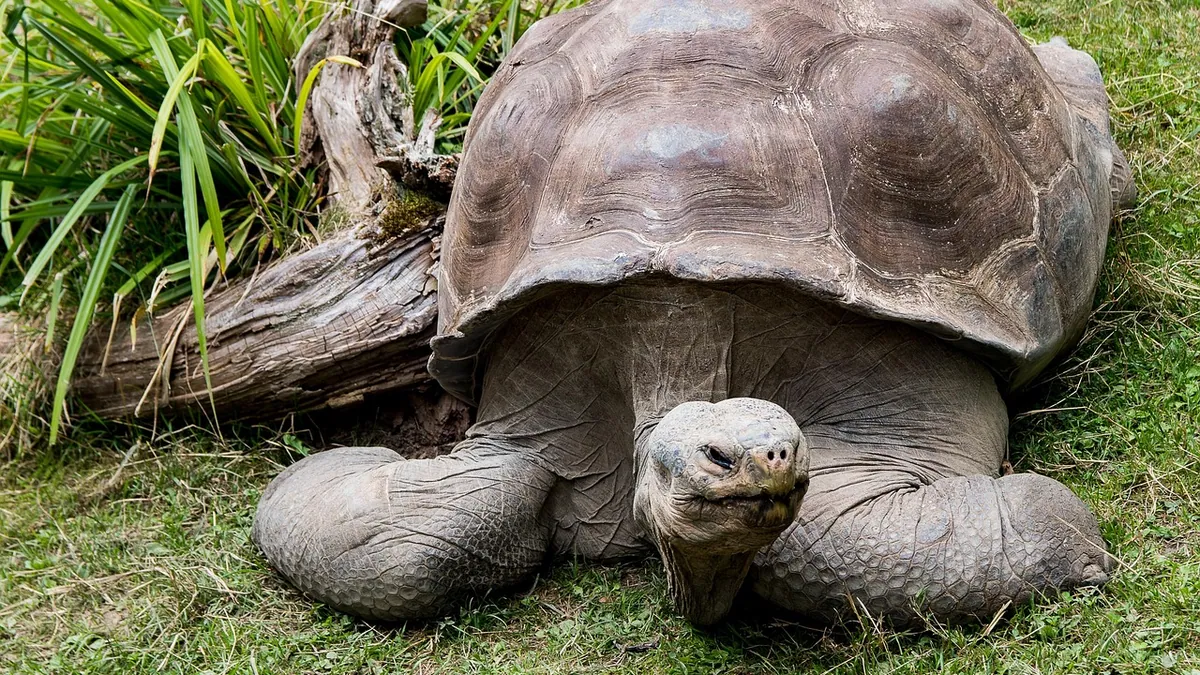
If your tortoise is sleeping far more than usual, the cause could be something as ordinary as cooler weather or as serious as organ disease. Tortoises slow down when temperatures drop, but true lethargy in a warm, well-lit enclosure usually points to a health problem. This guide helps you tell normal rest from a sign that your tortoise needs help.
This article is educational and is not a substitute for veterinary diagnosis or treatment.
Quick Answer
- A healthy tortoise sleeps more when it is cool, when daylight hours shorten, and when it is preparing to brumate (the reptile version of hibernation).
- A tortoise that stays asleep in a warm, properly lit enclosure, refuses food, or feels limp is not simply tired.
- Check your temperatures first. A basking spot that is too cool is one of the most common reasons a tortoise stops moving around.
- Weigh your tortoise weekly. Weight loss plus sleepiness is a stronger warning sign than sleepiness alone.
- Any tortoise that cannot be roused, is breathing oddly, or has discharge from the nose or eyes needs a veterinarian now.
What Tortoise Lethargy Looks Like and What Is Normal
Tortoise sleeping habits vary by species, age, season, and setup. A Russian tortoise may burrow and sleep through hot afternoons. A leopard tortoise may bask for hours and then nap. These patterns are normal when the tortoise wakes on its own, eats, drinks, and moves with purpose.
Lethargy is different. A lethargic tortoise stays in one spot, does not lift its head when you approach, and may not pull in its limbs when touched. It may stop eating for days. Its eyes may stay closed even in bright light. Some tortoises become dehydrated, and the skin may look dry, flaky, or shed unevenly.
Sleep itself is not wasted time for reptiles. One analysis argues that sleep ranks lower than foraging, reproduction, and avoiding predators in the daily budget of many animals, and that herbivores with high-fiber diets have less time left for sleep [1]. In other words, a tortoise that is eating and active is behaving the way its biology expects. A tortoise that sleeps through meals is not.
Brumation Versus Dangerous Lethargy
Brumation is a planned slowdown. It happens in fall and winter, or when you deliberately lower temperatures and light. During brumation, metabolism drops sharply as the animal conserves energy through harsh conditions [2]. A brumating tortoise is cool, still, and slow, but it is not sick.
Dangerous lethargy happens at any time of year, often in a warm enclosure. The tortoise may look like it is brumating, but the temperatures are normal or high. That mismatch is your first clue that something is wrong.
Why Is My Tortoise Sleeping So Much? The Main Causes
| Cause | Typical clues | How urgent |
|---|---|---|
| Temperatures too low | Cool enclosure, no basking, slow to wake in the morning | Fix today, vet if no improvement in 24 to 48 hours |
| Lighting or photoperiod problems | Short days, no UVB, sleeping in the open | Fix today, vet if appetite does not return |
| Impending or improper brumation | Fall season, cool setup, gradual slowdown | Plan with a vet, especially for small or sick tortoises |
| Dehydration | Dry skin, sunken eyes, thick or absent urates | Vet within 24 hours |
| Respiratory infection | Nasal bubbles, open-mouth breathing, wheezing | Vet same day |
| Parasites or gut problems | Diarrhea, poor appetite, weight loss | Vet within a few days |
| Organ disease or cancer | Weight loss, swelling, weakness, no response to warmth | Vet now |
Temperature and Lighting Problems
Tortoises are ectotherms. Their bodies depend on outside heat to run digestion, immunity, and movement. If your basking spot is too cool, your tortoise will sleep instead of eat. Check the basking surface temperature with a digital thermometer, not a stick-on gauge. Check the cool end too. A gradient lets the tortoise choose.
Light matters as much as heat. Tortoises need a clear day and night cycle. If a bulb has burned out or the timer is off, your tortoise may act like winter has arrived. Replace UVB bulbs on the schedule the maker recommends, because output fades before the bulb goes dark.
Brumation and Seasonal Slowdowns
Many species slow down in fall even indoors. If you plan to brumate your tortoise, work with a veterinarian first. Brumation is an energy-conserving state, and animals burn stored fat and change how they process lipids during it [2]. A tortoise that enters brumation thin or sick may not wake up.
Hibernation conditions also affect how the body handles stress. In one lizard study, the length of hibernation changed antioxidant markers in the liver and tail, while temperature had smaller effects [3]. That work was done in wall lizards, not tortoises, so treat it as a general signal that winter conditions matter for reptile health. Keep brumation cool, stable, and short unless your vet advises otherwise.
Illness and Internal Disease
Lethargy is a common early sign of illness in reptiles because sick tortoises hide symptoms until they cannot. A Russian tortoise was brought to a clinic after one week of not eating and acting tired. The exam found dehydration and abnormal shedding, and imaging found a large mass in the body cavity. The tortoise died after surgery, and the mass turned out to be a cancer of the kidney lining [4]. That case is rare, but it shows how a simple complaint like sleepiness can trace back to serious internal disease.
Other common medical causes include respiratory infections, intestinal parasites, egg binding in females, and kidney or liver disease. Your veterinarian can sort these out with an exam and testing.
Hibernation and Metabolism in Other Reptiles
Research on other reptiles helps explain why a sleeping tortoise can look fine or very sick. In Chinese soft-shelled turtles, hibernation lowered fat stores and changed lipid levels in the blood and liver [2]. Snakes in hibernation show shifts in how they process tryptophan, a building block tied to immune and metabolic function [5]. These findings do not diagnose your tortoise, but they show that winter rest is a whole-body change, not just a long nap. A tortoise that is not healthy going into that state can struggle.
Red Flags That Make It an Emergency
Call an emergency clinic or your exotics vet right away if you see any of these:
- The tortoise will not wake at all, even when warmed.
- Breathing is open-mouthed, noisy, or labored.
- There is bubbling or discharge from the nose or eyes.
- The shell feels soft, or there are new cracks or wounds.
- The tortoise vomits, has bloody stool, or passes no stool for a long time.
- The body looks swollen, especially around the neck or limbs.
- There is prolapsed tissue from the vent.
- The tortoise was fine this morning and is limp tonight.
If you ever suspect your tortoise ate something toxic, call poison control. The ASPCA Animal Poison Control Center is (888) 426-4435, and the Pet Poison Helpline is (855) 764-7661. These lines may charge a fee.
Safe Things You Can Do at Home While You Wait
You cannot treat a sick tortoise at home, but you can gather information and fix basic husbandry.
- Check temperatures. Measure the basking spot, the warm side, the cool side, and the night temperature. Write the numbers down.
- Check the lights. Confirm the UVB bulb is on and within its replacement window. Confirm the timer gives 12 to 14 hours of light in summer and a shorter day in winter if you are cycling seasons.
- Offer a shallow water dish. A dehydrated tortoise may soak on its own. Keep the water clean and shallow enough that the tortoise can lift its head.
- Weigh your tortoise. Use a kitchen scale in grams. Weigh weekly at the same time of day.
- Keep a log. Note when the tortoise wakes, what it eats, when it urinates or defecates, and how it looks. Bring the log to your appointment.
- Do not force-feed. Do not give human medications. Do not warm a tortoise quickly with a heat lamp pressed close to the shell. Slow, even warming is safer.
If your dog or cat is also sleeping more than usual, the reasons differ by species. You can read about canine sleep patterns or cat lethargy for comparison, but do not apply mammal advice to your tortoise.
What the Veterinarian Will Check and Test
A reptile-savvy veterinarian starts with a full physical exam. They will check the eyes, nose, mouth, shell, limbs, and vent. They will feel the body cavity for masses or eggs. They will check for dehydration and abnormal shedding.
Expect some of these tests:
- Blood work to look at organ values, blood cells, and hydration.
- Fecal testing for parasites and bacteria.
- Radiographs (X-rays) to look for eggs, masses, bladder stones, or lung changes.
- Ultrasound or advanced imaging if the exam or X-rays point to internal disease.
- A weight and body condition score to compare against a healthy baseline.
Treatment depends on the cause. A respiratory infection may need antibiotics. Dehydration may need fluids. Parasites need specific dewormers. Your veterinarian calculates every drug dose from your tortoise's weight and health, so never use a dose from a website or a friend.
If your tortoise is not eating and your vet suspects a medication issue, the same caution applies as with dogs. You can read about medication-related lethargy in dogs to see how seriously vets take drug side effects, but reptile drugs and doses are completely different.
Prevention and Monitoring
Good husbandry prevents most cases of tortoise lethargy.
- Keep a temperature gradient. Basking spot, warm side, cool side, and night temps should all be measured and logged.
- Replace UVB bulbs on schedule. Mark the date on the calendar.
- Feed a species-appropriate diet. High-fiber greens for grazers, with calcium and vitamin support as your vet advises.
- Soak your tortoise. Regular shallow soaks help hydration, especially for young or newly acquired tortoises.
- Quarantine new reptiles. Keep a new tortoise separate for at least several months and get a fecal test before any contact.
- Weigh weekly. A slow drop of a few grams can be the first sign of a problem.
- Plan brumation with your vet. Only healthy, well-conditioned tortoises should brumate, and only under a clear plan.
Track changes over time. A single sleepy day after a cool night is not alarming. A week of sleeping through meals is.
Limitations and When to Contact a Veterinarian
This article cannot tell you what is wrong with your individual tortoise. Only a veterinarian who examines your pet can do that.
Contact a veterinarian the same day if your tortoise has been sleepy for more than 24 to 48 hours in a warm enclosure, has stopped eating, or has any nasal or eye discharge.
Go to an emergency clinic now if your tortoise cannot be roused, is breathing with its mouth open, is limp, has a prolapse, or has sudden swelling.
Schedule a routine visit if your tortoise is slowing down for the season, if you are planning to brumate, or if you have a new tortoise that has not had a checkup. Bring your temperature log, weight records, and notes on appetite and bowel movements.
Frequently Asked Questions
How much do tortoises normally sleep?
Most healthy tortoises sleep through the night and nap during the day, often after basking or eating. The exact amount varies by species, age, and season. What matters is that your tortoise wakes on its own, eats, and moves around.
Is my tortoise brumating or just sick?
Brumation follows a seasonal pattern and cooler temperatures, and the tortoise still responds to gentle warming. Illness causes sleepiness in a warm enclosure, often with weight loss, discharge, or a refusal to eat. If the timing or temperature does not fit brumation, assume illness until a vet says otherwise.
Can a cold enclosure alone make my tortoise sleep all day?
Yes. A basking spot that is too cool slows digestion and activity, so the tortoise sleeps instead of eating. Fix the heat and light first, then watch for 24 to 48 hours. If your tortoise is still dull in a warm setup, call your vet.
Should I wake a sleeping tortoise to eat?
If your tortoise is in planned brumation, no. If it is simply napping in a warm enclosure, you can offer food during its active hours. A tortoise that will not wake for food in warm conditions needs a veterinary exam.
Can I treat tortoise lethargy at home?
No. You can correct temperatures, lighting, and hydration, and you can keep records. You cannot diagnose or treat infections, parasites, or organ disease at home. Any tortoise that stays lethargic in a proper setup needs a veterinarian.
Related Articles
- Why Is My Tortoise Lethargic? Causes and When to Worry
- Why Is My Tortoise Always Sleeping? Causes and Concerns
- Why Is My Tortoise Sleeping a Lot? Normal vs Concerning
References
- The Disputable Costs of Sleeping. Biology, 2025.
- Analysis of Lipid Metabolism in Adipose Tissue and Liver of Chinese Soft-Shelled Turtle Pelodiscus sinensis During Hibernation. International journal of molecular sciences, 2024.
- Effects of hibernation temperature and duration on oxidative status in the common wall lizard (Podarcismuralis). Journal of thermal biology, 2026.
- Urothelial carcinoma in a Russian tortoise (Testudohorsfieldii). Journal of comparative pathology, 2023.
- Seasonal Plasticity in Tryptophan Metabolism Provides New Insights Into Physiological Adaptation in Snake Hibernation. Ecology and evolution, 2025.