Why Is My Tortoise Not Moving? Causes and What to Do
By Dr. Zubair Khalid, DVM, MS, PhD ·
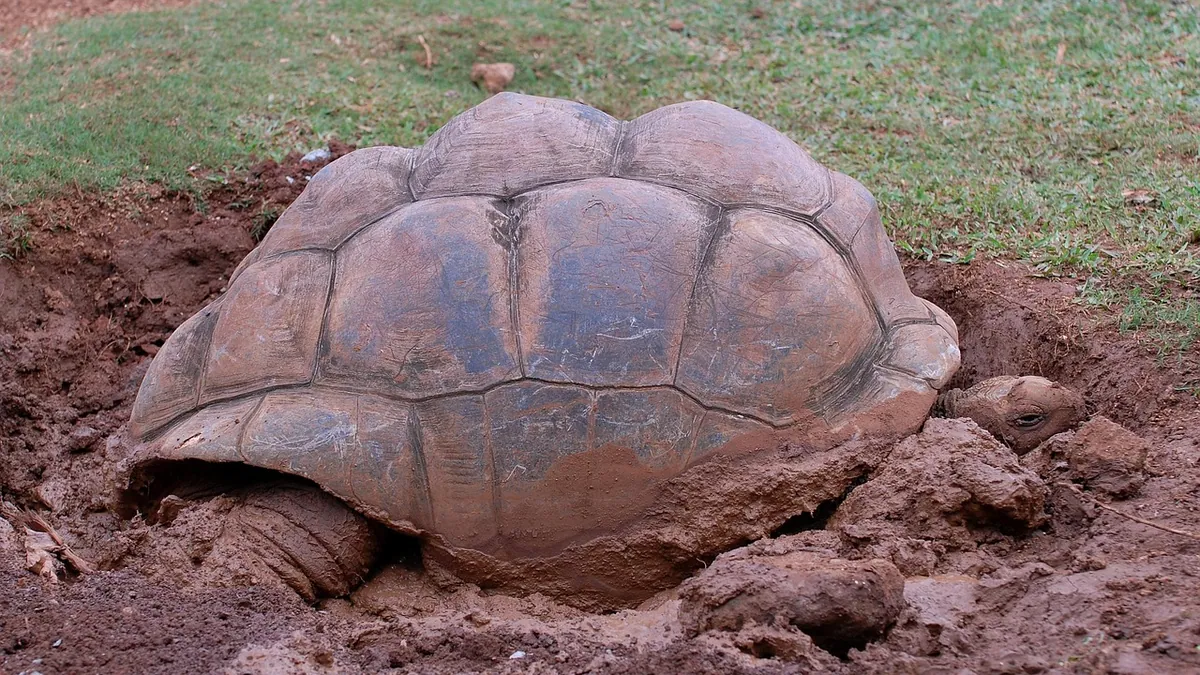
A tortoise that is not moving may be too cold, hibernating, or seriously ill. The right response depends on temperature, season, and whether your tortoise shows other signs like closed eyes, a soft shell, or trouble breathing. This article is educational and is not a substitute for veterinary diagnosis or treatment.
Quick Answer
- Check the enclosure temperature first. A tortoise that is too cold cannot move normally, and warming it slowly often restores activity.
- A tortoise that is limp, unresponsive, or has sunken eyes needs emergency veterinary care today.
- If your tortoise is not eating or moving and it is not the normal hibernation season, treat it as a medical problem.
- Do not force food, water, or heat on a motionless tortoise. Warm it gradually and call your vet.
- Take photos of the enclosure and note the temperatures before you call, since this helps the vet assess the situation.
What a Motionless Tortoise Looks Like and What Is Normal
A healthy tortoise is not constantly active. Many species sleep for long stretches, especially after eating or during cool parts of the day. A tortoise that is resting but responds to gentle touch, pulls in its head, or moves when warmed is usually behaving normally.
The problem is a tortoise that stays still for hours or days, does not react when you touch its legs or tail, and shows no interest in food or water. Owners often describe this as "my tortoise is not moving" or "my tortoise is barely moving." Some tortoises become limp and floppy, which is a serious sign.
Normal behavior varies by species and season. A tortoise that slows down in autumn may be preparing to hibernate. A tortoise that slows down in summer with no temperature change is more likely to be sick.
Why Is My Tortoise Not Moving? Main Causes
Several problems can cause a tortoise to stop moving. The table below lists the most common causes, the clues that point to each one, and how urgent it is.
| Cause | Typical clues | How urgent |
|---|---|---|
| Too cold | Enclosure below the species' preferred range, cool to the touch, slow to respond | Urgent, warm slowly |
| Hibernation or brumation | Seasonal timing, cool temperatures, gradual slowdown, still responsive | Planned, monitor closely |
| Dehydration | Sunken eyes, dry skin, wrinkled limbs, no urination | Urgent |
| Infection or illness | Not eating, weight loss, discharge, swollen eyes, abnormal droppings | Same-day vet visit |
| Parasites | Weight loss, diarrhea, visible worms, poor appetite | Vet visit soon |
| Organ disease or cancer | Lethargy, swelling, loss of appetite, difficulty moving | Same-day vet visit |
| Injury or bone disease | Lameness, swelling, deformed shell or limbs, reluctance to walk | Same-day vet visit |
| Toxin exposure | Sudden collapse, tremors, drooling, recent pesticide or plant exposure | Emergency now |
Temperature Problems
Tortoises are ectotherms, which means their body temperature depends on their environment. When the enclosure is too cool, digestion stops, the immune system slows, and the tortoise becomes inactive. Environmental temperature is one of the main stressors that affects reptile physiology and immune function [1]. If your tortoise is not moving and the enclosure feels cool, this is the first thing to check.
Hibernation and Brumation
Many tortoise species slow down or sleep through cold months. This is normal if it happens at the right time of year, at the right temperature, and if your tortoise was healthy and well fed before it started. A tortoise that was sick, underweight, or dehydrated before hibernation may not survive it. If the timing or temperature is wrong, treat the inactivity as a medical problem.
Dehydration and Water Balance
Reptiles regulate water very differently from mammals, and the ability to hold water varies a lot between species [1]. A dehydrated tortoise becomes weak and may stop moving. Sunken eyes, dry skin, and a lack of urination are warning signs. Soaking a dehydrated tortoise without veterinary guidance can sometimes make things worse if the tortoise is already ill.
Infection, Parasites, and Disease
Reptiles can carry infections and parasites without obvious signs until they are very sick. A red-tailed green rat snake imported from Indonesia died in quarantine with only a brief period of anorexia before death, and necropsy found a heavy parasite infection [2]. This shows how quietly serious disease can develop in reptiles. In tortoises, similar hidden problems can cause a sudden stop in activity.
Organ disease and cancer also occur in tortoises. A Russian tortoise was admitted with a one-week history of anorexia and lethargy, and imaging found a large mass in the coelom that turned out to be a urothelial carcinoma [3]. This is rare, but it shows that serious internal disease can look like simple inactivity at first.
Injury and Bone Disease
Bone and joint problems can make movement painful. A loggerhead sea turtle in rehabilitation developed lameness and swelling in the joints, and imaging showed multiple lytic bone lesions linked to possible decompression injury and infection [4]. Reptiles can also develop bone remodeling disorders that cause spinal rigidity and reduced mobility [5]. If your tortoise seems stiff, swollen, or unwilling to use a limb, injury or bone disease is possible.
Toxins
Pesticides, household cleaners, and some plants can poison a tortoise. Sudden collapse, tremors, or drooling after exposure is an emergency. Call your veterinarian or a poison control service right away.
Red Flags That Make It an Emergency
Some signs mean you should stop reading and call an emergency veterinary clinic now.
- Your tortoise is limp and does not respond to touch.
- The eyes are sunken or stay closed.
- Breathing is noisy, open-mouthed, or very slow.
- There is discharge from the nose or mouth.
- The shell feels soft or has new cracks or dents.
- The tortoise has not eaten or passed waste for several days.
- You see swelling, a prolapse, or blood.
- The tortoise was exposed to a toxin or extreme heat or cold.
A tortoise that is unresponsive is not simply tired. It needs a veterinarian.
Safe Things You Can Do at Home While Waiting
You can take a few safe steps before your appointment. Do not try to treat the tortoise yourself with medications or force-feed it.
- Check the temperature. Use a thermometer at both the warm and cool ends of the enclosure. Compare it to the range recommended for your species.
- Warm the tortoise slowly. Move it to a quiet area at the low end of its normal temperature range. Do not use a heat lamp directly on a motionless tortoise, since it cannot move away from the heat.
- Offer shallow water. A shallow dish lets the tortoise drink if it can. Do not submerge its head.
- Keep it quiet. Reduce handling and noise. Stress can make a sick reptile worse.
- Note the details. Write down when the tortoise last ate, last passed waste, and when you first noticed the problem. Take photos of the enclosure.
- Call your vet. Describe the signs and ask whether to bring the tortoise in immediately.
If your tortoise is not eating or moving, do not wait several days to see if it improves. Reptiles often hide illness until they are critically ill.
What Your Veterinarian Will Check and Test
A reptile-experienced veterinarian will start with a full history and physical exam. They will check the eyes, mouth, shell, limbs, and vent. They will also ask about your enclosure, temperatures, lighting, diet, and how long the tortoise has been inactive.
Testing may include:
- Blood work to check organ function, hydration, and infection markers.
- Fecal testing for parasites.
- Radiographs (X-rays) to look for masses, bone changes, or eggs.
- Ultrasound or advanced imaging if a mass or organ problem is suspected. In the Russian tortoise case, computed tomography and magnetic resonance imaging helped identify a mass in the coelom before surgery [3].
- Cultures if infection is suspected. In the boa case, blood cultures grew E. coli, which guided antibiotic treatment [5].
Treatment depends on the cause. Warming, fluids, antibiotics, antiparasitic drugs, or surgery may be needed. Your veterinarian will calculate any medication dose from your tortoise's weight and health. Never give a medication at home unless your vet prescribes it.
If your tortoise has a swollen or injured limb, some of the same principles used for limping in other pets apply. You can read more about limb problems in Why Is My Dog Limping On The Front Leg and Why Is My Cat Limping? for general context, though reptile care is different.
Preventing and Monitoring Inactivity
Good husbandry prevents many cases of a tortoise that is barely moving. Set up the enclosure with a proper temperature gradient, correct lighting, and a clean water source. Feed a balanced diet for your species. Keep a simple log of weight, appetite, and activity so you notice changes early.
Quarantine new reptiles before adding them to a collection. Imported reptiles can carry parasites and infections that are not obvious at first [2]. A quarantine period gives you time to watch for weight loss, poor appetite, or unusual behavior.
Weigh your tortoise monthly. A steady weight loss is often the first sign of a problem, even before movement changes. If your tortoise stops eating, check the article Why Is My Snake Not Eating? Causes and Solutions for general reptile appetite guidance, and call your vet if the problem lasts more than a few days.
Limitations and When to Contact a Veterinarian
This article cannot diagnose your tortoise. Individual cases need a veterinarian who can examine the animal and run tests. Use the timing below as a guide.
- Emergency now: limp or unresponsive tortoise, trouble breathing, toxin exposure, prolapse, or severe swelling.
- Same day: not eating or moving for more than a day, sunken eyes, discharge, or a soft shell.
- Routine visit: mild slowdown, seasonal changes, or a new reptile that needs a health check.
If you are unsure, call your veterinarian. It is better to have a healthy tortoise checked than to wait while a sick one gets worse.
Frequently Asked Questions
Can a tortoise be hibernating and still be healthy?
Yes, hibernation can be normal for many species if it happens at the right time and temperature. A healthy, well-fed tortoise that slows down in cold months is often fine. A tortoise that was sick or underweight before hibernation may not survive, so have it checked first.
How long can a tortoise go without moving before it is an emergency?
There is no single safe number, because it depends on the cause. A tortoise that is unresponsive, limp, or has sunken eyes needs care right away. If it is simply resting but responds to touch, monitor it closely and call your vet if it does not improve.
Why is my turtle not moving?
Turtles and tortoises share many of the same causes, including cold temperatures, dehydration, infection, and injury. Aquatic turtles also need clean water and proper basking areas. If your turtle is not moving, check the water and basking temperatures first, then call a reptile vet.
Should I force-feed my tortoise if it is not eating or moving?
No. Force-feeding a weak or dehydrated tortoise can cause choking or aspiration. Offer shallow water and correct temperatures, then let your veterinarian decide if nutritional support is needed.
Can I warm up my tortoise with a heat lamp if it is not moving?
Do not place a motionless tortoise directly under a heat lamp, because it cannot move away from the heat and may overheat. Warm it slowly at the low end of its normal range and contact your vet for guidance.
Related Articles
- Why Is My Snake Not Eating? Causes and Solutions
- Why Is My Tortoise Lethargic? Causes and When to Worry
- Why Is My Turtle or Tortoise Not Eating?
- Why Is My Tortoise Wheezing? Respiratory Signs to Watch
References
- Physiological responses and adaptive mechanisms of amphibians and reptiles to multiple interacting environmental stressors: an integrative review. Frontiers in physiology, 2026.
- First report on a Raillietiella orientalis and Kalicephalus sp. co-infection in a wild-caught red-tailed green rat snake (Gonyosoma oxycephalum). International journal for parasitology. Parasites and wildlife, 2026.
- Urothelial carcinoma in a Russian tortoise (Testudohorsfieldii). Journal of comparative pathology, 2023.
- Osteolytic Lesions in a Sub-Adult Loggerhead Sea Turtle (Caretta caretta): A Case Report. Animals : an open access journal from MDPI, 2024.
- Paget-like bone remodeling disorder in a red-tailed boa (Boa constrictor constrictor): diagnosis and management. Journal of veterinary science, 2026.