Why Does My Tortoise Have Diarrhea? Causes and Care
By Dr. Zubair Khalid, DVM, MS, PhD ·
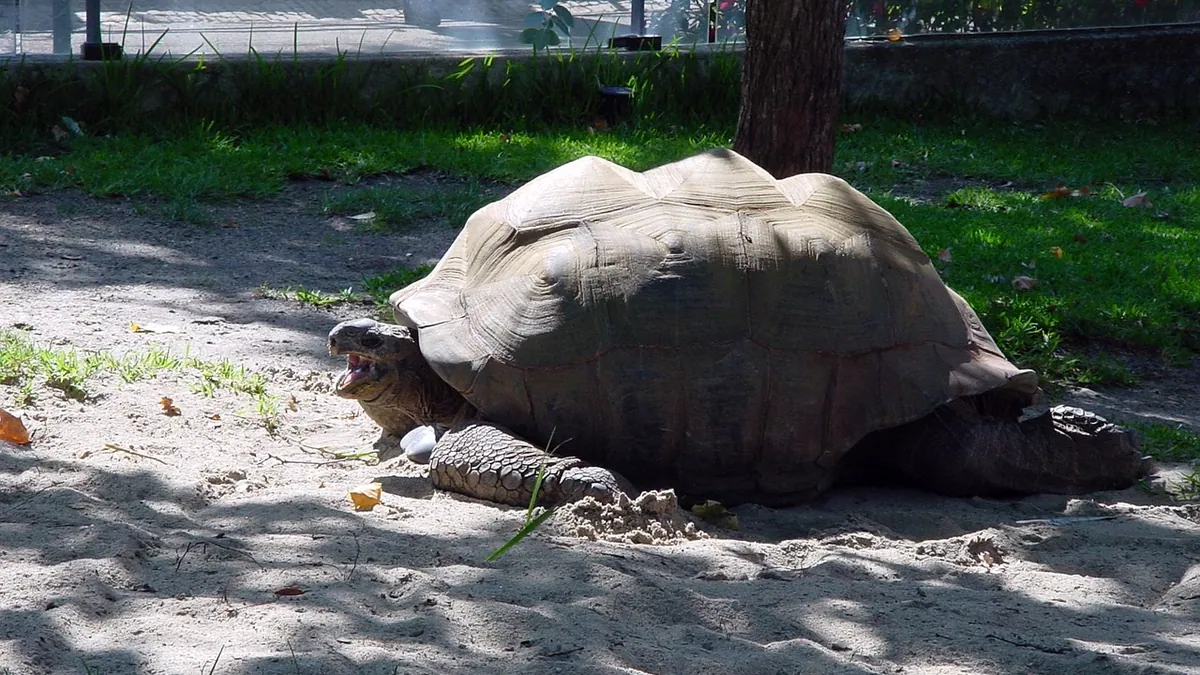
Diarrhea in a tortoise means the droppings are watery, loose, or unformed instead of firm and dark. If my tortoise has diarrhea, the most common reasons are a diet that is too rich or too watery, intestinal parasites, and bacterial infections of the gut. A single soft stool is often minor, but repeated loose stool, weight loss, or a sluggish tortoise needs veterinary attention.
This article is educational and is not a substitute for veterinary diagnosis or treatment.
Quick Answer
- Occasional soft stool after fruit, lettuce, or a diet change is common and often settles once you correct the diet.
- True diarrhea that lasts more than a day or two, or that comes with weight loss, is a medical problem, not a feeding problem.
- Reptiles can carry Salmonella and other gut bacteria that spread to people, so wash your hands after every contact and never clean the enclosure in a kitchen sink [1][2].
- Dehydration makes loose stool worse, so offer shallow, clean water and a lukewarm soak while you sort out the cause.
- Blood, black tar-like stool, vomiting, or a tortoise that stops eating is a same-day or emergency vet visit.
What Loose Stool Looks Like and What Is Normal
Healthy tortoise droppings are usually soft but formed. They hold a shape, are dark brown to greenish depending on diet, and pass with a small amount of white or cream-colored urate (the chalky part of urine). The stool should not be runny enough to spread across the enclosure floor.
A normal tortoise also eats well, moves around, holds its head up, and has clear eyes and nostrils. If your tortoise is passing loose stool but still active and eating, the problem may be mild. If the stool is watery, foul, or frequent, and the tortoise seems dull, the picture changes.
One important point about the word "diarrhea." Owners often use it for any soft stool. In reptiles, a single loose dropping after a new food is different from ongoing diarrhea with mucus, blood, or weight loss. The pattern and the tortoise's overall condition matter more than any one stool.
Why Is My Tortoise Having Diarrhea? The Main Causes
Loose stool in tortoises comes from three broad groups of problems: what they eat, what lives in their gut, and how they are housed. Sometimes more than one is involved.
Dietary Causes
Diet is the most common and most fixable cause. Tortoises are herbivores or omnivores depending on species, and many are fed too much fruit, too much lettuce, or a diet that is far too watery. Fruit is high in sugar and water, and it pulls fluid into the gut. Iceberg lettuce and similar watery greens do the same.
A sudden switch to a new food can also trigger loose stool. So can overfeeding, which pushes food through the gut faster than it can be properly digested. If your tortoise had a normal stool yesterday and a loose one today after a big fruit meal, diet is the likely culprit.
Low fiber is another factor. Grass, hay, weeds, and fibrous greens keep the gut moving at the right pace. A diet built on soft, wet foods tends to produce soft, wet stool.
Parasites
Intestinal parasites are a common cause of ongoing loose stool in tortoises. Pinworms, coccidia, and other gut organisms can irritate the intestinal lining and produce diarrhea that comes and goes. Many tortoises carry some parasites without signs, and problems appear when the load grows or the tortoise is stressed.
Parasites are more likely if your tortoise came from a pet store, a rescue, or a breeder with many animals, or if it spends time outdoors where it can pick up eggs from the soil. A fecal test is the only way to know for sure.
Bacterial and Other Infections
Bacterial enteritis (inflammation of the intestine) is a serious cause of diarrhea in reptiles. These infections are commonly caused by Gram-negative bacteria, and some of these organisms can also infect people [3]. A fatal case of fibrinonecrotic enteritis in a red-footed tortoise involved coinfection with Klebsiella oxytoca and Granulicatella adiacens, and the authors noted that G. adiacens had not previously been reported in reptiles, suggesting an unexplored zoonotic risk [3].
Salmonella is a well-known reptile-associated bacterium. A pediatric case of Salmonella Poona bacteremia was linked to a pet turtle, with identical bacterial strains found in the child and the turtle, and the tank was routinely cleaned in the household kitchen sink [1]. Another report described Salmonella Monschaui infection in a three-week-old boy traced to bearded dragons kept in the home [2]. In snakes, Salmonella enterica subsp houtenae has been linked to life-threatening fibrinonecrotic enteritis [4].
Yersinia enterocolitica, a bacterium that causes enteritis in people and animals, was isolated for the first time from a sea turtle that arrived dehydrated and emaciated and died despite supportive care [5]. This shows that gut bacteria in reptiles can cause severe disease, not just mild loose stool.
Table: Causes at a Glance
| Cause | Typical clues | How urgent |
|---|---|---|
| Diet (fruit, watery greens, overfeeding) | Loose stool after a meal or diet change, tortoise otherwise bright | Routine, fix diet first |
| Low fiber | Soft stool, good appetite, indoor diet of soft foods | Routine |
| Parasites | Ongoing or recurring loose stool, poor growth, soil or group exposure | Routine to urgent |
| Bacterial enteritis | Watery or bloody stool, foul smell, lethargy, not eating | Urgent, same day |
| Salmonella or Yersinia infection | Diarrhea with weight loss, dehydration, dull behavior | Urgent, same day |
| Dehydration or stress | Loose stool plus dry eyes, sunken look, recent move or temperature drop | Urgent if severe |
Red Flags That Make It an Emergency
Some signs mean you should not wait. Contact a veterinarian the same day, or go to an emergency clinic, if you see any of these.
- Blood in the stool, or stool that looks black and tar-like.
- Vomiting, or a tortoise that keeps opening its mouth and straining.
- A tortoise that stops eating for more than a day or two.
- Weight loss you can see or feel (a sunken look around the eyes and hips).
- Swollen or sunken eyes, dry skin, or a tortoise that feels light and hollow.
- Diarrhea that lasts more than 48 hours, or that gets worse instead of better.
- Any diarrhea in a very small, very young, or newly acquired tortoise.
Young and small tortoises dehydrate fast. A tortoise that was fine yesterday and is limp today is an emergency.
Safe Things You Can Do at Home While You Wait
You can support your tortoise at home while you arrange a vet visit. These steps do not replace diagnosis, but they reduce risk.
Fix the Diet First
Stop all fruit, and stop watery greens like iceberg lettuce. Offer fibrous foods that suit your species, such as dark leafy greens, grasses, weeds, and hay for grazing species. Keep portions reasonable. A tortoise that is eating a proper diet often firms up within a few days.
Make changes slowly. A sudden switch can itself cause loose stool, so blend old and new foods over about a week.
Support Hydration
Offer a shallow dish of clean, fresh water at all times. A lukewarm soak in a shallow container, with the water level below the chin, helps many tortoises drink and rehydrate. Keep the soak short and supervised, and never leave a tortoise unattended in water.
If your tortoise is weak or cannot hold its head up, do not soak it. Call the vet instead.
Check the Basics
Review temperature, lighting, and enclosure cleanliness. A tortoise that is too cool digests food poorly, which can lead to loose stool. Clean the enclosure daily, remove spoiled food, and wash your hands thoroughly after handling your tortoise or its equipment. Never clean the tank or its contents in a kitchen sink or anywhere you prepare food [1].
Do Not Guess at Medication
Do not give human diarrhea medicine, antibiotics, or dewormers to a tortoise. The dose and the drug depend on the species, weight, and cause. A veterinarian calculates the dose from your pet's weight and health. Wrong treatment can make things worse and can harm you if the product is not handled safely.
If you keep other pets, you may find useful background in these articles on diarrhea in other species: Cat Diarrhea: Causes, Home Care, and When to Worry and Kitten Diarrhea: Causes, Safe Home Care, and Emergency Signs. The causes differ by species, but the principle is the same: loose stool has many possible sources, and testing beats guessing.
What Your Veterinarian Will Check and Test
A reptile-experienced veterinarian will start with a full history. Be ready to describe the diet, the enclosure temperature, how long the diarrhea has lasted, and whether the tortoise is eating and active.
The physical exam checks body condition, hydration, eyes, mouth, shell, and vent. The vet may weigh your tortoise, since weight trends tell a lot about gut health.
Common tests include:
- Fecal exam for parasites, eggs, and bacterial overgrowth.
- Fecal culture or PCR testing when a bacterial cause is suspected, since organisms like Salmonella, Klebsiella, and Yersinia can be involved [3][5][1].
- Blood work to check hydration, organ function, and infection markers.
- Imaging if the vet suspects a blockage, mass, or organ problem.
Treatment depends on the findings. Parasites are treated with species-appropriate antiparasitic drugs. Bacterial infections may need antibiotics chosen for the specific organism. Supportive care often includes fluids, warmth, and a corrected diet. Your vet will calculate any drug dose based on your tortoise's weight and condition.
Prevention and Monitoring
Prevention is mostly about diet, hygiene, and observation.
Feed a species-appropriate, high-fiber diet. Keep fruit as a rare treat, if at all. Provide clean water daily and a temperature gradient so your tortoise can digest properly.
Wash your hands with soap and water after every contact with your tortoise, its enclosure, or its equipment. Keep reptiles out of kitchens, bathrooms, and any area where food is prepared or where infants and young children crawl [1][2]. Supervise children around reptiles and do not let them kiss or mouth the animal.
Quarantine any new tortoise away from your existing pets for at least several weeks, and have a fecal test done before introducing it. Weigh your tortoise monthly and write it down. A slow drop in weight often shows up before obvious diarrhea.
If loose stool returns after you fix the diet, or if it never fully resolves, get a fecal test. Recurring diarrhea usually means an underlying cause that diet alone will not fix.
Limitations and When to Contact a Veterinarian
This article covers common patterns, but every tortoise is an individual. A veterinarian needs to examine your pet to know what is actually going on.
Contact a veterinarian the same day if diarrhea lasts more than 48 hours, if your tortoise is eating less, or if you see mucus or a bad smell in the stool. Go to an emergency clinic now if there is blood or black stool, vomiting, collapse, or a tortoise that cannot hold its head up. Book a routine visit for mild, occasional soft stool that improves with diet changes, and for any new tortoise that has not had a fecal test.
Frequently Asked Questions
Should I stop feeding my tortoise if it has diarrhea?
No, do not withhold food unless your veterinarian tells you to. Instead, remove fruit and watery greens and offer fibrous, species-appropriate foods. Fasting a small or weak tortoise can cause more harm than the diarrhea itself.
Can my tortoise give diarrhea to my family?
Yes, reptiles can pass Salmonella and other gut bacteria to people through direct contact or contaminated surfaces. A confirmed case linked a pet turtle to Salmonella Poona infection in a child, and the tank was cleaned in the kitchen sink [1]. Wash your hands after contact and keep reptile equipment out of food areas.
How long does diet-related loose stool take to clear up?
Mild diet-related loose stool often improves within a few days of correcting the food. If it has not improved after about 48 hours, or if your tortoise seems dull or is losing weight, see a veterinarian. Ongoing diarrhea points to parasites or infection, which diet changes will not fix.
Is honey or pumpkin safe to give for diarrhea?
There is no reliable evidence that home remedies like honey or pumpkin treat diarrhea in tortoises, and sugary foods can make loose stool worse. Offer clean water and a proper diet instead. Any medication should come from a veterinarian who has examined your tortoise.
Can a tortoise with diarrhea still be handled?
Yes, but wash your hands thoroughly with soap and water right after handling, and clean anything the tortoise touched. Keep handling to a minimum while it is unwell, and keep it away from young children, elderly people, and anyone with a weakened immune system. If you also keep cats, this article on Cat Diarrhea with Worms: Causes and Treatment Options explains how parasites can spread between pets and their environment.
Related Articles
- Do Tortoises Poop? Normal Stool and Warning Signs
- Why Is My Tortoise Lethargic? Causes and When to Worry
- Why Is My Tortoise Eating Dog Poop? Risks and Fixes
References
- Pediatric Salmonella Poona gastroenteritis with bacteremia linked to exposure to a pet turtle: a case report. Journal of rural medicine : JRM, 2026.
- Case Report: Non-typhoidal Salmonella infections transmitted by reptiles and amphibians. Frontiers in pediatrics, 2023.
- Coinfection of Klebsiella oxytoca and Granulicatella adiacens promoting fatal fibrinonecrotic enteritis in a red footed-tortoise (Chelonoidis carbonaria). Topics in companion animal medicine, 2025.
- Fibrinonecrotic enteritis and orchitis associated with Salmonella enterica subsp houtenae infection in a short-tailed boa (Boa constrictor amarali). Journal of comparative pathology, 2024.
- First Isolation of Yersinia enterocolitica From a Sea Turtle: A Case Report in Caretta caretta. Veterinary medicine and science, 2026.