Why Is My Tortoise Always Sleeping? Causes and Concerns
By Dr. Zubair Khalid, DVM, MS, PhD ·
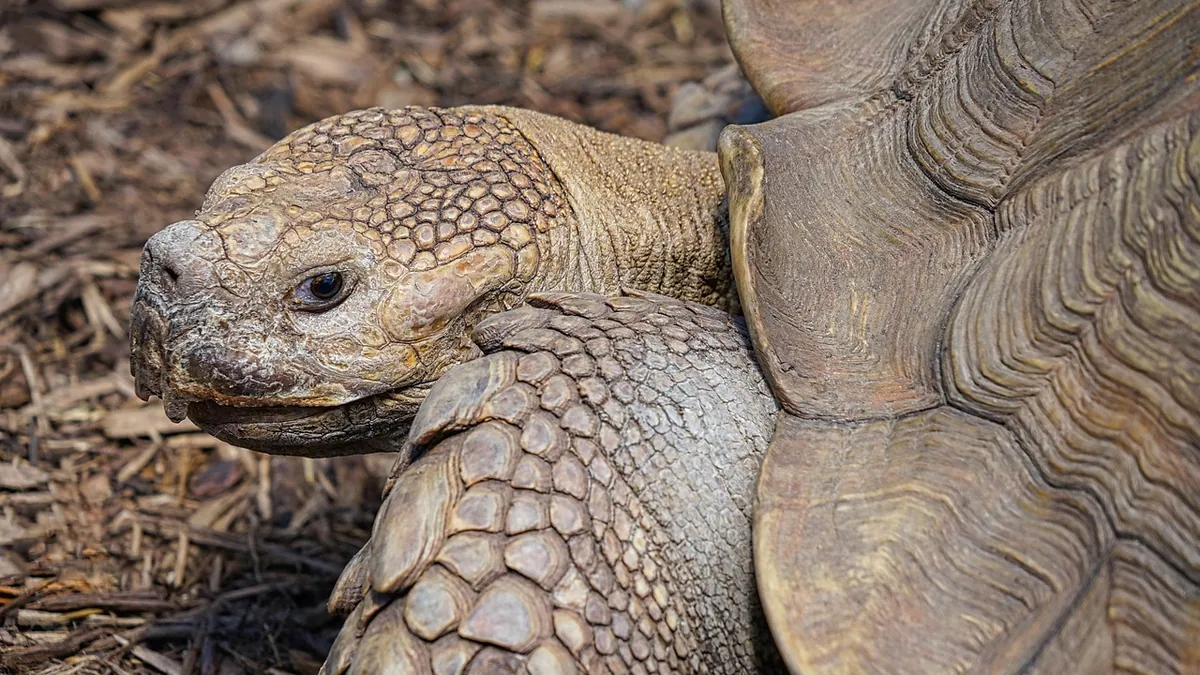
If your tortoise is sleeping far more than usual, the first question is whether this is normal winter slowdown or a sign of illness. Healthy tortoises sleep a lot by nature, but a sudden change in sleep combined with not eating, weight loss, or discharge points to a problem. This article is educational and is not a substitute for veterinary diagnosis or treatment.
Quick Answer
- A tortoise that sleeps more in cool weather, eats less, and stays otherwise responsive is often entering brumation, a normal seasonal slowdown.
- True lethargy means the tortoise is hard to wake, limp, or unresponsive even when warm, and that is a medical concern.
- Stop offering food if your tortoise is cooling down for brumation, because undigested food can rot in the gut.
- Weigh your tortoise weekly and write down the number, since weight loss is one of the clearest early warning signs.
- Call an exotic or reptile veterinarian the same day if your tortoise will not wake up, has trouble breathing, or has swollen eyes.
What Sleeping a Lot Looks Like in Tortoises and Turtles
Normal sleep in a tortoise looks like this. The tortoise tucks its head and legs in, closes its eyes, and rests in a hide or burrow. When you warm it up or offer food, it wakes within a few minutes and moves around. It may sleep 12 to 16 hours a day in cool weather and less in summer.
Abnormal sleep looks different. The tortoise stays floppy when you pick it up. Its eyes stay closed even when you place it under a warm basking light. It does not lift its head. It may sit in the open instead of hiding, which is unusual for a prey animal. This is lethargy, and it needs veterinary attention.
Turtles show the same pattern. If your turtle is always sleeping and no longer basking, swimming, or eating, that is a change worth investigating. A turtle that floats sideways, sinks, or stays on the basking dock all day is also showing a warning sign.
Brumation Is Not the Same as Hibernation
Brumation is the reptile version of hibernation. The animal's metabolism drops, body temperature falls, and it stops eating. During brumation, a Chinese soft-shelled turtle shows reduced fat cell size, lower liver fat stores, and lower blood levels of triglycerides, cholesterol, and fatty acids [1]. This is a normal energy-saving shift, not a disease.
Snakes show similar metabolic changes during hibernation, including shifts in how they process tryptophan through gut bacteria [2]. The takeaway for tortoise owners is simple. A slow, cool, sleeping reptile in winter is often doing exactly what its body is built to do.
Why Is My Tortoise Always Sleeping? The Main Causes
| Cause | Typical clues | How urgent |
|---|---|---|
| Brumation (normal) | Cool temperatures, seasonal timing, wakes when warmed, steady weight | Routine, plan ahead |
| Temperature too low | Cool enclosure, no basking, slow to wake | Fix today, monitor |
| Dehydration | Sunken eyes, dry skin, no urates, poor appetite | Same day |
| Respiratory infection | Bubbles from nose, open-mouth breathing, wheezing | Same day |
| Kidney or urinary disease | Lethargy, anorexia, dehydration, abnormal swelling | Same day |
| Reproductive disease in females | Lethargy, not eating, swollen coelom, straining | Same day |
| Parasites or gut impaction | Weight loss, no stool, bloated belly | Same day |
| Metabolic bone disease | Soft shell, tremors, weak legs | Same day |
Brumation and Cool Temperatures
The most common reason a tortoise sleeps a lot is temperature. Reptiles cannot make their own body heat, so a cold tortoise becomes a slow tortoise. If your basking spot is too cool or your heat lamp burned out, your tortoise will sleep more and eat less.
Check your temperatures with a digital thermometer at both the basking spot and the cool end. Each species has its own range, so look up the correct numbers for your tortoise. If the enclosure is too cold, fix it before you assume your tortoise is sick.
Illness That Looks Like Sleepiness
Lethargy is one of the most common signs of illness in reptiles, and it shows up in many different diseases. A Russian tortoise with a urothelial carcinoma (a rare kidney cancer) was brought in with a one-week history of anorexia and lethargy, along with significant dehydration and abnormal shedding [3]. Blood work was normal, and the problem was only found with imaging and surgery [3]. This is why a physical exam alone is often not enough.
Female turtles can also become lethargic from reproductive problems. A 14-year-old red-eared slider was presented with inappetence and lethargy for about two weeks, and testing found ovarian torsion with inflammation in the coelom [4]. She needed surgery to remove the affected reproductive tract [4]. A female tortoise or turtle that is sleepy, not eating, and has a swollen belly needs prompt care.
Dehydration and Poor Husbandry
Dehydration is a hidden cause of sleepiness. A tortoise that does not have fresh water, does not get soaked, or lives in air that is too dry will slow down. Sunken eyes, dry flaky skin, and chalky or absent urates are clues.
Poor shedding is another sign. The Russian tortoise in the case above had generalized dysecdysis, which means shedding was not happening normally [3]. If your tortoise has stuck shed, patchy skin, or a dull shell, review your humidity and soaking routine.
Parasites, Impaction, and Diet Problems
Gut parasites, swallowed substrate, and low-fiber diets can all make a tortoise sluggish. A tortoise that has not passed stool in over a week, has a bloated belly, or strains without producing anything may have an impaction. This is a same-day problem.
Diet matters too. A tortoise fed mostly fruit, dog food, or pellets with too much protein can develop kidney and shell problems over time. These changes are slow, and sleepiness may be the first thing you notice.
Red Flags That Mean Emergency
Call an emergency exotic veterinarian right away if you see any of these:
- The tortoise will not wake up even when warmed.
- Breathing is open-mouthed, noisy, or labored.
- There is discharge from the nose or mouth.
- The shell is soft, cracked, or has a foul smell.
- The tortoise is straining to pass an egg or stool with no result.
- There is blood in the stool or around the vent.
- The tortoise has been flipped on its back and cannot right itself.
- The body feels cold and the tortoise is limp.
If you are not sure whether it is an emergency, call your veterinarian. A short phone call is cheaper than a missed diagnosis.
Safe Things You Can Do at Home While You Wait
You can do a few simple things before your appointment. Do not give any medication unless your veterinarian prescribes it.
- Warm the enclosure to the correct range for your species. Use a reliable heat source and check it with a thermometer.
- Offer a shallow soak in lukewarm water for 10 to 15 minutes. Keep the water level below the chin so the tortoise does not inhale water.
- Stop offering food if your tortoise is cooling for brumation. If it is warm and awake, offer its normal diet in small amounts.
- Weigh your tortoise on a kitchen scale and write down the number. Bring this record to the visit.
- Take photos of the enclosure, the basking area, and any abnormal droppings or discharge.
Do not force-feed your tortoise. Do not use a heat rock, which can burn the shell. Do not raise the temperature suddenly, because a fast change can stress a sick reptile.
If you keep other pets, remember that sleep changes can signal illness in many species. The same careful observation you use for your tortoise is useful for dogs and cats, whether you are tracking why your dog sleeps so much or watching for a cat that urinates frequently.
What Your Veterinarian Will Check and Test
Your veterinarian will start with a full history. Bring your temperature records, weight log, diet details, and photos of the enclosure. Small details about lighting, substrate, and supplements often explain the problem.
The physical exam includes checking the eyes, mouth, nares, shell, skin, and vent. The veterinarian will palpate the coelom (the reptile belly) for masses, fluid, or eggs. They will check for dehydration by looking at the eyes and skin.
Common tests include:
- Blood work to check organ function, hydration, and infection.
- Radiographs (X-rays) to look for eggs, masses, bladder stones, or impaction.
- Ultrasound to examine soft tissue and reproductive organs.
- Fecal testing for parasites.
- Advanced imaging such as CT or MRI if a mass is suspected.
The Russian tortoise case shows why imaging matters. Blood parameters were all within normal limits, yet the tortoise had a large kidney tumor that was only found with radiography, ultrasound, CT, and MRI [3]. The red-eared slider case is similar. Radiographs showed no changes, and ultrasound and CT were needed to find the ovarian torsion [4].
Treatment depends on the diagnosis. It may include fluids, antibiotics, deworming, surgery, or changes to heat and lighting. Your veterinarian will calculate any medication dose based on your tortoise's weight and health, so never use a dose from the internet.
Preventing Sleep Problems Before They Start
Good husbandry prevents most cases of abnormal sleepiness. Set up the enclosure correctly from day one, and check it often.
- Match the temperature gradient to your species. Warm end for basking, cool end for resting.
- Provide the right UVB light and replace bulbs on the schedule the manufacturer gives.
- Offer fresh water daily and soak your tortoise regularly.
- Feed a high-fiber, species-appropriate diet with correct calcium and vitamin supplements.
- Keep humidity in the right range to support normal shedding.
- Weigh your tortoise every one to two weeks and log the number.
- Clean the enclosure and remove spoiled food and waste.
- Quarantine any new reptile before introducing it to your collection.
If you keep multiple pets, the habit of tracking small changes pays off. The same attention that helps you notice a dog limping after sleeping or a dog scooting will help you catch a problem in your tortoise early.
Limitations and When to Contact a Veterinarian
This article cannot tell you what is wrong with your specific tortoise. Only a veterinarian who examines your animal can do that. Individual cases need a veterinarian, and reptiles often hide illness until they are very sick.
Contact your veterinarian the same day if your tortoise is lethargic, not eating, losing weight, or has discharge from the nose or eyes. Go to an emergency clinic now if your tortoise is unresponsive, gasping, bleeding, or straining to lay eggs. Schedule a routine visit if you are planning brumation, if you just got a new tortoise, or if you want a baseline health check before winter.
Frequently Asked Questions
How long can a tortoise sleep normally?
A healthy tortoise may sleep 12 to 16 hours a day, and more in cool weather or during brumation. The key is whether it wakes and responds when warmed. If it stays asleep for days and will not wake, that is not normal.
Is it normal for my turtle to sleep all day?
Some turtles rest a lot, especially when water is too cold or lighting is wrong. If your turtle is always sleeping and has stopped basking, swimming, or eating, have it checked. A turtle that floats oddly or stays on the dock all day needs a vet visit.
Can brumation look like death?
Yes, a brumating tortoise can look still and cold, and it may not respond quickly. A truly brumating tortoise will still react to gentle warming and handling. If it stays limp and unresponsive even when warm, treat it as an emergency.
What should I feed a sleepy tortoise?
If your tortoise is warm and awake, offer its normal high-fiber diet in small amounts. If it is cooling for brumation, stop feeding it, because food can sit undigested in the gut. Ask your veterinarian for a specific plan for your species.
When should I worry about tortoise lethargy?
Worry when lethargy comes with not eating, weight loss, discharge, swollen eyes, or a soft shell. Worry also if the tortoise does not wake when warmed. These signs mean a same-day veterinary visit, not a wait-and-see approach.
Related Articles
- Why Is My Tortoise Sleeping So Much? Lethargy Causes
- Why Is My Tortoise Sleeping a Lot? Normal vs Concerning
- Why Is My Tortoise Lethargic? Causes and When to Worry
References
- Analysis of Lipid Metabolism in Adipose Tissue and Liver of Chinese Soft-Shelled Turtle Pelodiscus sinensis During Hibernation. International journal of molecular sciences, 2024.
- Seasonal Plasticity in Tryptophan Metabolism Provides New Insights Into Physiological Adaptation in Snake Hibernation. Ecology and evolution, 2025.
- Urothelial carcinoma in a Russian tortoise (Testudohorsfieldii). Journal of comparative pathology, 2023.
- Partial unilateral ovarian torsion in a red-eared slider turtle (Trachemys scripta elegans). Frontiers in veterinary science, 2025.