Why Is My Tortoise Head Bobbing? Meaning and Causes
By Dr. Zubair Khalid, DVM, MS, PhD ·
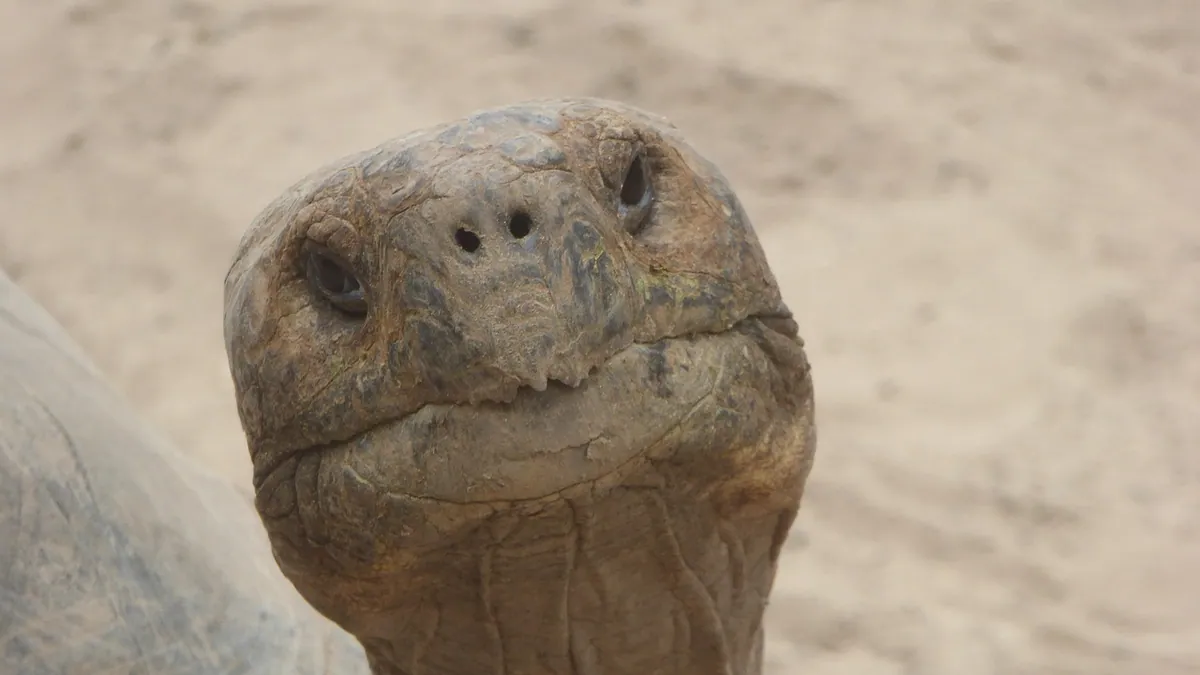
Why is my tortoise head bobbing? In most cases, a tortoise bobs its head to communicate, to court a mate, or to assert itself, and the motion is completely normal. Sometimes, though, head bobbing is a sign that something is wrong with the ears, the nose, or the lungs. This article is educational and is not a substitute for veterinary diagnosis or treatment.
Quick Answer
- A slow, deliberate up and down bob, often with a stretched neck, is usually a greeting, a dominance display, or male courtship.
- A male may bob at a female, at another male, or even at your hand or shoe during breeding season.
- Fast, jerky, or one-sided head movements, especially with open-mouth breathing, bubbles from the nose, or a whistling sound, point toward illness.
- Head bobbing is not a treatment for anything. If your tortoise also has a soft shell, swollen eyes, or no appetite, book a veterinary visit.
- Never punish the behavior. It is a normal part of tortoise body language, and punishment only adds stress.
Normal Reasons a Tortoise Bobs Its Head
Tortoise head movement is a form of body language. Tortoises have limited vocal range, so they rely on posture, neck extension, and head motion to send messages. A head bob is one of the clearest signals they give.
Courtship and Mating Behavior
Tortoise mating behavior is the most common reason owners notice head bobbing. In many species, the male approaches the female, extends his neck, and bobs his head rapidly up and down. He may also ram her shell, circle her, or bite at her legs. This is normal breeding behavior and does not mean either tortoise is in pain.
Males often bob at other males too. In that context, the bob is a challenge. It says, "this is my space." Two males may bob, circle, and ram each other until one backs down. If they cannot be separated, injuries can happen, so watch closely during introductions.
Some males bob at objects, including rocks, food bowls, and your shoes. The behavior is driven by hormones and by the sight of another shell, not by logic. A male in breeding season may bob at almost anything.
Communication and Social Signaling
Head bobbing also works as a greeting. A tortoise may bob when it sees a familiar person or a familiar tank mate. The motion is often slower and calmer than courtship bobbing. Some owners describe it as a nod.
Tortoises may bob to warn another tortoise away from food or a basking spot. This is a low-level threat. If the other tortoise moves off, the conflict ends there.
Scent Sampling and Sensory Behavior
Tortoises use their noses and mouths to explore the world. When a tortoise stretches its neck and bobs, it may be sampling air currents to locate food or a mate. Head movement helps an animal gather scent and visual information from different angles, a pattern seen across many species that scan their surroundings by moving the head [1]. In turtles, natural head movements produce accelerations that are larger and faster than researchers once assumed, which shows how much sensory information a simple bob can generate [2].
Temperature and Comfort
A tortoise may lift and lower its head while adjusting to temperature. Basking tortoises sometimes bob gently as they settle. This is not a sign of disease on its own.
Medical Causes to Rule Out
Not every bob is normal. When head movement looks different from your tortoise's usual pattern, think about health first.
Respiratory Infection
A tortoise respiratory sign is one of the most important things to check. Respiratory infections are common in captive tortoises, especially when temperatures are too low or humidity is wrong. Signs include:
- Open-mouth breathing
- Bubbles or discharge from the nose
- Wheezing, whistling, or clicking sounds
- A stretched neck held high for long periods
- Lethargy and loss of appetite
A tortoise with a respiratory infection may bob or pump its head as it struggles to breathe. This is different from a calm courtship bob. If you see any of these signs, treat it as urgent. Breathing problems in pets often show up as unusual movement of the head or tail, which is why a bobbing tail in a bird is also treated as a warning sign worth checking (Why Is My Bird Tail Bobbing? Breathing Warning Signs).
Ear and Vestibular Problems
The inner ear controls balance. In turtles, the vestibular system detects head motion and gravity, and its structure is finely tuned to the way the head moves in normal life [2]. When that system is damaged by infection, injury, or a middle ear abscess, a tortoise can develop a head tilt, circling, or abnormal bobbing. The vestibular nerve carries information about head motion and gravity to the brain, and different nerve fiber types handle different reflexes [3]. A one-sided bob or a persistent tilt is a reason to see a veterinarian.
Neurologic Disease
Head tremors, twitching, or jerky bobbing can come from neurologic problems. Causes include vitamin deficiencies, toxin exposure, trauma, and infections. Neurologic signs rarely appear alone. Look for trouble walking, flipping over, or trouble eating.
Pain or Discomfort
A tortoise in pain may hold its head in an odd position or move it repeatedly. Shell damage, constipation, egg binding, and abscesses can all cause discomfort. If the bob started suddenly and your tortoise seems off, get it checked.
Nutritional and Metabolic Problems
Poor diet and poor lighting cause metabolic bone disease and other deficiencies. Weak muscles and soft shell can change how a tortoise holds and moves its head. Correcting the diet and the ultraviolet light setup matters, but a veterinarian should confirm the diagnosis first.
When Head Bobbing Becomes a Problem
Ask yourself three questions.
- Is the motion new? A tortoise that has bobbed the same way for years is probably fine. A tortoise that started bobbing last week needs a closer look.
- Does it happen only in specific situations? Bobbing at a mate or at a rival is normal. Bobbing while sitting alone with its mouth open is not.
- Are there other signs? Discharge, weight loss, appetite changes, and shell changes all raise concern.
A useful rule is to compare your tortoise to itself. You know its normal behavior better than anyone. If the pattern changed, act on it.
What to Do Step by Step
Step 1: Observe and Record
Watch your tortoise for a few minutes at different times of day. Note when the bobbing happens, how fast it is, and what else is going on. Take a short video. A veterinarian can learn a lot from a 30-second clip.
Step 2: Check the Basics
Review the enclosure.
- Temperature gradient: a warm basking zone and a cooler zone
- Humidity: correct for your species
- Lighting: UVB bulb that is not expired
- Substrate: clean and appropriate
- Water: fresh and easy to reach
Respiratory problems often start with a cold, damp, or poorly ventilated setup. Fixing the environment supports recovery, but it does not replace treatment.
Step 3: Separate Tortoises if Needed
If two males are bobbing and ramming, separate them. If a male is harassing a female constantly, give her a break. Chronic stress weakens the immune system and makes illness more likely.
Step 4: Support Eating and Hydration
Offer favorite foods and a shallow soak in lukewarm water. Do not force food or water into the mouth. If your tortoise will not eat for more than a few days, call a veterinarian.
Step 5: Book a Veterinary Visit
A reptile veterinarian can examine the nose, mouth, ears, and lungs, and can take samples if needed. Do not start antibiotics on your own. The dose and the drug depend on the species, the weight, and the diagnosis, and your veterinarian calculates the dose from your pet's weight and health.
What Not to Do
- Do not punish the behavior. Spraying, tapping, or moving the tortoise as a correction adds stress and can make illness worse.
- Do not assume every bob is mating behavior. A sick tortoise can bob too.
- Do not use over-the-counter medications meant for fish, birds, or mammals.
- Do not raise the temperature far above the correct range for your species. Overheating is dangerous.
- Do not ignore a tortoise that stops eating. Appetite loss in reptiles is a serious sign.
- Do not rely on internet videos to diagnose your pet. Behavior looks different in person.
When to Involve a Veterinarian or Behavior Professional
Call a veterinarian who treats reptiles if you see any of these:
- Open-mouth breathing or gasping
- Bubbles, mucus, or blood from the nose or mouth
- A head tilt that does not go away
- Tremors, twitching, or seizures
- Not eating for several days
- Weight loss or a soft shell
- Swelling around the ears or eyes
- Sudden change in behavior
A certified behavior professional can help if the bobbing is normal but the tortoises are fighting. In many cases, the answer is more space, visual barriers, and separate enclosures.
If you are comparing head movements across species, the same logic applies to dogs. Head shaking in dogs has its own list of causes, from ear infections to allergies (Dog Shaking Head Causes). The principle is the same: a new, repetitive head movement deserves a checkup.
Limitations and When to Contact a Veterinarian
This article cannot tell you what is happening with your specific tortoise. Only a veterinarian who examines your pet can do that. Individual cases need a veterinarian, and the timing matters.
Contact a veterinarian the same day if your tortoise has:
- Open-mouth breathing at rest
- Nasal discharge
- A head tilt or circling
- A sudden change in appetite
Go to an emergency clinic now if your tortoise has:
- Trouble breathing with the neck stretched out
- Collapse or unresponsiveness
- Seizures
- Severe bleeding or a crushed shell
Schedule a routine visit if the bobbing is new but your tortoise is eating, moving, and behaving normally. A baseline exam is cheap insurance. Bring photos of the enclosure and a note about temperatures and lighting.
Frequently Asked Questions
Is head bobbing in tortoises always a sign of mating?
No, but mating is the most common reason. Males bob during breeding season at females, other males, and objects. Females and juveniles can bob too, usually as a greeting or a warning.
Can a tortoise bob its head because it is sick?
Yes. Respiratory infections, ear disease, and neurologic problems can all change head movement. If the bob comes with discharge, open-mouth breathing, or a head tilt, see a veterinarian.
Should I separate my tortoises if one keeps bobbing?
Separate them if the bobbing leads to ramming, biting, or mounting that will not stop. Constant harassment causes stress and injury. Visual barriers and separate enclosures are often the simplest fix.
Does head bobbing mean my tortoise is happy?
Not exactly. Head bobbing is communication, not an emotion. A calm bob at feeding time may look friendly, but the behavior itself means your tortoise is reacting to something in its environment.
Can I stop my tortoise from bobbing its head?
You cannot and should not stop normal bobbing. You can reduce triggers by separating rival males and giving females space. If the bobbing is caused by illness, treating the illness is the only way to resolve it.
Related Articles
- Why Is My Bearded Dragon Bobbing His Head? Meaning and Causes
- Why Is My Tortoise's Throat or Neck Moving?
- Why Is My Turtle or Tortoise Making Noises?
References
- Hawk eyes II: diurnal raptors differ in head movement strategies when scanning from perches. PloS one, 2010.
- Multiscale modeling of mechanotransduction in the utricle. Journal of neurophysiology, 2019.
- Functional Contributions of Quantal and Nonquantal Hair Cell Synaptic Transmission in the Vestibular Periphery. The Journal of neuroscience : the official journal of the Society for Neuroscience, 2026.