Bearded Dragon Not Head Bobbing: Is It Normal?
By Dr. Zubair Khalid, DVM, MS, PhD ·
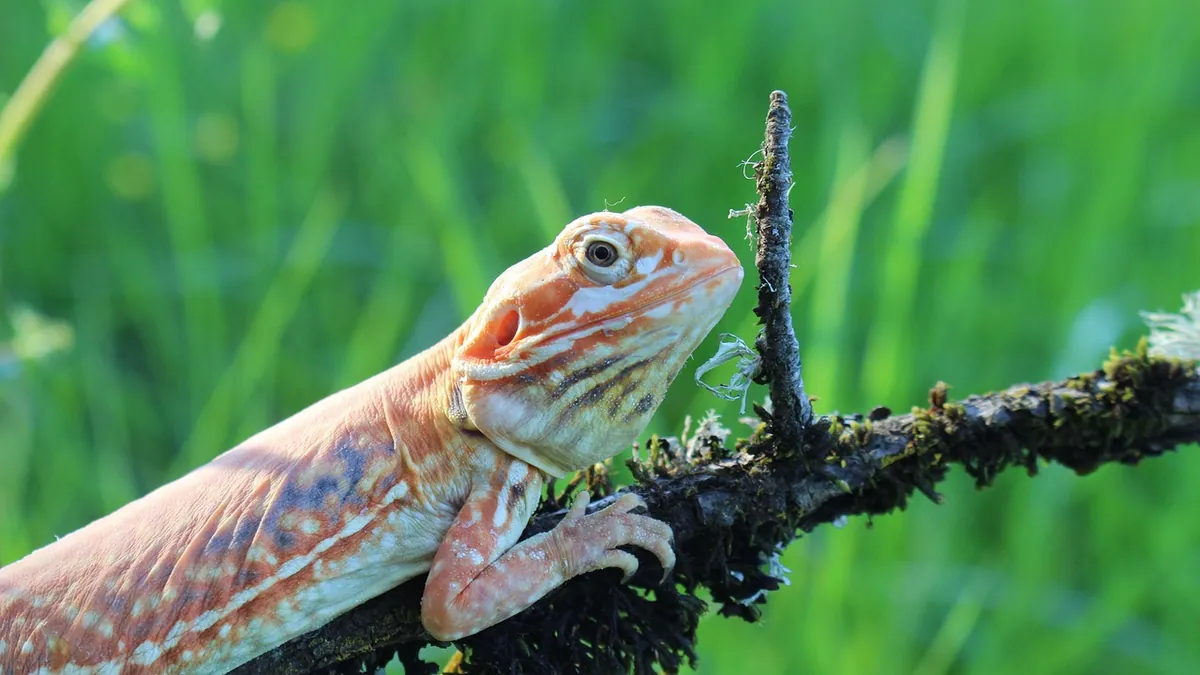
If your bearded dragon never bobs his head, that is usually normal. Head bobbing is a social and reproductive signal, not a sign of health or a behavior every dragon performs. Many healthy bearded dragons, especially females and some males, rarely or never bob.
This article is educational and is not a substitute for veterinary diagnosis or treatment.
Quick Answer
- Head bobbing is a communication behavior used mostly for courtship and dominance, so it is not required for good health [1].
- Females often never bob, and many males bob rarely or only during breeding season.
- A dragon that never bobs but eats well, basks, moves around, and has normal droppings is generally doing fine.
- The behaviors that matter more for wellbeing are appetite, activity, basking, shedding, and normal stool.
- If a dragon that used to bob stops, or if it also shows lethargy, weight loss, or appetite loss, see a veterinarian.
Why Bearded Dragons Bob Their Heads
Head bobbing is one of the most recognizable bearded dragon behaviors. A dragon raises its head and moves it up and down in a quick, repeated motion. Owners often describe it as a nod or a series of fast nods.
This behavior is a social signal. In male reptiles, courtship and display behaviors are driven by hormones, including sex steroids and the neurohormone arginine vasotocin [1]. Head bobbing fits into that system. It is a way of saying "I am here" or "this is my space" to another dragon.
Head Bobbing Meaning in Context
The meaning depends on what else the dragon is doing.
- A slow, deep bob with a black beard often signals dominance or a challenge.
- A fast, repeated bob toward a female is usually courtship.
- A bob at a mirror or at you may be a territorial display.
- A bob followed by arm waving is often a submissive response from the other dragon.
Arm waving is the opposite signal. A dragon lifts one front leg and circles it slowly. This usually means "I am not a threat." If your dragon waves but never bobs, that is a normal pattern, especially in females and young dragons.
Why Your Dragon May Never Bob
There are several normal reasons a bearded dragon never bobs.
Sex. Females bob far less often than males. Many females never bob at all. If you have a female, or a dragon whose sex you have not confirmed, a lack of bobbing tells you almost nothing about health.
Age. Young dragons may not bob until they are older. Some start around sexual maturity, and others simply never develop the habit.
Housing. A dragon kept alone, with no other dragon in sight, has less reason to display. Head bobbing is triggered by social context. Without a rival or a mate to signal to, the behavior may not appear.
Temperament. Individual dragons differ. Some are bold and display often. Others are calm and rarely bother. This is normal variation, similar to how individual pets of any species differ in how much they vocalize.
Season. In males, courtship behavior often increases during breeding season and drops off at other times of year. A male who bobs in spring and stops in winter is behaving normally.
If your dragon is otherwise healthy, the absence of bobbing is not a problem. For a broader look at what normal bearded dragon health looks like over time, see Bearded Dragon Lifespan and Common Health Problems.
Medical Causes to Rule Out
A missing behavior only matters when it is part of a bigger picture. The question is not "why does my bearded dragon not bob his head" by itself. The question is whether your dragon has changed in other ways.
Sick reptiles often reduce all behavior. They move less, eat less, and respond less to their surroundings. In one reported case, a bearded dragon with a pancreatic tumor showed reduced body tension and reduced movement behavior along with a two-week history of poor condition and reduced food intake [2]. That is the pattern to watch for: a general slowdown, not one missing display.
Infection is another reason a dragon may become quiet. A bearded dragon with a bloodstream infection did not improve on antibiotics alone, and its behavior and appetite only returned to normal after surgery and a second course of treatment [3]. The lesson for owners is that persistent behavior change can have a medical cause that needs a veterinarian to find.
Other common reasons a dragon becomes less active or less responsive include:
- Poor temperatures in the basking and cool zones
- Inadequate UVB lighting
- Dehydration
- Intestinal parasites
- Metabolic bone disease
- Egg binding or follicular stasis in females
None of these cause a lack of head bobbing on their own. They cause a general decline that may include less bobbing, less arm waving, less exploring, and less interest in food.
When Not Bobbing Becomes a Problem
A dragon who never bobbed and is otherwise well is not a concern. A dragon who used to bob and stopped is a different situation.
Treat the change as the signal, not the missing behavior. Ask yourself these questions.
- Is my dragon eating the same amount as usual?
- Is it basking normally and moving between warm and cool areas?
- Are the droppings normal in color, shape, and frequency?
- Is it alert when I approach the enclosure?
- Has its weight changed?
- Is it shedding normally?
If the answers are all normal, a lack of bobbing is very likely just temperament or sex. If one or more answers are off, the missing bob is a small clue in a larger problem.
Behavior Changes That Matter More
Watch for these instead of counting head bobs.
- Refusing food for more than a few days
- Sitting on the cool side all day
- Closing both eyes during the day
- Staying flat and unresponsive when touched
- Weight loss you can see at the tail base or hips
- Swelling, lumps, or a prolapse
- Trouble walking, tremors, or a soft jaw
Any of these deserve a veterinary visit. A dragon that simply does not bob does not.
What to Do Step by Step
If your dragon is healthy and you want to encourage normal social behavior, focus on the basics.
1. Confirm the Sex if You Can
A veterinarian or experienced keeper can help you sex your dragon. Knowing the sex helps you set realistic expectations. Females often never bob, and that is fine.
2. Check the Environment
Most behavior problems in captive reptiles trace back to husbandry.
- Basking surface temperature in the right range for a bearded dragon
- A proper UVB bulb, replaced on schedule
- A temperature gradient so the dragon can choose
- Enough space to move, climb, and turn around
- A hide on both the warm and cool side
A dragon that is too cold will be sluggish and display less. Fix the temperatures first.
3. Add Enrichment
Boredom reduces activity. Give your dragon things to do.
- Climbing branches and rocks
- A digging area
- Food offered in different spots to encourage foraging
- Safe handling sessions
- Supervised time outside the enclosure
Enrichment supports natural behavior in general. It will not force a dragon to bob, and it should not. It will help your dragon act more like a healthy bearded dragon, whatever that looks like for its sex and personality.
4. Observe Without Interfering
Watch your dragon for a week. Note appetite, activity, basking, and droppings. If everything is steady, relax. If something is slipping, book a veterinary visit.
5. Keep Records
A simple log of weight, food intake, and shedding helps your veterinarian. Bring it to the appointment. Trends over weeks are more useful than a single day's observation.
What Not to Do
Do Not Punish or Startle Your Dragon
Never tap the glass, spray your dragon, or handle it roughly to get a reaction. Head bobbing is not a trick to train. Attempts to force it will only cause stress.
Do Not Assume Something Is Wrong
A dragon that never bobs is not automatically sick. Many owners worry about this behavior when their dragon is perfectly healthy. If your dragon eats, basks, and moves normally, there is likely nothing to fix.
Do Not Add a Second Dragon to Trigger Bobbing
Bearded dragons are generally solitary. Housing two together can cause fighting, stress, and injury. Do not add a cage mate just to see a display.
Do Not Rely on Supplements or Products
No supplement makes a dragon bob. If a product claims to change behavior, be skeptical. Address lighting, temperature, diet, and veterinary care instead.
Do Not Ignore the Real Warning Signs
The risk is not the missing bob. The risk is missing a genuine illness because you were focused on the wrong thing. Lethargy, appetite loss, and weight loss always matter more than a display behavior.
When to Involve a Veterinarian or Behavior Professional
Reptile medicine is a specialty. Look for a veterinarian who treats reptiles, ideally one with experience in bearded dragons.
Routine Visit
Book a routine appointment if:
- Your dragon has never been examined by a reptile veterinarian
- You are unsure of its sex
- You want a baseline weight and body condition check
- You have questions about husbandry
Same Day or Soon
Call for an appointment within a day or two if:
- Your dragon has refused food for several days
- It is spending all its time on the cool side
- It seems weak or unsteady
- You see a change in droppings
- It stopped bobbing after previously bobbing often, along with any other change
Emergency Now
Seek emergency care immediately if:
- There is a prolapse from the vent
- Your dragon is gasping or breathing with its mouth open at rest
- There are seizures or tremors
- It cannot right itself
- There is bleeding or a serious wound
- It is unresponsive
For general information on what a healthy bearded dragon looks like and what commonly goes wrong, see Bearded Dragon Lifespan and Common Health Problems. If your dragon's beard has turned dark, that is a separate signal worth understanding, covered in Bearded Dragon Black Beard: What It Means and When to Worry.
Limitations and When to Contact a Veterinarian
This article cannot tell you whether your specific dragon is healthy. Only a veterinarian who examines your pet can do that. Behavior varies widely between individual reptiles, and a physical exam, weight, and history are needed to sort normal variation from early illness.
Contact a veterinarian the same day if your dragon shows a sudden change in appetite, activity, or droppings, or if it stops a behavior it used to do often.
Go to an emergency clinic now for a prolapse, trouble breathing, seizures, uncontrolled bleeding, or a dragon that cannot right itself.
Schedule a routine visit for a new dragon, an unknown sex, or any husbandry questions. Individual cases need a veterinarian, and early visits are usually simpler and less expensive than waiting.
Frequently Asked Questions
Is it normal for a male bearded dragon to never bob his head?
Yes, it can be normal. Some males bob often, and others rarely or never do, especially when housed alone with no other dragon to display to. If your male eats well, basks, and is active, the lack of bobbing is not a health concern.
Does a bearded dragon that does not bob still need a vet check?
Not because of the bobbing alone. A new dragon should have a baseline exam, and any dragon with appetite loss, weight loss, or lethargy needs one. A calm, well-eating dragon that simply does not bob does not need a visit for that reason.
Can stress stop a bearded dragon from bobbing?
Yes. Stress and illness tend to reduce all behavior, including displays. If your dragon is hiding, refusing food, or staying on the cool side, look at temperature, lighting, enclosure size, and handling, and have a veterinarian check it if the change lasts more than a few days.
What does arm waving mean compared with head bobbing?
Arm waving is usually a submissive or appeasement signal, while head bobbing is usually a dominance or courtship signal. A dragon may do one, both, or neither depending on its sex, age, and situation. Seeing only arm waving is common and normal.
Should I get a second bearded dragon so mine will bob?
No. Bearded dragons are generally solitary and do best housed alone. Adding another dragon can cause fighting, stress, and injury, and it is not a safe way to encourage a display behavior. Focus on proper heat, UVB, space, and enrichment instead.
Related Articles
- Bearded Dragon Lifespan and Common Health Problems
- Understanding the Wild Bearded Dragon: Natural Habitat and Behavioral Insights
- Bearded Dragon Black Beard: What It Means and When to Worry
- Is a Bearded Dragon a Good Pet for Beginners?
- Bearded Dragon Lifespan: What to Expect and How to Maximize It
- Why Is My Bearded Dragon Bobbing His Head? Meaning and Causes
- Why Does My Bearded Dragon Move His Head Up and Down?
- Why Is My Bearded Dragon Not Moving? Causes and Urgency
References
- Evolutionary insights into the regulation of courtship behavior in male amphibians and reptiles. Physiology & behavior, 2004.
- Successful Treatment of an Acinar Pancreatic Carcinoma in an Inland Bearded Dragon (Pogona vitticeps): A Case Report. Animals : an open access journal from MDPI, 2024.
- Lactococcus garvieae-associated septicemia in a central bearded dragon. Journal of veterinary diagnostic investigation : official publication of the American Association of Veterinary Laboratory Diagnosticians, Inc, 2024.