Why Is My Tortoise Eating Dog Poop? Risks and Fixes
By Dr. Zubair Khalid, DVM, MS, PhD ·
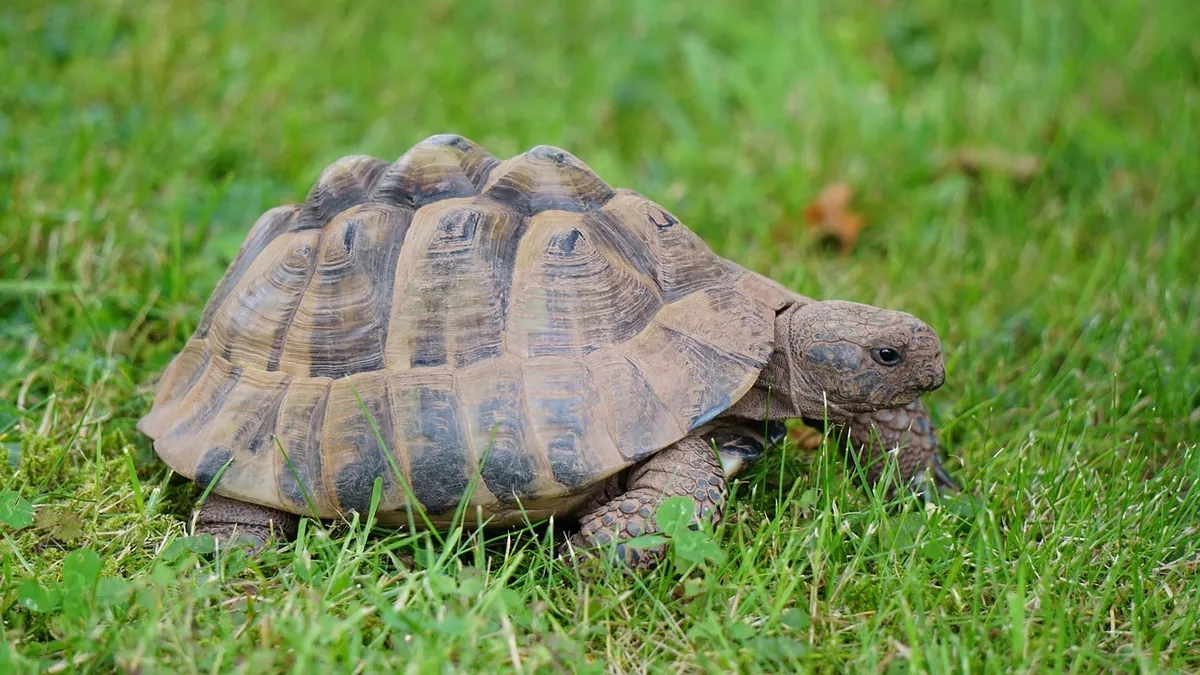
If your tortoise ate dog poop, the most likely reasons are a gap in its diet, a mineral deficiency, or simple curiosity about something in its enclosure. The behavior is common enough that most reptile vets have seen it, and a single small bite is rarely a crisis. The bigger concern is what the feces carries, because dog stool can pass bacteria and parasites to your tortoise.
This article is educational and is not a substitute for veterinary diagnosis or treatment.
Quick Answer
- A small amount of dog poop is usually not immediately dangerous, but it is never a healthy food for a tortoise.
- Dog feces can carry Salmonella, which reptiles are already known to harbor and shed, so exposure can add new bacterial strains to your pet and your home [1].
- Parasites, undigested dog food, and drug residues from the dog's medications are the main hidden risks.
- Clean the tortoise, its enclosure, and any surfaces it touched, then wash your own hands well.
- Call your veterinarian if your tortoise vomits, stops eating, has diarrhea, or acts lethargic after the incident.
Why Is My Tortoise Eating Dog Poop?
Tortoises are opportunistic eaters. In the wild they graze across large areas and sample many things, including animal droppings. That instinct does not switch off in a captive enclosure. When a dog poops in the yard and your tortoise finds it before you do, eating it is a natural response, not a sign of a broken brain.
Several specific triggers make the behavior more likely.
Dietary gaps
A tortoise on a low-fiber, low-variety diet may be hungry for nutrients it is not getting. Grass, weeds, leafy greens, and species-appropriate pellets cover different needs. If your tortoise is fed mostly one item, it may seek out anything that smells like food, and dog stool smells strongly of digested protein and fat.
Mineral deficiency
Calcium and phosphorus balance matters a great deal in tortoises. A tortoise that is short on calcium may eat soil, sand, rocks, or feces in an attempt to correct the gap. This is sometimes called pica. A veterinarian can review your diet and supplement plan and check whether the shell and bones look normal.
Substrate and enclosure confusion
If your tortoise lives on a substrate that looks or smells like soil, a fresh pile of dog poop in the yard may not register as waste at all. It registers as more of the same. Tortoises also explore with their mouths, so a new object in their space gets tasted.
Boredom and habit
A tortoise in a small, bare enclosure with nothing to graze or explore may develop repetitive behaviors. Once a tortoise learns that dog stool is edible, it may return to the same spot again and again.
Can Tortoises Eat Dog Poop? The Honest Verdict
No. Dog poop is not a safe or appropriate food for any tortoise, at any life stage. It offers no nutritional benefit that a proper tortoise diet cannot provide better, and it carries real biological risks. If your tortoise eats dog poop once, the odds of serious harm are low, but repeated access turns a small risk into a likely problem over time.
The one thing dog stool does contain is partially digested protein and fat. That is exactly why it is attractive to a tortoise that is short on calories or variety. The answer is not to allow the behavior, it is to fix the diet and remove the temptation.
Health Risks When Your Tortoise Eats Dog Poop
Salmonella and other bacteria
Reptiles are well known carriers of Salmonella. A large review of 179 studies covering more than 23,000 reptiles found an overall Salmonella prevalence of about 30.4% [1]. That means many healthy tortoises already carry and shed these bacteria without looking sick. When your tortoise eats dog feces, it can pick up additional strains from the dog's gut, and those strains can then spread through your tortoise's droppings, water bowl, and shell.
Shell surfaces are a major contamination point. In a study of 72 pet turtles, shell swabs were positive for Salmonella more often than water or cloacal samples, at 30.6% [2]. That matters because you handle the shell. A documented pediatric case showed how easily this spreads: a 17-month-old child developed Salmonella bacteremia after contact with a family pet turtle, and the same strain was found on the turtle's limbs, shell, and feces [3]. The family also cleaned the turtle tank in the kitchen sink, which likely widened the exposure [3].
Parasites
Dog stool can contain roundworm, hookworm, whipworm, coccidia, and Giardia. Some of these are host-specific and will not infect a tortoise, but others can cause digestive upset. Roundworm eggs are sticky and survive in soil for a long time, so a tortoise that eats contaminated feces can also track eggs across its enclosure.
Medication residues
If your dog takes dewormers, antibiotics, anti-inflammatories, or flea and tick products, those drugs pass into the stool. A tortoise is small, and its liver and kidneys process drugs very differently from a mammal's. Even a small dose of a drug meant for a dog can be toxic to a reptile. This is one of the strongest reasons to keep tortoises away from dog waste entirely.
Choking and impaction
Dog stool is not usually a choking hazard, but the things mixed into it can be. Hair, grass, bone fragments, plastic, and string can all pass through a dog and end up in the pile. A tortoise that swallows these can develop a blockage in the digestive tract, which is a surgical problem.
GI upset
A sudden load of unfamiliar bacteria and fat can cause diarrhea, vomiting, and loss of appetite in a tortoise. Reptiles hide illness well, so by the time you notice symptoms, the problem may have been building for days.
Household contamination
The risk does not stop with your tortoise. Salmonella shed in reptile feces can contaminate enclosure surfaces, water, and your hands. A study of captive pythons found Salmonella in 23 of 28 animals, with different serovars present across the group [4]. The same pattern applies to tortoises. If your tortoise eats dog poop and then walks through its water bowl, you now have a contaminated bowl in your home.
What to Do If Your Tortoise Ate Dog Poop
Act quickly, but stay calm. Most single exposures resolve without treatment.
- Remove your tortoise from the area and put it somewhere clean and dry.
- Wipe the mouth and face with a damp paper towel, then wash your hands with soap and warm water for at least 20 seconds.
- Clean the enclosure, water bowl, and food dish with hot soapy water. If the tortoise walked through the yard, rinse its shell and feet.
- Pick up all remaining dog waste in the yard and dispose of it in a sealed bag. Do not compost it.
- Note the time, how much your tortoise ate, and whether your dog is on any medications. Your vet will want those details.
- Watch for vomiting, diarrhea, refusal to eat, lethargy, or abnormal droppings over the next 48 to 72 hours.
If your dog takes any medication, call your veterinarian or a pet poison hotline right away. Bring the medication name and dose with you.
How to Offer Dog Food or Treats Safely (and What to Avoid)
Some owners wonder whether dog food itself is a problem. The answer depends on the form.
| Form | Safe? | Notes |
|---|---|---|
| Dry dog kibble | No | Wrong protein and fat profile for a tortoise, and often too high in phosphorus |
| Wet dog food | No | High fat, high protein, can cause digestive upset |
| Dog treats with xylitol | Never | Xylitol is toxic to many animals and should never be near a tortoise |
| Dog treats with garlic or onion | Never | These can damage red blood cells |
| Dog feces | Never | Carries bacteria, parasites, and drug residues |
| Commercial tortoise pellets | Yes | Use a species-appropriate formula as part of a varied diet |
| Cuttlebone | Yes | Provides calcium for grazing species |
Avoid anything with added salt, preservatives, or artificial flavoring. If you want to give your tortoise a treat, use a small amount of a safe plant from its species list, such as dandelion greens, hibiscus, or a bit of squash.
Safer Alternatives and Long-Term Fixes
The best fix is prevention, and it starts with the diet.
- Feed a varied mix of grasses, weeds, leafy greens, and a quality tortoise pellet. Rotate items so your tortoise gets a range of nutrients.
- Add a calcium source such as cuttlebone or a calcium powder. Your veterinarian can tell you how often to use it based on your species and age.
- Give your tortoise a large enough enclosure with substrate to dig in and plants to graze. Boredom drives a lot of abnormal eating.
- Fence off the area where your dog eliminates, or walk your dog on a leash in a separate part of the yard.
- Scoop dog waste daily. A tortoise cannot eat what is not there.
- Keep the tortoise's water bowl and food dish out of reach of the dog, and clean them often.
If your dog also eats stool, that is a separate problem with its own causes and solutions. You can read more about it in Why Does My Dog Eat Poop? and How to Stop a Dog from Eating Poop: Causes and Solutions. If your dog is eating poop and then vomiting, see Dog Eating Poop and Vomiting: Is It Dangerous?.
Limitations and When to Contact a Veterinarian
No article can tell you what is happening inside your specific tortoise. A veterinarian who examines your pet, reviews the diet, and runs a fecal test can give you a real answer.
Call your veterinarian the same day if your tortoise:
- Vomits or has diarrhea
- Refuses food for more than 24 hours
- Acts lethargic or stays hidden more than usual
- Has a soft or discolored shell, or swelling around the eyes
- Passes stool that looks bloody, mucus-covered, or unusual
Go to an emergency clinic now if your tortoise:
- Is unresponsive or limp
- Has trouble breathing or holds its mouth open
- Strains to defecate with no result, which can signal a blockage
- Ate dog stool that contained medication, especially a dewormer or pain reliever
Schedule a routine visit if the behavior keeps happening. Recurrent poop eating points to a diet or husbandry problem that needs a full review, not a one-time fix.
Frequently Asked Questions
Will my tortoise get sick from one bite of dog poop?
Most tortoises handle a single small exposure without serious illness. The risk rises with the amount eaten, the health of the dog, and whether the dog takes medication. Watch for digestive signs over the next few days and call your vet if anything changes.
Can my tortoise get Salmonella from eating dog poop?
Yes, it can pick up new Salmonella strains from dog feces. Reptiles commonly carry Salmonella already, and adding more strains increases what your tortoise sheds into its enclosure and onto your hands. Always wash up after handling your tortoise or its habitat.
Should I deworm my tortoise after it eats dog poop?
Do not give any dewormer on your own. Reptile dewormers are dosed by weight and species, and the wrong product can be harmful. Your veterinarian will decide whether a fecal test or treatment is needed.
How do I stop my tortoise from eating dog poop?
Remove access first, then fix the diet. Scoop the yard daily, fence off the dog's bathroom area, and offer a varied tortoise diet with a proper calcium source. If the behavior continues, have your vet check for a mineral deficiency or underlying illness.
Is dog poop bad for tortoises even if the dog is healthy?
Yes. Even a healthy dog can shed bacteria and parasite eggs that a tortoise should not ingest. Healthy dogs can also carry drug residues from routine preventives. There is no version of dog poop that is a safe food for a tortoise.
Related Articles
- Why Is My Turtle Eating Its Own Poop?
- Why Does My Tortoise Have Diarrhea? Causes and Care
- Do Tortoises Poop? Normal Stool and Warning Signs
References
- Salmonella prevalence and serovar distribution in reptiles: a systematic review and meta-analysis. Gut pathogens, 2025.
- Animal-human interfaces and emerging zoonoses: Salmonella in pet turtles in Concepción, Chile. Frontiers in veterinary science, 2026.
- Pediatric Salmonella Poona gastroenteritis with bacteremia linked to exposure to a pet turtle: a case report. Journal of rural medicine : JRM, 2026.
- The faecal microbiome and carriage of Salmonella in Australian captive pythons. FEMS microbiology ecology, 2026.