Do Tortoises Poop? Normal Stool and Warning Signs
By Dr. Zubair Khalid, DVM, MS, PhD ·
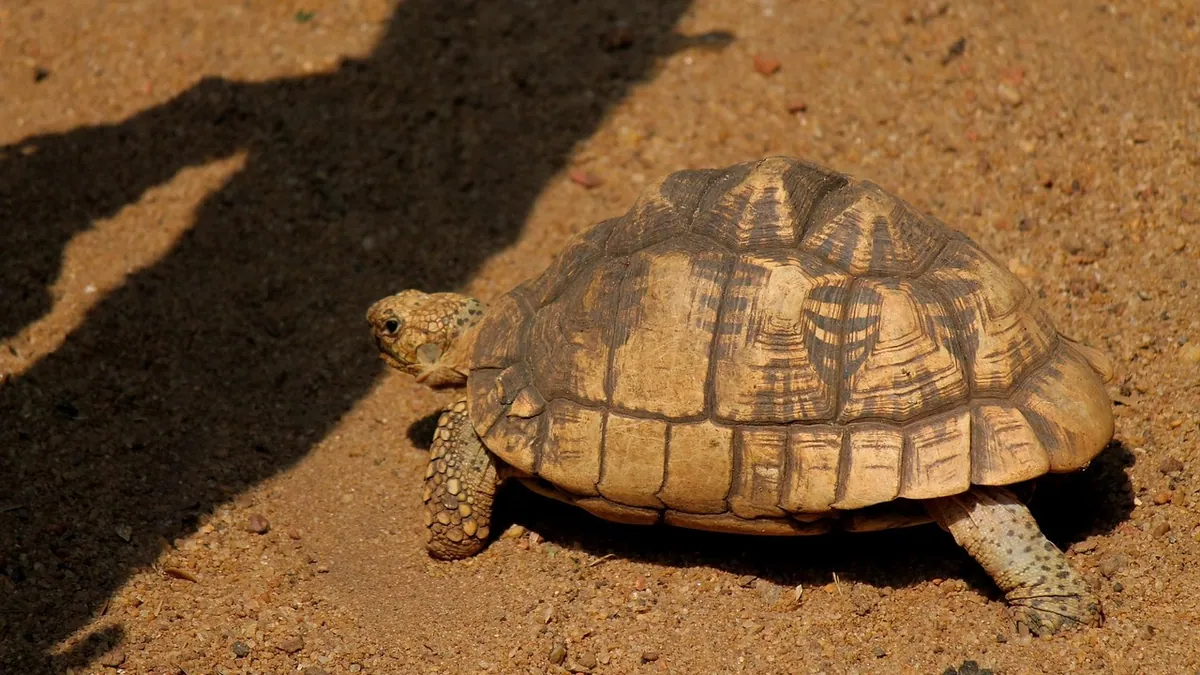
Yes, tortoises poop. A healthy tortoise passes stool regularly, and those droppings are one of the best at-home clues about digestion, diet, and parasite load. If you have ever wondered "do tortoises poop" while staring at an empty enclosure, the answer is yes, and the details matter more than most owners realize.
This article is educational and is not a substitute for veterinary diagnosis or treatment.
Quick Answer
- A tortoise that eats normally should produce stool on a fairly predictable schedule for its species, size, and diet.
- Normal tortoise poop is roughly the shape and texture of the food going in: fibrous, formed, and often dark green to brown.
- Tortoises pee and poop separately. Urine comes out as liquid or as a thick white paste called urates.
- Diet changes stool color, odor, and consistency within a few days.
- Runny, bloody, wormy, or foul-smelling stool is a reason to collect a sample and call your vet.
What Normal Tortoise Poop Looks Like
Tortoise droppings are not glamorous, but they are informative. A typical healthy dropping is soft but holds its shape, similar to a well-formed horse or rabbit pellet that has been lightly moistened. Color tracks diet closely. Grass, hay, and leafy greens usually produce dark green to brown stool. Fruit-heavy diets can shift it toward tan or orange.
Because tortoises are herbivores or omnivores depending on species, their stool is largely fermented plant fiber. A study of red-footed tortoises found that diets high in fiber, starch, or fat changed digestibility, fecal quality, and gastrointestinal transit time in measurable ways [1]. In plain terms, what you feed changes how fast food moves through the gut and what comes out the other end.
Tortoises also produce urine separately from stool. Urine is usually liquid, sometimes with a chalky white portion called urates. Seeing urates is normal. Seeing only thick, gritty urates with no liquid urine is not.
Do Tortoises Pee and Poop at the Same Time?
Usually not. Tortoises have a cloaca, a single opening for waste and reproduction, but urine and stool often pass at different moments. You may notice a wet spot with no stool, or a formed dropping with no urine. Both are normal.
The white urate paste is the tortoise's way of conserving water while excreting nitrogen waste. Desert species like the Egyptian tortoise have salivary gland and hydration adaptations that help them manage scarce water [2]. That biology also means urine concentration varies a lot with hydration. A well-hydrated tortoise often passes clear or cloudy liquid urine. A dehydrated one may pass thick, pasty urates.
Tortoise Poop Frequency: What Is Normal?
There is no single number that fits every tortoise. Frequency depends on species, body size, temperature, activity level, and diet. A large grazing tortoise eating high-fiber greens may poop once every day or two. A smaller tortoise on a richer diet may go more often. A tortoise that is brumating (in winter dormancy) may not poop for weeks, which is expected during that state.
The red-footed tortoise study showed that fiber, starch, and fat content all influence gastrointestinal transit time [1]. High-fiber diets tend to move material through more slowly and produce bulkier stool. High-starch or high-fat diets can speed things up or change fermentation, which may show up as looser droppings.
A practical rule: know your tortoise's baseline. If it normally poops every other day and suddenly goes five days with straining, that is a change worth investigating. If it normally poops twice a week and stays bright, active, and eating, that may simply be normal for your animal.
Step-by-Step: Checking Your Tortoise's Stool at Home
- Pick a clean observation window. Remove old waste, then watch the next two or three droppings. Fresh samples tell you the most.
- Note the color. Dark green and brown are typical. Black, bright red, or pale gray deserve attention.
- Check the texture. Formed and soft is good. Watery, mucus-coated, or rock-hard pellets are not.
- Look for movement or worms. Tiny white threads, rice-like segments, or visible worms mean a fecal test is needed. This is similar to how owners check dogs for worms in stool, and the principle is the same: visible parasites warrant testing.
- Smell it. Mild odor is normal. A sharp, rotten, or unusually foul smell can signal infection or poor digestion.
- Photograph it. A clear photo with a coin or ruler for scale helps your vet.
- Collect a fresh sample. Place it in a clean, sealed container and refrigerate it, do not freeze it, until you can deliver it.
If your tortoise is not pooping at all but still eating, the concern is similar to a dog not pooping but eating normally: something may be blocking or slowing the gut. Impaction from substrate, dehydration, or low temperatures are common causes in reptiles.
Comparison Table: Normal vs. Abnormal Tortoise Stool
| Feature | Normal | Worth a Vet Call |
|---|---|---|
| Color | Dark green, brown, tan | Black, bright red, pale gray, white |
| Texture | Formed, soft, holds shape | Watery, mucus-covered, hard and dry |
| Frequency | Predictable for your tortoise | Sudden stop or sudden increase |
| Odor | Mild | Sharp, rotten, unusually foul |
| Contents | Plant fiber, occasional undigested bits | Worms, rice-like segments, blood |
| Urates | White paste with liquid urine | Thick, gritty, or absent urine |
Tortoise Abnormal Stool: Warning Signs
Several changes should prompt action.
Diarrhea that lasts more than a day or two. Loose stool can follow a diet change, but persistent diarrhea risks dehydration. It is comparable to dog diarrhea with a normal attitude: mild cases may resolve, but ongoing cases need testing.
Blood in the stool. Bright red blood often points to irritation in the lower tract. Dark, tarry stool suggests bleeding higher up. Either way, a fecal test and exam are warranted, much like when a dog has blood in stool but acts normal.
Visible worms or parasite segments. Oxyurid worms (pinworms) are common in reptiles. A study of captive tokay geckos found that combining a diet change with a housing change increased fecal oxyurid egg shedding, while either change alone did not [3]. Stress and husbandry changes can affect parasite loads, so a move, a new enclosure, or a new diet can unmask a hidden burden.
Thick, gritty urates or no urine. This suggests dehydration or kidney strain. Soak your tortoise in shallow, lukewarm water and call your vet.
Straining with no stool. This can indicate impaction, especially if substrate, sand, or gravel is in the enclosure.
Sudden loss of appetite with no stool. A tortoise that stops eating and stops pooping needs same-day attention.
Tortoise Parasites in Stool: What Owners Should Know
Many tortoises carry some pinworms without obvious illness. Problems arise when the load grows, when the tortoise is stressed, or when another health issue weakens it. The tokay gecko findings are a useful reminder that husbandry stress can shift parasite shedding [3]. For tortoises, that means a new enclosure, a move, or a sudden diet change can be followed by more visible worms or eggs in the stool.
You cannot diagnose a parasite problem by looking alone. A veterinarian performs a fecal flotation or smear to identify eggs and count them. Bring a fresh sample, ideally less than 24 hours old, kept cool but not frozen.
Never use over-the-counter dewormers made for dogs, cats, or livestock on a tortoise. Reptile drug handling differs, and the wrong product can be toxic. Your veterinarian calculates the dose from your tortoise's weight and health status.
Common Mistakes That Affect Tortoise Stool
Feeding too much fruit or protein. These shift gut fermentation and can cause loose, smelly stool. The red-footed tortoise work showed that starch and fat levels change digestion and fecal quality [1].
Skipping fiber. Grass, hay, and leafy greens keep the gut moving. Low-fiber diets slow transit and can cause constipation.
Keeping the enclosure too cool. Tortoises need a temperature gradient to digest properly. A cold tortoise digests slowly and may stop pooping.
Not providing fresh water. Dehydration shows up first in the urates, then in the stool.
Using loose substrate that can be swallowed. Sand, gravel, and small bark chips can cause impaction.
Ignoring a dirty enclosure. Poor hygiene raises the risk of reinfection with parasites. A study of long-nosed vipers found that snakes housed on newspaper had lower fecal quality and higher fecal glucocorticoids than those on mulch, showing that substrate and cleaning practices affect welfare and waste [4]. Clean enclosures support better digestion and health.
Changing diet and housing at the same time. Based on the gecko findings, combining stressors can increase parasite shedding [3]. Make one change at a time when possible.
Supplies and Setup That Support Good Digestion
- A temperature gradient. A warm basking zone and a cooler retreat let your tortoise regulate digestion.
- UVB lighting. Proper UVB supports calcium metabolism and overall health.
- Shallow water dish. Wide enough to soak in, shallow enough to be safe.
- High-fiber diet. Grass, hay, weeds, and appropriate greens as the base.
- Calcium supplement. Offered according to your vet's guidance for your species and life stage.
- Clean substrate. Choose something safe if ingested and easy to spot-clean.
- Fecal sample container. Keep a clean jar ready for vet visits.
- Scale and calendar. Track weight and poop frequency so you notice changes early.
Limitations and When to Contact a Veterinarian
This article gives general guidance, but every tortoise is an individual. A veterinarian who examines your animal, reviews its diet and enclosure, and tests a stool sample can give you a real answer.
Contact your veterinarian the same day if you see:
- Blood in the stool or urates
- Straining with no stool for more than 48 hours
- Visible worms or parasite segments
- Thick, gritty urates with little or no urine
- Diarrhea lasting more than two days
- Refusal to eat combined with no stool
Seek emergency care now if your tortoise is:
- Unresponsive, limp, or unable to right itself
- Passing large amounts of fresh blood
- Showing a prolapse (tissue protruding from the cloaca)
- Struggling to breathe or making open-mouth breathing sounds
Schedule a routine visit if you notice:
- Gradual weight loss
- Changes in stool color or consistency that persist
- Reduced appetite over several days
- Any new tortoise added to your collection, which should be quarantined and tested
Frequently Asked Questions
How often should a tortoise poop?
It varies with species, size, temperature, and diet. Many healthy adult tortoises pass stool every one to three days, but some go less often and remain perfectly well. Track your own tortoise's pattern and watch for sudden changes.
Why is my tortoise's poop runny?
Runny stool often follows a diet too rich in fruit, starch, or fat, or a sudden food change. It can also signal parasites or infection. If it lasts more than a day or two, collect a fresh sample and call your vet.
Can I get worms from my tortoise?
Reptile pinworms are generally species-specific and are not considered a common human infection risk. Still, practice good hygiene: wash your hands after handling your tortoise or cleaning the enclosure, and do not let children put hands in their mouths afterward.
Should I worm my tortoise myself?
No. Over-the-counter dewormers for mammals can harm reptiles, and the correct drug and dose depend on the parasite identified and your tortoise's weight and health. Your veterinarian will test the stool first, then prescribe treatment if needed.
What does healthy tortoise urine look like?
Normal urine is liquid, sometimes cloudy, often with a white chalky portion called urates. A small amount of urates is fine. Thick, gritty urates or a complete lack of urine suggests dehydration or kidney trouble and needs veterinary attention.
Related Articles
- Tortoise Post-Hibernation Anorexia: Evaluation, Fluid Support, and Refeeding
- Why Is My Tortoise Poop or Pee White? What It Means
- Why Does My Tortoise Have Diarrhea? Causes and Care
- Do Tortoises Pee? How Reptiles Excrete Waste
References
- Effects of fibre, starch and fat intake on gastrointestinal transit time, digestibility, and microbial fermentation products in red-footed tortoise (Chelonoidis carbonaria). Archives of animal nutrition, 2025.
- A novel immunofluorescence study of Lingual Salivary Glands in the Egyptian Tortoise (Testudo kleinmanni) and its ecological significance. Tissue & cell, 2024.
- Changes in housing and diet combined increase fecal oxyurid load in captive tokay geckos. PeerJ, 2026.
- Effects of Substrate Provision and Associated Cleaning Practices on Welfare Indicators in Eastern Long-Nosed Vipers (Vipera ammodytes meridionalis) During Growth and Development. Zoo biology, 2025.