Kitten Diarrhea: Causes, Safe Home Care, and Emergency Signs
By Dr. Zubair Khalid, DVM, MS, PhD ·
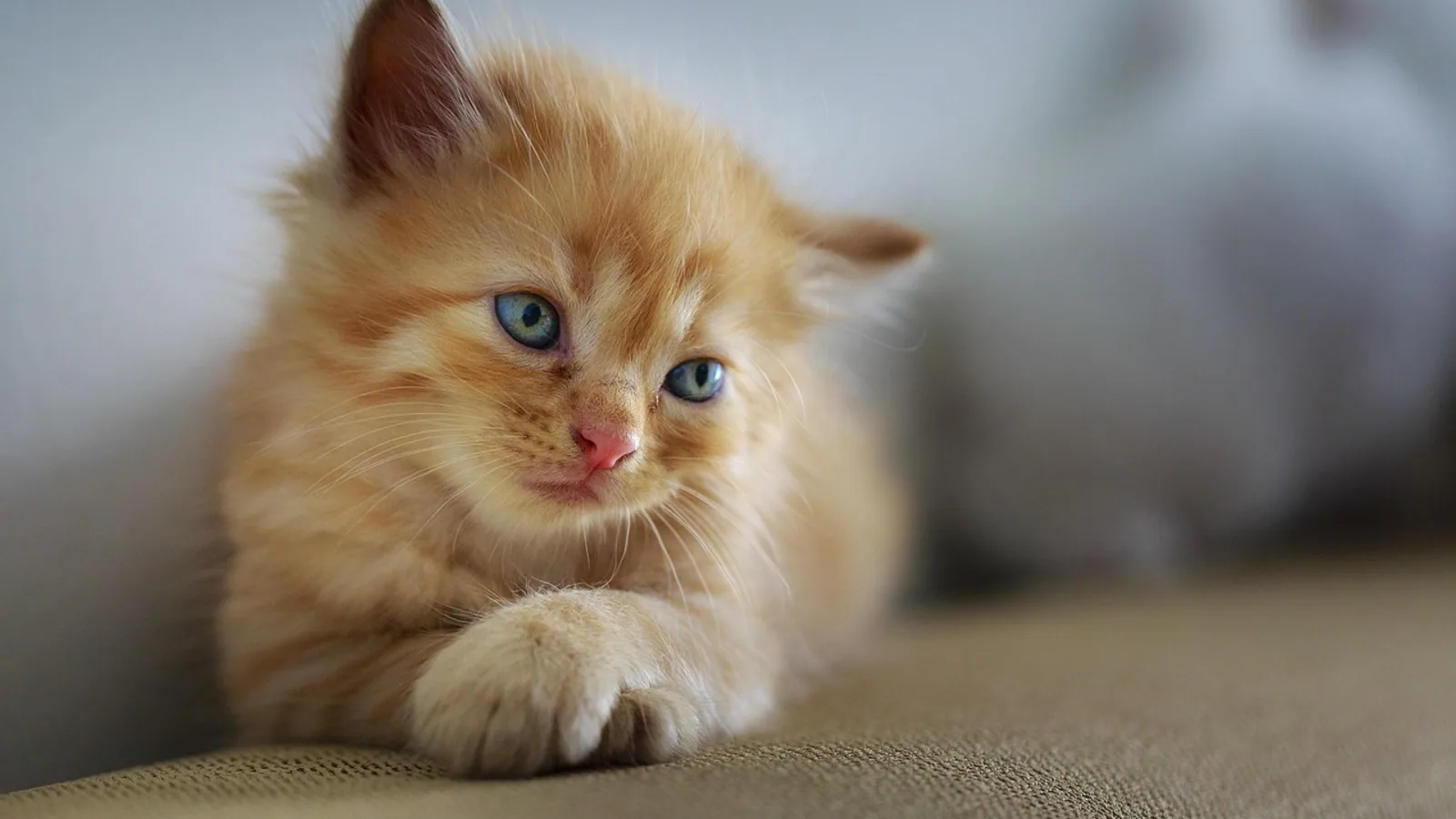
Kitten diarrhea is loose or watery stool in a cat under about six months of age. It is one of the most common reasons young cats see a veterinarian, and it ranges from a mild nuisance to a life-threatening emergency. The single most important fact for owners is this: kittens under 12 weeks old have almost no reserves. A kitten that has been loose for a day can be a kitten in crisis by the next morning. If your kitten is under 12 weeks and has diarrhea, call your veterinarian the same day. If the kitten is also vomiting, refusing food, limp, cold, or not producing urine, treat it as an emergency and go in now.
This article is educational and is not a substitute for veterinary diagnosis or treatment.
At a Glance: Triage Your Kitten's Diarrhea
Use this table to decide how fast you need to act. It is a guide, not a diagnosis.
| Situation | Urgency | What to do |
|---|---|---|
| Kitten under 12 weeks with any diarrhea | Same day | Call your veterinarian today. Do not wait to see if it passes. |
| Kitten under 8 weeks, any diarrhea | Emergency | Go in now. Mortality risk in this age group is high [1]. |
| Diarrhea plus vomiting, no appetite, or lethargy | Emergency | Go in now. These are the signs most associated with death in young kittens [1]. |
| Diarrhea plus pale, white, or blue gums | Emergency | Go in now. This can signal anemia or poor oxygen delivery [2]. |
| Bloody diarrhea, black tarry stool, or straining with nothing passing | Emergency | Go in now. |
| Kitten 12 weeks or older, eating and playing normally, one soft stool | Monitor closely | Call your vet for advice. Watch hydration and appetite every few hours. |
| Diarrhea that lasts more than 24 to 48 hours at any age | Same day | Dehydration in a small body happens quickly. |
| Diarrhea that started after a deworming dose | Same day | Call the vet who prescribed it. Some reactions need treatment. |
Why Kittens Are So Vulnerable to Diarrhea
A kitten's digestive tract is still maturing. The intestine is short, the surface area for absorbing water is small, and the body's total water content is proportionally higher than in an adult cat. That means a kitten loses fluid and electrolytes faster than an adult for the same amount of stool.
Kittens also have an immature immune system. They depend heavily on antibodies from colostrum, the first milk, and that protection fades over the first weeks of life. Between the loss of maternal antibodies and the start of their own vaccinations, kittens pass through a window where infections hit hard. This is why dedicated kitten nurseries still lose kittens even with intensive care, and why diarrhea is one of the clinical signs linked to death in kittens under 8 weeks old [1].
The intestine does more than absorb food. It is a barrier. When inflammation damages that barrier, bacteria and toxins can shift into the bloodstream, and the kitten can go from "a bit loose" to systemically ill in hours. Chronic diarrhea also drives ongoing inflammation. One report described a 2-month-old kitten with more than three weeks of diarrhea who developed severe oxidative damage to red blood cells, with Heinz bodies in about 40 percent of erythrocytes and a methemoglobin level of 16 percent [2]. The kitten recovered with a blood transfusion and supportive care, and the diarrhea resolution coincided with the disappearance of the red cell damage [2]. The lesson is not that every kitten with diarrhea will become anemic. The lesson is that prolonged diarrhea is a whole-body problem, not just a stool problem.
The Main Causes of Kitten Diarrhea
Diet Change and Dietary Indiscretion
The most common and most benign cause is a change in food. A sudden switch from one diet to another, overfeeding, scavenging, or eating adult cat food can all produce loose stool. Kittens have delicate guts, and the bacterial population in the colon needs time to adjust to a new diet. A gradual transition over seven to ten days, mixing increasing amounts of the new food into the old, prevents most of these cases.
Diet-related diarrhea is usually soft to pudding-like, not watery, and the kitten stays bright, hungry, and playful. This is the classic "kitten diarrhea but acting normal" picture. It still deserves a phone call, because parasites and infections can look identical at the start.
Intestinal Parasites
Parasites are extremely common in kittens, especially those from shelters, barns, or outdoor mothers. The four you will hear about most are roundworms, coccidia, Giardia, and Tritrichomonas foetus.
Roundworms are large, spaghetti-like worms that kittens can acquire before birth through the placenta or after birth through the mother's milk. They can cause a pot-bellied appearance, poor growth, and loose stool. Many kittens also vomit whole worms. Routine deworming is standard in kitten preventive care.
Coccidia are single-celled parasites. The Companion Animal Parasite Council notes that coccidiosis is most severe in young animals, and stress, crowding, and poor sanitation increase the risk [3]. Coccidia typically cause diarrhea that may contain mucus or blood, and kittens in shelters or pet stores are at higher risk.
Giardia is a flagellated protozoan that lives in the small intestine. The Merck Veterinary Manual describes giardiasis as a cause of acute or chronic diarrhea in many species, including cats, and notes that infection can persist and be difficult to clear [4]. The Companion Animal Parasite Council advises that Giardia testing should be part of a diagnostic workup for diarrhea in young animals, and that treatment and environmental control go together because the parasite survives in the environment [5]. Giardia cysts can be shed intermittently, so a single negative test does not fully rule it out.
Tritrichomonas foetus is a protozoan that colonizes the large intestine of cats and causes a characteristic foul-smelling, often cow-pie-consistency diarrhea. It is more common in young cats from multi-cat environments. It does not respond to the usual dewormers, so it needs specific testing and specific treatment. Cornell's feline health resources list it among the infectious causes of chronic large bowel diarrhea in cats [6].
Feline Panleukopenia (Feline Distemper)
Feline panleukopenia is a viral disease caused by feline parvovirus. It is the most dangerous common cause of kitten diarrhea and belongs in the emergency category. The virus attacks rapidly dividing cells, including the intestinal lining and the bone marrow, which is why it causes severe diarrhea, vomiting, profound lethargy, and a collapse in white blood cell counts. In the large shelter nursery study, panleukopenia was one of the recorded diagnoses among kittens who died [1]. Panleukopenia is largely preventable with vaccination, and unvaccinated or incompletely vaccinated kittens are at highest risk.
If a kitten has diarrhea plus vomiting plus lethargy plus no appetite, panleukopenia must be on the list until a veterinarian rules it out. Do not wait at home.
Stress and Environmental Change
Stress colitis is real in kittens. Moving to a new home, separation from the mother and littermates, transport, a shelter stay, a new pet, or a change in routine can all trigger loose stool. The mechanism involves the gut-brain axis and changes in intestinal motility and secretion. Stress-related diarrhea is usually self-limiting once the kitten settles, but stress also suppresses immune function and makes infectious diarrhea more likely. In the shelter study, kittens with diarrhea that were at least 4 weeks old were far more likely to survive than younger kittens, which reflects both age and the resilience that comes with maturity [7].
Bacterial and Other Infections
Bacterial overgrowth, Salmonella, Campylobacter, Clostridium, and other organisms can cause kitten diarrhea. These often produce watery or bloody stool and can be accompanied by fever or systemic illness. Some are zoonotic, meaning they can pass to people, which matters in households with young children, elderly adults, or immunocompromised family members. Diagnosis requires specific testing, and treatment depends on the organism. Cornell's infectious disease resources cover the range of viral, bacterial, and parasitic causes of diarrhea in cats [6].
Non-Infectious and Structural Causes
Not every kitten diarrhea is infectious. Food intolerance, inflammatory bowel disease, foreign body ingestion, intussusception, and congenital problems can all present with diarrhea. One case report described a 3-month-old kitten with vomiting, diarrhea, anorexia, and depression who turned out to have bilateral ureteral obstruction from an unusual congenital mucosal abnormality, with severe azotemia [8]. That is rare, but it illustrates why a kitten that does not respond to standard treatment needs imaging and bloodwork. Diarrhea can be the visible sign of a problem outside the gut.
What a Fecal Test Finds
A fecal examination is the single most useful first test for kitten diarrhea. Your veterinarian will typically collect a fresh sample, ideally less than a few hours old, and examine it in several ways.
Direct smear looks at a small amount of fresh stool under the microscope. It can show moving Giardia trophozoites, coccidia oocysts, and some bacteria.
Fecal flotation concentrates parasite eggs and oocysts so they can be seen. It detects roundworm eggs, hookworm eggs, and coccidia.
Giardia-specific testing uses an antigen test or a special flotation method because Giardia cysts are small, shed intermittently, and easy to miss. The Companion Animal Parasite Council recommends specific testing for Giardia when diarrhea is present in a young animal [5].
Tritrichomonas testing uses a specific culture or PCR test on fresh stool, because this organism does not survive routine flotation well.
Bacterial culture and PCR panels are used when bacterial infection is suspected.
A fecal test can be negative and the kitten can still have a problem. Intermittent shedding, a sample collected at the wrong time, or an organism not covered by the test can all produce a false negative. That is why veterinarians often repeat fecal testing or treat empirically based on the clinical picture.
Veterinary Examination and Diagnostics
When you bring a kitten in for diarrhea, the veterinarian will start with a full physical examination. This includes:
- Weight and body condition. Weight loss or failure to gain is a serious sign. In the nursery study, weight loss and anorexia were among the clinical signs recorded in kittens who died [1].
- Hydration assessment. Skin turgor, gum moisture, and eye position tell the vet how much fluid has been lost.
- Mucous membrane color. Pale or cyanotic gums are a red flag. In the reported kitten with chronic diarrhea and anemia, the mucous membranes were pale and cyanotic and the blood was brownish in appearance [2].
- Abdominal palpation. This checks for pain, gas, thickened bowel loops, intussusception, or a foreign body.
- Temperature and heart rate. Fever or hypothermia both matter.
- Rectal exam. Checks for blood, mucus, and stool consistency.
Depending on findings, the vet may recommend bloodwork, including a complete blood count and chemistry panel, to check for anemia, infection, organ function, and electrolyte imbalances. Imaging with radiographs or ultrasound is used when structural disease or a foreign body is suspected, as in the kitten with ureteral obstruction [8].
Safe Home Care for Mild Kitten Diarrhea
Home care is appropriate only for a kitten that is bright, eating, drinking, playful, and at least 12 weeks old, and only after you have spoken with your veterinarian. If any of those conditions is not met, home care is not the right path.
Step 1: Check Hydration at Home
Dehydration is the main danger. You can check several things at home.
Gum check. Lift the kitten's lip. The gums should be pink and slick. Dry or tacky gums suggest dehydration.
Skin tent. Gently pinch the skin between the shoulder blades and release. It should snap back immediately. If it stays up or returns slowly, the kitten is dehydrated.
Eye position. Sunken eyes suggest significant fluid loss.
Urine output. A dehydrated kitten produces little or no urine. Check the litter box.
Behavior. A dehydrated kitten is quiet, weak, and uninterested in food.
If you find any of these signs, stop home care and call your veterinarian. Subcutaneous fluids are often the fastest fix, and the shelter study found that treatment with subcutaneous fluids was among the interventions recorded for kittens with diarrhea [7].
Step 2: Keep the Kitten Eating
Do not withhold food from a kitten. Fasting a kitten is dangerous. Kittens have high energy demands and low reserves, and even 12 hours without food can cause hypoglycemia and worsen the situation.
Offer small, frequent meals, four to six times a day. Warm the food slightly to make it more appealing. If the kitten is reluctant, offer a small amount of a highly digestible diet by hand or on a spoon.
Step 3: What to Feed a Kitten With Diarrhea
The goal is a bland, highly digestible diet that gives the gut a rest while still providing nutrition. Good options include:
- Plain cooked chicken or turkey with the skin and fat removed, shredded or chopped fine.
- Plain cooked white rice or plain boiled potato without butter, salt, or seasoning.
- Canned pumpkin (plain, not pie filling), which adds soluble fiber.
- A commercial veterinary gastrointestinal diet formulated for kittens, available from your veterinarian.
- The kitten's regular food, if the diarrhea started after a diet change and you can revert to the old food.
A simple starting plan is a 50/50 mix of plain cooked chicken and cooked white rice, offered in small amounts every three to four hours. After 24 to 48 hours of formed or improved stool, gradually transition back to the kitten's normal diet over five to seven days. If the diarrhea worsens at any point, stop and call your veterinarian.
Do not add salt, oil, butter, garlic, onion, or seasoning. Garlic and onion are toxic to cats. Do not give cow's milk, which many kittens cannot digest and which can worsen diarrhea.
Step 4: Offer Fresh Water Constantly
Clean, fresh water should always be available. Some kittens drink poorly when they feel unwell, so offer water in a shallow dish and consider offering unflavored electrolyte solution made for pets if your veterinarian approves it. Do not give human sports drinks, which contain sugar and electrolytes in the wrong proportions for a kitten.
Step 5: Keep the Kitten Clean and Warm
Diarrhea soils the hindquarters and can cause skin irritation. Wipe gently with a warm, damp cloth and dry thoroughly. Keep the kitten warm, since sick kittens lose body heat quickly. Use a heating pad on low under a towel, or a warm rice sock, and always give the kitten room to move away from the heat source.
Step 6: Isolate and Disinfect
Many causes of kitten diarrhea are contagious to other cats. Keep the kitten separated from other cats in the household until the diarrhea resolves and your veterinarian clears the kitten. Wash your hands after handling the kitten, and clean litter boxes, food bowls, and bedding daily. Giardia in particular survives in the environment and requires thorough cleaning [5].
Why Over-the-Counter Human Antidiarrheals Are Unsafe
Human antidiarrheal medications are not safe for kittens. This is one of the most important points in this article.
Loperamide (Imodium) is an opioid. In cats, and especially in kittens, it can cause severe sedation, ileus (a paralyzed gut), and central nervous system depression. Dosing errors are common because kitten weights are tiny. Some cats have a genetic sensitivity that makes normal doses toxic.
Bismuth subsalicylate (Pepto-Bismol) contains salicylate, which is related to aspirin. Cats clear salicylates very slowly, and accumulation can cause bleeding, kidney injury, and neurological signs. Salicylates also carry a risk of Heinz body anemia, which is the same red blood cell damage seen in the kitten with chronic diarrhea [2].
Kaolin-pectin products are not effective for most causes of kitten diarrhea and can interfere with absorption of other medications.
Antibiotics without a diagnosis are also a problem. They disrupt the normal gut bacteria, can worsen diarrhea, and contribute to antibiotic resistance. Antibiotics should be prescribed by a veterinarian for a specific diagnosis.
There is no safe over-the-counter human antidiarrheal for a kitten. If you have already given one, call your veterinarian or a pet poison control hotline immediately.
Kitten Diarrhea After Deworming
A kitten that develops diarrhea after a deworming dose needs a phone call to the veterinarian who prescribed it. There are a few possibilities.
The dewormer is working. As worms die and are expelled, some kittens have a temporary loose stool. This is usually mild and short-lived.
The dewormer caused a reaction. Some kittens are sensitive to specific deworming drugs. Signs to watch for include vomiting, drooling, wobbliness, tremors, or worsening lethargy. These need immediate veterinary attention.
The diarrhea is unrelated. The timing may be coincidental. The kitten may have had an underlying parasite or infection that was not fully treated by the dewormer, or a separate problem.
Do not give a second dose on your own. Do not switch to a different dewormer without veterinary advice. Call the prescribing veterinarian, describe the timing and the stool, and follow their instructions.
Prevention
Prevention is more effective than treatment. The core steps are:
- Vaccinate on schedule. Panleukopenia is preventable with vaccination, and it is one of the most dangerous causes of kitten diarrhea [1].
- Deworm routinely. Follow your veterinarian's schedule for kitten deworming.
- Test and treat parasites. A fecal test at the first veterinary visit catches most common parasites.
- Transition diets slowly. Change food over seven to ten days.
- Keep the environment clean. Disinfect litter boxes, bowls, and bedding regularly, especially in multi-cat homes.
- Reduce stress. Introduce new environments, pets, and people gradually. Give the kitten a quiet, safe space.
- Limit exposure. Keep young kittens away from unknown cats and contaminated environments until they are fully vaccinated.
- Feed a complete kitten diet. Growing kittens need kitten-specific nutrition, not adult cat food.
Prognosis
The prognosis for kitten diarrhea depends on the cause, the age of the kitten, and how quickly treatment starts. In the shelter study of orphaned kittens treated for diarrhea, 89 percent of treated kittens survived to adoption or transfer [7]. That is an encouraging number, but it comes from a population that received veterinary care. Kittens under 4 weeks of age were dramatically less likely to survive than older kittens, and kittens under 8 weeks had elevated mortality risk in the nursery study [1] [7].
The takeaway is straightforward. Age matters enormously. Early treatment matters enormously. A kitten that is eating, hydrated, and treated promptly has a good chance. A kitten that is young, not eating, and not treated does not.
Emergency Red Flags
Go to a veterinarian immediately, not tomorrow, if you see any of these:
- Vomiting, diarrhea, lethargy and no appetite together in an unvaccinated or partly vaccinated kitten. Possible feline panleukopenia. Same-day emergency care [1].
- Vomiting plus diarrhea. This combination is a top warning sign in young kittens [1].
- No appetite or refusal to eat. Anorexia is one of the clinical signs associated with death in kittens under 8 weeks [1].
- Lethargy or weakness. A kitten that will not stand or play is in trouble.
- Pale, white, or blue gums. This can indicate anemia or poor oxygenation [2].
- Cold body temperature. Sick kittens lose heat fast.
- No urine for several hours. This suggests severe dehydration.
- Bloody or black tarry stool.
- Straining to defecate with nothing coming out.
- Diarrhea in a kitten under 8 weeks.
- Diarrhea in a kitten under 12 weeks that lasts more than 12 hours.
- Any diarrhea with a distended, painful abdomen.
- Collapse, seizures, or unresponsiveness.
When in doubt, call. A phone call costs nothing. A delay can cost the kitten's life.
Limitations and When to Contact a Veterinarian
This article covers general principles. Every kitten is an individual, and only a veterinarian who examines your kitten can make a diagnosis and prescribe treatment.
Contact a veterinarian the same day if:
- Your kitten is under 12 weeks old and has any diarrhea.
- Diarrhea lasts more than 24 to 48 hours at any age.
- Your kitten is not eating or drinking normally.
- Your kitten is losing weight or failing to gain.
- You see blood or mucus in the stool.
- The diarrhea started after a deworming dose or a new medication.
- The diarrhea started after a diet change and has not improved within two days.
- You are unsure whether home care is appropriate.
Go to an emergency clinic immediately if any red flag from the list above is present. Do not wait for a scheduled appointment. Do not try home remedies first.
Frequently Asked Questions
How long does kitten diarrhea usually last?
Mild diet-related diarrhea often improves within 24 to 48 hours once the diet is corrected. Parasitic and infectious diarrhea can last longer and needs specific treatment. Diarrhea that lasts more than 24 to 48 hours at any age, or any diarrhea in a kitten under 12 weeks, warrants a same-day veterinary call.
Can I give my kitten human anti-diarrhea medicine?
No. Human antidiarrheal medications such as loperamide and bismuth subsalicylate are unsafe for kittens. Loperamide can cause severe sedation and gut paralysis, and bismuth subsalicylate carries a risk of salicylate toxicity and red blood cell damage. Call your veterinarian instead.
My kitten has diarrhea but is acting normal. Should I worry?
Yes, at least enough to call your veterinarian. A bright, playful kitten with soft stool is often a mild case, but parasites and early infections can look identical at the start. If the kitten is under 12 weeks, call the same day. If the kitten is older and otherwise well, monitor hydration and appetite closely and call if anything changes.
What should I feed a kitten with diarrhea?
Offer a bland, highly digestible diet in small, frequent meals. Plain cooked chicken with white rice, plain canned pumpkin, or a veterinary gastrointestinal diet are reasonable options. Do not fast a kitten. Do not add salt, oil, garlic, onion, or seasoning. Transition back to the normal diet slowly over five to seven days once stool improves.
Why did my kitten get diarrhea after deworming?
The dewormer may be working as dying worms are expelled, the kitten may be sensitive to the medication, or the diarrhea may be unrelated to the deworming. Call the prescribing veterinarian with the timing and description of the stool. Do not give another dose on your own.
How can I tell if my kitten is dehydrated?
Check the gums, which should be pink and moist. Pinch the skin between the shoulder blades and see if it snaps back. Look for sunken eyes and check the litter box for urine. A dehydrated kitten is usually quiet and weak. Any of these signs means you should call your veterinarian right away.
What does a fecal test look for?
A fecal test looks for parasite eggs, coccidia oocysts, Giardia, Tritrichomonas, and sometimes bacteria. Your veterinarian may use a direct smear, fecal flotation, antigen testing, or PCR depending on what is suspected. A negative test does not fully rule out parasites because shedding can be intermittent.
When is kitten diarrhea an emergency?
Kitten diarrhea is an emergency when it comes with vomiting, no appetite, lethargy, pale or blue gums, cold body temperature, no urine, bloody or black stool, a painful abdomen, or collapse. Any diarrhea in a kitten under 8 weeks is also an emergency. Go to a veterinarian immediately if any of these are present.
Related Articles
- Feline Fading Kitten Syndrome - Diagnosis and Management
- Cat Constipation After Diarrhea - Causes and Relief
- Cat Diarrhea for 3 Days - What to Do
- Cat Diarrhea but Acting Normal - When to Monitor and When to Call
- Cat Diarrhea After Eating - Causes and When to Act
- Cat Diarrhea with Blood and Mucus - Causes and When to Act Fast
Sources
- Pre-mortem risk factors for mortality in kittens less than 8 weeks old at a dedicated kitten nursery.
- Severe Heinz body anemia and methemoglobinemia in a kitten with chronic diarrhea.
- Coccidia (CAPC Guidelines)
- Giardiasis in Animals (Merck Veterinary Manual)
- Giardia (CAPC Guidelines)
- Feline Infectious Diseases (Cornell Feline Health Center)
- Interventions and observations associated with survival of orphaned shelter kittens undergoing treatment for diarrhea.
- Case Report: Imaging Features and Successful Management of Ureteral Stenosis in a Kitten With Bilateral Atypical Papillary Transitional Mucosal Hyperplasia.