My Leopard Gecko Fell on the Floor: What to Do
By Dr. Zubair Khalid, DVM, MS, PhD ·
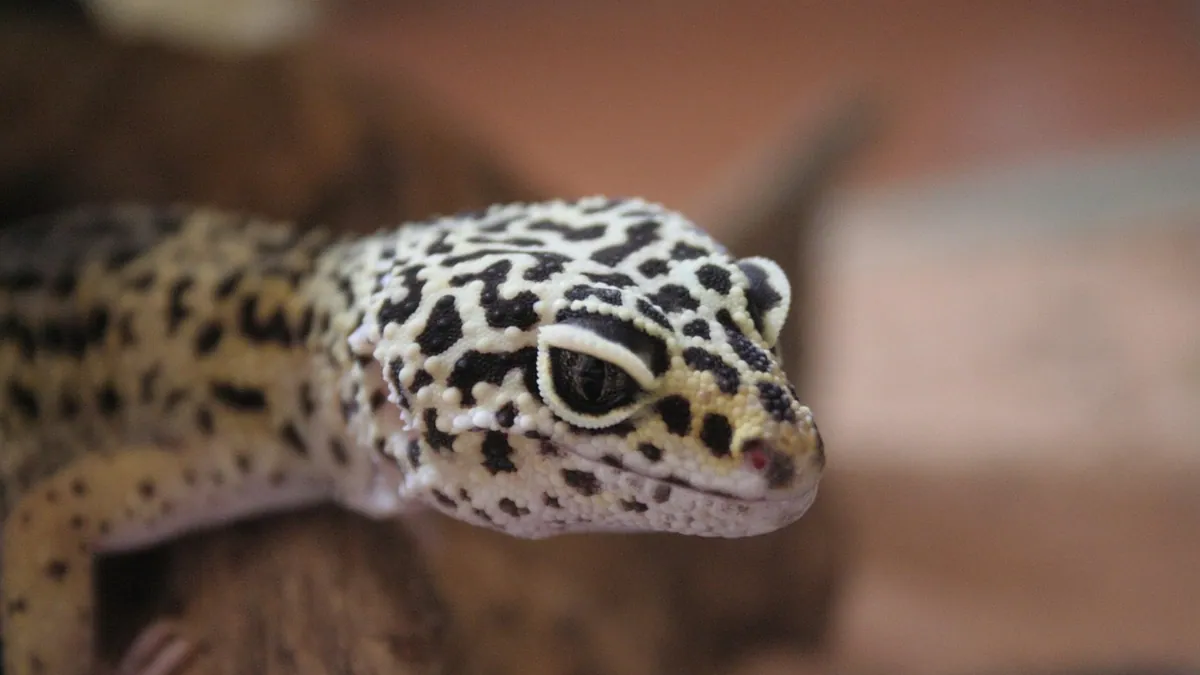
If your leopard gecko fell on the floor, stay calm and act in steps. First, keep the area quiet and watch how your gecko moves, breathes, and holds its body. Most short falls onto carpet cause no lasting harm, but a hard surface, a high shelf, or a heavy landing can cause fractures, internal bleeding, or tail loss.
This article is educational and is not a substitute for veterinary diagnosis or treatment.
Quick Answer
- Do not pick your gecko up right away unless it is in danger. Watch from a short distance for a minute first.
- Look for a dropped tail, dragging legs, a crooked limb, open-mouth breathing, or a swollen belly.
- Move your gecko into a simple, low "hospital" setup with paper towel substrate and no climbing decor.
- Call an exotic vet the same day if you see limping, a bent limb, bleeding, or labored breathing.
- A gecko that looks normal for 24 to 48 hours, eats, and walks evenly can often be monitored at home.
What a Fall Injury Looks Like and What Is Normal
A normal leopard gecko after a small tumble will right itself, walk with all four legs, and hold its tail off the ground. Its breathing should be slow and steady. It may be startled and freeze for a few minutes, which is normal.
An injured gecko often shows one or more of these signs:
- One leg held out to the side, dragged, or not used at all
- A limb that looks bent at an odd angle or is swollen
- A tail that is missing, bleeding, or hanging by a thread
- A belly that looks bruised, bloated, or dark
- Breathing with the mouth open or the throat pumping fast
- Refusing to move even when gently nudged
Reptiles hide pain well. A gecko that seems "fine" right after a fall can still have a fracture or internal injury that shows up hours later. Watch closely for the first two days.
Main Causes and Injury Patterns After a Fall
Falls happen for predictable reasons. Knowing the cause helps you judge how serious it is.
| Cause | Typical clues | How urgent |
|---|---|---|
| Short fall onto carpet or bedding | Gecko walks normally, no swelling, tail intact | Monitor at home |
| Fall onto tile, wood, or concrete | Limping, bent limb, bruising, or a dropped tail | Same-day vet visit |
| Fall from a high shelf or tank stand | Labored breathing, pale gums, swollen belly | Emergency now |
| Escape and drop during handling | Tail drop, skittish behavior, no obvious fracture | Same-day vet visit |
| Fall onto a hard object (hide, water bowl) | Localized swelling or a wound | Same-day vet visit |
Fractures in reptiles are a real risk after trauma. In one documented case, a ferret with a bone lesion was found to have a femoral neck fracture linked to an underlying plasma cell cancer [1]. That case involved a different species, but it shows how a fracture can sometimes point to a deeper problem. In your gecko, a fall is the far more likely cause.
Shell and bone injuries in reptiles can also become infected. A green sea turtle treated for shell fractures later developed a bloodstream yeast infection that spread to joints, bones, brain, and lungs [2]. That turtle had a long-term catheter, which your gecko does not, but the case shows that reptile bone injuries deserve real veterinary attention.
Bite wounds are another trauma category to rule out. If another pet was involved, reptile bites are included in the animal bite injuries that reach orthopedic services, and these wounds often need debridement [3]. A cat or dog bite is an emergency even if the wound looks small.
Red Flags That Make It an Emergency
Go to an exotic vet now, not tomorrow, if you see any of these:
- Open-mouth breathing, gasping, or a throat that pumps rapidly
- A belly that is swollen, dark, or tender to the touch
- Bleeding that does not stop within a few minutes
- A limb that is clearly broken, dangling, or rotated
- A tail that is partially detached and bleeding
- Collapse, unresponsiveness, or a gecko that cannot right itself
- Vomiting, or a sudden loss of balance
Internal bleeding is hard to see in a small reptile. Signs include pale gums, a swollen abdomen, weakness, and cold-feeling skin. These signs mean the gecko needs imaging and supportive care right away.
Safe Things You Can Do at Home While Waiting
Your job before the vet visit is to reduce stress and prevent more damage.
Set up a hospital enclosure
Use a small, clean container with paper towel as substrate. Add one shallow hide and a water dish the gecko cannot tip over. Remove all climbing branches, rocks, and decor that could cause another fall. Keep the enclosure warm on one side so the gecko can thermoregulate.
Handle as little as possible
Do not squeeze, stretch, or test the limbs. If you must move your gecko, slide a hand or a soft cloth under its belly and support the whole body. Keep the trip short.
Do not feed right away
Wait until a vet has checked your gecko, or until you are sure it is moving and passing stool normally. A gecko with a gut injury or impaction can get worse if fed too soon.
Keep the tail area clean
If the tail dropped, keep the stump clean and dry. Do not apply human ointments. For detailed steps, see Leopard Gecko Tail Drop Care and Leopard Gecko Tail Autotomy: Safe Tail Drop Healing and Nutrition.
Watch for changes
Check your gecko every few hours for the first 48 hours. Note appetite, stool, breathing, and how it walks. Bring those notes to the vet.
What the Veterinarian Will Check and Test
An exotic vet will start with a hands-on exam. They will feel the limbs, spine, jaw, and belly for swelling, crepitus (a grinding feel), or a gap in the bone. They will check the mouth for color and look at the vent and tail base.
Common tests include:
- Radiographs (X-rays) to look for fractures and to check the lungs and coelomic cavity
- Blood work to check for anemia, infection, and organ function
- Ultrasound if internal bleeding or a mass is suspected
- Fecal exam if the gecko has not been eating or passing stool
Imaging is important because reptiles can carry fractures and internal masses without obvious outward signs. In a tortoise, a firm coelomic mass was found on exam and confirmed with ultrasound and endoscopy [4]. In the ferret case, radiographs and lab work revealed the fracture along with anemia and abnormal proteins [1]. Your vet uses the same logic: look inside, not just at the surface.
Treatment depends on what is found. Options may include pain medication, antibiotics, fluid therapy, splinting, or surgery. Your vet will calculate any drug dose from your gecko's weight and health status, so never use a dose meant for another pet.
Preventing Another Fall
Most leopard gecko falls are preventable.
- Always handle your gecko low to the ground, over a soft surface.
- Never let a gecko ride on your shoulder or walk on a high table.
- Check tank lids and screen tops for gaps.
- Use a front-opening enclosure so you do not have to reach over the top.
- Keep other pets out of the room during handling.
- Support the whole body, including the tail, when you pick your gecko up.
If your gecko has a history of weak limbs or poor grip, ask your vet about nutrition and husbandry. Bone health in reptiles depends on calcium, UVB or appropriate lighting, and correct temperatures. Skin and shed problems can also signal underlying husbandry issues, so review guides like Leopard Gecko Care: Stuck shed toe and eye cap removal guide and Leopard Gecko Care: Overgrown Dental Spurs & Tooth Trimming Guide.
Limitations and When to Contact a Veterinarian
This guide cannot tell you whether your specific gecko has a fracture or internal injury. Only a veterinarian who examines your pet can do that.
Contact an exotic vet the same day if your gecko:
- Limps, drags a leg, or holds a limb at an odd angle
- Has a swollen or bruised belly
- Dropped its tail and the stump looks infected or will not heal
- Is not eating or passing stool within 24 to 48 hours
- Seems weak, cold, or unusually still
Go to an emergency clinic now if your gecko:
- Breathes with its mouth open or gasps
- Bleeds from the mouth, vent, or a wound
- Cannot right itself or seems unconscious
- Has a visibly broken limb or a partially detached tail
Call for a routine visit if your gecko seems fine but you want peace of mind, or if the fall was from a height of more than a few feet. A checkup with radiographs can rule out hidden problems.
Frequently Asked Questions
Can a leopard gecko survive a fall from a table?
Yes, many leopard geckos survive short falls, especially onto carpet or soft bedding. Survival depends on the height, the surface, and whether the gecko landed on its belly or a limb. Watch for limping, swelling, or breathing changes for 48 hours.
How do I know if my leopard gecko has internal bleeding?
You cannot diagnose internal bleeding at home. Watch for a swollen or dark belly, pale gums, weakness, and fast or open-mouth breathing. These signs mean an emergency vet visit right away.
Will my leopard gecko drop its tail after a fall?
It might. Leopard geckos drop their tails as a defense reflex when they feel threatened or handled roughly. A dropped tail is not fatal, but the stump needs to stay clean and dry while it heals.
Should I feed my leopard gecko after a fall?
Wait until a vet checks your gecko, or until you are sure it is moving and passing stool normally. Feeding too soon can worsen a gut injury or impaction. Offer water in a shallow dish and let the vet guide the next meal.
How long should I watch my leopard gecko after a fall?
Watch closely for at least 48 hours. Check walking, breathing, appetite, and stool each day. If anything looks off, or if your gecko gets worse instead of better, call an exotic vet.
Related Articles
- Leopard Gecko Tail Drop Care
- Leopard Gecko Tail Autotomy: Safe Tail Drop Healing and Nutrition
- Leopard Gecko Care: Overgrown Dental Spurs & Tooth Trimming Guide
- Leopard Gecko Care: Pyramiding & Shell Health Management
- Leopard Gecko Care: Stuck shed toe and eye cap removal guide
- Leopard Gecko Care Guide for Beginners
- My Leopard Gecko Escaped: How to Find It Fast
- My Leopard Gecko Died: Common Causes Explained
- My Leopard Gecko Hasn't Eaten in a Month: What to Do
References
- Precardiac mass and femur fracture caused by multiple myeloma in a ferret (Mustela putorius furo). Tierarztliche Praxis. Ausgabe K, Kleintiere/Heimtiere, 2026.
- Disseminated Candidiasis and Candidemia Caused by Candida palmioleophila in a Green Sea Turtle (Chelonia mydas). Animals : an open access journal from MDPI, 2021.
- The Surgical Burden of Animal Bites Referred to Orthopaedics: A 10-Year Cohort Study of 168 Patients From a UK Major Trauma Centre. Cureus, 2025.
- Case report: Intracoelomic neoplastic mass of undetermined origin in an Asia minor spur-thighed tortoise (Testudo graeca ibera). Frontiers in veterinary science, 2023.