My Bearded Dragon Fell 3 Feet: Injuries and What to Do
By Dr. Zubair Khalid, DVM, MS, PhD ·
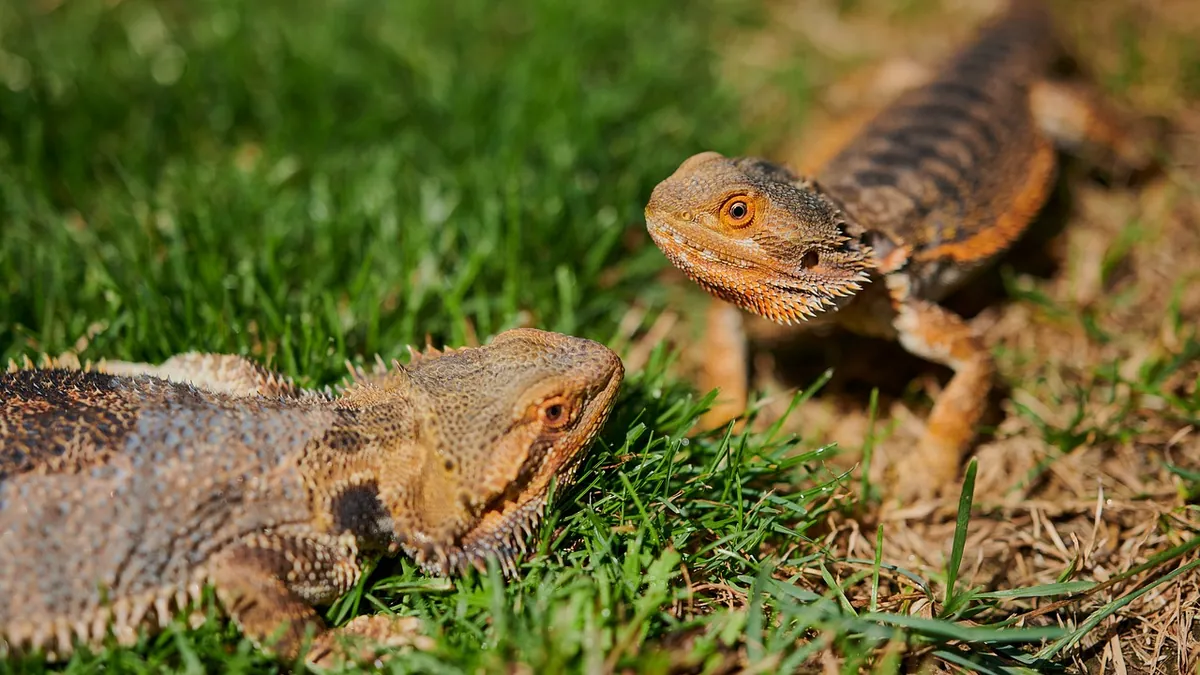
A fall of 3 feet is a serious drop for a bearded dragon, and it can cause fractures, internal bleeding, or shock even if your pet looks fine at first. If your bearded dragon fell 3 feet, keep him calm and warm, limit handling, and check for swelling, dragging limbs, open wounds, or trouble breathing. Contact an exotic veterinarian the same day, and go to an emergency clinic now if you see bleeding, gasping, or a limp or paralyzed limb.
This article is educational and is not a substitute for veterinary diagnosis or treatment.
Quick Answer
- Treat any fall from 3 feet as a possible emergency. Bearded dragons are built for ground and low climbing, not for drops from furniture or tank tops.
- Do not pick him up by the tail or limbs. Scoop him gently from underneath with both hands and place him in a quiet, warm, dark carrier.
- Look for these red flags right away: open wounds, a bent or dangling limb, dragging the back legs, blood from the mouth or vent, gasping, or a black beard with a gaping mouth.
- Call an exotic or reptile veterinarian the same day even if he seems normal. Internal injuries and stress-related problems can show up hours later.
- Keep the carrier warm (around 85 to 90°F on the warm side) and do not feed him until a veterinarian has checked him.
What Happens When a Bearded Dragon Falls
Bearded dragons are sturdy animals, but they are not designed for falls from height. In the wild they spend most of their time on the ground, on low rocks, or on branches close to the ground. A drop of 3 feet, roughly the height of a kitchen counter or the top of a standard tank, is enough to cause real damage.
The most common injuries after a fall are fractures of the legs, spine, ribs, and jaw. Blunt-force trauma is a well-documented cause of serious injury in companion animals, and it is the most frequently recorded form of harm in legal cases involving pets [1]. A fall onto a hard floor, tile, or concrete is worse than a fall onto carpet or a soft blanket.
Internal injuries are harder to see. A fall can bruise the lungs, liver, or coelom (the body cavity), and it can cause bleeding that you will not notice for hours. Shock is also common after a fall. Shock means the body is not moving blood and oxygen properly, and it can be life-threatening even when there are no visible wounds.
Older dragons, obese dragons, and females carrying eggs may be at higher risk. Female bearded dragons can develop large follicles and ovarian problems that make the coelom heavy and fragile, and these cases often need surgical care [2]. If your dragon is a gravid female, a fall is even more concerning.
How to Check Your Bearded Dragon After a Fall
Step 1: Stabilize and Do Not Handle More Than Needed
Move slowly. Turn off heat lamps that could overheat him if he cannot move away. Place him in a small, dark, ventilated carrier lined with a soft towel. Keep the carrier warm but not hot. Do not soak him in water, do not give him food, and do not give any medication unless a veterinarian tells you to.
Step 2: Do a Visual Head-to-Tail Check
Look without touching too much. Check for:
- Open wounds, cuts, or bleeding
- A limb that looks bent, twisted, or shorter than the other side
- Swelling or bruising on a leg, tail, or jaw
- Dragging the back legs or inability to right himself
- Blood or foam around the mouth or nose
- A swollen or discolored vent
- Labored breathing, open-mouth breathing, or gasping
- A black beard, gaping mouth, or sudden lethargy
Step 3: Check Movement and Response
Gently watch him walk on a flat, non-slip surface. A normal dragon will move all four legs and hold his body off the ground. If one leg is not used, if the back legs drag, or if he cannot lift his head, that points to a fracture or spinal injury.
Step 4: Check the Belly and Tail Base
With clean hands, very lightly feel the belly for firm swelling, a hard mass, or a spot that makes him flinch. Do not press hard. If you feel something abnormal, stop and call the vet.
Step 5: Watch for Shock
Signs of shock include pale gums, cold limbs, rapid shallow breathing, weakness, and a lack of response to touch. Shock can develop within minutes to hours. Keep him warm and get veterinary help immediately.
When to Seek Emergency Reptile Vet Care
Go to an emergency exotic or reptile veterinarian right now if you see any of these:
- Bleeding that does not stop
- Open fracture (bone through the skin)
- Gasping, open-mouth breathing, or blue or pale gums
- Dragging the back legs or complete paralysis
- A limb that is clearly broken or dangling
- Blood from the mouth, nose, or vent
- Seizures, twitching, or loss of consciousness
- A black beard with a wide-open mouth and no response to you
Call your regular exotic vet the same day if your dragon seems stable but you noticed any of these:
- He is quieter than usual or hiding more
- He refuses food
- He has not pooped within 24 to 48 hours
- He is holding one leg oddly
- He has a small swelling or a scab
- He seems to be in pain when touched
If your dragon is not eating or pooping normally after the fall, these guides can help you understand what to watch for: Bearded Dragon Care: GI Stasis Emergency Triage & Massage Protocol and Bearded Dragon Illnesses: A Comprehensive Guide to Symptoms and Care.
What the Veterinarian Will Do
Physical Examination
The vet will start with a full exam. They will check the limbs, spine, jaw, eyes, mouth, and vent. They will look for swelling, crepitus (a grinding feeling when broken bone ends rub), and pain. They will also check your dragon's hydration and body condition.
Imaging
X-rays are the main tool for finding fractures. The vet may take several views to see the spine, legs, ribs, and jaw. Ultrasound can help look at the coelom and internal organs. In female dragons, ultrasound is often used to check for follicles and ovarian problems, and follicles were found in all cases where ultrasound was performed in one study of surgical sterilization [2].
Blood Work
Blood tests can show anemia, organ damage, infection, or stress. Elevated bile acids were the most common abnormal blood finding in a study of bearded dragons that had surgery [2]. Blood work helps the vet decide how serious the injury is and what treatment is safe.
Pain Management and Supportive Care
Reptiles feel pain, and pain control matters. The vet will calculate any drug dose based on your dragon's weight and health. Never give human pain medicine to a reptile. Drugs like ibuprofen and acetaminophen are toxic to many animals.
Supportive care may include fluids under the skin, warmth, oxygen, and a quiet recovery area. If there is a fracture, the vet may splint or wrap the limb. Some fractures need surgery. If the spine is broken, the outlook is often poor, and the vet will discuss quality of life with you.
Surgery
Surgery may be needed for open fractures, internal bleeding, or organ damage. Surgical care in bearded dragons is possible, and a recent study of 25 female dragons that had ovariectomy or ovariosalpingectomy found that outcomes were reasonable in both stable and critical patients [2]. That study focused on reproductive surgery, but it shows that bearded dragons can tolerate major procedures with proper anesthesia and monitoring.
Recovery Timeline and Home Care
| Time After Fall | What to Do | What to Watch For |
|---|---|---|
| First 24 hours | Keep in a quiet, warm carrier. No food unless the vet says it is okay. Limit handling. | Breathing changes, bleeding, black beard, lethargy |
| Days 1 to 3 | Follow vet instructions. Offer small meals if approved. Keep the tank simple with no climbing decor. | Refusing food, no poop, swelling, limping |
| Days 3 to 7 | Continue any medications exactly as prescribed. Keep the tank warm and clean. | Worsening lameness, weight loss, discharge from a wound |
| Weeks 2 to 4 | Gradual return to normal handling if the vet approves. Keep climbing low. | Slow healing, stiffness, changes in appetite |
| Weeks 4 to 8 | Most soft tissue injuries improve. Bone healing takes longer. | Persistent limping or swelling, which needs a recheck |
Home care basics:
- Use a hospital tank or a simple setup with paper towel substrate. This makes it easy to see poop, blood, or discharge.
- Keep the basking spot at the correct temperature for your dragon. A sick or injured dragon may not move to regulate its own temperature.
- Do not let him climb. Remove branches, hammocks, and tall decor.
- Keep the tank clean to prevent infection in any wound.
- Handle him as little as possible for the first week.
If your dragon stops eating or pooping, or if you are worried about impaction from substrate, this guide can help: Bearded Dragon Care: Impaction substrate and emergency treatment guide.
Possible Complications and Warning Signs
Complications can appear days after the fall. Watch for:
- Infection in an open wound
- Bone infection after a fracture
- Internal bleeding that causes weakness, pale gums, or collapse
- Spinal damage that causes permanent paralysis
- Organ damage that changes appetite, poop, or behavior
- Shock that worsens despite warmth and rest
Call the vet right away if your dragon gets worse instead of better. A dragon that was walking on day one and is dragging a leg on day three needs to be seen again.
Questions to Ask the Veterinarian
- What injuries did you find, and how serious are they?
- Does my dragon need X-rays or blood work today?
- What pain medication is safe, and what dose should I give?
- How do I keep the tank set up during recovery?
- When should I bring him back for a recheck?
- What signs mean I should come back sooner?
- Is surgery needed, and what is the expected outcome?
Limitations and When to Contact a Veterinarian
This article cannot tell you whether your specific dragon has a fracture or internal injury. Only a veterinarian who examines your pet can do that. Individual cases need a veterinarian.
Contact a veterinarian the same day if your dragon is quiet, off food, limping, or not pooping normally after the fall. Go to an emergency clinic now if there is bleeding, gasping, paralysis, a dangling limb, or a black beard with a gaping mouth. If you are unsure, call and ask. It is always better to have your dragon checked than to wait.
Frequently Asked Questions
Can a bearded dragon survive a 3-foot fall?
Yes, many bearded dragons survive a fall from 3 feet, especially if they land on a soft surface and get prompt care. Survival depends on what was injured, how quickly you get help, and your dragon's overall health. Even if he looks fine, a same-day vet visit is the safest choice.
How do I know if my bearded dragon broke a bone?
You cannot know for sure without X-rays. Signs that suggest a fracture include swelling, a bent or dangling limb, refusing to use a leg, dragging the back legs, or crying out when touched. A veterinarian can confirm a fracture with imaging and start pain control.
What are the signs of internal bleeding in a bearded dragon?
Watch for weakness, pale gums, cold limbs, rapid breathing, collapse, or a belly that looks swollen and feels firm. Internal bleeding can be hidden at first and may only show up hours later. These signs mean an emergency visit right away.
Should I feed my bearded dragon after a fall?
Do not feed him until a veterinarian says it is safe. Food can cause problems if he is in shock, has a spinal injury, or needs anesthesia. Once the vet clears him, offer small meals and watch for normal pooping.
Can a bearded dragon recover from a spinal injury?
Some dragons recover with rest, supportive care, and time, but severe spinal injuries can cause permanent paralysis. The outcome depends on where the spine was damaged and how badly. A veterinarian can assess the damage and talk with you about quality of life and care options.
Related Articles
- Bearded Dragon Care: Impaction substrate and emergency treatment guide
- Bearded Dragon Care: GI Stasis Emergency Triage & Massage Protocol
- Bearded Dragon Care: Overgrown Dental Spurs & Tooth Trimming Guide
- Bearded Dragon Brumation Guide
- Bearded Dragon Illnesses: A Comprehensive Guide to Symptoms and Care
- Bearded Dragon Lifespan and Common Health Problems
- Bearded Dragon Not Using Its Back or Front Legs
- Do Bearded Dragons Jump? Normal Behavior and Safety
- My Bearded Dragon Died Suddenly: Causes and What to Do
References
- Companion-Animal Abuse in South Korea: Welfare and Veterinary Implications from Criminal-Court Decisions (2003-2025). Animals : an open access journal from MDPI, 2026.
- Ovariectomy and ovariosalpingectomy have reasonable outcomes in stable and critical client-owned bearded dragons (Pogona vitticeps). Journal of the American Veterinary Medical Association, 2026.