Do Ball Pythons Recognize Their Owners? What Science Says
By Dr. Zubair Khalid, DVM, MS, PhD ·
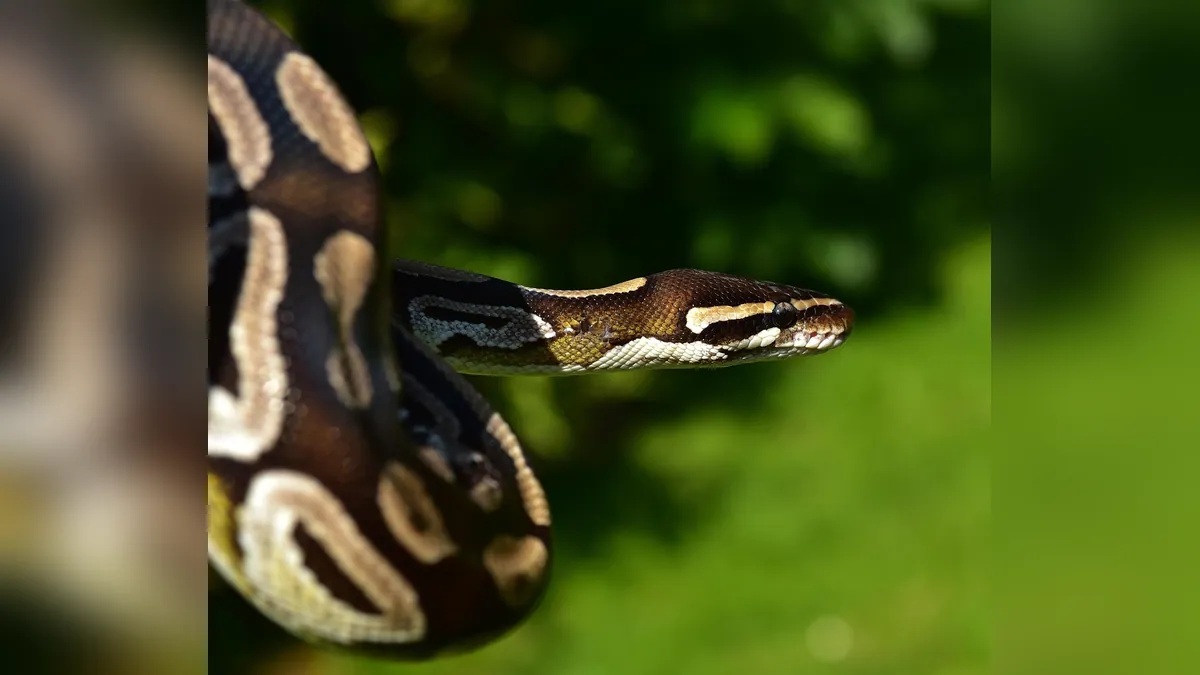
Do ball pythons recognize their owners? The short answer is yes, in a limited way. Ball pythons can learn to tell familiar people from strangers using scent, body heat, and routine, but they do not form emotional attachments the way a dog or cat does. What looks like recognition is really a mix of memory, calm handling, and a snake that has learned you are safe.
This article is educational and is not a substitute for veterinary diagnosis or treatment.
Quick Answer
- Your ball python can likely tell you apart from a stranger by smell and by the way you handle it, not by "loving" you.
- Reptiles in research can learn to recognize familiar individuals through chemical cues, which supports the idea that your snake knows your scent [1][2].
- A calm, curious snake that tongue flicks and explores is usually comfortable, while a snake that balls up, hisses, or strikes is stressed or scared.
- Recognition builds slowly. It depends on consistent, gentle handling and a well-set-up enclosure, not on how much you want a cuddly pet.
- If your snake suddenly acts afraid of you after months of calm handling, look for a health or environment problem before assuming it "forgot" you.
Do Ball Pythons Recognize Their Owners? What the Science Says
Snakes do not have the brain structures that mammals use for social bonding, so they do not feel affection in the human sense. What they do have is a strong ability to learn and remember. A ball python that has been handled gently many times can learn that a particular person is not a threat.
Research on reptiles shows real recognition skills. In one study, an amphisbaenian reptile (a burrowing relative of lizards) could tell familiar juveniles from unfamiliar ones using chemical cues alone, and young could tell familiar adults from strangers [1]. Another study found that common wall lizards can learn to identify individual conspecifics through chemical signals [2]. These are not ball pythons, but they show that reptile brains are capable of individual recognition.
The most direct evidence for pets comes from a study on Tokay geckos. These geckos changed their behavior based on whether a handler was familiar or unfamiliar, and their responses depended on the situation [3]. In a routine feeding context, they behaved differently toward a familiar person. That is close to what many ball python owners describe: the snake is calm with them and defensive with a guest.
So do ball pythons remember their owners? They can remember a familiar scent and a familiar handling pattern. They do not remember you as a friend. They remember you as "safe" or "not safe," which is still meaningful for how you care for them.
Scent Is the Main Channel
Snakes "taste" the air with their tongue and process those chemicals with a special organ in the roof of the mouth. This is how they read the world. Chemical cues are the main way reptiles identify other individuals [1][2]. Your scent, your soap, your laundry detergent, and your skin oils all become part of your signature.
Heat and Routine Add to the Picture
Ball pythons also sense body heat through pit organs on their face. They learn the warmth and size of your hands. Combine that with a predictable routine (same time, same calm approach, same handling style) and your snake builds a simple mental file on you.
What "Bonding" Really Means
Do ball pythons bond with their owners? Not in an emotional sense. They can become habituated to you, which means repeated safe contact lowers their fear response. That is the closest thing to bonding a snake offers. If you want a pet that shows affection, a ball python is not that animal, and expecting it to be can lead to frustration and poor care.
Do Ball Pythons Like Their Owners?
Owners often ask whether their snake likes them. The honest answer is that "liking" is not how a snake's mind works. A ball python can be comfortable with you, tolerate handling, and even seem curious about you. That is not the same as affection.
What you can measure is stress versus comfort. A relaxed ball python moves with loose, steady muscle tone, flicks its tongue, and explores. A stressed one tenses, pulls away, balls up, or strikes. If your snake is consistently relaxed in your hands and tense with strangers, that is the practical version of "liking" you in a snake.
Do Ball Pythons Get Attached to Their Owners?
Attachment implies a social bond, and snakes are not social in that way. They are solitary animals that come together mainly to breed. A ball python does not miss you when you are gone, and it will not pine for you.
What it can do is get used to you. This is called habituation, and it is real and useful. A habituated snake is easier to handle, easier to examine, and less likely to bite during routine care. The Tokay gecko study showed that reptiles adjust behavior based on handler familiarity, which is the same principle at work in your home [3].
Do Ball Pythons Bite Their Owners?
Yes, ball pythons can bite, but they are one of the least likely pet snakes to do it. Most bites happen for one of a few reasons:
- Feeding mistake. Your hand smells like a rodent, or you reach in during feeding mode.
- Fear. A sudden grab, a drop, or a loud noise startles the snake.
- Stress from poor conditions. Wrong temperatures, no hiding spots, or constant handling wear a snake down.
- Pain or illness. A sick or injured snake may bite defensively.
A bite from a ball python is usually minor, but any bite that breaks the skin needs to be cleaned and watched for infection. If the snake bites and holds on, do not pull back. Support the snake and let it release, or use a cool, wet cloth near its head. Pulling can tear your skin and injure the snake's teeth.
Medical and Environmental Causes to Rule Out Before Behavior Training
If your ball python suddenly seems to "forget" you, treat it as a health or husbandry question first. Behavior change is often the earliest sign of a problem.
- Temperature and humidity problems. Ball pythons need a proper thermal gradient. Too cold and they cannot digest or regulate properly. Too dry and they struggle to shed.
- Respiratory infection. Look for wheezing, bubbling around the mouth or nose, or open-mouth breathing. This needs a vet visit.
- Mites. These tiny parasites cause constant irritation and can make a snake restless or defensive.
- Retained shed or eye caps. A snake that cannot see well may strike out of confusion.
- Pain. An injury, an abscess, or a burn from an unregulated heat source can make handling painful.
- Stress from the enclosure. Too small a tank, no hides, or a busy, high-traffic location keeps a snake on edge.
A snake that is comfortable in its body is far more likely to be comfortable with you. If your setup is off, no amount of handling will fix the behavior. For more on getting the enclosure right, see Ball Python Care: Pyramiding & Shell Health Management and Bioactive Ball Python Enclosures: Soil Mixes, Live Vegetation, and Mold Prevention.
When Recognition Becomes a Problem
Recognition itself is not a problem. The trouble starts when owners misread a snake's signals.
- The snake hides every time you approach. This is fear, not shyness. It often means handling is too frequent, too fast, or paired with stress.
- The snake strikes at the glass or at hands. This can be feeding response, but it can also be defensive. Either way, it needs a plan.
- The snake stops eating. Stress, illness, and seasonal changes can all cause this. A ball python that refuses food for weeks needs a vet check.
- The snake seems to "prefer" one family member. This is usually about handling style and scent, not a real preference. The calmer, more predictable handler gets the calmer snake.
How to Build Trust Step by Step
You cannot force recognition. You can create the conditions for it.
1. Fix the Enclosure First
Set correct temperatures, humidity, and at least two hides (one on the warm side, one on the cool side). A snake with good hiding spots feels secure and handles better. If your snake is young or you are unsure about growth and shedding stages, Snake Lifespan and Growth: What to Expect as a Pet Owner covers what normal looks like over time.
2. Handle Calmly and Consistently
Approach from the side, not in published veterinary research (a shadow in published veterinary research looks like a predator). Support the body with both hands. Keep sessions short at first, a few minutes, and end on a calm note. Wash your hands before and after, and avoid handling right after you have touched rodents.
3. Let the Snake Choose
If your snake pulls away or balls up, put it back. Forcing contact teaches fear, not trust. Short, positive sessions build far more than long ones.
4. Use Scent and Routine
Handle at similar times. Use the same calm voice. Your snake will link your scent and pattern with safety. This is the practical core of how ball pythons recognize their owners.
5. Add Enrichment
Climbing branches, cork bark, and occasional supervised exploration give your snake mental stimulation. A bored snake is often a stressed snake. If you plan to breed or are managing a pair, Ball Python Breeding: Genetics, Pairing, and Incubation and Understanding Snake Reproduction: Mating Behaviors, Egg-Laying, and Live Birth explain the reproductive side, which is a different kind of handling entirely.
What Not to Do
- Do not punish your snake. Snakes do not understand punishment. Hitting, tapping, or spraying only increases fear and biting.
- Do not force handling. Picking up a hiding, tense snake every day teaches it that you are a threat.
- Do not believe the myth that snakes "love" their owners. This leads to overhandling and stress.
- Do not believe the myth that snakes cannot learn you. They can, through scent and routine [1][2][3].
- Do not handle during shedding or right after a meal. Give at least 48 hours after feeding, and leave the snake alone while it is in blue.
- Do not use your bare hands to move a defensive snake. Use a snake hook or a soft towel if you must.
Limitations and When to Contact a Veterinarian
Recognition in snakes is real but limited. Your ball python may know your scent and stay calm with you, and that is the realistic ceiling. It will not love you, and it will not grieve if you rehome it. Individual cases need a veterinarian, so use the guidance below as a starting point, not a diagnosis.
Contact an emergency veterinarian now if you see:
- Open-mouth breathing, gasping, or a snake that cannot right itself
- A prolapse (tissue protruding from the vent)
- A serious bite wound, burn, or bleeding that will not stop
- Seizures, tremors, or sudden paralysis
Contact your veterinarian the same day if you see:
- Wheezing, bubbling, or discharge from the mouth or nose
- Refusal to eat for several weeks in an adult, or any refusal in a young snake
- Mites, retained shed, or retained eye caps
- Sudden aggression in a snake that was previously calm
Schedule a routine visit if:
- Your snake has never had a wellness exam
- You are unsure about temperatures, humidity, or feeding schedule
- You notice gradual changes in behavior, appetite, or shedding
Frequently Asked Questions
Do ball pythons know their owners by sight?
Probably not in the way you mean. Snakes have limited vision for detail, and they rely far more on scent and heat. Your snake is more likely to recognize your smell and your handling pattern than your face.
How long does it take for a ball python to get used to you?
There is no fixed timeline, and it varies by individual. With calm, consistent handling and a good enclosure, many snakes settle within a few weeks to a few months. Rushing the process usually slows it down.
Why does my ball python hide when I come near?
Hiding is a fear response, not a sign of dislike. It often means handling is too frequent, too fast, or happening in a stressful setup. Check your temperatures, hides, and handling routine before assuming anything about your snake's personality.
Can a ball python tell me apart from a stranger?
Often, yes. Reptiles can adjust behavior based on handler familiarity, and chemical cues are a major way they identify individuals [1][2][3]. A snake that is calm with you and defensive with a guest is showing exactly this kind of discrimination.
Do ball pythons get sad or lonely when left alone?
No. Ball pythons are solitary animals and do not need company. In fact, most prefer to be left alone except for feeding, cleaning, and short handling sessions. A snake that is hiding most of the time is usually behaving normally, not suffering from loneliness.
Related Articles
- Ball Python Breeding: Genetics, Pairing, and Incubation
- Snake Lifespan and Growth: What to Expect as a Pet Owner
- Ball Python Care: Pyramiding & Shell Health Management
- Bioactive Ball Python Enclosures: Soil Mixes, Live Vegetation, and Mold Prevention
- Understanding Snake Reproduction: Mating Behaviors, Egg-Laying, and Live Birth
- Snake Senses: How Snakes Hear, See, and Smell the World
- Do Ball Pythons Make Good Pets? Honest Owner Guide
- Does My Ball Python Like Being Held? Reading the Signs
- Do Leopard Geckos Recognize Their Owners? What Science Says
References
- Offspring and adult chemosensory recognition by an amphisbaenian reptile may allow maintaining familiar links in the fossorial environment. PeerJ, 2021.
- Common wall lizards learn familiar-unfamiliar identity of conspecifics through chemical cues. Learning & behavior, 2025.
- Tokay geckos adjust their behaviour based on handler familiarity but according to context. Scientific reports, 2025.