Do Tortoises and Turtles Bite? What Owners Should Know
By Dr. Zubair Khalid, DVM, MS, PhD ·
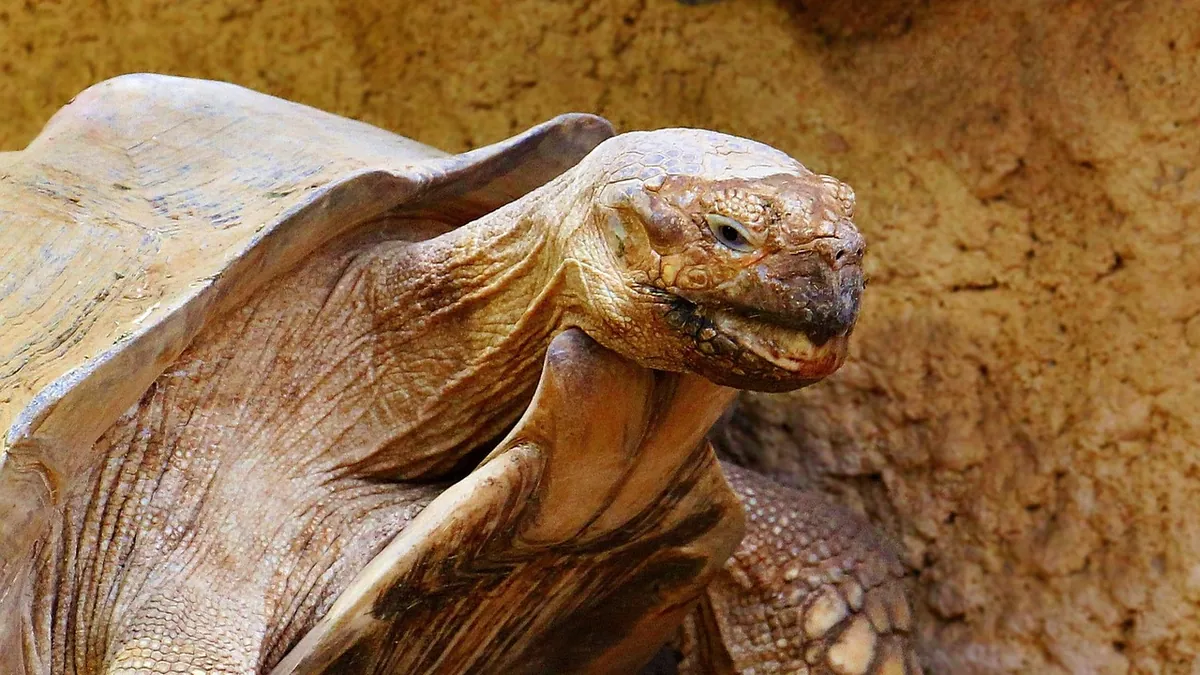
Do tortoises bite? Yes, they can, and so can turtles. Most bites happen when a reptile feels threatened, is handled roughly, or mistakes a finger for food. A bite is usually a defensive move, not an attack, and understanding the reasons behind it helps you prevent one.
This article is educational and is not a substitute for veterinary diagnosis or treatment.
Quick Answer
- Tortoises and turtles have sharp, beak-like jaws and can bite hard enough to break skin, especially larger species.
- Most bites are defensive reactions to handling, crowding, or sudden movement near the head.
- Aggression in turtles has a real biological basis, tied to brain signaling pathways that drive reactive attacks [1].
- Never punish a biting reptile. Punishment raises stress and makes biting more likely.
- If a bite breaks your skin, wash it well and call your doctor, because reptile mouths carry bacteria.
Why Tortoises and Turtles Bite
Defensive Biting Is Normal
A tortoise or turtle that feels cornered will often hiss, pull in, or lunge. The bite is a last resort when retreat is not possible. This is normal behavior, and it does not mean your pet is mean.
Reptiles rely on body language and quick reactions to stay safe. When a large hand comes in published veterinary research, it can look like a predator. A sudden grab near the shell or head triggers the same response.
Food Motivation and Mistaken Identity
Many aquatic turtles are eager feeders. They learn that hands near the water mean food. A finger wiggling in the tank can look like a worm or a piece of fish. This is one of the most common reasons pet turtles bite their owners.
Tortoises are usually slower to bite, but they can still snap at brightly colored objects, toes, or fingers that smell like fruit. Hand-feeding without tongs teaches this habit fast.
Aggression Between Reptiles
Turtles can be aggressive toward each other, not only toward people. Research on the Chinese softshell turtle found that aggressive individuals show changes in glutamate and GABA signaling in the brain, and blocking a specific glutamate receptor reduced attacks [1]. This tells us that reactive aggression in turtles has a strong neurological driver.
That does not mean your pet is broken. It means aggression is a natural response that can be managed with space, proper housing, and reduced triggers.
Species and Size Matter
Small species like box turtles rarely do more than pinch. Large tortoises, such as sulcatas, have powerful jaws and can cause a serious wound. If you keep a big species, plan your handling around safety from day one. A solid care routine helps, and you can review husbandry basics in our Sulcata Tortoise Care Guide and Hermann's Tortoise Care Guide.
Do Turtles Bite? What to Know About Aquatic Species
Yes, turtles bite, and aquatic turtles may bite more readily than tortoises. They are often faster and more food-focused. Red-eared sliders and similar species can deliver a painful nip when they are hungry or startled.
Overgrown beak edges can make bites worse. A sharp, uneven beak cuts more easily than a properly worn one. Our guide on Red-Eared Slider Turtle Care: Overgrown Dental Spurs & Tooth Trimming Guide explains when a beak needs professional attention.
Do Turtles in Hawaii Bite?
Yes, turtles in Hawaii can bite, but the situation is different from pet turtles. The turtles you see on Hawaiian beaches are green sea turtles, which are protected under federal law. You must not touch, chase, or feed them.
Green sea turtles are generally calm and not aggressive toward people. Bites are rare and usually happen only if a turtle is handled, cornered, or fed illegally. Keep a respectful distance, and a bite will almost never be a concern.
Medical Causes to Rule Out Before Assuming It Is Behavioral
Sometimes a bite is a sign of pain or illness, not temperament. A reptile in discomfort may bite when its body is touched or moved.
Watch for these medical triggers:
- Pain or injury. A cracked shell, abscess, or swollen limb makes any handling painful.
- Eye or ear problems. Poor vision can make a tortoise misjudge a hand as food or a threat.
- Respiratory infection. Labored breathing and stress lower tolerance for contact.
- Parasites. Ticks and other external parasites cause irritation and restlessness. One report described a captive boa heavily infested with ticks, with ticks also found throughout the enclosure [2]. Reptiles with skin parasites may react defensively to touch.
- Nutritional problems. Low calcium and poor lighting affect nerve and muscle function, which can change behavior.
- Hormonal changes. Some males become more territorial during breeding season.
If biting starts suddenly in a calm, well-handled pet, a veterinary exam is the right first step. Pain and illness are common reasons for new aggression.
When Biting Becomes a Problem
An occasional warning nip is one thing. A pattern of biting is another. Biting becomes a problem when:
- It happens every time you clean the enclosure or offer food.
- It breaks skin or draws blood.
- It is directed at children or guests.
- It comes with pacing, head bobbing, or charging.
- It started after a change in housing, diet, or tank mates.
Any of these patterns deserves a plan. Start with a vet visit to rule out medical causes, then address environment and handling.
What to Do Step by Step
1. Change How You Handle Your Reptile
Support the shell from below with both hands. Never lift a tortoise or turtle by the shell edge or by one side. Keep your fingers away from the head, and approach from the side, not in published veterinary research.
For aquatic turtles, scoop from underneath instead of grabbing from the top. Move slowly and keep sessions short.
2. Use Tools for Feeding
Feed with tongs or place food in a dish. Do not hand-feed. This single change prevents many food-motivated bites.
3. Give Enough Space
Crowding raises stress and aggression. House turtles separately if they fight. Provide a basking area, a hiding spot, and enough floor space for each animal to move away from the others.
4. Add Enrichment
Reptiles need mental and physical activity. Rotate food items, add safe items to explore, and give tortoises outdoor time in a secure pen when weather allows. A busy reptile is a calmer reptile.
5. Keep a Consistent Routine
Feed, clean, and handle at similar times. Predictability lowers stress. Sudden changes in routine or environment often trigger defensive behavior.
6. Wash Your Hands
Wash before and after handling. Reptiles can carry bacteria such as Salmonella, and a bite can introduce mouth bacteria into a wound.
What Not to Do
Do Not Punish or Tap the Shell
Tapping, flicking, or yelling does not teach a reptile anything useful. It raises stress and can make biting worse. Reptiles do not learn from punishment the way dogs do.
Do Not Assume It Is "Just Meanness"
Labeling your pet as mean stops you from looking for the real cause. Pain, poor housing, and hunger are far more common than true temperament problems.
Do Not Ignore a Bite Wound
A small bite can become an infection. Clean the wound, cover it, and seek medical care if it is deep, on a joint or hand, or shows signs of infection.
Do Not Rely on Myths
Myths about tortoises "locking on" and never letting go, or turtles being unable to bite through skin, are not reliable. Treat every bite as a real injury risk.
Do Not Mix Species Without Research
Different species have different space, temperature, and diet needs. Poor matches raise stress and biting. If you keep amphibians too, our article on Axolotl Teeth and Biting: What Owners Should Know covers similar handling principles.
When to Involve a Veterinarian or Behavior Professional
Call a veterinarian if:
- Biting started suddenly in a previously calm pet.
- You see swelling, discharge, or a change in appetite.
- The reptile is not eating, is lethargic, or has trouble breathing.
- A bite on your own skin is deep, will not stop bleeding, or becomes red and warm.
A reptile-experienced veterinarian can check for pain, infection, and parasites. A certified behavior professional can help with housing and handling plans for repeat biters.
Limitations and When to Contact a Veterinarian
This article covers general principles, not your specific pet. Individual cases need a veterinarian who can examine the animal and ask about its history.
Contact a veterinarian the same day if:
- Your tortoise or turtle has not eaten for several days.
- You notice swelling, a wound, or discharge on the shell or skin.
- Biting is new and comes with hiding, pacing, or refusal to bask.
Seek emergency care now if:
- A bite on a person will not stop bleeding or involves a deep puncture.
- Your reptile shows trouble breathing, open-mouth breathing, or collapse.
- You suspect a shell fracture or a fall injury.
Schedule a routine visit if:
- Biting is a long-standing pattern you want to manage.
- You need help with beak trimming or nail care.
- You want a full husbandry review for housing, lighting, and diet.
Frequently Asked Questions
Can a tortoise bite through a fingernail?
Yes, a large tortoise can crack or cut a fingernail. Their jaws are strong and the beak edge is sharp. Keep fingers away from the mouth during handling and feeding.
Do all turtles bite?
No, not all turtles bite, but any turtle can bite if it feels threatened or is food-motivated. Temperament varies by species and individual. Proper handling and feeding with tools reduce the risk.
Is a turtle bite dangerous to humans?
It can be. A bite can break skin and introduce bacteria, and reptile mouths may carry organisms that cause infection. Clean any wound right away and see a doctor if it is deep or slow to heal.
How do I stop my turtle from biting during feeding?
Stop hand-feeding and use tongs or a feeding dish. Feed at set times so your turtle does not associate your hands with food. If biting continues, have a veterinarian check for pain or illness.
Should I get rid of my pet if it bites?
No, biting is usually a solvable problem. Rule out medical causes, adjust handling and housing, and get professional help if needed. Most reptiles can be managed safely with the right routine.
A Note on Bite Mechanics in Other Animals
Bite force and jaw function vary widely across species. Researchers have used computer models to estimate bite forces in fossil and living canids, showing how diet shapes jaw stress and efficiency [3]. Similar biomechanical principles apply to reptiles, though the anatomy differs. Understanding that a bite is a physical event with real force helps owners take it seriously.
Parasites and other health issues can also change behavior. A case report described ticks infesting a captive snake and its enclosure, with a person developing swelling, redness, and itching at bite sites [2]. This shows how closely reptile health, environment, and human safety are connected.
For owners of other pets, bite risk is not limited to reptiles. A review of snake-human conflict found that behavioral and environmental factors strongly shape when bites happen [4]. The lesson applies broadly: most bites are preventable with awareness and good management.
If you keep birds as well, our Turtle Dove Care: A Guide for Pet Owners covers handling and housing basics for a very different kind of pet.
Related Articles
- Hermann's Tortoise Care Guide
- Red-Eared Slider Turtle Care: Overgrown Dental Spurs & Tooth Trimming Guide
- Turtle Dove Care: A Guide for Pet Owners
- Sulcata Tortoise Care Guide
- Do Madagascar Hissing Cockroaches Bite? Safety and Handling
- Why Is My Turtle or Tortoise Hissing? Is It Aggression?
- Why Is My Turtle or Tortoise Making Noises?
- Do Tortoises Recognize Their Owners? Memory in Reptiles
References
- Integrated transcriptomic and metabolomic analysis unravels the molecular basis of conspecific aggression in Pelodiscus sinensis. Comparative biochemistry and physiology. Part D, Genomics & proteomics, 2026.
- Infestation by Ornithodoros rietcorreai on captive Boa constrictor with reports of human parasitism and environmental colonization. Revista brasileira de parasitologia veterinaria = Brazilian journal of veterinary parasitology : Orgao Oficial do Colegio Brasileiro de Parasitologia Veterinaria, 2026.
- Biomechanical bite simulation in Eucyon davisi (Mammalia, Canidae) and comparison with extant Canids. Scientific reports, 2025.
- Behavioural and environmental risk factors associated with snake-human conflict: A scoping systematic review. PLoS neglected tropical diseases, 2026.