Do Bearded Dragons Bite? Why It Happens and What to Do
By Dr. Zubair Khalid, DVM, MS, PhD ·
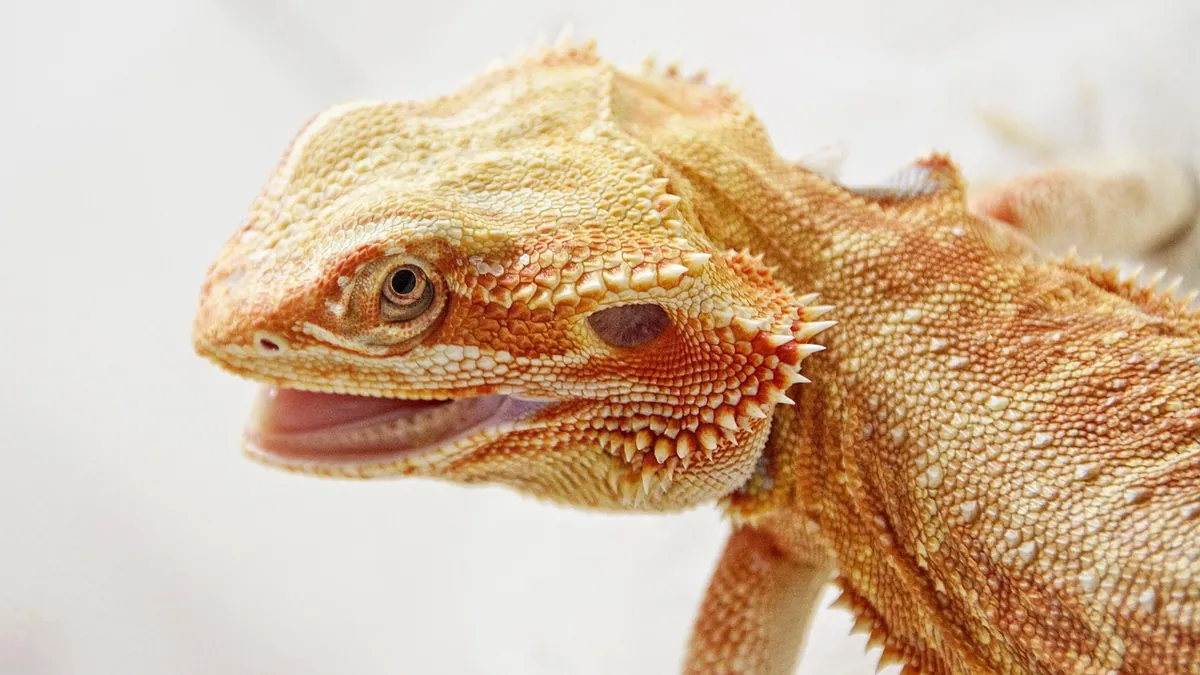
Do bearded dragons bite? Yes, they can, but biting is not their default way of greeting people. A bearded dragon usually bites when it feels threatened, is in pain, or has learned that biting makes a handler go away. Most bites are preventable once you understand the triggers and read the body language.
This article is educational and is not a substitute for veterinary diagnosis or treatment.
Quick Answer
- Bearded dragons have sharp teeth and strong jaws, and a bite can break skin or crush a fingernail.
- Most bites are defensive, triggered by sudden movement, rough handling, or a dragon that feels cornered.
- Illness and injury are common hidden causes, so a new bite from a normally calm dragon deserves a veterinary look.
- Warning signs usually come first: a black beard, open mouth, hissing, puffing, or a flattened body.
- Never punish a bite. Remove your hand, stay calm, and fix the trigger instead.
Why Bearded Dragons Bite
Defensive Biting Is the Most Common Reason
A bearded dragon that feels trapped will bite to create space. This happens most often when a hand comes in published veterinary research, when a dragon is scooped up mid nap, or when a child grabs it quickly. From the dragon's view, a large shadow dropping from overhead looks like a predator.
Biting is also a normal part of feeding. Bearded dragons are ambush predators that seize prey with a fast jaw snap. If your fingers smell like insects or greens, a hungry dragon may strike first and check later. This is a feeding mistake, not aggression.
Biting During Handling and Restraint
Some dragons tolerate handling well and others do not. A dragon that is held too tightly, flipped on its back, or restrained around the chest may bite to escape. Support the whole body, keep the dragon level, and keep sessions short at first.
Hormonal and Seasonal Biting
Adult males can become more reactive during breeding season. They may head bob, black beard, and bite at hands or cage mates. Females can also guard a nesting area. This pattern is seasonal and often settles, but it still needs safe handling.
Biting Between Cage Mates
Housing two or more bearded dragons together is a common cause of bites. Dragons are territorial, and bites between cage mates can cause serious wounds, missing toes, and tail loss. If dragons are fighting, separate them right away. This is a management problem, not a personality problem.
Medical Causes to Rule Out Before You Blame Behavior
A sudden change in temperament is a medical clue. Pain, poor vision, and metabolic problems can all make a calm dragon bite.
Pain and Dental Disease
Loose teeth, overgrown dental spurs, and mouth infections make eating and handling painful. A dragon with mouth pain may bite when you touch its face or when it tries to eat. If you see drooling, swelling, a foul odor, or food falling from the mouth, have the mouth examined. Our guide to overgrown dental spurs and tooth trimming explains what veterinarians look for.
Impaction and Gut Pain
A dragon that has not passed stool, is straining, or has a swollen belly may be uncomfortable enough to bite. Impaction is a serious problem that needs prompt care. Read more about the signs in our article on bearded dragon impaction.
Poor Vision and Neurologic Problems
Dragons with eye disease, vitamin A deficiency, or neurologic issues may misjudge distance and bite at a hand instead of food. Any dragon that misses food repeatedly or seems unsteady should be examined.
Stress From the Enclosure
Wrong temperatures, no hiding spots, and constant traffic near the tank raise stress. A stressed dragon is quicker to bite. Check your basking and cool zone temperatures with a digital thermometer, and give the dragon a place to hide.
Hormones and Reproduction
Gravid females and breeding males can be more defensive. This is normal biology, but it still requires careful handling and, in some cases, separation.
When Biting Becomes a Problem
An occasional defensive nip is common. Biting becomes a problem when it happens often, when it breaks skin, or when it is aimed at hands, faces, or other pets.
Is It Normal for Bearded Dragons to Bite?
It is normal for a bearded dragon to bite when it is frightened, hurt, or feeding. It is not normal for a healthy, well-socialized dragon to bite every time it is picked up. If biting is frequent, treat it as a signal that something in the environment, the handling routine, or the dragon's health needs to change.
Is It Common for Bearded Dragons to Bite?
Bites are uncommon in well-handled adults, and most owners never experience one. Bites are more common in newly acquired dragons, juveniles that have not been tamed, dragons housed together, and dragons in pain. Bite force in lizards varies with body size and head shape, and males often bite harder than females of the same species [1]. That means a large adult male can do real damage, so do not test a bite on purpose.
Warning Signs to Watch
Learn the pre bite signals so you can stop before a strike:
- Black beard or darkened throat
- Open mouth held wide (a gaping threat)
- Hissing, puffing, or a flattened, widened body
- Head bobbing and a stiff stance in males
- Tail whipping or a sudden freeze
- Backing into a corner or trying to climb the glass
A black beard is a broad stress signal, not always aggression. Our article on bearded dragon black beard behavior covers what different displays mean.
What to Do Step by Step
Step 1: Handle the Bite Safely
If you are bitten, do not jerk your hand away. Pulling can tear skin and break teeth. Stay still, let the dragon release, and then move your hand slowly out of the enclosure. Put the dragon down gently in its tank.
Step 2: Treat the Wound
Wash the bite with mild soap and running water for several minutes. Apply pressure with a clean cloth if it bleeds. Cover it with a clean bandage. Reptile mouths carry bacteria, and any bite that breaks skin can become infected. Watch for redness, swelling, warmth, pus, or increasing pain over the next few days. If those appear, see a doctor. People with weakened immune systems should seek medical care right away after any reptile bite.
Step 3: Find the Trigger
Write down what happened right before the bite. Common triggers include reaching in published veterinary research, waking the dragon, handling during shedding, feeding by hand, a new cage mate, or a recent move. Fixing the trigger solves most biting.
Step 4: Rebuild Trust With Short Sessions
Start with brief handling, one to two minutes at a time, a few days a week. Approach from the side at the dragon's eye level. Slide one hand under the chest and support the hind legs with the other. Let the dragon walk from hand to hand on a bed or floor instead of gripping it. End every session before the dragon shows stress.
Step 5: Use Food as a Training Tool
Tong feed insects instead of using fingers. This removes the hand equals food confusion. If you hand feed greens, hold them flat and far from your fingertips. Never tease a dragon with food.
Step 6: Improve the Enclosure
Give the dragon enough space, a proper temperature gradient, a hide on both the warm and cool side, and a low traffic spot. Correct UVB lighting and calcium intake support normal behavior and bone health. A dragon that feels secure in its tank is easier to handle.
Step 7: Separate Cage Mates
If two dragons are housed together and either one bites, separate them permanently. Do not wait for a serious wound. Bites between cage mates often escalate.
Step 8: Rule Out Pain
Book a veterinary exam if the biting is new, if the dragon is eating less, or if you see swelling, drooling, or a change in stool. Pain is a leading cause of sudden aggression in reptiles.
What Not to Do
- Do not tap, flick, or yell at the dragon. Punishment increases fear and makes biting more likely.
- Do not hold the dragon down or pin it. Restraint triggers defensive bites.
- Do not grab the tail. Bearded dragons can drop the tail tip, and grabbing is painful.
- Do not assume a bite is dominance. Reptiles do not think in those terms.
- Do not keep biting cage mates together hoping they will settle.
- Do not use gloves as your only plan. Gloves protect you but do not fix the cause.
- Do not ignore a bite that breaks skin. Reptile bites can infect people.
When to Involve a Veterinarian or Behavior Professional
Call a reptile experienced veterinarian if the biting is new, frequent, or paired with appetite loss, weight loss, drooling, swelling, or a change in droppings. These signs point to a medical cause that handling changes cannot fix.
Ask for a referral to a certified behavior professional if your veterinarian finds no medical cause and the biting continues. A qualified trainer can watch your handling routine and spot triggers you miss.
For general reptile husbandry and lifespan planning, see our guide to bearded dragon lifespan and care.
Limitations and When to Contact a Veterinarian
This article covers common patterns, but every dragon is an individual. A veterinarian who examines your pet can sort out pain, infection, and husbandry problems that a written guide cannot.
Contact a veterinarian the same day if:
- The bite broke your skin and the wound is deep, bleeding heavily, or on your hand or face
- Your dragon has not eaten for several days or is losing weight
- You see drooling, mouth swelling, or a foul odor
- The dragon is straining to pass stool or has a swollen belly
- A cage mate wound is open, bleeding, or has missing toes or tail tissue
Seek emergency care now if:
- You have a weakened immune system, diabetes, or a heart condition and were bitten
- The wound is spreading red, hot, or draining pus
- Your dragon is unresponsive, gasping, or having trouble breathing
- A bite wound on the dragon exposes bone or muscle
Schedule a routine visit if the biting is new but the dragon otherwise seems well. Early exams are cheaper and easier than emergency care.
Frequently Asked Questions
Do bearded dragons bite often?
No, most pet bearded dragons rarely bite. Biting is usually a response to fear, pain, or a feeding mistake, and it drops sharply once those triggers are removed.
Can a bearded dragon bite hurt?
Yes, a bite can hurt and can break skin. Adult males tend to bite harder than females of the same size, and a large dragon can crush a fingernail or leave puncture wounds.
Do bearded dragons bite when they are angry?
Bearded dragons do not experience anger the way people do. What looks like anger is usually fear, pain, or a defensive display, and the bite is meant to create distance.
Should I get rid of my bearded dragon after a bite?
No, most biting improves with better handling, a safer enclosure, and a veterinary check for pain. Rehoming is a last resort after medical and behavioral causes have been addressed.
How do I stop my bearded dragon from biting?
Approach from the side, support the whole body, tong feed instead of hand feeding, separate cage mates, and have a veterinarian rule out pain. Punishment makes biting worse, so focus on the trigger instead.
Do bearded dragons bite other pets?
Yes, a bearded dragon can bite a cat, dog, or another dragon if it feels threatened. Keep the enclosure secure and supervise any contact with other pets, ideally with no contact at all.
Related Articles
- Bearded Dragon Care: Overgrown Dental Spurs & Tooth Trimming Guide
- Bearded Dragon Impaction: Signs, Causes, and Veterinary Care
- Bearded Dragon Lifespan: What to Expect and How to Maximize It
- Bearded Dragon Black Beard: What It Means and When to Worry
- Understanding the Wild Bearded Dragon: Natural Habitat and Behavioral Insights
- My Bearded Dragon Bit Me: What to Do and Why It Happens
- Why Does My Bearded Dragon Lick or Bite Me? Behavior Explained
- What Do Bearded Dragons Like to Do? Daily Behavior Explained
References
- Sex-Specific Phenotype-Performance Links: Divergent Correlations Between Morphology, Coloration, and Bite Force in the Mountain Dragon (Diploderma vela). Ecology and evolution, 2026.