Do Ball Pythons Musk? What That Smell Really Means
By Dr. Zubair Khalid, DVM, MS, PhD ·
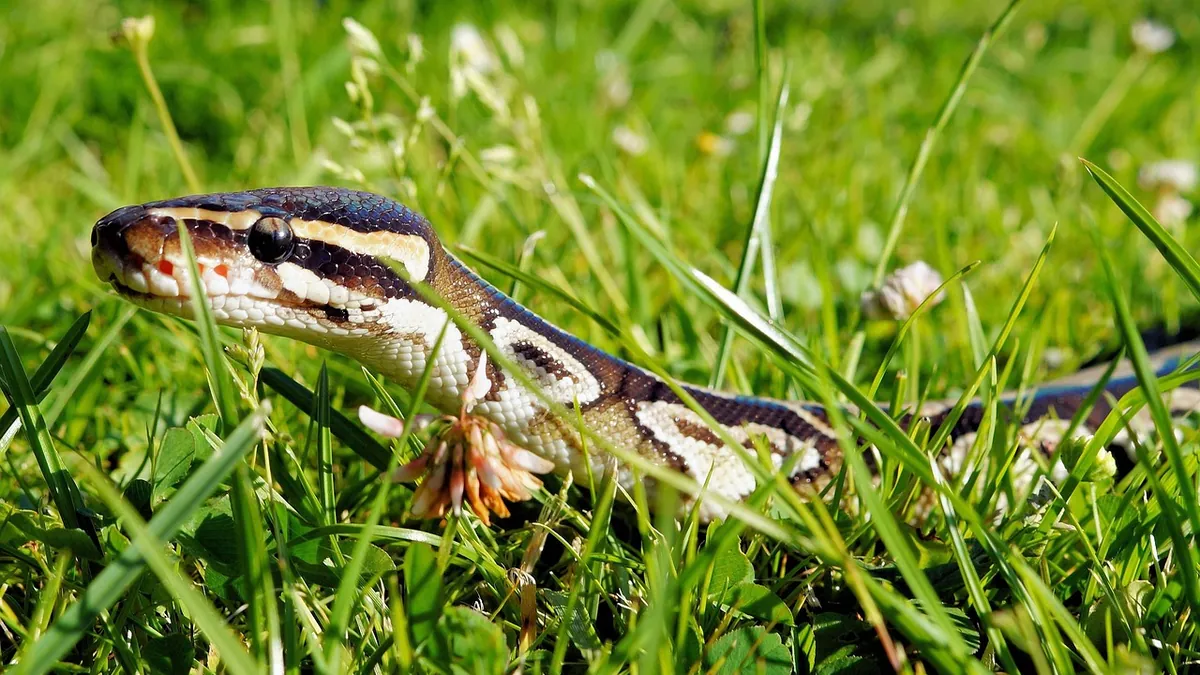
Do ball pythons musk? Yes, they can. A ball python that feels threatened may release a small amount of foul-smelling fluid from glands near the tail, and it is a normal defensive behavior, not a sign that your snake is dirty or mean. The smell is usually brief and manageable once you understand what triggered it.
This article is educational and is not a substitute for veterinary diagnosis or treatment.
Quick Answer
- Musking is a defense mechanism, not aggression or a health problem on its own.
- The odor comes from scent glands near the cloaca and is released when a snake feels threatened.
- Most ball pythons musk rarely, and calm, correct handling reduces the behavior over time.
- A sudden new smell, especially with discharge, wheezing, or appetite loss, needs a veterinary exam.
- Never punish a snake for musking. Punishment increases fear and makes musking more likely.
What Musking Is and Why Ball Pythons Do It
Musking is the release of a strong-smelling secretion from glands near the cloaca, the shared opening for the digestive, urinary, and reproductive tracts. Many reptiles have these glands, and the secretion carries chemical signals. Across reptiles and other vertebrates, scent chemicals play real roles in communication, including marking territory and signaling to other animals [1][2]. In a pet ball python, the practical meaning is simpler: your snake is saying "leave me alone" in the only way it can.
It Is a Fear Response, Not Spite
A snake that musks is usually scared. Common triggers include being picked up suddenly, being handled by an unfamiliar person, rough or fast movement, and being restrained near the head or tail. Young snakes and newly acquired snakes musk more often because everything is new. With repeated calm handling, most ball pythons settle down and stop musking.
Defensive Musk vs. Normal Odors
Ball pythons can have a mild, earthy smell from their enclosure, substrate, or a recent shed. That is different from defensive musk, which is sharp, musky, and often described as similar to skunk or burnt rubber. If the smell appears suddenly right after you pick up your snake, defensive musking is the likely cause.
Can Ball Pythons Musk Without Being Handled?
Yes. A snake may musk when a predator or a person approaches the enclosure, when it is cornered during a cage cleaning, or when it is moved to a new environment. The trigger is perceived threat, not contact.
Ball Python Musking Smell: What You Are Actually Smelling
The musking smell comes from glandular secretions that contain volatile compounds. Chemical analysis of scent secretions in other vertebrates has identified dozens of volatile components, including esters, aldehydes, ketones, and alcohols [3]. Similar chemistry underlies the strong odors of many animal scent marks, and fox urine studies have identified more than 50 possible scent compounds [4]. You do not need to know the chemistry to manage it, but it helps to know the smell is a normal biological product, not rot or infection.
The odor is usually strongest in the first few minutes. It fades as the secretion dries and as you ventilate the room. Washing your hands and any clothing that contacted the secretion removes most of it. A snake that musks does not need a bath unless the fluid is on its skin, and even then, a lukewarm, shallow soak with plain water is enough. Never use scented soaps or human shampoos on a snake.
Medical Causes to Rule Out
Musking itself is not a disease. However, a snake that suddenly smells different, or that produces discharge without being handled, may have a medical problem. The most common one in ball pythons is a respiratory infection. Signs include wheezing, clicking, open-mouth breathing, bubbles around the nostrils, and a foul odor from the mouth or nose. Respiratory infections in ball pythons are linked to humidity and temperature problems, and they need veterinary care. You can read more about recognizing them in our guide to ball python respiratory infections.
Other causes of abnormal odor include:
- Stomatitis (mouth rot), which causes swelling, discharge, and a bad smell in the mouth.
- Cloacal infection or impaction, which can cause discharge, swelling, or straining.
- Retained shed around the cloaca or eyes, which traps moisture and debris.
- Dirty enclosure conditions, including soiled substrate, mold, or spoiled food items.
A bioactive enclosure can develop a musty smell if the soil mix stays too wet or mold grows. That is an enclosure problem, not a snake problem, and it is covered in our article on bioactive ball python enclosures.
When Musking Becomes a Problem
Musking is only a problem when it happens often, when it happens with other signs of stress, or when it interferes with basic care. Watch for these patterns:
- Musking every time you open the enclosure, even for water changes.
- Striking, hissing, or fleeing along with musking.
- Refusing food, hiding constantly, or losing weight.
- Musking during routine handling that used to be calm.
Frequent musking usually means the snake does not feel safe. The fix is not to handle it more forcefully. The fix is to change how, when, and how often you interact with it.
How to Reduce Musking Step by Step
1. Rule Out Pain and Illness First
Before you work on handling, have a veterinarian examine a snake that musks constantly or shows other symptoms. A snake in pain from an injury, an infection, or a retained shed will react defensively to touch. Treating the underlying problem often reduces musking on its own.
2. Handle Calmly and Briefly
Support the snake's body with both hands. Do not grab the head or the tail. Keep sessions short at first, around five minutes, and end on a calm note. Put the snake back before it starts to thrash. Over weeks, most ball pythons learn that handling is not a threat.
3. Approach From the Side
A hand coming in published veterinary research looks like a predator. Slide your hand under the snake's midbody from the side. Let it smell your hand first if it is calm. Move slowly and avoid sudden temperature changes from cold hands.
4. Pick the Right Time
Handle when your snake is awake and active, usually in the evening. Avoid handling for at least 48 hours after a meal, during shedding, or when the snake is in a new enclosure. A snake that is digesting or shedding is already stressed.
5. Improve the Enclosure
A ball python that feels exposed will be defensive. Provide at least two hides, one on the warm side and one on the cool side. Keep the enclosure covered on three sides. Maintain correct temperatures and humidity for the species, and clean soiled substrate promptly. Snakes rely on scent and touch more than many owners realize, and a stable, familiar environment lowers stress. Our article on snake senses explains how they perceive the world.
6. Use Enrichment and Choice
Add branches, cork bark, and leaf litter so the snake can move and hide. Offer food with tongs instead of your hand. Let the snake choose whether to come out. Handling a snake that climbs onto your hand voluntarily is far easier than lifting a hiding snake out of a hide.
7. Keep a Simple Log
Write down when musking happens, what you did just before, and how the snake behaved. Patterns show up fast. Many owners find that musking stops once they stop handling during shedding or right after feeding.
What Not to Do
- Do not punish, tap, or spray a snake that musks. Punishment increases fear and makes the behavior worse.
- Do not assume musking means your snake hates you. It means it is scared.
- Do not handle a snake that is musking to "show it who is boss." That teaches the opposite of trust.
- Do not use air fresheners, scented candles, or strong cleaners near the enclosure. Reptiles are sensitive to airborne chemicals.
- Do not bathe a snake repeatedly to remove the smell. Overbathing dries the skin and adds stress.
- Do not ignore a foul smell that comes with discharge, wheezing, or swelling. That is a medical sign, not musking.
When to Involve a Veterinarian or Behavior Professional
Call a veterinarian who treats reptiles if your ball python musks with any of these signs:
- Wheezing, clicking, or open-mouth breathing.
- Nasal or oral discharge, or a foul smell from the mouth.
- Swelling, redness, or discharge around the cloaca.
- Weight loss, appetite loss, or lethargy.
- A retained shed that will not come off after a soak.
- Musking that continues despite calm handling for several weeks.
If your snake is otherwise healthy but you cannot make progress with handling, ask your veterinarian for a referral to a qualified reptile behavior professional. Many exotic animal veterinarians can coach you on handling and husbandry during a routine visit.
Limitations and When to Contact a Veterinarian
This article covers general information, and every snake is an individual. A veterinarian who examines your ball python can tell the difference between normal defensive musking and a medical problem.
Contact a veterinarian the same day if you see discharge from the nose or mouth, open-mouth breathing, swelling around the cloaca, or a sudden strong odor with no handling. Treat these as urgent if your snake is also lethargic or refusing food.
Go to an emergency veterinary hospital now if your snake is struggling to breathe, has prolapsed tissue from the cloaca, or has a severe injury. Do not wait for a regular appointment.
Schedule a routine visit if musking is frequent, if your snake has not eaten in several weeks, or if you are unsure whether your enclosure temperatures and humidity are correct. A routine exam is also a good time to review your setup and handling routine.
Frequently Asked Questions
Do all ball pythons musk?
No, not all of them do. Many ball pythons never musk, and others musk only as babies or during their first weeks in a new home. Musking is a defensive option, not a fixed trait.
Is ball python musk dangerous to people?
No, the secretion is not dangerous to humans. It smells bad and can stain fabric, but it does not carry disease to people through normal contact. Wash your hands and any soiled clothing with soap and water.
Does musking mean my ball python is aggressive?
No, musking is a fear response, not aggression. A snake that musks is trying to avoid a threat, and it usually calms down with gentle, consistent handling.
How long does the musking smell last?
The smell is strongest for a few minutes and fades as the secretion dries. Ventilating the room and washing your hands and clothing removes most of it. Airing out the enclosure for a short time helps too.
Can I stop my ball python from musking?
You can reduce it, but you cannot force it to stop overnight. Calm handling, correct temperatures and humidity, good hides, and patience are the main tools. If musking continues with other symptoms, see a reptile veterinarian.
Related Articles
- Snake Senses: How Snakes Hear, See, and Smell the World
- Ball Python Respiratory Infections: Symptoms, Humidity Control, and Veterinary Care
- Ball Python Care: Respiratory Infection Symptoms & Antibiotic Protocol
- Bioactive Ball Python Enclosures: Soil Mixes, Live Vegetation, and Mold Prevention
- Ball Python Respiratory Infection: Wheezing, Mouth Rot and Antibiotics
- Why Is My Ball Python Hissing? What It Means and What to Do
- Why Is My Ball Python Making a Squeaking Noise?
- Why Is My Ball Python Farting? Gas and Digestion in Snakes
References
- Lizard movement tracks: variation in path re-use behaviour is consistent with a scent-marking function. PeerJ, 2016.
- Proteinaceous Pheromone Homologs Identified from the Cloacal Gland Transcriptome of a Male Axolotl, Ambystoma mexicanum. PloS one, 2016.
- Sexual Dimorphism in Crowned Lemur Scent-Marking. Animals : an open access journal from MDPI, 2021.
- Volatile scent chemicals in the urine of the red fox, Vulpes vulpes. PloS one, 2021.