Ball Python Drinking and Water: How Much Is Normal?
By Dr. Zubair Khalid, DVM, MS, PhD ·
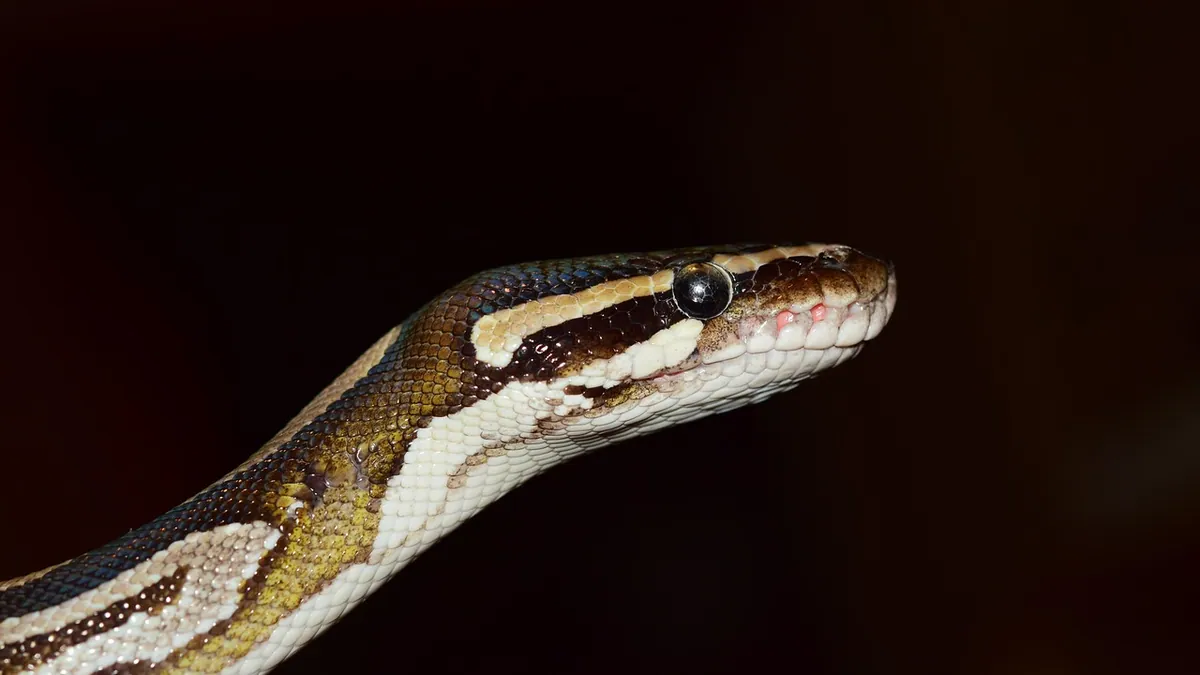
Do ball pythons drink water? Yes. A healthy ball python drinks fresh water on its own schedule, usually in small amounts between meals, and many will soak in their water bowl from time to time. Drinking and soaking are normal behaviors, but a sudden increase in either one can be an early clue that something in the enclosure or the snake's health needs attention.
This article is educational and is not a substitute for veterinary diagnosis or treatment.
Quick Answer
- A normal ball python drinks small amounts of fresh water, often at night, and does not need you to measure or force water intake.
- Fresh, clean water in a bowl heavy enough that it will not tip is the basic requirement. Change it at least every 1 to 2 days, or sooner if the snake soaks or defecates in it.
- Soaking is common and often normal, especially before a shed or when temperatures run warm. Constant soaking is not normal and deserves a closer look.
- A sudden jump in drinking or soaking can point to mites, overheating, dehydration, or illness, so check the enclosure and the snake's body carefully.
- Tap water is usually acceptable if it is safe for you to drink, but letting it sit out or using a water conditioner removes chlorine and chloramine if your municipal supply is heavily treated.
What Normal Drinking Looks Like in a Ball Python
Ball pythons are secretive snakes. You may go weeks without seeing yours drink, and that does not mean it is not drinking. Most drinking happens at night or when the snake is alone, often after a meal or after a shed.
A ball python's water needs come mostly from drinking, not from its food. Research in other snake species shows that eating a meal does not fix dehydration and can actually make a dehydrated snake worse. In western diamondbacked rattlesnakes, snakes that were given a meal reached severe dehydration more than a week sooner than snakes that did not eat [1]. Meal consumption in snakes also leads to increased voluntary drinking [1]. The practical takeaway for you is simple: your ball python still needs a clean water bowl even on feeding weeks, and it may drink more right after eating.
This pattern holds across reptiles. In common lizards, prey consumption did not improve hydration state no matter what prey type was offered, which suggests these animals depend primarily on drinking water [2]. Your snake is not a lizard, but the same principle applies. Food is not a substitute for a water bowl.
How Much Is "Normal"?
There is no fixed ounce-per-day number that applies to every ball python. Normal intake varies with body size, room temperature, humidity, feeding schedule, and how recently the snake shed. What matters more than a number is the pattern. A snake that has always taken a few sips and occasionally soaked is behaving normally. A snake that suddenly starts drinking constantly, or that parks itself in the bowl for days, is showing you a change.
If you want to track it, mark the water level on the bowl with a piece of tape or a dry-erase marker each morning. That gives you a rough sense of daily use without guessing.
Setting Up Water the Right Way: Step by Step
- Choose a bowl that is heavy, wide, and shallow enough for the snake to rest in without tipping. Ceramic or thick resin bowls work well.
- Fill with fresh water and place it on the cool side or in a neutral spot, not directly under a heat lamp where it will evaporate fast and raise humidity unpredictably.
- Change the water at least every 1 to 2 days. If the snake soaks, poops, or drags substrate into the bowl, change it immediately.
- Scrub the bowl with hot water and a reptile-safe cleaner once a week, then rinse thoroughly.
- Check the bowl every time you open the enclosure. A flipped or empty bowl is a welfare problem, not a minor inconvenience.
- Keep a spare bowl on hand so you can swap a clean one in during cleaning.
Can Ball Pythons Drink Tap Water?
In most U.S. homes, yes. If your tap water is safe for you to drink, it is generally acceptable for a ball python. The main concern is chlorine and chloramine, which municipal systems add to disinfect water. These can irritate a snake over time and may make the water less appealing.
If your water is heavily treated or you are unsure, you have two easy options. Fill a container and let it sit uncovered for 24 hours so chlorine dissipates, or use a reptile water conditioner that neutralizes chlorine and chloramine. Chloramine does not evaporate out the way chlorine does, so a conditioner is the more reliable choice if your supplier uses it.
Avoid softened water if you can. Water softeners add sodium, and a snake's small body does not need extra salt. Well water should be tested before use, especially if you live near agriculture or industry.
Do Ball Pythons Like to Be in Water?
Some do, some do not. Soaking is a normal behavior for many ball pythons, particularly before a shed when the skin starts to loosen, or when they are trying to cool down. A snake that spends a few hours in the bowl now and then is usually fine.
Watersnakes in the genus Nerodia have a thirst threshold of about a 4 percent loss of body mass before they will drink fresh water, and they refuse seawater even when dehydrated [3]. That tells you something useful about reptiles in general: they are tuned to fresh water and they drink when their body tells them to. A ball python that suddenly wants to be in the water all the time is not just "enjoying a bath." It is usually responding to something.
Ball Python Drinking and Soaking: What Changes Mean
| What you see | Common causes | What to do |
|---|---|---|
| Occasional short soaks, normal drinking | Shed cycle, warm spot, normal behavior | Keep water clean, monitor |
| Soaking for hours or days | Mites, overheating, low humidity, illness | Inspect for mites, check temps, see a vet if it continues |
| Drinking much more than usual | Heat, low humidity, dehydration, illness | Check enclosure, offer fresh water, book a vet visit |
| Refusing water and looking dull or wrinkled | Dehydration, shedding problems, illness | Correct humidity, see a vet |
| Soaking right after eating | Normal post-meal drinking and settling | Leave the snake alone to digest |
Mites
Mites are one of the most common reasons a ball python suddenly soaks constantly. The mites irritate the skin, and the snake tries to drown them by staying in the water. Look for tiny dark specks in the water bowl, around the eyes, under the chin, and in the vent area. You may also see the snake rubbing against cage furniture.
Mites are treatable, but you need to treat the snake and the entire enclosure, including hides and substrate. Follow your veterinarian's instructions, because some over-the-counter products are not safe for reptiles.
Heat and Humidity
If the hot spot is too warm or the enclosure is too dry, a ball python will drink more and soak more to cool down and rehydrate. Check your temperatures with a digital thermometer or infrared gun, not a stick-on dial. Check humidity with a digital hygrometer. Correct the gradient first, then watch whether the behavior settles.
Illness
Increased drinking and soaking can also signal kidney problems, respiratory infection, or other internal disease. A ball python with a respiratory infection may soak, breathe with its mouth open, or produce bubbles around the nose. You can read more about that in our guide to ball python respiratory infections and the companion article on respiratory infection symptoms and antibiotic protocol.
Shedding problems can also drive soaking. If your snake has stuck shed or retained eye caps, see our article on ball python dysecdysis and retained spectacle treatment.
Signs That Something Is Wrong
Call your veterinarian if you notice any of these:
- Constant soaking that does not stop after you correct temperature and humidity
- Visible mites or tiny dark specks in the water
- Open-mouth breathing, wheezing, or bubbles from the nose
- Refusing food for more than a few weeks in a snake that normally eats, which you can compare against our ball python feeding guide
- Wrinkled, dull skin, sunken eyes, or a slack look that suggests dehydration
- Weight loss you can see or feel along the spine
- Swelling around the mouth, vent, or belly
- Any sudden change in drinking that lasts more than a few days
Dehydration is not a small issue in reptiles. Research in python embryos shows that dehydration affects immune function, with dehydrated embryos showing enhanced innate immune performance [4]. In cottonmouth snakes, dehydration also correlates with changes in innate immune response and stress hormones [5]. These findings do not tell you exactly what will happen in your pet, but they do show that hydration status is tied to how a reptile's body handles stress and infection. That is one more reason not to ignore a change in drinking or soaking.
Common Mistakes Owners Make
- Assuming the snake does not need water because you never see it drink. Ball pythons are private drinkers.
- Using a bowl so small or light that the snake cannot soak in it or tips it over.
- Leaving water unchanged for a week or more. Biofilm builds up fast in a warm enclosure.
- Ignoring mites because you only see "a little dirt" in the bowl.
- Cranking up humidity to fix soaking without checking temperature first.
- Using distilled water only. Distilled water lacks minerals, and there is no good reason to make it your default when safe tap or conditioned water works.
- Treating a soaking snake with an over-the-counter product without a diagnosis.
- Assuming a snake that drinks a lot is just thirsty. Increased drinking is a symptom, not a personality trait.
Supplies and Setup Details That Matter
A few pieces of equipment make a real difference in hydration and help you spot problems early.
- A heavy ceramic or resin water bowl, wide enough for the snake to coil in
- A digital thermometer and hygrometer, plus an infrared temperature gun
- A spare water bowl for cleaning day
- A reptile-safe water conditioner if your tap water is heavily treated
- A small notebook or phone note to track water changes, soaks, feeding, and shedding
- A quarantine setup if you bring home a new snake, since mites spread easily
Keep the water bowl away from the hottest part of the enclosure. Warm water grows bacteria faster and evaporates quickly, which can push humidity too high in a closed setup. A bowl on the cool side gives your snake a comfortable place to drink and soak without turning the enclosure into a swamp.
Limitations and When to Contact a Veterinarian
This article covers general patterns, not your individual snake. Every ball python is different, and a veterinarian who examines your pet can assess hydration, check for mites, and run tests if needed.
Contact a veterinarian the same day if your snake has been soaking nonstop for more than a day, if you see mites, if it is breathing with its mouth open, or if it looks visibly dehydrated with wrinkled skin and sunken eyes.
Treat it as an emergency if your snake is unresponsive, has trouble righting itself, is gasping, or has a swollen or prolapsed vent. These signs can worsen quickly in reptiles.
Schedule a routine visit if your snake's drinking or soaking pattern has changed and you cannot find an obvious cause in the enclosure, or if it has stopped eating for more than a few weeks. A fecal exam and a physical check are often the fastest way to rule out parasites and infection.
Frequently Asked Questions
How often should I change my ball python's water?
Change it at least every 1 to 2 days, and immediately if the snake soaks, defecates, or drags substrate into the bowl. Warm enclosures grow bacteria quickly, so fresh water is one of the cheapest health tools you have.
Why is my ball python drinking so much water all of a sudden?
Sudden heavy drinking often points to mites, overheating, low humidity, or an underlying illness. Check your temperatures and humidity first, inspect the snake for mites, and book a vet visit if the behavior continues after you correct the enclosure.
Can ball pythons drink tap water?
In most U.S. homes, yes, if the water is safe for you to drink. If your supply is heavily chlorinated or uses chloramine, let the water sit out or use a reptile water conditioner before offering it.
Do ball pythons like to be in water?
Many ball pythons soak occasionally, especially before a shed or when they are warm. Constant soaking is different and usually means something needs fixing, such as mites, heat, or humidity.
Should I bathe my ball python if it is not drinking?
No. Bathing does not fix dehydration and can add stress. Offer fresh water in a proper bowl, correct the enclosure conditions, and let your veterinarian examine the snake if it is not drinking normally.
Related Articles
- Ball Python Feeding Guide and Refusing to Eat
- Ball Python Dysecdysis and Retained Spectacle: Treatment and Humidity Correction
- Ball Python Respiratory Infections: Symptoms, Humidity Control, and Veterinary Care
- Ball Python Care: Respiratory Infection Symptoms & Antibiotic Protocol
- Ball Python Care and Enclosure Setup
- Why Is My Ball Python Sitting in Its Water Bowl?
- How Often Should My Ball Python Poop? What's Normal
- Ball Python Lifespan: How Long Do They Live?
References
- Rattlesnakes Must Drink: Meal Consumption Does Not Improve Hydration State. Physiological and biochemical zoology : PBZ, 2019.
- Prey consumption does not restore hydration state but mitigates the energetic costs of water deprivation in an insectivorous lizard. The Journal of experimental biology, 2023.
- Thirst and drinking in North American watersnakes (Nerodia spp.). The Journal of experimental biology, 2021.
- Egg desiccation leads to dehydration and enhanced innate immunity in python embryos. Developmental and comparative immunology, 2019.
- Intraspecific investigation of dehydration-enhanced innate immune performance and endocrine stress response to sublethal dehydration in a semi-aquatic species of pit viper. The Journal of experimental biology, 2022.