Why Is My Ball Python Farting? Gas and Digestion in Snakes
By Dr. Zubair Khalid, DVM, MS, PhD ·
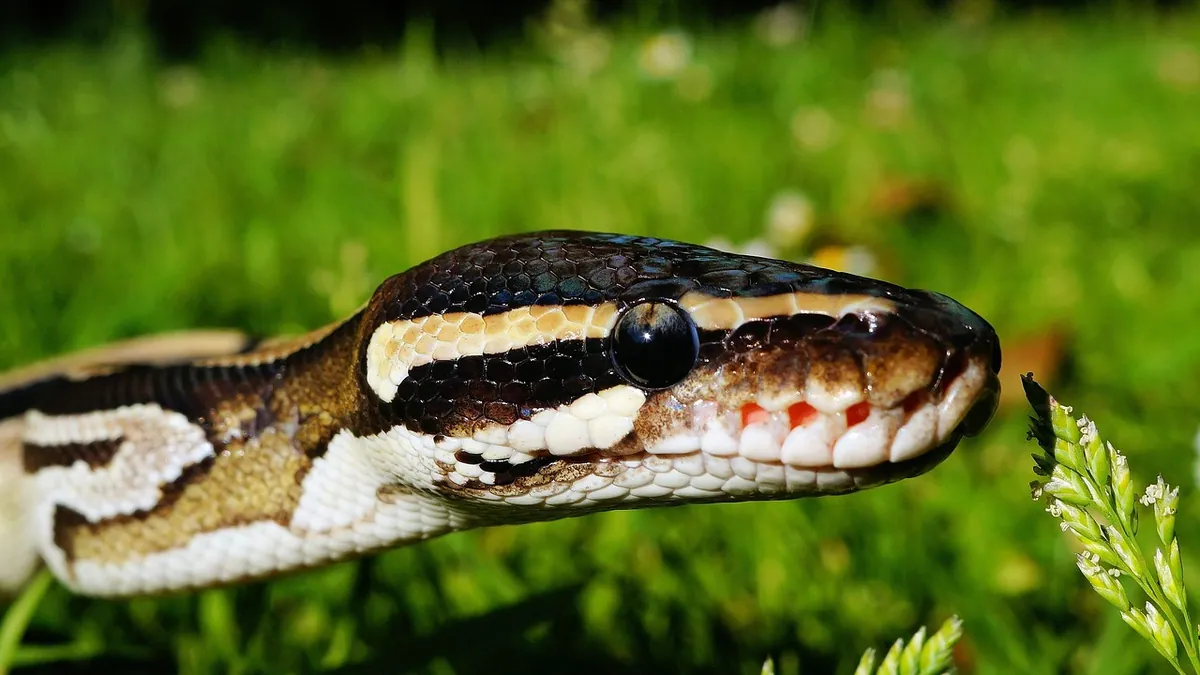
Why is my ball python farting? Most of the time, it is normal. Ball pythons produce gas as their digestive tract breaks down a meal, and a small amount of gas passed a few days after feeding is expected. This article is educational and is not a substitute for veterinary diagnosis or treatment.
Quick Answer
- Occasional gas after a meal is normal and usually means digestion is moving along.
- Gas that smells foul, happens often, or comes with bloating, lethargy, or appetite loss is not normal.
- Cold enclosure temperatures slow digestion and let prey sit and rot in the gut, which causes gas.
- Feeding prey that was thawed wrong or left too warm too long can introduce spoiled food and bacteria.
- Never handle your snake for 3 days after feeding, because this raises the risk of regurgitation [1].
What Gas in a Ball Python Looks Like and What Is Normal
Snake gas usually passes as a soft puff of air, sometimes with a small amount of stool or urate. You may hear it more than you smell it. It often happens 2 to 5 days after a meal, once the snake has had time to break the prey down.
Normal gas has a mild odor or almost none. It does not come with a swollen belly, and your snake stays alert and curious. It keeps its normal feeding response at the next meal.
A single fart after feeding is not a reason to worry. A pattern of frequent gas, loud gas, or gas that clears a room is a reason to look at your setup and your feeding routine.
Why Is My Ball Python Farting? The Main Causes
Gas in snakes comes from the same basic process as gas in people. Bacteria in the gut ferment food and produce gas as a byproduct. In a healthy snake, that gas is small in volume and passes without trouble. When something disrupts digestion, gas builds up and becomes more noticeable.
Digestion in snakes is temperature dependent. Digestive enzyme activity rises with temperature up to a point and then falls off [2]. A ball python kept too cool cannot digest a meal at the speed its body expects. The prey sits longer in the stomach and intestines, bacteria work on it longer, and more gas forms.
Snakes also mount a big metabolic response to a meal. Burmese pythons, close relatives of ball pythons, show a sharp rise in metabolism and heart rate during digestion [3][4]. That whole process depends on the snake being warm enough to run it.
Here is a quick guide to the most common causes.
| Cause | Typical clues | How urgent |
|---|---|---|
| Normal post-meal gas | Mild odor, happens once or twice after feeding, snake acts normal | Not urgent |
| Low enclosure temperature | Gas with slow digestion, regurgitation, poor appetite, snake stays on the cool side | See a vet if it repeats |
| Spoiled or improperly thawed prey | Foul gas, refusal to eat, vomiting or regurgitation, diarrhea | See a vet soon |
| Overfeeding or prey too large | Bloating, gas, regurgitation, snake looks uncomfortable | See a vet if it repeats |
| Gastrointestinal infection or parasites | Frequent foul gas, weight loss, abnormal stool, lethargy | See a vet promptly |
| Impaction or blockage | No stool for a long time, swollen belly, straining, refusal to eat | Emergency |
Low Temperatures
This is the most common fixable cause. If the warm side of the enclosure is too cool, digestion stalls. Check your temperatures with a reliable thermometer or temperature gun at the basking spot and on the cool side. A ball python that is always hugging the heat source after eating is telling you something.
Spoiled or Poorly Thawed Prey
Frozen prey should be thawed in the refrigerator, not on the counter [1]. After thawing, prey should not be fed cold. It should be at room temperature or preferably warmer [1]. Prey that sat out too long, was thawed and refrozen, or was warmed in hot water for hours can grow bacteria. That bacteria goes straight into your snake and can cause foul gas, regurgitation, and infection.
Overfeeding and Prey Size
Prey should not be much larger in diameter than the snake's head [1]. A meal that is too big takes longer to break down and produces more gas. It also raises the odds of regurgitation. If your snake farts a lot after every large meal, the meal may simply be too big.
Gastrointestinal Disease
Frequent foul gas that does not improve with better temperatures and better feeding can point to a gut infection, parasites, or inflammation. Snakes that are losing weight, passing loose or bloody stool, or acting dull need a veterinary exam. Digestive problems in reptiles are often linked to husbandry first, so the vet will ask about your setup in detail.
Red Flags That Make It an Emergency
Most gas is not an emergency. Some signs are.
- Repeated regurgitation, especially within 48 hours of eating. See the guide on Ball Python Care: Regurgitation causes and refeeding protocol.
- A swollen, tight, or painful-looking belly.
- Straining to pass stool with no result.
- Open-mouth breathing, wheezing, or mucus around the mouth or nose. This can overlap with Ball Python Respiratory Infection: Wheezing, Mouth Rot and Antibiotics.
- Blood in the stool or urates.
- Sudden weight loss or a snake that refuses food for weeks.
- Lethargy, weakness, or a snake that cannot right itself.
Any of these means call an exotic veterinarian now. Do not wait to see if it passes.
Safe Things You Can Do at Home While You Wait
You cannot give your snake an antacid or gas medication. There is no safe over-the-counter product for this, and the veterinarian calculates any drug dose from the snake's weight and health. What you can do is fix the environment and the feeding routine.
- Check temperatures at both ends of the enclosure and at the basking spot. Adjust the heat source so the snake has a proper warm zone.
- Stop feeding for now if the snake has been regurgitating or looks bloated. Offer a meal only after the snake is passing stool normally and acting alert.
- Review how you thaw prey. Thaw in the refrigerator, then warm to room temperature or slightly warmer before offering [1].
- Do not handle your snake for 3 days after it eats [1]. Handling during digestion raises the risk of regurgitation.
- Keep a simple log. Write down feeding date, prey size, when gas or stool appeared, and how the snake acted. This log helps your vet a lot.
- Keep the water bowl clean and fresh. Hydration supports normal digestion.
If your snake is a picky eater or has refused food, do not force it. Offer appropriately sized prey at the normal interval and let it decide.
What Your Veterinarian Will Check and Test
An exotic veterinarian will start with a full history. Expect questions about enclosure temperatures, humidity, prey source, thawing method, feeding schedule, and when the gas started.
The physical exam checks body condition, weight, hydration, the mouth, the vent, and the belly. The vet will feel for swelling, masses, or hard stool.
Common tests include:
- Fecal exam to look for parasites, bacteria, or blood.
- Blood work to check organ function and look for signs of infection or inflammation.
- Imaging such as radiographs or ultrasound if a blockage or mass is suspected.
- A stool culture or sensitivity if infection is likely.
Treatment depends on the cause. It may be as simple as correcting temperatures and feeding practices. It may include antiparasitic drugs, antibiotics, fluids, or supportive care. Any medication dose is calculated by your veterinarian based on your snake's weight and condition.
Prevention and Monitoring
Prevention comes down to good husbandry and good feeding habits.
- Keep the warm side of the enclosure at the correct temperature for a ball python and check it daily.
- Thaw frozen prey in the refrigerator and warm it before feeding [1].
- Match prey size to your snake. Prey should not be much larger in diameter than the head [1].
- Feed on a consistent schedule and avoid double meals.
- Do not handle for 3 days after feeding [1].
- Weigh your snake monthly and track it. Weight loss is one of the earliest signs of a problem.
- Clean the enclosure and water bowl regularly.
- Watch stool and urates. Changes in color, consistency, or frequency matter.
If you keep other pets, gas and bad breath in mammals can have different causes. If you are comparing notes across species, see Why Does My Dog Have Bad Gas? and Why Does My Cat Have Gas?.
Limitations and When to Contact a Veterinarian
This article gives general guidance, not a diagnosis. Every snake is an individual, and only a veterinarian who examines your snake can tell you what is wrong.
Contact an exotic veterinarian the same day if your snake has regurgitated more than once, has a swollen belly, is straining to pass stool, or is breathing with its mouth open.
Go to an emergency clinic now if your snake is unresponsive, cannot right itself, is bleeding from the vent, or has a belly that looks distended and painful.
Schedule a routine visit if the gas is frequent or foul, if your snake is losing weight, or if you have checked temperatures and feeding practices and nothing has changed.
Frequently Asked Questions
Is it normal for a ball python to fart?
Yes, occasional gas after a meal is normal. It usually passes a few days after feeding and has little odor. Frequent, loud, or foul-smelling gas is not normal and deserves a closer look at temperatures, prey quality, and health.
Can low temperatures cause gas in ball pythons?
Yes, cold temperatures slow digestion and let food sit longer in the gut. That gives bacteria more time to ferment the meal and produce gas. Check your warm-side and basking temperatures with a reliable thermometer.
Should I stop feeding my ball python if it keeps farting?
Only stop feeding if your snake is regurgitating, bloated, or acting sick. Otherwise, keep feeding on schedule with properly sized, correctly thawed prey. If gas continues after you fix temperatures and feeding, see a vet.
Can spoiled prey make my snake gassy?
Yes, prey that was thawed wrong, left out too long, or refrozen can carry bacteria. That bacteria can cause foul gas, regurgitation, and infection. Thaw prey in the refrigerator and warm it before feeding.
When should I take my ball python to the vet for gas?
Take your snake in if gas is frequent or foul, if it comes with weight loss, appetite loss, or abnormal stool, or if it does not improve after you correct temperatures and feeding. Any regurgitation, bloating, or breathing trouble needs prompt care.
Related Articles
- Ball Python Care: Regurgitation causes and refeeding protocol
- Ball Python Respiratory Infection: Wheezing, Mouth Rot and Antibiotics
- Why Is My Ball Python Eating So Much? Appetite Explained
- Ball Python Drinking and Water: How Much Is Normal?
- Is My Ball Python Hungry? Feeding Cues and Schedules
References
- Nutrition in Snakes - Management and Nutrition. Merck Veterinary Manual.
- Digestive Enzyme Activity and Temperature: Evolutionary Constraint or Physiological Flexibility?. Animals : an open access journal from MDPI, 2025.
- Python cardiomyocytes store lipids to buffer against hyperlipidemia. Annals of the New York Academy of Sciences, 2025.
- Cardiovascular responses and the role of the neurohumoral cardiac regulation during digestion in the herbivorous lizard Iguana iguana. The Journal of experimental biology, 2024.