Do Ball Pythons Make Good Pets? Honest Owner Guide
By Dr. Zubair Khalid, DVM, MS, PhD ·
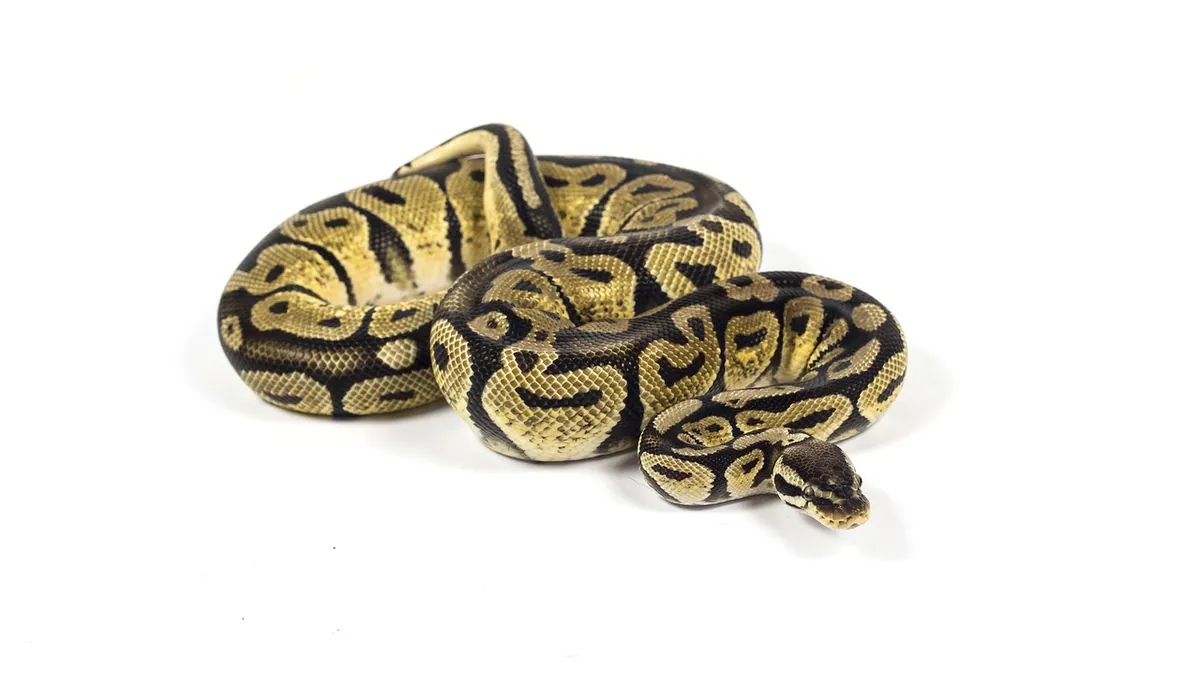
Do ball pythons make good pets? For many people, yes. They are calm, slow-moving snakes that tolerate gentle handling and eat prey you can buy frozen. But they are also a 20 to 30 year commitment with very specific heat, humidity, and feeding needs, so the honest answer depends on whether you want a display animal more than a cuddly companion.
This article is educational and is not a substitute for veterinary diagnosis or treatment.
Quick Answer
- A ball python is a good fit if you will set up and monitor a heated, humid enclosure for decades, not months.
- Plan on feeding frozen-thawed rodents. Live prey can injure a snake, and wild-caught or improperly stored feeders carry parasite and bacteria risks.
- Expect a snake that hides most of the day. Ball pythons are not interactive pets in the way a dog or cat is.
- Budget for a thermostat, two hides, a hygrometer, and an infrared thermometer before you buy the snake.
- Assume you will handle feces and the snake itself with handwashing afterward. Captive snakes commonly carry Salmonella and other bacteria [1][2].
What Ball Python Ownership Actually Looks Like
Step 1: Decide if the lifespan fits your life
Ball pythons regularly live 20 to 30 years in captivity. That is longer than many marriages, apartments, and jobs. If you are a teenager, a renter who moves often, or someone who travels for weeks at a time, plan who feeds and monitors the snake when you cannot.
Step 2: Build the enclosure before the snake arrives
A young ball python can start in a smaller enclosure, but adults need floor space, not height. Two hides (one warm, one cool) let the snake choose its temperature. A water bowl wide enough to soak in helps with shedding. A thermostat controls the heat source so the enclosure does not overheat. Without a thermostat, a heat mat or ceramic bulb can burn a snake badly.
Step 3: Set heat and humidity, then measure them
Ball pythons need a warm side and a cool side so they can regulate their own body temperature. Use a digital thermometer and hygrometer, not a stick-on gauge. Low humidity causes stuck shed and respiratory problems. You can read more about correct humidity, hides, and substrate in this guide to Ball Python Care: Humidity enclosure hides and substrate setup guide.
Step 4: Feed frozen-thawed prey of the right size
What do ball pythons eat as pets? Almost always rodents, usually rats or mice, offered frozen and then thawed. The prey should be roughly the widest part of the snake's body. Feed a young snake every 7 to 10 days and an adult every 10 to 14 days. Never handle the snake for about 48 hours after a meal, because regurgitation is hard on them.
Step 5: Handle gently and briefly
Short, calm handling sessions are fine for most ball pythons. A study of zoo pythons found that handling did not increase active or abnormal behavior, but inactive behavior increased after handling sessions [3]. That is a reminder that handling is a human activity, not a snake need. Keep sessions short, support the body, and skip handling during shedding or after feeding.
Step 6: Find a reptile veterinarian before you need one
Many reptile owners never get routine checkups, even when they know veterinary care matters [4]. Call clinics in your area and ask whether they treat reptiles. Establish care while your snake is healthy so you have somewhere to go when it stops eating or starts wheezing.
Ball Python Care Commitment: Schedule and Checklist
| Task | How often | Why it matters |
|---|---|---|
| Check temperature and humidity | Daily | Prevents burns, dehydration, and respiratory disease |
| Spot-clean waste | Daily | Reduces bacteria and ammonia buildup |
| Change water | Every 1 to 2 days | Fresh water supports hydration |
| Full substrate change | Every 4 to 8 weeks, sooner if soiled | Limits bacterial and fungal growth |
| Weigh your snake | Monthly | Early weight loss is a warning sign |
| Feed | Every 7 to 14 days by age | Prevents obesity and regurgitation |
| Veterinary checkup | Yearly, plus any illness | Catches problems before they are advanced |
A full setup includes an enclosure with a secure lid, a thermostat, a heat source, two hides, a water bowl, a digital hygrometer, a digital thermometer, an infrared thermometer for spot checks, substrate, feeding tongs, and a lock or clamp. Keep a small quarantine area ready in case you add another reptile.
Do Ball Pythons Make Good Pets for Beginners?
They are one of the more forgiving beginner snakes, but "beginner" does not mean "low effort." The main beginner mistakes are enclosure problems, not snake problems. A ball python that will not eat is usually reacting to temperature, humidity, stress, or handling, not being stubborn.
If you want a pet you can carry around, a ball python is a poor match. If you want a quiet animal you observe, feed, and handle occasionally, it can be an excellent one. Before buying, read a full Ball Python Care and Enclosure Setup guide so you know what the first month looks like.
Signs That Something Is Wrong
Feeding problems
A ball python that refuses food for one or two meals may just be in shed or adjusting. Refusing food for several weeks, losing weight, or regurgitating after eating needs a veterinary visit. Regurgitation can cause dehydration and stomach irritation.
Breathing problems
Wheezing, clicking, open-mouth breathing, mucus around the nose, or holding the head up to breathe are signs of respiratory infection. These can worsen quickly. Read about symptoms and humidity control in this guide to Ball Python Respiratory Infections: Symptoms, Humidity Control, and Veterinary Care and call a reptile veterinarian.
Skin and shedding problems
Stuck shed, especially around the eyes or tail tip, means humidity is too low. Repeated bad sheds can lead to retained eye caps and constricted tail tissue. A snake with patchy, dry, or discolored skin needs a husbandry review and possibly a veterinary exam.
Behavior changes
A snake that suddenly hides more, stops basking, or becomes defensive may be uncomfortable. In zoo pythons, handling increased inactive behavior, which shows that even normal handling changes what a snake does [3]. Watch your snake's normal pattern so you notice when it shifts.
Wounds, swelling, or discharge
Any bite from live prey, swelling around the mouth, or discharge from the nose or vent is a reason to call a veterinarian. Do not wait to see if it clears up on its own.
Common Mistakes New Owners Make
- Buying the snake before the enclosure is running and stable.
- Using a heat rock. These cause burns and do not warm the air.
- Guessing at humidity instead of measuring it.
- Feeding live rodents when frozen-thawed prey is accepted.
- Handling the snake right after feeding.
- Skipping handwashing. Salmonella is common in captive snakes, and one survey found Salmonella in 43.28% of pet reptiles sampled from households and shops [1]. A separate study isolated Salmonella enterica from captive pet snakes [2].
- Letting children handle the snake unsupervised. Young kids put hands in mouths and are at higher risk from reptile-associated bacteria.
- Keeping the enclosure near kitchen surfaces or where food is prepared.
- Assuming a snake that eats is healthy. Many illnesses show up first as behavior or weight changes.
- Ignoring enrichment. In one survey of reptile owners, 51% expressed concerns about enrichment and 21% were unsure about appropriate enclosure size [4].
Supplies and Setup Details That Matter for Health
Thermostat. This is the single most important piece of equipment. It controls the heat source and prevents overheating.
Two hides. A ball python that cannot hide feels exposed and stressed. Stress is a common reason for food refusal.
Digital hygrometer. Analog gauges are often wrong. Humidity matters for shedding and breathing.
Substrate. Choose something that holds humidity without staying wet. Wet substrate promotes skin infections.
Water bowl. Big enough to soak in, heavy enough not to tip.
Feeding tongs. Never use your fingers to offer prey.
Quarantine space. Any new reptile should be kept apart from your existing animals for at least 90 days.
Cleaners. Use reptile-safe disinfectants and rinse thoroughly. Never use a cleaner that leaves residue in the water bowl.
Records. Track feeding dates, weights, sheds, and any unusual behavior. This makes veterinary visits far more useful.
If you plan to breed, the demands increase. Read Ball Python Breeding: Genetics, Pairing, and Incubation before you consider it. Breeding females need extra weight and recovery time, and egg incubation requires stable temperature and humidity.
Limitations and When to Contact a Veterinarian
This article gives general guidance. Your snake's individual case needs a veterinarian who can examine it, take a history, and run tests if needed.
Call a reptile veterinarian the same day if your ball python has:
- Regurgitated food
- Open-mouth breathing, wheezing, or mucus
- Swelling, wounds, or discharge
- Not eaten for several weeks with weight loss
- Stuck shed around the eyes or tail tip
- Burns from a heat source
Go to an emergency clinic now if your snake is:
- Unresponsive or limp
- Having trouble breathing at rest
- Bleeding heavily
- Prolapsed (tissue protruding from the vent)
- Unable to right itself
Schedule a routine visit if your snake is new to you, if you have not had a checkup in a year, or if you are changing its diet or enclosure. Many owners skip routine care even though they know it matters [4]. A yearly exam with a fecal test is a reasonable baseline.
Never give your snake medication from a pet store or from a previous prescription. A veterinarian calculates the dose from your pet's weight and health, and reptile drug dosing is different from mammal dosing.
Frequently Asked Questions
How long do ball pythons live as pets?
Ball pythons commonly live 20 to 30 years with good care. That means you are choosing a pet that may outlive your current home, job, or relationship. Plan for its care in your will or with a trusted person.
Are ball pythons good for children?
They can be good family pets with adult supervision, but children should not handle them alone. Kids are more likely to put hands in their mouths after touching a snake, which raises the risk of Salmonella infection. Teach handwashing after every interaction.
Do ball pythons need a heat lamp at night?
They need a temperature gradient around the clock, but the heat source does not have to be light. A ceramic heat emitter or heat mat on a thermostat can keep the warm side stable without disturbing the snake's day and night cycle. Always measure the actual surface and air temperatures.
Can I keep a ball python in a glass aquarium?
Yes, with modifications. Glass loses heat and humidity quickly, so you may need a covered screen lid, a larger water bowl, and a stronger thermostat-controlled heat source. A front-opening enclosure often holds heat and humidity better.
What should I do if my ball python will not eat?
First check temperature, humidity, hiding spots, and recent handling. A snake in shed or a new snake often refuses food for a short time. If refusal lasts several weeks or the snake is losing weight, see a reptile veterinarian.
Do ball pythons need a friend?
No. Ball pythons are solitary and do best alone. Housing two snakes together causes stress, competition for heat, and possible injury. Keep one snake per enclosure unless you are following a supervised breeding plan.
Is Salmonella a real risk from pet snakes?
Yes. Salmonella has been found in a large share of pet reptiles, and many strains show antibiotic resistance [1]. Captive pet snakes have also been found to carry Salmonella enterica [2]. Wash your hands after handling the snake, its enclosure, or its food, and keep reptiles out of kitchens and bathrooms.
Related Articles
- Ball Python Care and Enclosure Setup
- Ball Python Care: Pyramiding & Shell Health Management
- Ball Python Respiratory Infections: Symptoms, Humidity Control, and Veterinary Care
- Ball Python Breeding: Genetics, Pairing, and Incubation
- Ball Python Care: Humidity enclosure hides and substrate setup guide
- Bioactive Ball Python Enclosures: Soil Mixes, Live Vegetation, and Mold Prevention
- Ball Python Lifespan: How Long Do They Live?
- Does My Ball Python Like Being Held? Reading the Signs
- Do Ball Pythons Recognize Their Owners? What Science Says
References
- Surveys on Pet-Reptile-Associated Multi-Drug-Resistant Salmonella spp. in the Timișoara Metropolitan Region-Western Romania. Antibiotics (Basel, Switzerland), 2023.
- Bacterial diversity in certain captive snake species in Bulgaria: A One Health challenge - pilot study. Open veterinary journal, 2026.
- Behavioural Welfare Implications of Human Handling Practices in Zoo Snakes. Veterinary medicine and science, 2026.
- Assessing the Current Landscape of Reptile Pet Ownership in Hong Kong: A Foundation for Improved Animal Welfare and Future Research Directions. Animals : an open access journal from MDPI, 2024.