Do Tortoises Make Good Pets? Honest Owner Reality Check
By Dr. Zubair Khalid, DVM, MS, PhD ·
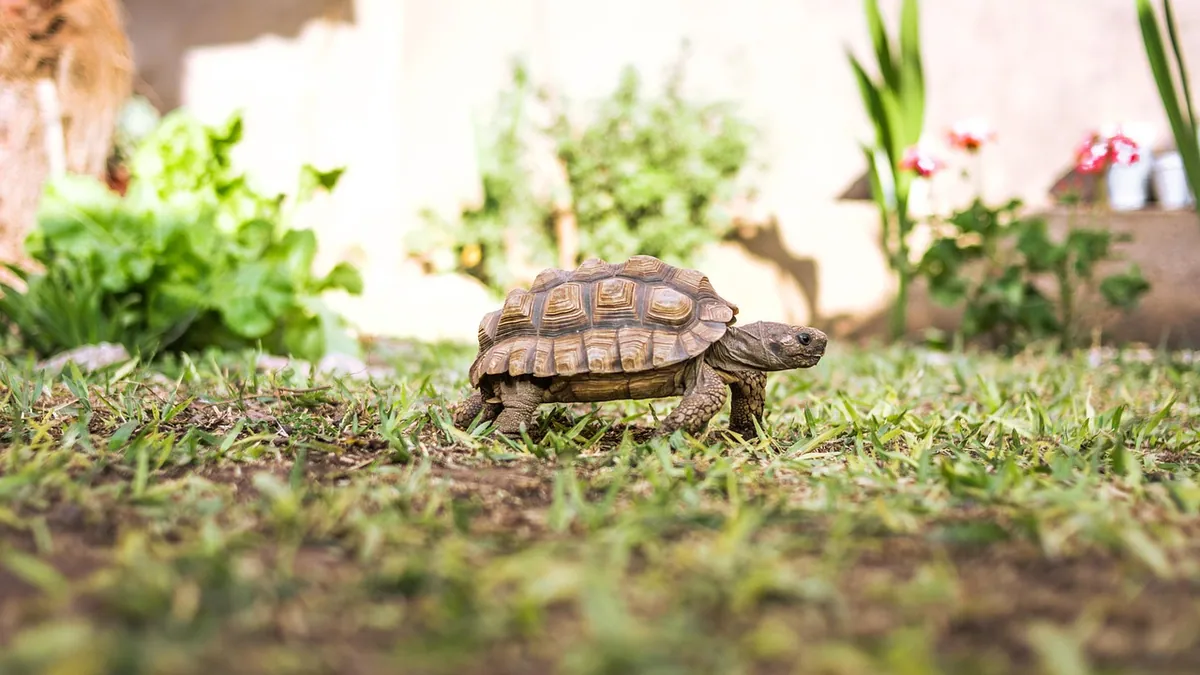
Do tortoises make good pets? For the right household, yes. They are quiet, long lived, and fascinating to watch, but they are not low effort animals. A tortoise is closer to adopting a lifelong dependent than buying a simple cage pet, so the honest answer depends on your budget, space, climate, and patience.
This article is educational and is not a substitute for veterinary diagnosis or treatment.
Quick Answer
- A tortoise is a decades long commitment, often 30 to 100 years depending on species, so plan for who cares for it after you.
- Most species need a large outdoor or indoor enclosure with a temperature gradient, a basking spot, and full spectrum UVB lighting.
- Diet is species specific. Many tortoises need high fiber greens, calcium, and limited fruit or protein, and the wrong diet causes shell and organ disease.
- You need an exotics veterinarian before you buy, not after your tortoise gets sick.
- Turtles and tortoises are different animals with different needs. A turtle as a pet usually means an aquatic or semi aquatic setup, which is a separate project.
Do Tortoises Make Good House Pets? The Honest Reality
Tortoises can live indoors, but "house pet" is misleading. They do not bond like a dog, they do not want to be carried around, and they need a controlled environment every day of the year.
Reptile keepers often start with the belief that reptiles are simple, highly adaptable, and easy to keep compared with dogs and cats, yet meeting their needs in a home setting takes specific conditions and real effort [1]. That gap between expectation and reality is where most tortoise suffering begins.
A tortoise also outlives most other pets. That lifespan commitment is the single biggest reason people rehome tortoises years later. Before you buy, ask yourself who feeds, soaks, and heats this animal in 20 years.
If you are still comparing species, it helps to understand how other exotic pets differ. Our guide on Are Amphibians Good Pets? What to Know First covers the same kind of planning questions for another group of animals.
Step by Step: How to Decide Before You Buy
Step 1: Pick a species that fits your climate and space
Do not pick a tortoise because it is cute at the store. Match the species to your yard, your winters, and your budget. A Hermann's tortoise is a common choice for beginners in temperate areas. Our Hermann's Tortoise Care Guide walks through enclosure size, temperatures, and diet for that species.
Step 2: Build the enclosure before the animal arrives
Have heat, UVB, substrate, hides, and a water dish running and tested for at least a week. This lets you catch a broken lamp or a cold spot before a live animal depends on it.
Step 3: Find an exotics veterinarian first
Call clinics in your area and ask if they treat reptiles. Many general practices do not. In one survey of reptile owners, half reported that no regular checkups were performed even though they acknowledged those checkups matter [2]. Do not be part of that number.
Step 4: Set a real monthly and yearly budget
Costs include electricity for heat and UVB, replacement bulbs, substrate, food, calcium supplements, and veterinary care. Keepers in one study reported ongoing monthly expenses for their reptiles, which shows this is not a one time purchase [1].
Step 5: Plan the first 30 days
Weigh your tortoise, photograph its shell from several angles, and book a wellness visit. A baseline weight and shell photo help you and your vet spot problems later.
Tortoise vs Turtle: What Is the Difference for Owners?
People search "do turtles make good pets" and "turtle as a pet" for the same reason they search about tortoises. They want a shelled animal that is easy to care for. The two are not the same.
Tortoises live on land. Turtles usually live in or near water, and aquatic turtles need a tank with filtration, a basking dock, and water quality management. Turtles remain a common pet choice, likely because of cultural factors and a perception that they are easy to care for [2]. That perception is often wrong.
Both groups need UVB, correct temperatures, species appropriate diets, and veterinary care. Neither is a "set it and forget it" pet.
Comparison Table: What Each Commitment Looks Like
| Factor | Tortoise (land) | Turtle (aquatic or semi aquatic) | Typical small mammal |
|---|---|---|---|
| Lifespan | Often 30 to 100 years depending on species | Often 20 to 50 years depending on species | 2 to 10 years |
| Housing | Large land enclosure, outdoor pen if climate allows | Tank with filtration plus basking area | Cage or hutch |
| Lighting | UVB plus heat gradient | UVB plus heat lamp over dock | Usually none |
| Diet | High fiber greens, calcium, species specific | Commercial diet plus live or frozen prey for many species | Commercial pellets plus hay or produce |
| Handling | Minimal, stress sensitive | Minimal, stress sensitive | Often more tolerant |
| Vet access | Exotics vet needed | Exotics vet needed | General vet often available |
Use this table as a starting point, not a shopping list. Species details vary widely.
Setting Up for Health: What Actually Matters
Lighting and heat
Most tortoises need a UVB bulb and a basking area so they can regulate their own temperature. Without UVB, they cannot make vitamin D properly and their shells and bones suffer. Replace UVB bulbs on the schedule the manufacturer states, because output fades even when the bulb still glows.
Substrate and humidity
Species from dry regions need different substrate and humidity than tropical species. Wrong humidity causes shell deformities and respiratory problems. Ask your exotics vet what your species needs.
Diet and calcium
Feed a varied, species appropriate diet and use calcium supplementation as your vet advises. Never guess at supplement doses. Your veterinarian calculates any dose from your tortoise's weight and health status.
Water and soaking
Provide fresh water and soak your tortoise as recommended for its species. Soaking supports hydration and helps with shedding and waste passage.
Enrichment and space
Welfare frameworks for reptiles in private keeping look at environment, nutrition, physical health, and behavior [3]. That means space to walk, explore, dig, and hide is not optional. In one survey, 51 percent of reptile owners expressed concerns about enrichment and 21 percent were uncertain about appropriate enclosure size [2]. Give your tortoise room to move.
Schedule and Checklist
Daily
- Check basking and cool side temperatures.
- Offer fresh food and clean water.
- Remove waste and spoiled food.
- Watch your tortoise walk, eat, and breathe normally. Over 90 percent of owners in one survey used normal behaviors like locomotion and breathing as signs of well being [2].
Weekly
- Weigh your tortoise and log the number.
- Check eyes, nose, mouth, and shell for discharge, swelling, or soft spots.
- Confirm UVB and heat bulbs are working.
Monthly
- Deep clean the enclosure and replace substrate as needed.
- Review your UVB replacement date.
- Check your emergency fund and your exotics vet's contact information.
Yearly
- Wellness exam with an exotics veterinarian.
- Fecal check if your vet recommends it.
- Review diet, supplementation, and enclosure size as your tortoise grows.
Signs Something Is Wrong
Call your exotics veterinarian if you see any of these:
- Refusing food for more than a few days.
- Weight loss, even if your tortoise still eats.
- Soft, cracked, or pyramided shell.
- Swollen eyes, bubbling nose, or open mouth breathing.
- Lethargy, weakness, or trouble righting itself.
- Diarrhea, straining, or no droppings for several days.
- Swelling around the ears, neck, or limbs.
Reptile behavior is a well being indicator, so changes in normal movement, breathing, or appetite deserve attention [2]. Do not wait to see if it passes.
Common Mistakes New Owners Make
- Buying on impulse. Emotional reasons are the main motivation for keeping reptiles, which is understandable, but emotion alone leads to unprepared homes [1].
- Skipping the exotics vet. Half of surveyed reptile owners reported no regular checkups [2].
- Using the wrong bulb. A heat lamp is not a UVB lamp.
- Feeding the wrong diet. Fruit, dog food, and iceberg lettuce harm many tortoise species.
- Keeping a tortoise in a glass tank that is too small. This causes stress and poor growth.
- Assuming a turtle is easier. Aquatic setups need filtration and water changes.
- Ignoring the lifespan. A tortoise may outlive you, so plan a caregiver in advance.
Limitations and When to Contact a Veterinarian
This article cannot tell you what is wrong with your individual tortoise. Only a veterinarian who examines your animal can do that. Individual cases need a veterinarian.
Contact an exotics veterinarian the same day if your tortoise stops eating, has discharge from the nose or eyes, or shows sudden weakness.
Go to an emergency clinic now if your tortoise is unresponsive, has prolapsed tissue, is bleeding, has been attacked by another animal, or cannot breathe normally.
Book a routine visit if you have a new tortoise, if you have never had a wellness exam, or if you notice slow changes in weight, shell shape, or appetite over weeks.
Frequently Asked Questions
Are tortoises good pets for beginners?
They can be, if you choose a hardy species and set up the enclosure before you buy. The main challenge is not difficulty, it is duration and daily consistency. Beginners who plan for decades and find an exotics vet tend to do well.
Do tortoises like being handled?
Most tortoises tolerate limited, gentle handling but do not seek affection the way a dog does. Frequent handling causes stress, and stress shows up as appetite loss and hiding. Keep handling short and let your tortoise walk and explore instead.
How long do pet tortoises live?
Many species live for decades, and some can live for a century or more with good care. That means your tortoise may need a new caregiver at some point in its life. Arrange that plan early, in writing, with someone who is willing.
Is a turtle easier to keep than a tortoise?
No, a turtle is usually more work because you also manage water quality, filtration, and tank cleaning. Both need UVB, heat, correct diet, and veterinary care. Pick based on the setup you can maintain for decades, not on which sounds simpler.
Can I keep a tortoise and a cat or dog in the same home?
Yes, but they must never share space unsupervised. Dogs and cats can injure or kill a tortoise, and tortoises can carry bacteria that make people sick. Wash your hands after every contact and keep the enclosure secure.
Do I really need a special reptile veterinarian?
Yes, if one is available in your area. General practice vets often lack reptile training and equipment. Call ahead, confirm the clinic treats tortoises, and ask what to bring to the first visit.
If you are still weighing which exotic pet fits your life, compare the commitment honestly across species before you bring any animal home. A tortoise can be a wonderful companion for the right person. It is a poor fit for anyone who wants a low maintenance pet.
Related Articles
- Hermann's Tortoise Care Guide
- Snake Lifespan and Growth: What to Expect as a Pet Owner
- Do Tortoises Recognize Their Owners? Memory in Reptiles
- Do Ball Pythons Make Good Pets? Honest Owner Guide
- Do Leopard Geckos Make Good Pets? Pros and Cons
References
- Keeping reptiles as pets in Brazil: keepers' motivations and husbandry practices. Journal of ethnobiology and ethnomedicine, 2023.
- Assessing the Current Landscape of Reptile Pet Ownership in Hong Kong: A Foundation for Improved Animal Welfare and Future Research Directions. Animals : an open access journal from MDPI, 2024.
- Laying the groundwork for reptile welfare assessment in zoos and private keeping: A literature-based proposal. Animal welfare (South Mimms, England), 2025.