Ball Python Lifespan: How Long Do They Live?
By Dr. Zubair Khalid, DVM, MS, PhD ·
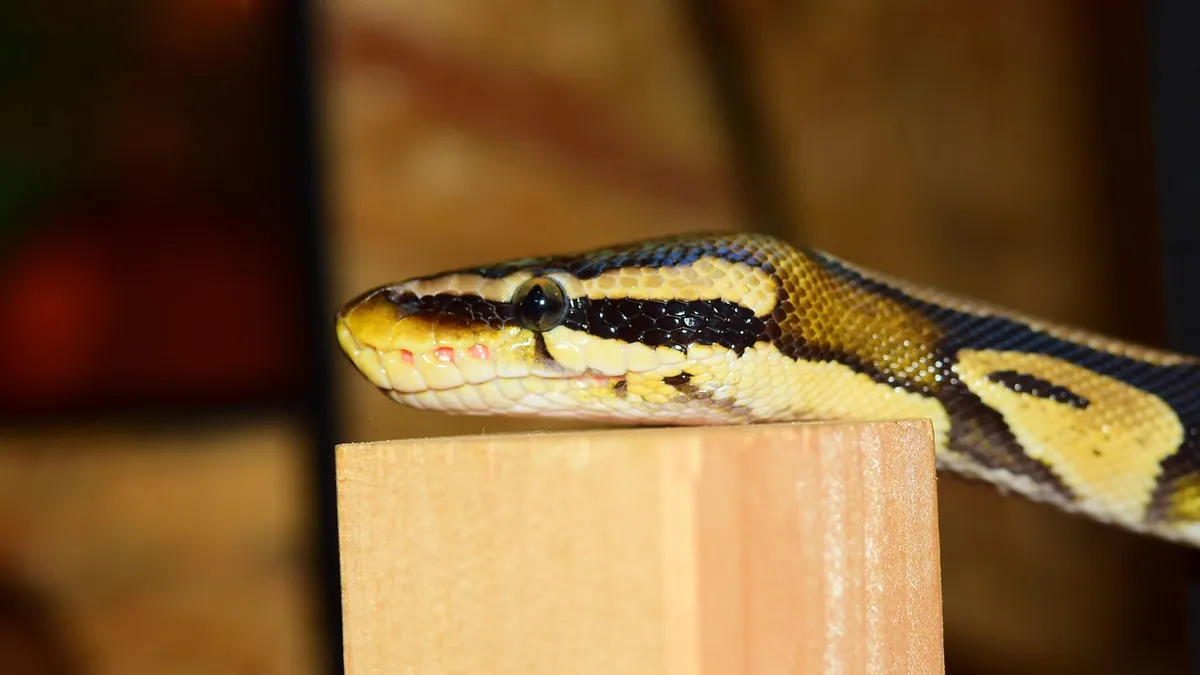
A ball python lifespan in captivity usually runs 20 to 30 years, and many well-cared-for snakes reach the upper end of that range. Some individuals live longer, which means you are choosing a pet that may still be with you when a child in the house finishes college. Planning for decades of care, not years, is the honest way to approach this species.
This article is educational and is not a substitute for veterinary diagnosis or treatment.
Quick Answer
- Expect a healthy captive ball python to live roughly 20 to 30 years with correct heating, humidity, and feeding.
- Captive reptiles often outlive their wild counterparts when their environment is stable, a pattern seen across reptile groups [1].
- Longevity in reptiles is tied to body size, slow metabolism, and strong repair and antioxidant defenses, not to luck [2].
- The biggest year-shortening risks are preventable: thermal burns, respiratory infections from cold or damp housing, obesity from overfeeding, and untreated mouth rot.
- Buy or adopt only if you can commit to 20-plus years of enclosure maintenance, feeder costs, and at least occasional veterinary visits.
What Determines a Ball Python Life Expectancy in Captivity
A ball python's life expectancy in captivity depends far more on husbandry than on genetics alone. Longevity is heritable in many species, and it can differ between males and females, so two snakes from the same clutch may not age at the same rate [3]. That said, environment is the factor you actually control.
Reptiles as a group tend to be long-lived compared with similar-sized mammals, and researchers link that to slow metabolism, larger body size, and efficient cellular repair systems [2]. Ball pythons fit that pattern. They are heavy-bodied, sit still for long stretches, and eat far less often than a mammal of similar weight.
Wild lifespan data for squamate reptiles is patchy, and elevation and climate do not produce a clean, predictable effect on longevity across species [4]. What is clear is that captivity removes many wild hazards. In one lizard genus, captive animals generally lived longer than wild ones, though one species stayed short-lived even in captivity, which shows that some longevity limits are built in [1]. For ball pythons, the practical takeaway is that good care gives your snake the best shot at the long end of the range, but no setup guarantees a specific number of years.
If you are comparing commitments across species, our guide to How Long Do Rabbits Live as Pets? shows how differently small mammal lifespans run, and How Long Do Parrots Live? Lifespan by Species covers another long-lived pet group.
Step-by-Step: Setting Up for a Long Life
Step 1: Build the enclosure before you buy the snake
An adult ball python needs an enclosure with a secure lid, a heat source on a thermostat, at least two hides (one on the warm side, one on the cool side), a water bowl large enough to soak in, and a substrate that holds humidity. Glass tanks with screen tops lose heat and moisture fast. A front-opening enclosure made for reptiles holds conditions far better.
Step 2: Dial in the temperature gradient
Provide a warm side and a cool side so the snake can choose. A thermostat on every heat source is not optional. Unregulated heat mats and heat rocks cause burns, and burns are one of the most common preventable injuries in pet snakes.
Step 3: Control humidity
Ball pythons need moderate to high humidity to shed cleanly. Too dry, and you get stuck shed and retained eye caps. Too wet and cold, and you get skin infections and respiratory disease. A digital hygrometer tells you what is actually happening inside the enclosure.
Step 4: Feed appropriately sized prey
Feed prey roughly the width of the snake's thickest body section. Hatchlings eat more often than adults. Adult ball pythons do well on a meal every 10 to 14 days, and some eat less often than that. Overfeeding is a real problem and leads to obesity and fatty liver disease.
Step 5: Keep records
Track every feeding, shed, defecation, and weight check. A kitchen scale and a simple notebook or phone note will do. Patterns in that record are what let you and your veterinarian catch problems early.
Step 6: Find a reptile veterinarian before you need one
Exotic animal practices vary by region. Call ahead and confirm the clinic treats reptiles. Establishing care while your snake is healthy makes everything easier later.
Yearly Care Schedule and Checklist
| Frequency | Task |
|---|---|
| Daily | Check temperatures and humidity, spot clean waste, refresh water |
| Weekly | Weigh your snake, inspect eyes, mouth, vent, and skin, check for mites |
| Every feeding | Record prey size, date, and whether the snake struck and swallowed normally |
| Monthly | Deep clean water bowl, check thermostat function, inspect heat sources for wear |
| Every shed | Confirm the shed is complete, including eye caps and tail tip |
| Yearly | Wellness exam with a reptile veterinarian, fecal check if recommended |
| As needed | Replace substrate, upgrade enclosure size as the snake grows |
Signs Something Is Wrong
Ball pythons hide illness well. By the time a snake looks obviously sick, it has often been sick for a while. Watch for these signs.
- Refusing food for more than a few weeks outside of normal seasonal fasting
- Wheezing, clicking, bubbling at the mouth or nose, or holding the head elevated
- Open-mouth breathing
- Stuck shed, especially retained eye caps or shed ringing the tail
- Swelling, redness, or discharge around the mouth (stomatitis, often called mouth rot)
- Blisters, burns, or discolored patches on the belly
- Mites, which look like tiny dark specks moving on the skin or in the water bowl
- Regurgitation after eating
- Sudden weight loss or a visibly sunken spine
- Prolapse of the cloaca or hemipenes
Any of these warrants a veterinary visit. Respiratory and mouth infections in snakes can progress quickly once they are visible.
Common Mistakes That Cost Years
Using unregulated heat
A heat mat without a thermostat can spike well past safe temperatures. Thermal burns damage tissue and can become infected. This single mistake shortens more snake lives than almost anything else.
Feeding too much, too often
A fat ball python looks impressive but is not healthy. Obesity strains the liver and heart and shortens life. Prey size and frequency should match the snake's age and body condition, not its enthusiasm.
Ignoring a hunger strike
Ball pythons fast, especially in winter or during breeding season. A short fast in an otherwise healthy adult is usually normal. A fast in a thin snake, a young snake, or one with other symptoms is not.
Skipping quarantine for new reptiles
A new snake can carry mites, internal parasites, or infectious disease. House new arrivals in a separate room with separate tools for at least several weeks before any contact with your existing animals.
Keeping the enclosure too small
A cramped enclosure makes it hard to create a proper temperature gradient. As your snake grows, its housing needs to grow with it.
Waiting too long to see a vet
Reptile illness moves fast once it becomes visible. A same-week appointment is better than a same-month appointment.
Setup Details That Matter for Health
Heat source and thermostat. Every heat source needs its own thermostat. Use a digital thermometer at each end of the enclosure, not a stick-on dial.
Substrate. Coconut fiber, cypress mulch, and similar moisture-holding substrates support humidity. Avoid cedar and pine, which are harmful to reptiles.
Hides. Two tight-fitting hides, one per temperature zone. A hide that is too large does not feel secure.
Water bowl. Heavy enough that the snake cannot tip it, large enough to soak in, cleaned regularly.
Enclosure security. Ball pythons are escape artists. Clips, locks, or a front-opening enclosure with a secure latch.
Quarantine space. A separate room and separate feeding tools for any new reptile.
Emergency contacts. Keep your reptile veterinarian's number and an after-hours exotic emergency clinic number posted near the enclosure.
Limitations and When to Contact a Veterinarian
No article can tell you what is wrong with your individual snake. A veterinarian who examines your animal, reviews your husbandry, and runs appropriate tests is the only way to get a diagnosis. Individual cases need a veterinarian.
Contact a veterinarian the same day if you see:
- Open-mouth breathing, wheezing, or mucus from the mouth or nose
- A burn, blister, or open wound
- Regurgitation, especially repeated
- A prolapse
- Sudden swelling around the head or mouth
Go to an emergency clinic now if:
- Your snake is unresponsive, limp, or cannot right itself
- There is active bleeding
- You suspect poisoning or exposure to a toxin
Schedule a routine visit if:
- Your snake has refused food for several weeks and is losing weight
- The last shed was incomplete
- You see mites or notice specks in the water bowl
- Your snake has not had a wellness exam since you got it
Frequently Asked Questions
How long do ball pythons live on average?
Most healthy captive ball pythons live somewhere in the range of two to three decades. Individual animals vary, and husbandry quality is the largest factor you control. A snake kept at correct temperatures with appropriate feeding has the best chance at the long end of that range.
Do male and female ball pythons live different lengths of time?
Longevity can differ between the sexes in many species, and the genetic basis for that difference has been documented in wild mammal populations [3]. For ball pythons specifically, sex is not the main driver of how long a pet lives. Housing, feeding, and veterinary care matter far more than whether your snake is male or female.
Do ball pythons live longer in captivity than in the wild?
Captive reptiles generally live longer than wild ones when their environment is stable, a pattern documented across reptile groups [1]. Wild ball pythons face predators, parasites, food scarcity, and habitat loss. Captivity removes most of those pressures, though it introduces new risks like burns and obesity if husbandry is poor.
Can a ball python live past 30 years?
Yes, some individuals do. Reptiles as a group include many long-lived species, and researchers link that to slow metabolism, larger body size, and strong cellular repair systems [2]. A ball python that reaches its thirties is unusual but not unheard of, and it is one reason this species is a genuine long-term commitment.
What is the single biggest thing I can do to extend my ball python's life?
Get the temperature gradient and humidity right, and put every heat source on a thermostat. Thermal burns, respiratory infections, and shedding problems all trace back to incorrect heat and humidity more often than anything else. After that, feed appropriately sized prey on a sensible schedule and see a reptile veterinarian when something changes.
If you are still deciding between species, our guide to How Long Do Guinea Pigs Live? Lifespan and Care and How Long Do Dogs Live can help you compare the time commitment before you bring an animal home.
Related Articles
- Leopard Gecko Lifespan: How Long Do They Live?
- Do Ball Pythons Make Good Pets? Honest Owner Guide
- How Often Should My Ball Python Poop? What's Normal
References
- Preliminary Evolutionary Trends of Ctenophorus Dragon (Lacertilia: Agamidae) Lifespans, With a New Longevity Record. Ecology and evolution, 2026.
- Evolution of Longevity in Tetrapods: Safety Is More Important than Metabolism Level. Biochemistry. Biokhimiia, 2024.
- Longevity is heritable and negatively genetically correlated between the sexes in yellow-bellied marmots. Evolution letters, 2026.
- No Evidence for Pace of Life Evolution Along Elevational Gradients in Squamate Reptiles. Ecology letters, 2026.