Bearded Dragon Weight Loss or Gain: What to Do
By Dr. Zubair Khalid, DVM, MS, PhD ·
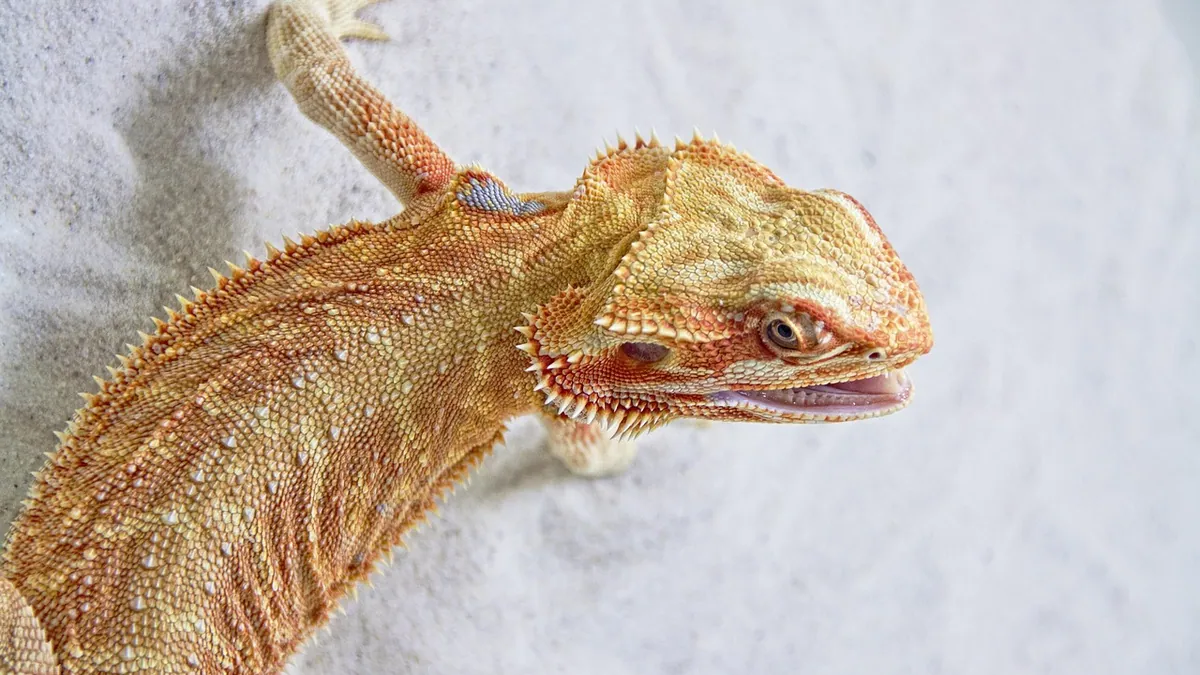
Why is my bearded dragon losing weight? In most cases it comes down to one of a few things: your dragon is not eating enough, it is burning more energy than it takes in, or an underlying illness is interfering with digestion and appetite. A little weight change can be normal, but steady loss over weeks is a signal that something needs attention.
This article is educational and is not a substitute for veterinary diagnosis or treatment.
Quick Answer
- Weigh your dragon on a kitchen scale every 1 to 2 weeks and write down the number. Trends matter more than any single reading.
- A healthy adult bearded dragon should feel solid but not bony. You should not see hip bones, a sunken tail base, or a hollow belly.
- Lethargy, anorexia, and poor body condition are linked to a lower chance of surviving an emergency visit, so do not wait if you see these signs together [1].
- Common causes of weight loss include parasites, metabolic bone disease, respiratory infection, and reproductive problems in females.
- Never crash diet an overweight dragon. Reduce treats and adjust feeding slowly with your veterinarian's guidance.
What Is Happening When a Bearded Dragon Loses or Gains Weight?
Weight is a balance. Your dragon takes in calories from food and burns them through activity, digestion, growth, and staying warm. When intake drops or energy use rises, weight falls. When intake exceeds use, weight climbs.
In reptiles, this balance is tied closely to temperature and lighting. A dragon that cannot get warm enough will not digest food well and may eat less. A dragon without proper ultraviolet B (UVB) light cannot make vitamin D3 well, and calcium absorption suffers [2]. That can lead to metabolic bone disease, which is a common problem in pet reptiles [2].
Weight gain is usually about calories and husbandry too. Overfeeding protein and treats, plus a large enclosure with little exercise, adds up over months.
Signs Owners Notice
You may spot changes before the scale does. Watch for these:
- Visible hip bones, spine bumps, or a sunken area at the base of the tail
- A belly that looks hollow instead of rounded
- Loose, wrinkled skin or a dull color
- Refusing food or eating much less than usual
- Lethargy, meaning your dragon is slow, sleepy, or hard to wake
- Sunken eyes or dehydration
- Swelling, lumps, or a limb that looks different from the others
- Open-mouth breathing, neck extension, or noisy breathing
- In females, a swollen belly or changes in digging and nesting behavior
Some of these signs overlap with serious illness. In one outbreak, young bearded dragons showed dehydration, lethargy, poor appetite, weight loss, neck extension, and open-mouth breathing before some died suddenly [3]. That pattern is a reason to call your veterinarian right away.
Causes and Risk Factors
Parasites and Infection
Internal parasites steal nutrition and irritate the gut, so food passes through without being fully used. Bacterial and mycoplasma infections can cause weight loss along with breathing changes and lethargy [3]. A dragon that is losing weight and also breathing hard needs prompt care.
Metabolic Bone Disease (MBD)
MBD comes from a lack of calcium and vitamin D3 in the diet, often combined with poor UVB lighting [2]. Bones weaken, the jaw may soften, and limbs can swell or bend. A dragon in pain may stop eating, which leads to weight loss. UVB exposure raises calcium levels in the blood, which is one reason correct lighting matters so much [2]. You can read more about this in Calcium Supplementation for Bearded Dragons: Preventing Metabolic Bone Disease.
Cancer and Other Growths
Tumors are uncommon but real. One three-year-old male dragon developed sudden anorexia and was found to have leukemia that spread through his organs [4]. Another seven-year-old female had a rare joint tumor and was brought in for limb swelling, apathy, and weight loss [5]. These cases show why a veterinarian may recommend blood work or imaging when weight loss has no obvious cause.
Reproductive Disease in Females
Female dragons can develop reproductive problems. In one review of emergency cases, females more often arrived with a swollen belly and were diagnosed with reproductive disease [1]. Egg binding and follicle problems can cause appetite loss and weight change.
Husbandry and Diet
Wrong temperatures, no UVB, too-small enclosures, and poor diet are everyday causes. So is simple underfeeding, especially in growing juveniles. A dragon that is not gaining weight may be getting food that is too low in calories or too small in quantity.
Age
Very young dragons grow fast and need steady nutrition. Older dragons may slow down and eat less, but they should not keep losing weight.
How Veterinarians Diagnose the Problem
Your veterinarian starts with a full history. Bring your feeding schedule, supplement routine, lighting setup, temperatures, and any recent weight log.
The physical exam checks body condition, hydration, mouth health, breathing, and the belly. The vet may score your dragon's body condition by feeling the tail base, hips, and spine.
Common tests include:
- Fecal exam to look for parasites
- Blood work to check calcium, protein, liver values, and cell counts [2][4]
- Radiographs (X-rays) to look at bones, lungs, and the belly [5]
- Ultrasound for reproductive or organ problems
- Cultures or molecular testing when infection is suspected [3]
| Sign you notice | Possible cause | Typical next step |
|---|---|---|
| Weight loss plus soft jaw or bent limbs | Metabolic bone disease | Blood calcium, X-rays, lighting review [2] |
| Weight loss plus diarrhea or poor growth | Parasites | Fecal exam and deworming plan |
| Weight loss plus open-mouth breathing | Respiratory infection | Exam, imaging, culture or molecular testing [3] |
| Swollen belly in a female | Reproductive disease | Exam and ultrasound |
| Sudden anorexia with no other signs | Cancer or organ disease | Blood work and imaging [4] |
Treatment Options
Treatment depends on the cause. There is no single fix.
For parasites, your veterinarian prescribes an antiparasitic and sets a follow-up fecal schedule. For infection, antibiotics or other antimicrobials may be needed. Doses are calculated from your dragon's weight and health, so never use a leftover medication or a dose meant for another pet.
For MBD, the plan usually combines calcium supplementation, better UVB lighting, and diet changes [2]. Correcting the environment is as important as any medicine.
For reproductive disease, options range from supportive care and hormone treatment to surgery, depending on the problem and how sick your dragon is.
For cancer, treatment is limited and often focused on comfort. One dragon with leukemia received methylprednisolone at 1 mg/kg by mouth every 24 hours, marbofloxacin at 10 mg/kg into the muscle every 24 hours, and lomustine at 80 mg/m2 by mouth every 14 days, calculated using reptile body surface area [4]. That dragon stabilized briefly and then declined quickly [4]. These numbers come from one case report and are not a recipe for home use. Your veterinarian decides what is appropriate.
Supportive care matters in every case. That can include warmth, fluids, assisted feeding, and treating pain.
How to Help a Bearded Dragon Gain Weight
If your dragon is underweight, the goal is steady, safe gain.
- Fix the basics first. Check basking temperature, UVB bulb age, and enclosure size.
- Offer small, frequent meals instead of one large feeding.
- Use appropriate insects and greens for your dragon's age.
- Dust food with calcium and a vitamin supplement as directed by your veterinarian [2].
- Ask about a calorie-dense recovery diet if your dragon will not eat enough on its own.
- Treat the underlying cause. A dragon with parasites will not gain well until the parasites are treated.
Weigh weekly and aim for slow improvement. Rapid weight gain from overfeeding can cause its own problems.
How to Help a Bearded Dragon Lose Weight
If your dragon is overweight, do not crash diet it. Reptiles handle sudden calorie cuts poorly.
- Cut fatty treats and limit high-fat insects.
- Measure portions so you know exactly how much you feed.
- Increase safe activity with a larger enclosure and supervised time outside the tank.
- Keep offering greens and appropriate vegetables.
- Ask your veterinarian for a target weight and a realistic timeline.
A slow loss of a small percentage of body weight per month is safer than a steep drop.
Recovery, Outlook, and Long-Term Management
Outlook depends on the cause and how early you act. In one review of 242 bearded dragons seen for emergency care, about 58% survived to discharge [1]. Survival was less likely when dragons arrived with lethargy, anorexia, or poor body condition [1]. That is the strongest argument for early evaluation.
Recovery often takes weeks to months. Expect follow-up visits, repeat blood work, and weight checks. Keep a simple log of weight, appetite, stool, and behavior. Bring it to every appointment.
Long-term management usually means permanent husbandry changes. Correct UVB, proper temperatures, a varied diet, and regular fecal checks prevent many relapses [2].
Prevention
Prevention is mostly about daily care.
- Replace UVB bulbs on the schedule your veterinarian recommends, since output drops over time even when the bulb still glows [2].
- Use a calcium and vitamin supplement routine suited to your dragon's age and diet [2].
- Feed a varied, species-appropriate diet and avoid overfeeding treats.
- Clean the enclosure and water bowl often to reduce infection risk.
- Quarantine any new reptile before introducing it to your collection, since outbreaks can spread quickly in groups [3].
- Weigh your dragon every 1 to 2 weeks so you catch trends early.
- Schedule a routine exam once or twice a year, and sooner if something changes.
If you also keep mammals, the same principle of tracking weight trends applies. You can compare approaches in Why Is My Dog Losing Weight? and Why Is My Cat Losing Weight?. For general reptile health topics, see Bearded Dragon Lifespan and Common Health Problems.
Limitations and When to Contact a Veterinarian
No article can tell you what is wrong with your individual dragon. Only a veterinarian who examines your pet can do that.
Call an emergency clinic now if your dragon:
- Is struggling to breathe, gaping, or extending its neck
- Collapsed, unresponsive, or having seizures
- Has a prolapse, heavy bleeding, or a major injury
- Has a swollen belly and is not passing stool
Call your veterinarian the same day if your dragon:
- Has stopped eating completely
- Is losing weight quickly or looks visibly thin
- Has a soft jaw, bent limbs, or trouble walking
- Has diarrhea, vomiting, or a foul-smelling stool
- Is a female showing nesting behavior with a swollen belly
Schedule a routine visit within a week or two if your dragon:
- Is eating but slowly losing weight
- Is not gaining weight despite normal feeding
- Has a mild change in appetite or activity
Frequently Asked Questions
Should I weigh my bearded dragon at home?
Yes, a digital kitchen scale works well. Weigh at the same time of day, ideally before feeding, and record the number. Trends over weeks tell you more than one measurement.
Can a bearded dragon lose weight from stress alone?
Yes, stress from a new enclosure, handling, or a tank mate can reduce appetite. Fix the stressor and watch the weight trend. If weight keeps dropping, see a veterinarian.
Is it safe to feed a bearded dragon more to make it gain weight?
More food alone is not the answer if an illness is present. Increase portions gradually and treat the underlying cause. Your veterinarian can recommend a safe feeding plan for your dragon's age and condition.
Do female bearded dragons lose weight after laying eggs?
Yes, egg laying uses a lot of energy and body reserves. Offer extra calcium and nutrition afterward, and watch for a swollen belly or appetite loss that does not improve. Those signs need a veterinary exam.
Can I use a dog or cat dewormer on my bearded dragon?
No. Reptile medication and dosing differ from mammal products. Your veterinarian will choose an appropriate drug and calculate the dose from your dragon's weight and health.
Related Articles
- Calcium Supplementation for Bearded Dragons: Preventing Metabolic Bone Disease
- Bearded Dragon Lifespan and Common Health Problems
- Bearded Dragon Diet: Safe Foods, Insects, and Greens
- Why Is My Bearded Dragon Not Eating? Causes and Next Steps
- Why Is My Bearded Dragon Not Growing? Growth Timeline
- Why Is My Bearded Dragon Not Active? Causes and What to Do
References
- Bearded dragons (Pogona vitticeps) presenting for emergency evaluation with lethargy and anorexia are less likely to survive to discharge. American journal of veterinary research, 2026.
- Effect of different dietary supplements on the growth and blood parameters of bearded dragons (Pogona vitticeps). Acta veterinaria Hungarica, 2026.
- Molecular Characterization and Clinicopathological Findings of Mycoplasma pogonae Infection in Captive Central Bearded Dragons (Pogona vitticeps). Animals : an open access journal from MDPI, 2025.
- Systemic CD3+ T-Cell Lymphoblastic Leukemia in a Bearded Dragon (Pogona vitticeps): Clinical, Therapeutic, and Pathological Findings. Animals : an open access journal from MDPI, 2025.
- Synovial myxoma with cyst formation in the hip joint of a central bearded dragon. Journal of veterinary diagnostic investigation : official publication of the American Association of Veterinary Laboratory Diagnosticians, Inc, 2024.