Why Is My Bearded Dragon Not Active? Causes and What to Do
By Dr. Zubair Khalid, DVM, MS, PhD ·
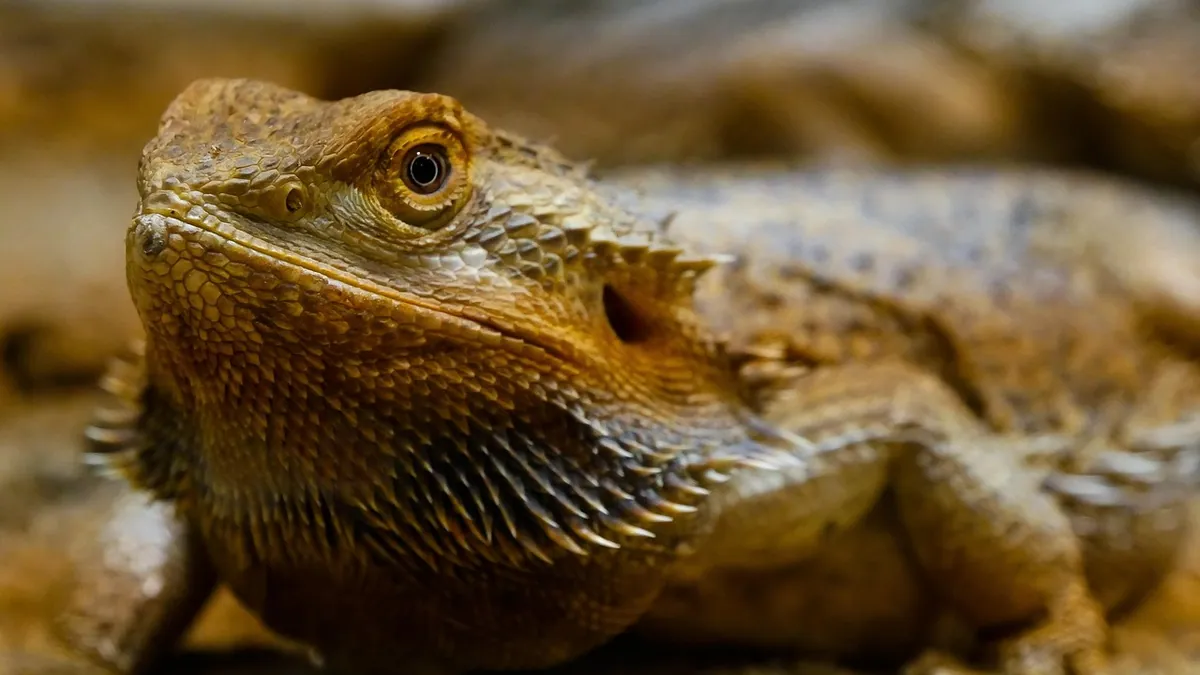
If your bearded dragon is not active, the first question is whether this is normal for the season or a sign of illness. Bearded dragons naturally slow down during brumation, a cool-season rest period, but lethargy can also point to temperature problems, lighting gaps, poor diet, or serious disease. Lethargy is one of the most common reasons bearded dragons are brought in for emergency care, and it is linked to a lower chance of surviving to discharge [1].
This article is educational and is not a substitute for veterinary diagnosis or treatment.
Quick Answer
- A healthy bearded dragon is alert, basks, eats, and moves around its enclosure most days. A dragon that is dull, limp, or hiding all day is not normal.
- Brumation is a seasonal slowdown with cool temperatures and reduced eating. It should not include weight loss, breathing trouble, or a swollen body.
- Check your temperatures and UVB lighting first. Cold enclosures and missing UVB cause sluggish behavior and weaken bones over time [2].
- Lethargy plus not eating is a serious combination. In one review of emergency cases, lethargy and anorexia were each linked to a higher risk of not surviving to discharge [1].
- Any trouble breathing, sudden collapse, or repeated open-mouth breathing needs a veterinarian right away [3].
What Low Activity Looks Like and What Is Normal
Activity level varies with age, season, and setup. A young bearded dragon should be busy most of the day. It basks, explores, hunts insects, and reacts when you open the enclosure. An adult may rest more, especially after a large meal.
Normal low activity has a pattern. Your dragon still lifts its head, tracks movement, and holds itself up on all four legs. It may eat less for a few days but keeps its weight steady.
Abnormal low activity looks different. Your bearded dragon is not very active at all, even during warm daytime hours. It lies flat, closes its eyes, and does not respond much when you approach. It may stop eating, lose weight, or sit with its head tilted or its mouth open.
Brumation sits between these two. It is a natural rest state triggered by shorter days and cooler temperatures. A brumating dragon sleeps more, eats little, and stays in its hide. It should still look plump and breathe quietly. If your dragon is losing weight or struggling to breathe, that is not brumation.
Why Is My Bearded Dragon Not Active? Main Causes
Temperature Problems
Bearded dragons are ectotherms. They rely on their environment to control body temperature. If the basking spot is too cool, digestion slows and your dragon becomes sluggish. If the whole enclosure is too cold, it may barely move.
Check your basking zone, warm side, and cool side with a digital thermometer. A temperature gun helps you spot-check surfaces. If the basking area is not warm enough, your dragon cannot digest food or fight off mild illness well.
Lighting and UVB Gaps
UVB light helps bearded dragons make vitamin D3 and absorb calcium. A study of dietary supplements and UVB exposure found that UVB exposure raised both total calcium and ionized calcium levels in bearded dragons [2]. Without adequate UVB, calcium metabolism suffers and metabolic bone disease can develop [2].
Old UVB bulbs are a common hidden problem. They may still glow but put out little useful UVB. Replace bulbs on the schedule your manufacturer recommends, and make sure your dragon can get within the proper distance of the bulb.
Diet and Nutrition
A diet of only insects or only greens is unbalanced. Growing dragons need calcium and vitamin D3 support, and adults need the right calcium-to-phosphorus balance. Nutritional metabolic bone disease from calcium and vitamin D3 deficiency is common in pet reptiles [2].
Low calcium can cause weakness, tremors, and a dragon that will not move much. Obesity and fatty liver disease also slow dragons down. Overfeeding insects high in fat is a frequent cause.
Brumation
Brumation is a normal seasonal slowdown. Your dragon may sleep for weeks, eat very little, and stay in its hide. It usually happens in the cooler months when daylight shortens.
A brumating dragon should not lose much weight. Weigh it weekly on a kitchen scale. If weight drops steadily, this is not normal brumation and needs a vet visit.
Illness and Infection
Many diseases cause lethargy in bearded dragons. Respiratory infection is a major one. An outbreak in a colony of young bearded dragons caused dehydration, lethargy, poor appetite, weight loss, neck extension, open-mouth breathing, and sudden death, with pneumonia found on necropsy [3]. The cause was Mycoplasma pogonae, which can act as a primary infectious agent [3].
Reproductive disease is another cause, especially in females. In emergency cases, females more often presented with celomic distension and were diagnosed with reproductive disease [1]. A female that is not active and has a swollen belly needs prompt evaluation.
Cancer is less common but possible. A 13-year-old female bearded dragon with lethargy was found to have a mass in her body cavity and lesions in her bones and lungs [4]. This shows that serious internal disease can hide behind simple sluggishness.
Parasites, impaction, and kidney disease also cause low activity. Impaction is a blockage of the gut, often from swallowing substrate or large prey. A dragon with impaction may strain, stop passing stool, and go quiet. You can read more about that in Bearded Dragon Impaction: Signs, Causes, and Veterinary Care.
Cause Table
| Cause | Typical clues | How urgent |
|---|---|---|
| Cool enclosure | Sluggish after meals, cool skin, poor appetite | Fix today, vet if no improvement in 2 to 3 days |
| Weak or old UVB | Soft jaw, tremors, weak legs, slow growth | Vet visit soon, correct lighting now [2] |
| Poor diet or calcium gap | Weakness, twitching, bent limbs, thin body | Vet visit soon [2] |
| Brumation | Seasonal, sleeping in hide, steady weight | Routine check if weight holds |
| Respiratory infection | Open-mouth breathing, neck extension, mucus, wheezing | Emergency now [3] |
| Reproductive disease | Swollen belly, straining, not eating, female | Same-day vet visit [1] |
| Cancer or internal mass | Weight loss, visible lump, head tilt, eye swelling | Vet visit soon [4] |
| Impaction | No stool, straining, hard belly, vomiting | Same-day vet visit |
Red Flags That Make It an Emergency
Some signs mean you should not wait. Go to an emergency veterinarian now if you see any of these.
- Open-mouth breathing at rest, neck extension, or gasping [3]
- Sudden collapse or a dragon that cannot right itself
- Repeated vomiting or a hard, swollen belly
- Blood in the stool or a prolapse
- Seizures, tremors, or a jaw that feels soft and rubbery
- A female that is straining or has a rapidly growing belly [1]
Lethargy alone is a warning sign. In emergency cases, bearded dragons with lethargy were less likely to survive to discharge [1]. That does not mean your dragon will die. It means the problem deserves fast, professional care.
Safe Things You Can Do at Home While You Wait
You can support your dragon while you arrange a vet visit. Do not give any medication or supplement dose on your own. Your veterinarian calculates doses from your pet's weight and health.
- Check temperatures. Use a digital thermometer and a temperature gun. Confirm the basking spot, warm side, and cool side match the needs of your dragon's age.
- Check the UVB bulb. Confirm it is the right type and within its replacement window. UVB exposure supports calcium levels [2].
- Offer shallow, clean water. Dehydration was a common sign in a respiratory outbreak [3]. A shallow dish lets your dragon drink without risk of drowning.
- Keep handling low. Stress makes sick reptiles worse. Move your dragon only for weighing or cleaning.
- Weigh weekly. Use a gram scale. Write down the number so you can show your vet a trend.
- Keep a simple log. Note appetite, stool, breathing, and how much your dragon moves each day.
Do not force-feed unless your veterinarian tells you to. Do not raise the temperature far above normal to "wake up" a sick dragon. Overheating can be dangerous.
What the Veterinarian Will Check and Test
Your veterinarian will start with a full history. Bring your temperature readings, UVB bulb details, diet, and weight log. These details often point to the cause before any test.
The physical exam checks body condition, hydration, breathing, mouth color, eyes, and belly. The vet will feel for masses or a hard stomach. A head tilt or eye swelling can point to deeper disease, as seen in a bearded dragon with a mass and bone lesions [4].
Common tests include:
- Blood work to check calcium, ionized calcium, uric acid, total protein, and organ values. Reference ranges for bearded dragons include calcium around 2.6 mmol/L and ionized calcium around 1.2 mmol/L, though your vet interprets results for your individual pet [2].
- Fecal testing for parasites and bacteria.
- X-rays or CT scans to look for impaction, masses, or bone changes [4].
- Cultures or molecular testing if infection is suspected [3].
- Ultrasound for reproductive disease in females [1].
Treatment depends on the cause. It may include fluids, warmth, antibiotics, parasite treatment, calcium support, or surgery. Early care gives your dragon the best chance.
Prevention and Monitoring
Good husbandry prevents many cases of low activity. Set up the enclosure correctly from day one. If you are new to bearded dragons, Is a Bearded Dragon a Good Pet for Beginners? covers the basics of daily care.
- Keep a temperature gradient. Your dragon needs a warm basking zone and a cooler retreat.
- Replace UVB bulbs on schedule. UVB supports calcium metabolism [2].
- Feed a balanced diet. Use calcium and vitamin D3 supplements as directed by your veterinarian.
- Weigh your dragon monthly. A steady weight is a good sign. A drop is a warning.
- Quarantine new reptiles. Mycoplasma pogonae spread through a colony and caused sudden deaths [3].
- Schedule wellness exams. A yearly check catches problems before they become emergencies.
- Watch for seasonal changes. Know what brumation looks like for your dragon so you can spot when something is off.
You can also review Bearded Dragon Lifespan and Common Health Problems to understand what to expect as your dragon ages.
Limitations and When to Contact a Veterinarian
This article gives general guidance. Individual cases need a veterinarian who can examine your dragon and run tests.
Contact a veterinarian the same day if your bearded dragon is not active and also has any of these:
- Not eating for more than 2 to 3 days
- Weight loss
- Swollen belly, especially in a female [1]
- Eye swelling, head tilt, or a visible lump [4]
- Straining to pass stool or no stool for several days
Go to an emergency clinic now if you see open-mouth breathing, neck extension, gasping, collapse, seizures, or repeated vomiting [3]. Lethargy and anorexia together raise the risk of a poor outcome in emergency cases, so do not wait to see if it improves on its own [1].
Frequently Asked Questions
How long can a bearded dragon be inactive before I should worry?
A few quiet days during a seasonal slowdown can be normal. Worry if low activity lasts more than a few days, comes with weight loss, or happens outside the usual brumation season. Any breathing change or belly swelling means call a vet right away.
Is my bearded dragon brumating or sick?
Brumation brings sleep, cool temperatures, and reduced eating with stable weight. Illness brings weight loss, breathing trouble, a swollen belly, or a dragon that looks dull even when warm. If you are unsure, a vet visit is the safest choice.
Can low temperatures alone make my bearded dragon not active?
Yes. A cool enclosure slows digestion and makes a bearded dragon sluggish. Check your basking and cool-side temperatures with a digital thermometer. If warming the enclosure does not perk your dragon up within a couple of days, see a veterinarian.
Does UVB lighting affect activity level?
UVB supports calcium metabolism, and UVB exposure raised calcium levels in bearded dragons in one study [2]. Weak UVB can lead to bone disease, weakness, and low activity. Replace bulbs on schedule and confirm the distance from the bulb is correct.
What should I bring to the vet appointment?
Bring your temperature readings, UVB bulb type and age, diet details, and a weight log. Also bring a fresh stool sample if you can. These details help your veterinarian find the cause faster and choose the right tests.
Related Articles
- Bearded Dragon Lifespan: What to Expect and How to Maximize It
- Bearded Dragon Impaction: Signs, Causes, and Veterinary Care
- Bearded Dragon Lifespan and Common Health Problems
- Is a Bearded Dragon a Good Pet for Beginners?
- Bearded Dragon Care: Pyramiding & Shell Health Management
- Bearded Dragon Black Beard: What It Means and When to Worry
- Why Is My Bearded Dragon Not Moving? Causes and Urgency
- Why Is My Bearded Dragon Not Eating? Causes and Next Steps
- Why Is My Bearded Dragon So Lazy? Normal vs. Concerning
References
- Bearded dragons (Pogona vitticeps) presenting for emergency evaluation with lethargy and anorexia are less likely to survive to discharge. American journal of veterinary research, 2026.
- Effect of different dietary supplements on the growth and blood parameters of bearded dragons (Pogona vitticeps). Acta veterinaria Hungarica, 2026.
- Molecular Characterization and Clinicopathological Findings of Mycoplasma pogonae Infection in Captive Central Bearded Dragons (Pogona vitticeps). Animals : an open access journal from MDPI, 2025.
- Metastasizing dysgerminoma in an inland bearded dragon (Pogona vitticeps). BMC veterinary research, 2024.