Why Is My Leopard Gecko Changing Colors?
By Dr. Zubair Khalid, DVM, MS, PhD ·
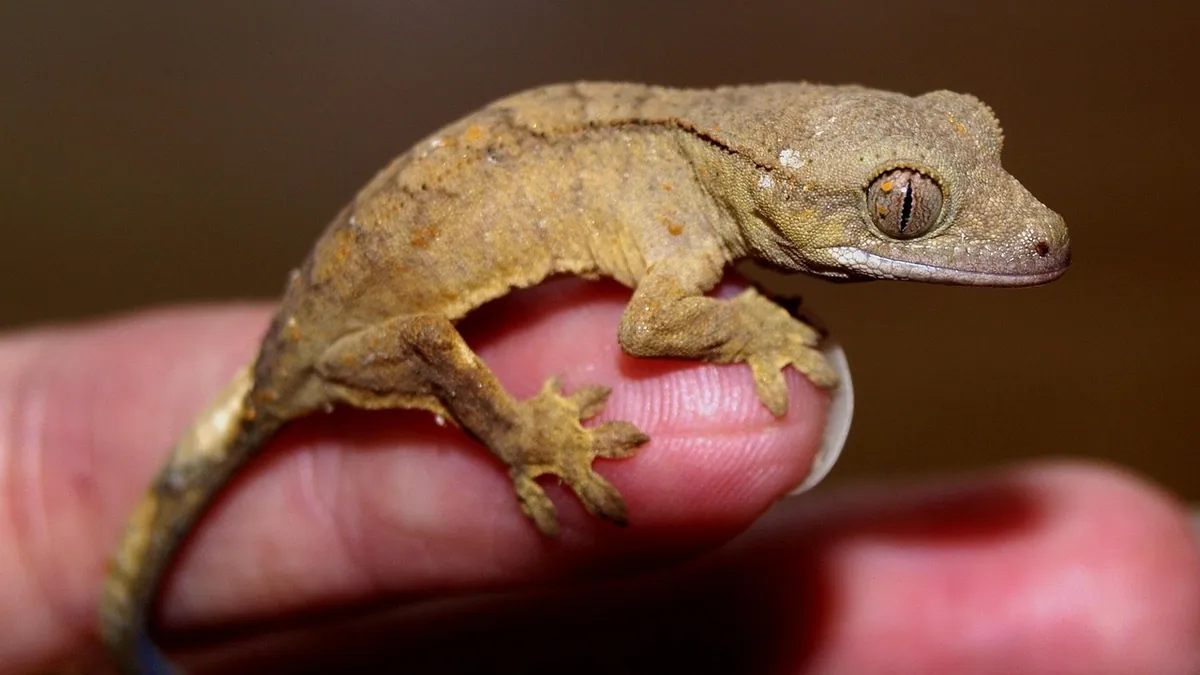
Why is my leopard gecko changing colors? Most of the time, a leopard gecko changes color because it is about to shed, because it is warmer or cooler than usual, because its mood or stress level has shifted, or simply because it is growing up. Color change is a normal part of reptile life, but a few changes (blackened skin, spreading redness, or a stuck shed) mean something is wrong and need a closer look.
This article is educational and is not a substitute for veterinary diagnosis or treatment.
Quick Answer
- A dull, grayish, or "ghostly" gecko is almost always a gecko in shed (pre-shed). This is normal and expected.
- Leopard geckos often look paler when warm and darker when cool, because skin pigment responds to temperature.
- Stress, fear, or excitement can darken or lighten a gecko within minutes.
- Babies and juveniles change color as they grow into their adult pattern, and some morphs shift with age.
- Black, red, blistered, or foul-smelling skin is not normal color change. That is a medical problem, and you should see a reptile veterinarian.
What Color Change in Leopard Geckos Actually Is
Leopard gecko colors come from pigment cells in the skin. These cells can move pigment around, change how much pigment they make, or change in number over time. When pigment spreads out, the skin looks darker. When pigment pulls together, the skin looks lighter. This is why a gecko can look different from one hour to the next.
Scientists have measured this process in other animals and found it is not free. In octopuses, running the color-changing system at full power uses almost as much energy as the animal's entire resting metabolism [1]. Leopard geckos are not octopuses, but the principle holds across species: changing color costs energy, so a gecko usually does it for a reason.
Those reasons fall into a few buckets. Temperature regulation is one. Green anoles shift toward darker brown in colder conditions so they can absorb more heat from light [2]. Camouflage is another. Western spadefoot toads adjust their dorsal color to match bright or dark backgrounds, and they can do it quickly when moved between substrates [3]. Some color differences are genetic and fixed, like the red crossbands studied in Chinese crocodile lizards, where a single dominant genetic locus controls whether an animal is red or not [4]. And some color change is structural, driven by how many pigment cells an animal has, not just how active those cells are [5].
For your leopard gecko, the practical takeaway is simple. Color change is usually a response to something: shedding, heat, mood, growth, or a health problem.
Signs Owners Notice
Normal changes
- Dull, ashy, or milky appearance. The skin looks like it has a powder coating. This is the classic pre-shed look.
- Patchy white or gray areas. Old skin is lifting and separating from new skin underneath.
- Darker body when cool. A gecko that has been on the cool side of the enclosure may look deeper in color.
- Lighter body when warm. After basking, many geckos look brighter or more washed out.
- Quick shifts during handling. A gecko may darken when nervous and lighten again once it settles.
- Gradual pattern changes over months. Juveniles often lose banding and gain spots as they mature.
Changes that need attention
- Black or dark brown patches that do not fade. This can be a burn, a wound, or dying tissue.
- Red, raw, or weeping skin. This suggests infection or injury.
- Skin that stays stuck after a shed. Retained shed on toes, tail tips, or eyelids can cut off circulation.
- Blistering or swelling. Burns from unregulated heat sources can cause fluid-filled blisters.
- Sudden widespread darkening with lethargy or refusal to eat. This points to illness, not mood.
Causes and Risk Factors
Shedding
Shedding is the most common reason a leopard gecko changes color. The outer layer of skin loosens, and the gecko looks pale and dull for several days before it comes off. Most healthy adult leopard geckos shed every few weeks. Young, fast-growing geckos shed more often.
Temperature
Leopard geckos are ectotherms, which means their body temperature depends on their environment. Skin color responds to that. A gecko on the warm side of a properly set up enclosure often looks brighter. A gecko that has been cool looks darker. If your temperature gradient is wrong, your gecko may look off-color more often than it should. A correct hot side and cool side setup matters here. See Leopard Gecko Care: Temperature gradient hot side cold side setup for the details.
Mood and stress
Fear, handling, a new enclosure, a new cage mate, or a predator in the room can trigger fast color shifts. Many geckos darken when stressed and lighten when calm. This is normal and usually reverses within minutes to hours once the stressor is gone.
Aging and genetics
Baby leopard geckos look different from adults. Banding fades, spots appear, and overall color can shift. This is genetic, not a health problem. Different morphs also age differently. Some stay bright, some dull out, and some develop new tones. If you want to understand what your gecko's morph should look like at each life stage, read Leopard Gecko Morphs Explained for Owners.
Burns
Burns are a serious and common cause of abnormal color change. An unregulated heat mat, a heat rock, or a basking bulb placed too close can burn a gecko's belly or back. Burned skin turns dark, then black, and may blister or peel. This is not normal color change.
Infection and skin disease
Bacterial or fungal infections can cause redness, dark patches, swelling, or a bad smell. Retained shed creates the perfect environment for infection because damp, trapped skin sits against the toes or tail. If shed is stuck, do not pull it off. Soak the gecko in shallow lukewarm water and let it loosen, or have a veterinarian remove it.
Nutritional and husbandry problems
Poor lighting, missing supplements, and low temperatures weaken a gecko over time. A weak gecko sheds poorly, heals slowly, and may look dull for weeks. Metabolic bone disease is one example of a husbandry-linked problem that affects overall health and appearance. Learn the signs in Leopard Gecko Care: Metabolic Bone Disease (MBD) Signs & UVB Lighting.
| What you see | Likely cause | What to do |
|---|---|---|
| Dull, ashy skin for a few days | Pre-shed | Leave it alone, keep humidity up, check for stuck shed after |
| Darker color after time on the cool side | Temperature response | Check your gradient and adjust the heat source |
| Quick darkening during handling | Stress or mood | Handle less, let the gecko settle |
| Gradual pattern change over months | Normal aging or morph | No action needed |
| Black, crusted, or blistered skin | Burn or infection | See a reptile veterinarian |
| Stuck shed on toes or tail tip | Retained shed | Soak gently, see a vet if it does not come off |
How Veterinarians Diagnose the Cause
A reptile veterinarian starts with the history. When did the color change start? Is it all over or in one spot? Did the gecko shed recently? What are the enclosure temperatures, and how are they measured? What heat source do you use?
Then comes the physical exam. The vet looks at the skin under good light, checks for retained shed, feels for swelling, and examines the toes, tail, eyes, and vent. They check body condition and hydration. They may look in the mouth and check for signs of infection or nutritional problems.
Depending on what they find, they may recommend skin swabs, a skin scraping, or a culture to identify bacteria or fungi. Blood work can help if the gecko is lethargic, not eating, or has a long-standing problem. Imaging is sometimes used if a burn or internal issue is suspected. In many cases, the diagnosis comes from the exam and the husbandry review alone.
Treatment Options
Treatment depends entirely on the cause.
For normal shedding, no treatment is needed. Keep humidity in the hide box appropriate, and check after each shed for retained pieces on the toes, tail tip, and eyelids.
For temperature-related color change, fix the enclosure. Adjust your heat source, verify temperatures with a reliable thermometer, and make sure your gecko has a proper gradient. Lighting and heat setup details are covered in Lighting for Leopard Geckos: UVB, Heat, and Photoperiod Explained.
For stress-related color change, reduce handling, give the gecko hiding spots, and let it adjust to any changes slowly.
For burns, remove the heat source immediately and see a veterinarian. Burns need wound care and sometimes antibiotics. Do not apply human ointments to a reptile without veterinary guidance.
For infection, a veterinarian may prescribe topical or systemic medication. The exact drug and dose depend on the specific infection, the gecko's weight, and its overall health. Your veterinarian calculates the dose from your pet's weight and health, so never guess at a dose yourself.
For retained shed, gentle soaking and veterinary removal are the mainstays. If a toe or tail tip has lost circulation, more involved care may be needed. Tail injuries are covered in Leopard Gecko Tail Drop Care.
Recovery, Outlook, and Long-Term Management
The outlook is excellent for normal color changes. Shedding, temperature shifts, mood changes, and aging all resolve on their own or with simple husbandry adjustments.
For burns and infections, the outlook depends on how quickly you act. Minor burns caught early often heal well with veterinary care. Deep burns, untreated infections, and lost toes or tail tips have a longer recovery and may leave permanent scarring or color changes.
Long term, the best management is prevention. Keep temperatures accurate. Provide a humid hide. Feed a balanced diet with appropriate supplementation. Keep the enclosure clean. Handle your gecko gently and not too often. Watch for changes in appetite, energy, and droppings, because those often signal problems before the skin does.
Prevention
- Check temperatures regularly. Use a digital thermometer or infrared gun, not guesswork.
- Provide a humid hide. This supports clean sheds and reduces retained skin.
- Use regulated heat sources only. Avoid unregulated heat rocks and bulbs placed too close.
- Feed and supplement properly. Nutritional problems show up in the skin over time.
- Keep the enclosure clean. Remove waste promptly and replace soiled substrate.
- Quarantine new reptiles. This limits the spread of infections.
- Photograph your gecko monthly. A photo log makes subtle changes obvious.
- Do not pull stuck shed. Soak and let it release, or get help.
Limitations and When to Contact a Veterinarian
This article covers common patterns, but every gecko is an individual. A veterinarian who examines your pet is the only one who can tell you what is happening in your specific case.
Contact an emergency veterinary hospital now if:
- Your gecko has black, charred, or blistered skin.
- There is bleeding, open wounds, or exposed tissue.
- Your gecko is unresponsive, limp, or having trouble breathing.
- You suspect a severe burn from a heat source.
Contact a reptile veterinarian the same day if:
- Skin is red, swollen, or has a bad smell.
- Retained shed is cutting off a toe or tail tip.
- Your gecko has stopped eating or is losing weight.
- You see sudden widespread darkening with lethargy.
Schedule a routine visit if:
- Color changes persist for more than a few weeks without an obvious cause.
- Your gecko sheds poorly or incompletely more than once.
- You are unsure whether a change is normal.
Frequently Asked Questions
Do leopard geckos change colors?
Yes, leopard geckos change color in several normal ways. They pale before shedding, shift with temperature, darken or lighten with mood, and gradually change pattern as they grow. Some changes are fast, and some happen over months.
Will my leopard gecko change colors as it gets older?
Most leopard geckos do change as they mature. Juveniles often lose their banding and develop spots, and overall tone can shift. The amount of change depends on the individual and its genetics.
Why does my leopard gecko look pale and gray?
A pale, gray, or ashy look almost always means the gecko is about to shed. The old skin lifts and dulls the color underneath. After the shed comes off, the gecko usually looks brighter within a day or two.
Can temperature change my leopard gecko's color?
Yes. Leopard geckos are ectotherms, and their skin color responds to temperature. A gecko on the warm side often looks brighter, while a cool gecko looks darker. If the color seems off often, check your temperature gradient.
Is dark skin on my leopard gecko ever an emergency?
Sometimes, yes. Dark skin from mood or temperature fades and is harmless. Dark skin that is black, crusted, blistered, or paired with swelling, odor, or lethargy is a medical emergency. See a reptile veterinarian right away.
Related Articles
- Lighting for Leopard Geckos: UVB, Heat, and Photoperiod Explained
- Leopard Gecko Morphs Explained for Owners
- Leopard Gecko Tail Drop Care
- Leopard Gecko Care: Temperature gradient hot side cold side setup
- Leopard Gecko Care: Metabolic Bone Disease (MBD) Signs & UVB Lighting
- Leopard Gecko Care: Pyramiding & Shell Health Management
- Why Is My Leopard Gecko Turning White? Skin and Poop Clues
- Why Is My Leopard Gecko Pale? Causes and What to Do
- Why Is My Leopard Gecko Pale but Not Shedding?
References
- High energetic cost of color change in octopuses. Proceedings of the National Academy of Sciences of the United States of America, 2024.
- Using large-scale community science data and computer vision to evaluate thermoregulation as an adaptive driver of physiological color change in Anolis carolinensis. Frontiers in zoology, 2025.
- Fading on the beach: pigmentation plasticity adjusts coloration to substrate type in coastal Western spadefoot toads. Current zoology, 2025.
- Balancing Selection on a Single Locus Controls Colour Polymorphism in a Reptile via Tubulin Modification. Molecular ecology, 2026.
- Cellular and Molecular Basis of Environment-Induced Color Change in a Tree Frog. Animals : an open access journal from MDPI, 2024.