Why Is My Bearded Dragon Changing Colors?
By Dr. Zubair Khalid, DVM, MS, PhD ·
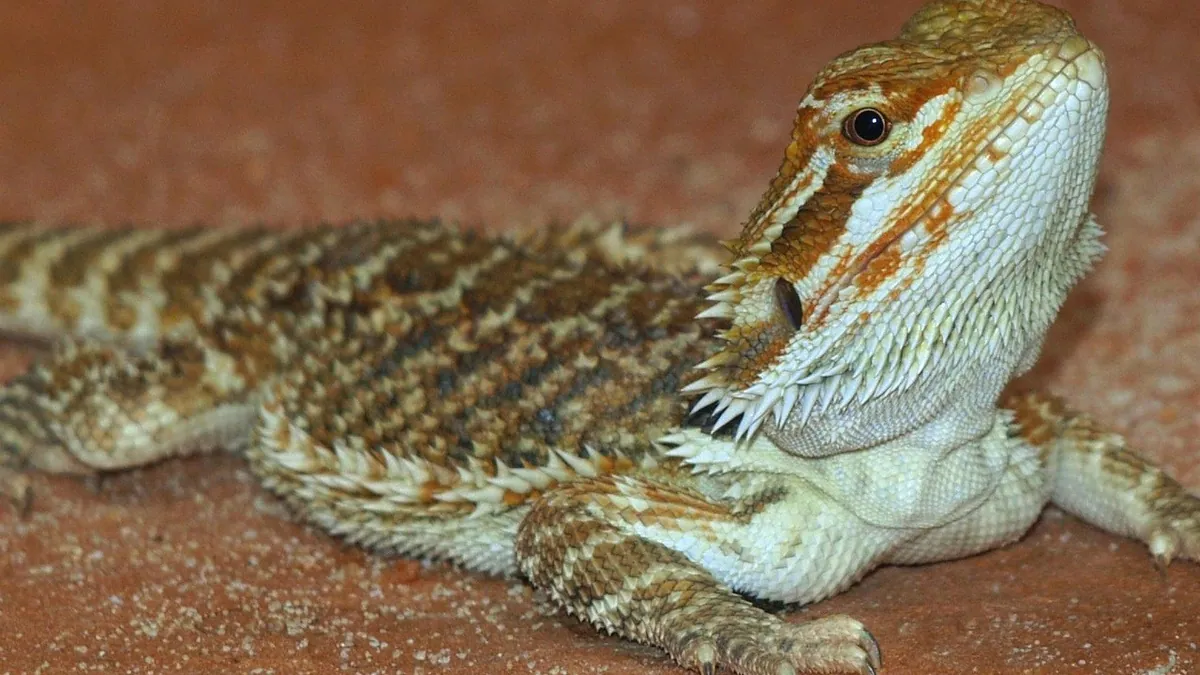
Bearded dragons change colors for many ordinary reasons, including mood, body temperature, shedding, and breeding season. A dragon that turns darker in the morning and brightens under its basking lamp is usually behaving normally. Color change becomes a concern when it comes with lethargy, appetite loss, breathing trouble, or a black beard that will not fade.
This article is educational and is not a substitute for veterinary diagnosis or treatment.
Quick Answer
- Bearded dragons lighten and darken throughout the day to manage heat and to signal mood, so some color shifting is expected.
- A dark or black beard often means stress, pain, or illness, especially when it lasts for hours or comes with other symptoms.
- Dull, patchy, or gray-looking skin usually means a shed is starting, not a disease.
- Urate (the white part of the stool) should be white to cream colored. Yellow, orange, green, or bloody urate needs a veterinary visit.
- Any dragon that stops eating, breathes with its mouth open, or cannot lift its head needs to be seen right away.
What Normal Color Change Looks Like
Bearded dragons have pigment cells in their skin called chromatophores. These cells contain melanin (dark pigment) and other pigments, and they can expand or shrink to change how the skin looks [1]. This is the same basic system that lets many reptiles and amphibians shift color for camouflage and temperature control [2].
A healthy dragon may look almost gray or brown in the cool morning, then turn bright and warm-toned within an hour of basking. Juveniles often show sharper patterns than adults. Males may develop a darker beard and darker sides during breeding season. Females can show darker stress marks on the belly and chest when they are gravid (carrying eggs).
The colors you see depend on the dragon's genetics. Bearded dragons come in many morphs, including normal (wild-type), hypo, translucent, leatherback, silkback, and various red, orange, citrus, and white lines. Some of this variety comes from single genes that switch pigment production on or off, which is how one locus can create very different-looking animals [3]. Pigment differences also come from how much melanin versus other pigments the skin makes, and genes like tyrp1 can reduce melanin production when they carry certain changes [4].
Why Is My Bearded Dragon Changing Colors? Main Causes
Most color changes fall into a few categories. The table below lists the common ones and how quickly you should act.
| Cause | Typical clues | How urgent |
|---|---|---|
| Mood or stress | Dark beard, dark stress marks, flattened body, hissing, puffing | Watch closely. If it fades within minutes to hours, it is likely behavioral. If it lasts all day with other symptoms, call your vet. |
| Temperature | Dark in the morning or after cool nights, bright after basking | Not urgent. This is normal thermoregulation. |
| Shedding | Dull, gray, patchy skin, flaky edges, rubbing on cage furniture | Not urgent. Do not peel the skin. |
| Breeding season | Darker beard and sides in males, darker belly in females, restlessness | Routine visit if the dragon stops eating or seems uncomfortable. |
| Dehydration or poor husbandry | Wrinkled skin, sunken eyes, dull color, low appetite | See a vet within a day or two. |
| Illness or pain | Persistent dark color, black beard that will not fade, closed eyes, labored breathing, not eating | Same day or emergency, depending on severity. |
Mood and Stress
A dark beard is the classic stress signal. It can appear when your dragon sees a rival, feels handled too roughly, or is in a new enclosure. The article on bearded dragon black beard explains the difference between a brief display and a beard that stays black for hours.
Stress color often comes with other body language. Your dragon may flatten its body, open its mouth, hiss, or bob its head. If the color returns to normal once the trigger is gone, that is a good sign.
Temperature and Basking
Reptiles use color to help control body heat. Darker skin absorbs more heat, so many dragons look darker when they are cool and lighter after basking. This is normal and expected. A dragon that stays dark even under a proper basking light may be too cold, which points to a lighting or heating problem.
Check your temperatures with a digital probe or infrared thermometer. Basking surface temperatures for adult bearded dragons are usually kept around 95 to 110°F, with a cooler side in the 75 to 85°F range. If your setup is off, your dragon may never warm up enough to brighten.
Shedding
Shedding is one of the most common reasons a bearded dragon looks dull or gray. The old skin lifts in patches, and the new skin underneath is often brighter. Shedding is normal, but stuck shed around the toes, tail tip, or eyes can cause problems. Never pull shed off by force. Soak your dragon in shallow, lukewarm water and let the skin come off on its own.
Breeding Season and Hormones
Adult males often develop a darker beard and darker sides during breeding season. Females may show darker stress marks and a darker belly when they are producing eggs. These changes are hormonal and usually temporary. A female that stops eating, strains, or seems weak needs a veterinary exam because egg binding is possible.
Illness and Pain
Persistent darkening is a warning sign. A dragon in pain or fighting an infection may stay dark, sit with its eyes closed, and refuse food. Respiratory infections often cause open-mouth breathing, mucus, or a clicking sound. Metabolic bone disease can cause tremors, a soft jaw, or trouble walking. The guide on metabolic bone disease and UVB lighting covers the signs in detail.
What Bearded Dragon Urate Colors Mean
Urate is the white, chalky part of the droppings. It reflects how well your dragon is hydrated and how its kidneys are working.
- White to cream: normal.
- Slightly yellow: often mild dehydration. Offer fresh water and check your humidity and bathing routine.
- Bright yellow or orange: can be dehydration, liver or kidney stress, or a reaction to something in the diet. Book a veterinary visit.
- Green: may mean bile in the stool or an infection. See a vet.
- Pink, red, or bloody: possible bleeding or serious illness. Treat as urgent.
If the urate is hard, dry, or passed with straining, your dragon may be dehydrated or impacted. The article on bearded dragon impaction explains the signs and when to seek care.
Red Flags That Mean Emergency
Call an emergency veterinary clinic right away if your bearded dragon has any of these:
- Open-mouth breathing while resting, or breathing with the body raised and neck stretched
- A black beard that stays black for hours along with weakness or collapse
- Bloody or black stool, or a prolapse (tissue sticking out of the vent)
- Repeated straining with no stool, or a swollen, hard belly
- Tremors, seizures, or the inability to lift its head
- Burns, a fall, or a bite from another pet
- Sudden paralysis of the back legs
If you suspect poisoning from a plant, cleaner, or pesticide, call the ASPCA Animal Poison Control Center at (888) 426-4435 or the Pet Poison Helpline at (855) 764-7661. These lines may charge a consultation fee.
Safe Things You Can Do at Home
While you wait for your appointment, keep changes small and safe.
- Check your temperatures and lighting. Make sure the basking zone and cool zone are in the correct ranges and that your UVB bulb is not expired. The article on UVB light for bearded dragons explains why this matters.
- Offer shallow, lukewarm soaks for 10 to 15 minutes. This helps with hydration and loosens shed.
- Do not force food. Offer small amounts of familiar insects and greens.
- Reduce handling. Stress can deepen color changes, so give your dragon quiet time.
- Keep a simple log. Note the time of day, the color you see, and any other symptoms. This helps your vet.
- Do not use any medication, supplement, or home remedy unless your veterinarian prescribes it. Doses depend on your pet's weight and health, so your vet will calculate them.
What Your Veterinarian Will Check
Your vet will start with a full physical exam. They will look at the skin, eyes, mouth, and vent, and they will feel the belly for swelling or masses. They will ask about your enclosure, temperatures, UVB setup, diet, and recent shedding.
Common tests include:
- Fecal exam to check for parasites and bacteria
- Blood work to check organ function, calcium, and hydration
- Radiographs (X-rays) to look for eggs, impaction, or bone changes
- Skin scrapings or cultures if infection is suspected
Treatment depends on the cause. It may include fluids, antibiotics, antiparasitics, calcium or vitamin support, or changes to your lighting and diet. Your vet will give you a specific plan for your dragon.
Prevention and Monitoring
Good husbandry prevents many color-related problems.
- Keep a consistent day and night light cycle, usually 12 hours on and 12 hours off.
- Replace UVB bulbs on the schedule your bulb maker recommends, since output drops over time even when the bulb still glows.
- Feed a varied diet of insects and safe greens, and dust with calcium as your vet advises.
- Keep the enclosure clean and remove droppings daily.
- Track weight and appetite. A kitchen scale works well for small dragons.
- Watch for changes in urate color, stool frequency, and shedding patterns.
A bearded dragon that eats well, basks normally, and sheds in full patches is usually healthy. The article on bearded dragon lifespan covers long-term care habits that support good health.
Limitations and When to Contact a Veterinarian
Color change alone is rarely an emergency. Color change plus other symptoms often is. Contact your veterinarian the same day if your dragon has a black beard that will not fade, has not eaten for more than two days, or has yellow, green, or bloody urate. Go to an emergency clinic now if your dragon is struggling to breathe, cannot move its legs, is bleeding, or has collapsed.
Routine visits are appropriate for gradual changes like dull skin, mild appetite loss, or a shed that seems stuck. Your veterinarian can examine your dragon and decide whether testing is needed. Every animal is different, so individual cases need a veterinarian who can see your pet in person.
Frequently Asked Questions
Why does my bearded dragon turn dark at night?
Many dragons darken at night because their body temperature drops and their skin absorbs more heat. This is normal. If your dragon stays dark all day even under a proper basking light, check your temperatures and UVB setup, then call your vet if the color does not improve.
Do bearded dragons come in different colors?
Yes. Bearded dragons come in many colors and patterns, including red, orange, citrus, white, and gray morphs. Some of this variety comes from single genes that control pigment production. Your dragon's base color is set by genetics, so it will not change permanently with diet or care.
Can stress alone make my bearded dragon change color?
Yes. Stress can trigger a dark beard, dark stress marks, and a flattened body. If the color fades once the stressor is gone, it is likely behavioral. If the dark color lasts for hours or comes with appetite loss or breathing changes, have your dragon examined.
What does yellow urate mean in a bearded dragon?
Yellow urate often means mild dehydration, but it can also point to liver or kidney stress. Offer fresh water and a shallow soak, then watch the next few droppings. If the yellow color continues or gets brighter, schedule a veterinary visit.
Is color change ever a sign of shedding?
Yes. Shedding is one of the most common reasons a bearded dragon looks dull, gray, or patchy. The old skin lifts and the new skin underneath is often brighter. Do not peel the skin off. Soak your dragon in shallow, lukewarm water and let the shed come off on its own.
Related Articles
- Bearded Dragon Black Beard: What It Means and When to Worry
- Do Bearded Dragons Need UVB Light?
- Bearded Dragon Lifespan: What to Expect and How to Maximize It
- Bearded Dragon Impaction: Signs, Causes, and Veterinary Care
- Bearded Dragon Care: Metabolic Bone Disease (MBD) Signs & UVB Lighting
- Bearded Dragon Lifespan and Common Health Problems
- Bearded Dragon Morphs Explained: Colors, Patterns, and Health
- Why Is My Bearded Dragon Yellow? Skin, Mouth, and Tongue
- Why Is My Bearded Dragon Puffing Its Beard? Meaning
References
- Conserved and lineage-specific mechanisms drive chromatophore differentiation in reptiles. Nature communications, 2026.
- Cellular and Molecular Basis of Environment-Induced Color Change in a Tree Frog. Animals : an open access journal from MDPI, 2024.
- Balancing Selection on a Single Locus Controls Colour Polymorphism in a Reptile via Tubulin Modification. Molecular ecology, 2026.
- Disentangling the molecular mechanisms underlying yellow body coloration in a soft-shelled turtle. Zoological research, 2025.