Why Is My Bearded Dragon Yellow? Skin, Mouth, and Tongue
By Dr. Zubair Khalid, DVM, MS, PhD ·
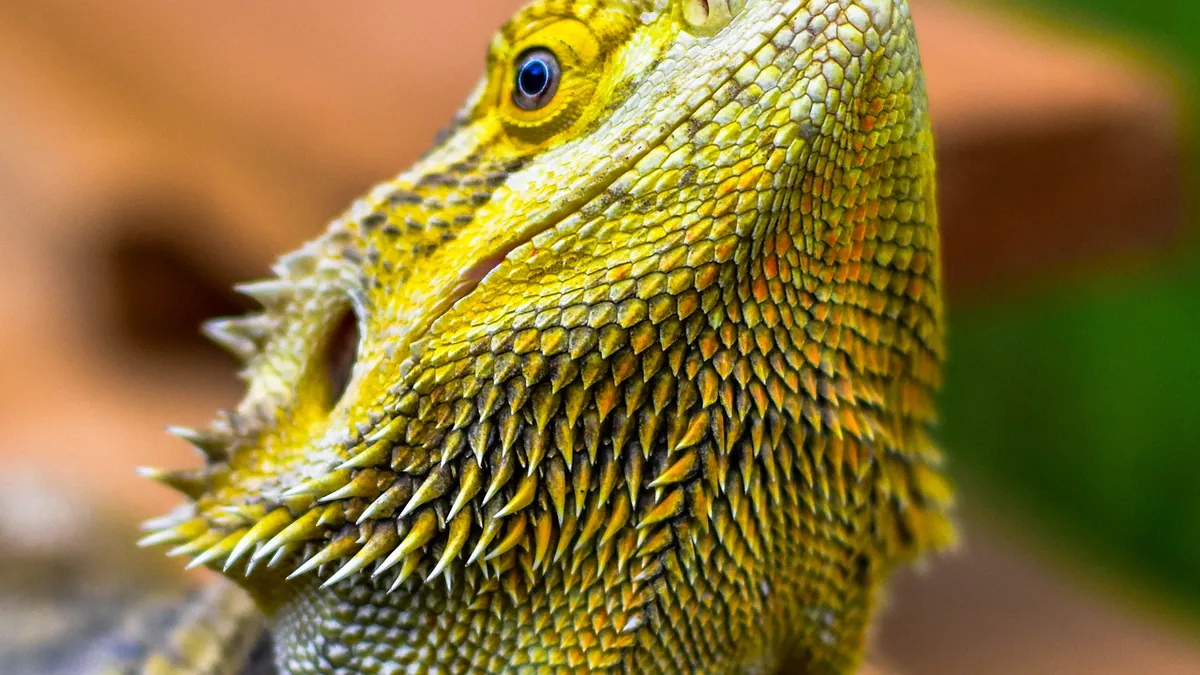
If your bearded dragon looks yellow, the cause is usually one of three things: its natural color morph, shedding, or an infection called yellow fungus disease. Some yellowing is harmless and some is an early warning sign, so the pattern and texture of the color matter more than the color itself. This article is educational and is not a substitute for veterinary diagnosis or treatment.
Quick Answer
- A bearded dragon that has always been yellow, or whose yellow patches appear in the same places each shed, is likely showing normal morph color.
- Yellow that spreads, crusts, smells bad, or sits in the armpits, vent, and mouth is more concerning for yellow fungus disease.
- A yellow tongue or yellow mouth can also reflect diet, staining, or organ disease, so it needs a hands-on exam.
- Take clear photos in natural light and note when the color started, because that history helps your vet a lot.
- Any bearded dragon that is also lethargic, not eating, or losing weight needs to be seen promptly, since those signs lower the odds of a good outcome [1].
What Yellowing Looks Like and What Is Normal
Bearded dragons come in many color morphs, and yellow, gold, citrus, and orange tones are common and completely normal in those animals. A morph color stays consistent over time, sits in the same pattern, and the skin underneath looks smooth and flat.
Shedding is the other normal reason for a color shift. Before a shed, the old skin dulls and can look waxy or pale yellow, then it lifts and comes off in patches. Once the shed is complete, the color underneath is usually brighter and even.
Yellow in reptiles comes from pigment cells in the skin. In lizards, yellow and green tones can come from interactions between pigment-containing cells and reflective cells in the skin layers [2]. In other reptiles, yellow coloration has been linked to lower melanin (the dark pigment) and higher carotenoid pigments, which are the same pigments found in yellow and orange vegetables [3]. So a yellow bearded dragon is often just a bearded dragon with more yellow pigment and less dark pigment, which is a normal genetic variation.
The tricky part is that yellow fungus disease starts with yellow too. The difference is behavior of the color over days to weeks, not hours.
Why Is My Bearded Dragon Yellow? The Main Causes
Normal Color Morph
Some bearded dragons are bred to be yellow, gold, or citrus. If your dragon has looked this way since you got it, or since it was young, this is almost certainly its morph. The color is even, the skin is smooth, and your dragon eats, basks, and behaves normally.
Shedding
Dull yellow or grayish-yellow patches that lift at the edges are shed. Shedding is usually patchy in bearded dragons, not one clean piece like a snake. A stuck shed, especially around toes, tail tip, or the vent, can trap moisture and set up infection, so watch those areas.
Yellow Fungus Disease
Yellow fungus disease is the main infectious cause of yellowing in bearded dragons. It typically starts as yellow or tan patches in warm, moist folds of skin, such as the armpits, groin, around the vent, and at the mouth. The patches thicken, crust, and can develop a bad smell. It can spread across the body and into the mouth and internal organs if it is not treated. This is a contagious condition, so isolate your dragon from other reptiles and wash your hands well after handling.
Diet and Staining
Some foods and supplements can stain the mouth and skin. Yellow or orange vegetables, pollen, and certain powdered supplements can leave a temporary tint on the lips, chin, and tongue. This staining usually fades within a few days once the food is removed. If the yellow does not fade, it is not staining.
Mouth and Tongue Yellowing
A yellow tongue or yellow inside of the mouth has a shorter list of causes. Staining from food is the most common benign one. The more serious possibility is organ disease, especially liver problems, which can tint mucous membranes yellow (a condition called icterus or jaundice). If the yellow is inside the mouth and the skin or eyes also look yellow, that points toward the liver or blood, not the skin. For a comparison of how jaundice looks in another species, see this guide on yellow gums in cats.
Other Causes
Rarely, yellowing can be part of a serious systemic illness. Bearded dragons with cancer or severe organ disease can look dull or discolored, and they often present with lethargy and anorexia, which are poor prognostic signs [1]. A case report described a bearded dragon with leukemia that had been clinically normal ten months earlier and then declined quickly [4]. This is uncommon, but it is why a yellow dragon that also acts sick needs blood work, not just a visual check.
Cause Comparison Table
| Cause | Typical clues | How urgent |
|---|---|---|
| Normal morph color | Even yellow since young, smooth skin, normal appetite and activity | Not urgent |
| Shedding | Dull yellow patches that lift at edges, patchy pattern | Not urgent, watch for stuck shed |
| Diet or supplement staining | Yellow on lips, chin, tongue only, fades in days | Not urgent |
| Yellow fungus disease | Yellow or tan crusty patches in skin folds, bad smell, spreading | Urgent, see a vet soon |
| Liver or organ disease | Yellow inside mouth, yellow eyes, lethargy, not eating | Emergency |
| Systemic illness or cancer | Dull color plus weight loss, anorexia, lethargy | Emergency |
Red Flags That Make It an Emergency
Call an exotic vet right away if you see any of these:
- Yellow inside the mouth, on the tongue, or around the eyes, especially with pale or yellow gums.
- Crusty yellow patches that are spreading, bleeding, or smell bad.
- Lethargy or not eating. In a study of 242 bearded dragons brought in for emergency care, lethargy and anorexia were the most common complaints, and both were linked to a lower chance of surviving to discharge [1].
- Poor body condition, meaning a thin tail base, visible hip bones, or sunken eyes. This was also linked to worse outcomes [1].
- Open sores, blackened tissue, or a swollen limb or jaw.
- Trouble breathing, gaping, or a discharge from the nose or mouth.
If your dragon is showing several of these at once, treat it as an emergency and go in the same day.
Safe Things You Can Do at Home While You Wait
You cannot diagnose yellow fungus disease at home, but you can gather good information and avoid making things worse.
- Take photos in daylight from several angles, including the mouth if your dragon will let you look safely.
- Note the date you first saw the yellow and whether it has spread.
- Check the enclosure temperature and humidity against a bearded dragon care reference, since too much moisture and poor ventilation favor fungal skin disease.
- Do not pick at crusts or scabs. That spreads infection and opens the skin to bacteria.
- Do not apply human antifungal creams, antibiotic ointments, or hydrogen peroxide. Many are not safe for reptiles and can be toxic if licked off.
- Isolate your dragon from other reptiles and wash your hands before and after handling each animal.
- Keep offering normal food and fresh water. If your dragon stops eating, that is a reason to call the vet, not to wait.
- Review your UVB and diet setup. Poor lighting and diet are common background problems in sick bearded dragons. See Do Bearded Dragons Need UVB Light? and Bearded Dragon Diet: Safe Foods, Insects, and Greens for the basics.
What Your Veterinarian Will Check and Test
Your vet will start with a full physical exam, including the mouth, vent, and skin folds. They will ask about appetite, droppings, lighting, temperature, and when the yellow started.
Depending on what they find, they may recommend:
- A skin scraping or swab of the yellow area to look for fungus under a microscope or to send for culture.
- Blood work to check the liver, kidneys, blood cells, and protein levels. In the leukemia case, blood work showed high protein and elevated liver enzymes along with a marked increase in lymphocytes [4].
- Fecal testing for parasites.
- Imaging such as radiographs or ultrasound if organ disease or a mass is suspected.
- A biopsy of a skin lesion if the diagnosis is still unclear.
Treatment depends on the cause. Fungal skin disease usually needs prescription antifungal medication, often given by mouth and applied to the skin, plus enclosure changes. Your vet calculates every dose based on your dragon's weight and health, so never use a dose from the internet. If you want to understand what treatment for yellow fungus disease generally involves, read Bearded Dragon Care: Yellow fungus disease treatment protocol guide.
Prevention and Monitoring
Most yellowing problems are easier to prevent than to treat.
- Keep the enclosure clean. Remove droppings daily and disinfect regularly with a reptile-safe product.
- Control humidity. Bearded dragons are desert animals and do poorly in damp, stuffy enclosures.
- Provide correct UVB lighting and replace bulbs on the schedule the manufacturer recommends, since UVB output drops before the bulb burns out.
- Feed a balanced diet with appropriate calcium and vitamin supplementation. Poor diet and lighting show up in the skin, shell, and bones.
- Weigh your dragon monthly on a kitchen scale and write it down. Weight loss is one of the earliest signs of illness.
- Quarantine any new reptile for at least 60 days before introducing it to your collection.
- Check the mouth, vent, and skin folds weekly during handling. Early yellow fungus lesions are much easier to treat than advanced ones.
For a broader look at what else can go wrong with this species, see Bearded Dragon Lifespan and Common Health Problems.
Limitations and When to Contact a Veterinarian
You can tell a lot from photos and history, but you cannot confirm or rule out yellow fungus disease, liver disease, or cancer at home. Only a veterinarian can examine the tissue, run tests, and prescribe safe treatment.
Contact an exotic or reptile veterinarian the same day if you see yellow crusty patches that are spreading, a bad smell, or yellow inside the mouth. Go to an emergency clinic immediately if your dragon is lethargic, not eating, having trouble breathing, or has a swollen or bleeding lesion. If the yellowing is mild and your dragon is acting normally, a routine visit within a week is reasonable, but do not put it off longer than that. Every case is different, and your veterinarian needs to see your individual pet to give you real answers.
Frequently Asked Questions
Is it normal for a bearded dragon to be yellow?
Yes, yellow is a normal color for many bearded dragon morphs. If your dragon has been yellow since you got it and is eating, basking, and behaving normally, it is almost certainly just its natural color. Yellow that appears suddenly or spreads over days is the pattern that needs a vet visit.
Why is my bearded dragon turning yellow?
A sudden change in color usually means shedding, staining from food, or infection. Shedding makes the old skin look dull and yellowish before it lifts. Yellow fungus disease starts as yellow patches in skin folds and then thickens and crusts. If the yellow is spreading and your dragon seems off, have it checked.
Why is my bearded dragon's tongue yellow?
A yellow tongue is often just staining from yellow or orange foods and supplements. If the yellow does not fade after a few days, or if the gums and eyes also look yellow, it can point to liver or blood problems. That combination needs blood work, so call your vet.
Why is my bearded dragon's mouth yellow?
Yellow inside the mouth can come from food staining, but it can also be a sign of jaundice from liver disease. Look at the gums and the skin around the eyes. If they are yellow too, or if your dragon is not eating, treat it as urgent and get an exam the same day.
Can I treat yellow fungus disease at home?
No. Yellow fungus disease needs prescription medication and often a full enclosure overhaul, and home remedies can delay treatment while the infection spreads. Isolate your dragon, keep the enclosure clean and dry, and see a reptile vet. Early treatment gives the best chance of recovery.
Related Articles
- Bearded Dragon Lifespan and Common Health Problems
- Bearded Dragon Diet: Safe Foods, Insects, and Greens
- Bearded Dragon Care: Yellow fungus disease treatment protocol guide
- Do Bearded Dragons Need UVB Light?
- Bearded Dragon Illnesses: A Comprehensive Guide to Symptoms and Care
- Why Is My Bearded Dragon Changing Colors?
- Bearded Dragon Morphs Explained: Colors, Patterns, and Health
- Why Is My Bearded Dragon Opening Its Mouth While Basking?
References
- Bearded dragons (Pogona vitticeps) presenting for emergency evaluation with lethargy and anorexia are less likely to survive to discharge. American journal of veterinary research, 2026.
- Unraveling the structural and pigmentary mechanisms of UV color signal production in Podarcis wall lizards. iScience, 2026.
- Disentangling the molecular mechanisms underlying yellow body coloration in a soft-shelled turtle. Zoological research, 2025.
- Systemic CD3+ T-Cell Lymphoblastic Leukemia in a Bearded Dragon (Pogona vitticeps): Clinical, Therapeutic, and Pathological Findings. Animals : an open access journal from MDPI, 2025.