Bearded Dragon Morphs Explained: Colors, Patterns, and Health
By Dr. Zubair Khalid, DVM, MS, PhD ·
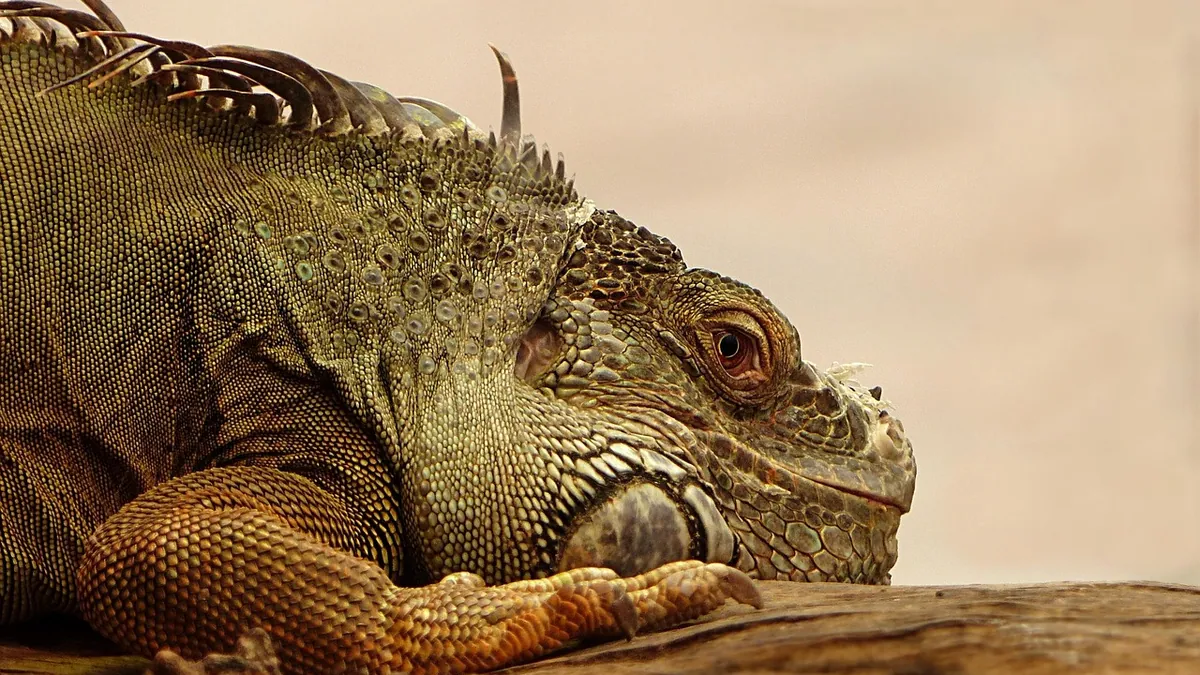
Bearded dragon morphs are specific color and pattern variants created through selective breeding. Each morph comes from changes in how a dragon produces or distributes pigment, and a few morphs are linked to serious health problems. This article explains what the common morphs look like, which ones need extra care, and how to keep any morph healthy.
This article is educational and is not a substitute for veterinary diagnosis or treatment.
Quick Answer
- A morph is a heritable color or pattern variant, not a separate species. Two dragons of the same morph can still differ in size, temperament, and health.
- Most morphs are cosmetic and carry no known health penalty. Examples include hypomelanistic (reduced black pigment) and albino-type lines seen across reptiles [1].
- Silkback and translucent morphs are the ones most often tied to skin, eye, and immune problems. Silkbacks lack normal scale coverage and need specialized husbandry.
- Never buy a morph based on looks alone. Ask the breeder for the parents' health history, feeding records, and any known genetic issues in the line.
- Any dragon showing lethargy, poor appetite, or skin lesions needs a veterinary exam, regardless of morph.
What Are Bearded Dragon Morphs?
A morph is a genetic variant that changes a reptile's appearance. Breeders select for these traits over generations, and the result is a dragon that looks different from a wild-type animal. The same process happens in other reptiles. In ball pythons, researchers have identified specific gene changes behind the Albino, Lavender Albino, and Ultramel morphs, all of which reduce melanin production to different degrees [2]. Similar work in corn snakes and leopard geckos has linked hypomelanistic (reduced black) morphs to changes in pigment genes like TYR and SLC24A5 [1].
Color in reptiles comes from pigment cells called chromatophores. Melanophores produce melanin, which creates black and brown tones. When a mutation disrupts melanin production or movement, you get a lighter or differently patterned animal [1]. Pattern morphs work differently. In ball pythons, a mutation in the MC1R gene appears to change how pigment cells distribute across the skin, which alters the pattern itself [3].
Bearded dragon morphs follow the same basic rules. Some affect color, some affect pattern, and a few affect skin structure. The morph name usually describes what you see, such as "hypo" for reduced black or "translucent" for see-through skin.
How to Evaluate a Morph Before You Buy
Step 1: Identify the morph accurately
Ask the seller for the exact morph name and, if possible, the genetic line. A "hypo" from one breeder may look different from a "hypo" from another. Get photos of both parents if you can.
Step 2: Ask about health testing and history
A responsible breeder tracks feeding, shedding, and any veterinary issues in the line. Ask directly whether the line has produced silkbacks, translucents, or dragons with neurological signs. If the seller cannot answer, walk away.
Step 3: Inspect the dragon in person or by video
Look at the eyes, skin, limbs, and tail base. Check for stuck shed, retained eye caps, swelling, or difficulty moving. A healthy dragon should be alert and hold its head up.
Step 4: Confirm the setup matches the morph
Silkbacks and translucents need different housing than standard morphs. Ask what UVB bulb, basking temperature, and substrate the breeder uses. Match or improve on it.
Step 5: Plan a veterinary check
Book a wellness exam with a reptile-experienced veterinarian within the first two weeks. Bring the breeder's records and a fresh fecal sample if you can collect one.
Morph Comparison Table
| Morph | What you see | Known health concerns | Care adjustments |
|---|---|---|---|
| Wild type (normal) | Tan, brown, black pattern | None specific to morph | Standard setup |
| Hypomelanistic (hypo) | Reduced black pigment | None specific to morph [1] | Standard setup |
| Translucent | See-through skin, dark eyes | Skin fragility, eye sensitivity | Softer substrate, lower UVB exposure, closer monitoring |
| Silkback | No scales, smooth skin | Severe skin injury risk, shedding problems, infections | No rough surfaces, controlled humidity, frequent vet checks |
| Leatherback | Reduced scale size | Mild, mostly cosmetic | Standard setup with soft decor |
| Albino-type | No black pigment, red or pink eyes | Light sensitivity | Dimmer lighting, no direct bright light |
This table is a general guide. Individual dragons vary, and a morph with no known risk can still develop health problems.
Which Morphs Carry Known Health Risks?
Silkback dragons
Silkback dragons have a severe reduction in scale development. Their skin is smooth and vulnerable. Without normal scales, they are prone to cuts, burns, and bacterial or fungal infections. Shedding is often incomplete, and retained shed can constrict toes or tail tips. These dragons need a setup with no rough rocks, no sharp decor, and carefully controlled humidity. They also need more frequent veterinary checkups than a standard morph.
Translucent dragons
Translucent dragons have reduced pigment in the skin and eyes, which gives them a see-through look. Their skin tends to be thinner and more easily damaged. Their eyes are more sensitive to bright light, so strong UVB output can cause problems. Keep UVB within the correct range for the species and provide plenty of shaded areas.
Morphs with neurological signs
Some reptile morphs are linked to neurological problems. In ball pythons, the spider morph is associated with "wobble," a condition involving head twisting, impaired movement, and difficulty striking prey [4][5]. Imaging studies have found structural differences in the inner ear of spider morph snakes compared with wild-type animals [4][5]. This is a snake example, but it shows that a morph can affect the nervous system, not just the skin. Bearded dragon breeders have reported similar concerns in some lines, so ask about neurological history before buying.
Why morph genetics matter
Morphs are not just about appearance. The same genes that change pigment can affect other body systems. In ball pythons, MC1R signaling appears to influence pattern formation and pigment cell distribution [3]. In other reptiles, pigment gene changes are linked to hypomelanistic phenotypes [1]. When you breed for one trait, you may unintentionally select for others. That is why health screening matters more than color.
Signs That Something Is Wrong
Contact a veterinarian if you see any of these:
- Skin that is red, raw, weeping, or has a foul smell
- Stuck shed around the eyes, toes, tail tip, or vent
- Swelling in the limbs, jaw, or tail base
- Difficulty walking, head tilting, or tremors
- Refusing food for more than a few days
- Sunken eyes, wrinkled skin, or weight loss
- Breathing with the mouth open or making clicking sounds
- Dark, tarry stool or blood in the stool
Some of these signs overlap with normal shedding or brumation. If you are unsure, read our guide on Bearded Dragon Brumation: Guide to Distinguishing Brumation vs Illness to help tell the difference.
Common Mistakes Owners Make
Buying on impulse
Morphs are often sold at reptile shows and online. It is easy to pick a striking dragon without checking its health history. Slow down. Ask questions. A cheap silkback can become a very expensive veterinary case.
Assuming all morphs are equally hardy
They are not. Silkbacks and translucents need more care than a standard morph. If you are a first-time owner, start with a wild-type or hypo dragon.
Using the wrong UVB
UVB needs vary by species and by morph. Translucent and albino-type dragons are more light-sensitive. Use a UVB bulb appropriate for bearded dragons and check the output with a meter if possible. Replace bulbs on schedule because output drops over time even when the bulb still lights up.
Skipping quarantine
New dragons should be kept separate from existing reptiles for at least 60 to 90 days. Use separate tools, bowls, and feeding tongs. Wash your hands between animals.
Ignoring the setup
A morph does not change the basics. Bearded dragons need a proper temperature gradient, a basking spot, UVB, and a clean enclosure. For a full review, see Bearded Dragon Illnesses: A Comprehensive Guide to Symptoms and Care.
Supplies and Setup Details That Matter for Health
Enclosure
Use a solid-sided enclosure large enough for an adult to turn around and climb. Avoid rough rocks and sharp decor for silkbacks. Provide a hide on the cool side and a basking platform on the warm side.
Substrate
For silkbacks and translucents, use a soft, non-abrasive substrate such as paper towel or a smooth tile. Loose sand can irritate thin skin and cause impaction if swallowed.
Lighting
Provide a UVB bulb designed for desert reptiles and a basking bulb that creates a temperature gradient. Replace UVB bulbs every 6 to 12 months, depending on the manufacturer. Use a timer to keep a consistent light cycle.
Temperature and humidity
Monitor with a digital thermometer and hygrometer. Humidity that is too low causes stuck shed. Humidity that is too high promotes fungal and bacterial growth, especially on silkback skin.
Water and diet
Offer fresh water in a shallow dish. Feed a varied diet of insects and gut-loaded greens appropriate for the age of the dragon. Dust insects with calcium and a multivitamin on a schedule your veterinarian recommends.
Record keeping
Track shedding, feeding, weight, and any skin changes. Bring these records to veterinary visits. Patterns in the records often reveal problems before they become severe.
Limitations and When to Contact a Veterinarian
No article can diagnose your dragon. Individual cases need a veterinarian who can examine the animal, run tests, and prescribe treatment. The guidance here is general.
Call an emergency veterinary clinic immediately if your dragon has trouble breathing, is unresponsive, has a prolapse, or has a deep wound with exposed tissue.
Contact your veterinarian the same day if you see sudden weakness, tremors, a swollen limb, or a large area of damaged skin.
Schedule a routine visit if your dragon has mild appetite changes, a partial shed that will not come off, or you notice a new lump or color change.
For general health monitoring, see Bearded Dragon Lifespan and Common Health Problems. If you want to understand how wild bearded dragons live and why their natural behavior matters for captive care, read Understanding the Wild Bearded Dragon: Natural Habitat and Behavioral Insights.
Frequently Asked Questions
What are bearded dragon morphs?
Bearded dragon morphs are heritable color and pattern variants produced by selective breeding. Each morph comes from changes in pigment production or distribution, similar to morphs documented in other reptiles [2][1]. Most are cosmetic, but a few affect skin structure or other body systems.
Are all bearded dragon morphs healthy?
No. Most morphs have no known health penalty, but silkbacks and translucents are linked to skin fragility, shedding problems, and light sensitivity. Some lines also carry neurological concerns. Ask the breeder about the specific line before you buy.
Is a silkback dragon a good pet for beginners?
No. Silkbacks need specialized housing, soft substrate, controlled humidity, and frequent veterinary checkups. Their skin is easily injured and infected. A wild-type or hypo dragon is a better choice for a first-time owner.
Do morphs change how I care for my dragon?
Sometimes. Standard morphs need the same care as wild-type dragons. Silkbacks and translucents need softer surfaces, careful UVB management, and closer monitoring. Always match the setup to the individual animal, not just the morph name.
Can two morphs be combined in one dragon?
Yes. Breeders often combine traits to create new looks, such as a hypo translucent or a leatherback with reduced pattern. Combined morphs can inherit the health risks of each parent line, so ask for detailed records on both sides of the pairing.
How do I find a reptile veterinarian?
Search for a veterinarian who lists reptiles as a species they treat. Ask about their experience with bearded dragons and whether they have treated silkbacks or translucents. A wellness exam before problems start is the best way to protect your dragon.
Related Articles
- Bearded Dragon Lifespan and Common Health Problems
- Bearded Dragon Brumation: Guide to Distinguishing Brumation vs Illness
- Bearded Dragon Illnesses: A Comprehensive Guide to Symptoms and Care
- Understanding the Wild Bearded Dragon: Natural Habitat and Behavioral Insights
- Bearded Dragon Care: Pyramiding & Shell Health Management
- Bearded Dragon Substrate: Choosing the Best Bedding for Health and Safety
- Why Is My Bearded Dragon Changing Colors?
- Why Is My Bearded Dragon Yellow? Skin, Mouth, and Tongue
- How to Tell If Your Bearded Dragon Is Male or Female
References
- Candidate genes underlying hypomelanistic morphs in squamate reptiles. Genetics, 2026.
- A community-science approach identifies genetic variants associated with three color morphs in ball pythons (Python regius). PloS one, 2022.
- A Ball Python Colour Morph Implicates MC1R in Melanophore-Xanthophore Distribution and Pattern Formation. Pigment cell & melanoma research, 2025.
- Malformations of the sacculus and the semicircular canals in spider morph pythons. PloS one, 2022.
- Comparative Assessment of Computed Tomography and Magnetic Resonance Imaging of Spider Morph and Wild Type Ball Pythons (Python regius) for Evaluation of the Morphological Correlate of Wobble Syndrome. Journal of comparative pathology, 2022.