Kitten Not Latching On: How to Help a Newborn Nurse
By Dr. Zubair Khalid, DVM, MS, PhD ·
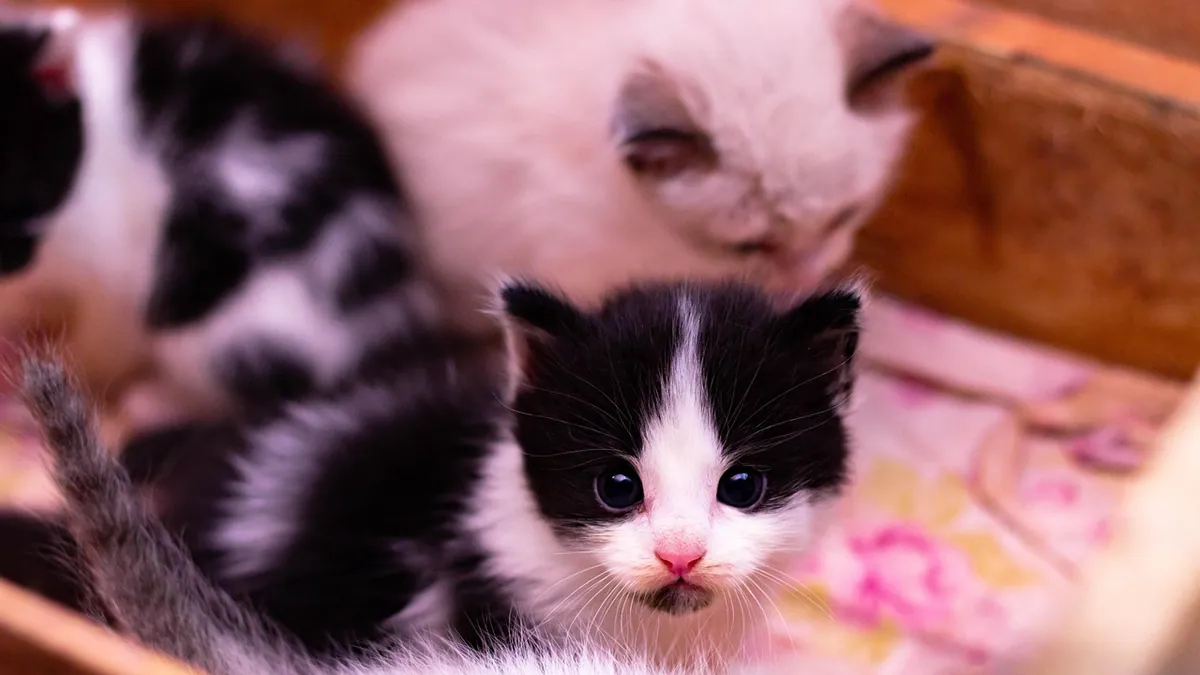
A kitten not latching is usually a sign that something is off, not a sign that the kitten is stubborn. Newborns have a strong suckling reflex when they are warm, stable, and near a nipple, so a kitten that will not nurse needs help within hours, not days. This article is educational and is not a substitute for veterinary diagnosis or treatment.
Quick Answer
- Warm the kitten first. A cold kitten cannot digest milk or suckle well, so get the body temperature up before you try a bottle or a nipple.
- Check the mother. If she is in heat during lactation, she may lose interest in the litter or produce less milk, and kittens can drop weight fast [1].
- Weigh the kitten every 12 hours on a kitchen scale that reads in grams. A newborn should gain weight daily after the first day or two.
- If the kitten has not nursed within 2 to 3 hours of birth, or is losing weight, start bottle feeding with a commercial kitten milk replacer and call your veterinarian.
- A weak, limp, cool, or crying kitten is an emergency. Low blood sugar in newborns can be fatal, and it can happen even when the kitten looks calm [2].
How to Help a Kitten Latch: Step by Step
Step 1: Confirm the kitten is warm enough
Newborn kittens cannot regulate their own body temperature. A chilled kitten will not root, will not suck, and cannot digest food. Feel the paws, ears, and belly. If they are cool, warm the kitten gradually with skin-to-skin contact, a wrapped warm water bottle, or a heat pad on low under a towel. Never put a kitten directly on a heat source.
Once the kitten feels warm and is moving, try the nipple again. Warming alone often fixes a kitten not latching on mom.
Step 2: Check the mother and the milk supply
Look at the queen's nipples. They should be full and pink. Gently squeeze one to see if milk beads up. If the queen is uncomfortable, has hard or hot mammary glands, or has no milk, this is a medical problem for her and a feeding emergency for the kittens.
Queens can also come into heat while still nursing. In one survey of breeders, about half of queens showed signs of heat during lactation, and in those cases many owners reported reduced milk, clotted milk, or loss of maternal interest, with kittens gaining less weight [1]. If mom is restless, calling, or pushing kittens away, she may not be a reliable milk source right now.
Step 3: Position the kitten at the nipple
Cup the kitten in one hand with the belly down, not on its back. Guide the mouth to a nipple and press the nipple gently against the lips. Most kittens will open the mouth and latch within a few seconds. If the kitten turns away, try a different nipple. The rear nipples often have more milk.
For a queen with a large litter, rotate kittens so the smaller ones get first access. Watch for one kitten hogging a nipple or blocking others.
Step 4: Let the kitten nurse, then check for milk
A nursing kitten has a steady, rhythmic suck and a rounded belly. You should see the ears move with each suck. After feeding, the kitten should be calm and sleepy, not crying.
If the kitten latches, sucks a few times, then falls off and cries, the milk flow may be slow or the kitten may be too weak to keep going. That is your cue to supplement.
Step 5: Supplement if the kitten is not gaining
If the kitten is not latching onto a nipple after several tries, or is not gaining weight, feed it commercial kitten milk replacer by bottle or syringe. These products are made to copy the queen's milk [3]. Follow the label for mixing, and warm the formula to body temperature. Feed small amounts often, and never force formula into the mouth. For a full feeding plan, see the Orphaned Kitten Feeding Guide: KMR Formula and Aspiration Prevention.
If the mother rejects the kitten or you are hand-raising the litter, the Newborn Kitten Care 0-4 Weeks: Warmth Colostrum and Stimulation Protocol walks through warmth, feeding, and stimulation.
Newborn Kitten Feeding and Weight Schedule
| Age | Feeding frequency | What to watch | Weight goal |
|---|---|---|---|
| Birth to 24 hours | Nurse on demand, at least every 1 to 2 hours | Colostrum in the first 24 hours supports immunity [3] | May lose a little weight, then stabilize |
| Day 2 to 7 | Every 2 to 3 hours | Steady sucking, quiet sleep, no crying | Gain daily |
| Week 2 | Every 3 to 4 hours | Eyes may start to open | Steady gain |
| Week 3 to 4 | Every 4 to 5 hours | More active, starting to stand | Steady gain |
Weigh the kitten at the same time each day, ideally before the first morning feeding. Use a scale that reads in grams. Write the number down. A kitten that holds the same weight for 24 hours or loses weight needs intervention.
Colostrum, the first milk, is produced in the first 24 hours after birth and is central to the kitten's immune support [3]. If a kitten misses colostrum, tell your veterinarian. They can advise on what to do next.
Signs a Kitten Not Latching Is in Trouble
Call your veterinarian the same day if you see any of these:
- The kitten has not nursed within 2 to 3 hours of birth.
- The kitten is losing weight or has not gained for 24 hours.
- The kitten cries almost constantly or is restless at the nipple.
- The mother is pushing the kitten away, lying on it, or ignoring it.
- The mother has reduced milk, clotted milk, or signs of heat during lactation [1].
- The kitten feels cool even after warming.
Go to an emergency clinic now if the kitten is:
- Limp, floppy, or unresponsive.
- Breathing slowly, irregularly, or with effort.
- Cool to the touch and not warming up.
- Having seizures, twitching, or staring episodes. These can be signs of low blood sugar [2].
- Unable to swallow or choking on formula. For choking, see How to Help a Choking Cat: Step-by-Step First Aid and When to Rush.
Newborn kittens have an immature metabolism, use up liver sugar stores quickly, and cannot make glucose well, so low blood sugar is a real risk in the first days of life [2]. Blood sugar can swing even in kittens that look normal, so do not wait for obvious collapse before seeking help [2].
Veterinarians use scoring systems like the APGAR score and reflex checks (rooting, suckling strength, and righting) to spot at-risk newborns and predict survival [4]. A low score means the kitten needs immediate support [4]. This is one reason a kitten that will not latch should be seen early.
Common Mistakes That Delay Help
- Trying to feed a cold kitten. Warmth comes first. A cold kitten cannot digest formula.
- Waiting a full day to see if the kitten figures it out. Newborns decline fast.
- Using cow's milk or homemade formula. Commercial kitten milk replacers are made to match queen's milk [3].
- Feeding a kitten on its back. This raises the risk of formula going into the lungs. Keep the kitten belly down, head slightly up.
- Ignoring the mother's behavior. A queen in heat during lactation may produce less milk or lose interest, and the kittens pay the price [1].
- Assuming a quiet kitten is fine. Low blood sugar does not always cause obvious signs [2].
- Skipping weights because the kitten looks plump. The scale is the only reliable check.
Supplies and Setup That Matter
Keep a small kit ready before the litter arrives or the moment you bring a newborn home.
- Kitchen scale that reads in grams
- Commercial kitten milk replacer
- Kitten bottles and syringes in a few sizes
- Heating pad on low, plus towels for a buffer layer
- Notebook or phone app for weights and feeding times
- Clean washcloths for stimulation after feeding
Set up a quiet, draft-free nesting box away from other pets. Keep the room warm. Handle kittens gently and briefly, and wash your hands before and after.
If you are raising a kitten alone, plan for feedings around the clock for the first couple of weeks. Sleep in shifts with another person if you can.
How Long Should a Kitten Nurse?
Nursing longer than 6 weeks is linked to a lower risk of becoming an overweight adult cat. In one study, cats that nursed more than 6 weeks had about one third the odds of being overweight as adults compared with cats that nursed 6 weeks or less [5]. The same study suggests that letting kittens nurse past 12 weeks may support better long-term health [5].
That does not mean you should force a queen to nurse when she is done. It means if mom is willing and the kittens are growing, there is no rush to wean. Talk with your veterinarian about the right timeline for your litter.
Vaccination Timing and the Nursery
Maternal immunity passes to kittens through colostrum and nursing, and it fades over time [6]. Because of this, vaccines do not work well until that protection drops. Kittens should be vaccinated on a schedule starting at 2 to 3 months old [6]. Keep kittens away from unvaccinated cats until they have finished the full vaccine series [6].
If you are bringing a new kitten into a home with other cats, plan the introduction carefully. See Introducing New Kitten for a step-by-step approach. If a resident cat is hissing or growling at the new baby, Cat Hissing and Growling at New Baby: How to Manage covers what to do.
Limitations and When to Contact a Veterinarian
This guide covers common situations, but every kitten is different. A veterinarian needs to examine your kitten to know what is really going on.
Contact your veterinarian the same day if:
- The kitten has not nursed in 2 to 3 hours after birth.
- The kitten is not gaining weight or is losing weight.
- The mother is ignoring, rejecting, or lying on the kitten.
- The mother has signs of milk problems or heat during lactation [1].
- The kitten is crying nonstop or seems uncomfortable.
Go to an emergency clinic right away if:
- The kitten is limp, unresponsive, or having trouble breathing.
- The kitten is cool and not warming up.
- The kitten has seizures, twitching, or staring spells [2].
- The kitten chokes or aspirates formula.
Schedule a routine visit if:
- The kitten is nursing and gaining but you want a weight and health check.
- You are planning vaccinations, which start at 2 to 3 months old [6].
- You have questions about how long to let the litter nurse [5].
Frequently Asked Questions
How long can a newborn kitten go without nursing?
A newborn should nurse within the first 2 to 3 hours of life and then every 1 to 2 hours. If a kitten has not latched by 3 hours after birth, start supplementing and call your veterinarian. Do not wait until the kitten seems weak.
Why does my kitten latch and then let go?
A kitten that latches and releases may be too weak, too cold, or dealing with slow milk flow. Check the mother's milk supply and the kitten's temperature first. If the pattern continues, switch to bottle feeding and have the kitten examined.
Can I feed a kitten that will not latch?
Yes, if the kitten is warm and stable. Use a commercial kitten milk replacer made for kittens, and feed with a bottle or syringe with the kitten belly down. Never use cow's milk, and never force formula into the mouth.
Will a kitten that misses colostrum still be healthy?
Colostrum in the first 24 hours gives important immune support [3]. A kitten that misses it can still do well with good care, but it may need extra monitoring and a tailored vaccine plan. Tell your veterinarian so they can guide you [6].
How do I know if the mother is producing enough milk?
Watch the kittens, not just the queen. Content, sleeping kittens that gain weight daily are getting enough. Crying kittens that stay at the same weight or lose weight are not. If the queen shows signs of heat during lactation, milk problems are more likely [1].
Related Articles
- Newborn Kitten Care 0-4 Weeks: Warmth Colostrum and Stimulation Protocol
- Cat Hissing and Growling at New Baby: How to Manage
- Orphaned Kitten Feeding Guide: KMR Formula and Aspiration Prevention
- Introducing New Kitten
- How to Help a Choking Cat: Step-by-Step First Aid and When to Rush
- How To Introduce A New Kitten To A Resident Cat
- Kitten Not Nursing: Causes and How to Feed Safely
- Kitten Not Growing or Thriving: Causes and What to Do
- Kitten Aspirated Milk or Formula: What to Do
References
- Prevalence of lactational oestrus in cats and consequences for kittens. Journal of feline medicine and surgery, 2023.
- Reassessing neonatal hypoglycemia in kittens: clinical relevance beyond the laboratory value. Topics in companion animal medicine, 2026.
- Feline Neonatal Care. The Veterinary clinics of North America. Small animal practice, 2025.
- EXPRESS: Prediction of survival in neonatal kittens using APGAR and reflex scoring. Journal of feline medicine and surgery, 2026.
- Kittens That Nurse 7 Weeks or Longer Are Less Likely to Become Overweight Adult Cats. Animals : an open access journal from MDPI, 2021.
- Kitten Care - Cat Owners. Merck Veterinary Manual.