Can Cats Have Just One Kitten? Litter Size Explained
By Dr. Zubair Khalid, DVM, MS, PhD ·
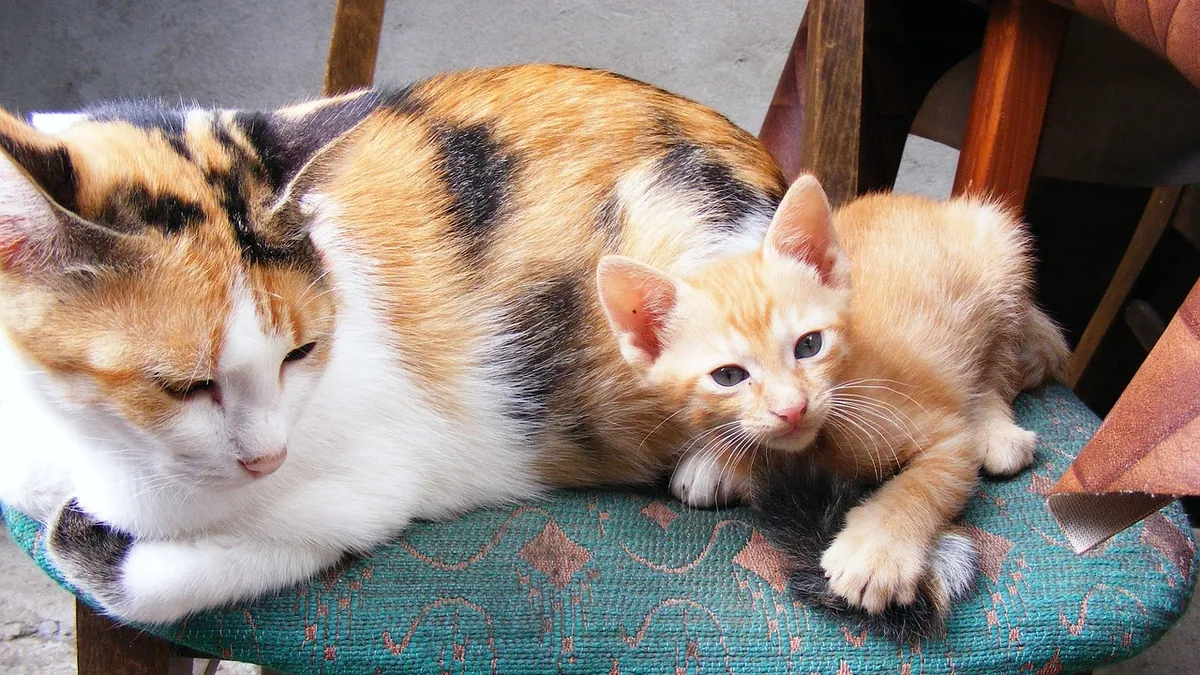
Yes, cats can have just one kitten, and it is normal for a cat to only have one kitten sometimes. Feline litters usually range from one to about six kittens, so a singleton litter is uncommon but not abnormal. The bigger issue is not the number itself, it is that a single kitten misses the warmth and company of littermates, which changes how you care for it.
This article is educational and is not a substitute for veterinary diagnosis or treatment.
Quick Answer
- A one-kitten litter can be perfectly normal, especially in young, first-time, or older mothers, and in some breeds.
- The main risk for a singleton is not the litter size itself but the lack of littermates for warmth and social learning.
- A lone kitten needs a heat source, frequent feeding, and daily gentle handling from you to fill the role of siblings.
- Weigh the kitten daily on a kitchen scale and call your vet if it is not gaining weight.
- Book the first veterinary visit within a few days of birth and keep a vaccination schedule that starts at 2 to 3 months old [1].
Is It Normal for Cats to Only Have One Kitten?
Yes, it is normal for cats to only have one kitten, though it is less common than larger litters. Most queens give birth to several kittens at once, and litters of more than six kittens are linked to a lower risk of difficult birth in pedigree cats [2]. A single kitten is at the low end of the normal range.
Several things can lead to a singleton litter. A young queen having her first litter may release fewer eggs. An older queen may have lower fertility. Body condition, season, and breed all play a part. In one survey of 238 litters across 23 breeds, about half of the queens came into heat again while still nursing, and that lactational estrus was sometimes tied to smaller litters and reduced milk [3]. That does not mean a single kitten is a sign of illness, it just means litter size varies with the mother's age, health, and stage of reproduction.
If you are wondering why your cat only had one kitten, the honest answer is that we often cannot know for sure. What matters more is watching the mother and the kitten closely in the first days.
What a Singleton Kitten Needs in the First 24 Hours
Warmth comes first
A newborn kitten cannot control its own body temperature. With littermates, kittens pile together and share heat. A single kitten has no one to lean on, so you must provide a heat source. Use a heating pad set on low under half of the bedding so the kitten can move away if it gets too warm. Keep the room draft free.
Check breathing and nursing
A healthy newborn should be breathing steadily and nursing within the first hour or two. If the kitten is crying nonstop, feels cool, or will not latch, that is a reason to call a veterinarian right away.
Weigh the kitten
Use a kitchen scale that reads in grams. Weigh the kitten at the same time each day. Newborn kittens normally gain weight steadily after the first day or two. A kitten that loses weight or stays flat for 24 hours needs veterinary attention.
Let the mother do her job
If the mother is attentive, let her nurse and clean the kitten. Do not hover so much that you stress her. Step in only if she ignores the kitten, leaves it cold, or cannot produce enough milk.
Daily Care Schedule for a Lone Kitten
| Age | Feeding | Warmth | Handling and social contact | Vet care |
|---|---|---|---|---|
| Birth to 1 week | Nurse on demand, roughly every 2 hours | Heating pad on low, half the bedding | Short, gentle handling a few times a day | First exam within a few days |
| 1 to 3 weeks | Nurse on demand, spacing out at night | Same, watch for chilling | Daily handling, let it hear normal household sounds | Vet visits every 3 to 4 weeks [1] |
| 3 to 4 weeks | Begin offering soft kitten food | Warm, draft-free area | Play with hands-off toys, not bare hands | Continue the visit schedule |
| 4 to 7 weeks | Nursing plus soft food, then weaning | Room temperature is fine if the kitten is active | Daily play, introduce gentle handling by different people | Vaccines often begin at 2 to 3 months [1] |
| 7 to 12 weeks | Fully weaned kitten food | Normal home temperature | Play sessions several times a day | Full vaccine series and parasite treatment [1] |
Kittens can generally leave their mother and littermates once they are weaned, starting at 6 to 7 weeks old [1]. A singleton that stays with its mother past that point still benefits from staying a bit longer if the mother tolerates it, because the extra weeks of nursing and comfort help.
Why a Single Kitten Needs Extra Socialization
Kittens learn bite inhibition, play limits, and social cues from their brothers and sisters. A lone kitten has no one to teach it that biting hurts or that play has rules. That is why a singleton often needs more hands-on work from you.
Set aside several short play sessions each day. Use wand toys, balls, and soft stuffed toys. Never use your bare hands as a toy, because that teaches the kitten that biting skin is fine. If the kitten bites during play, stop the game for a moment, then start again. This mimics what a littermate would do.
Kittens show consistent individual differences in behavior even before weaning, and those differences are not tied to litter size or the mother's identity [4]. In plain terms, your kitten's personality is its own. A singleton is not doomed to be poorly socialized, it just needs you to supply the social contact that siblings would have provided.
If you plan to add another cat later, read our guides on introducing a new kitten and how to introduce a new kitten to a resident cat. Slow, staged introductions matter even more when the first cat grew up alone.
Feeding a Singleton Kitten
If the mother is nursing well
Let the kitten nurse on demand. A single kitten often gets plenty of milk because it does not have to compete. Watch for a round belly and steady weight gain.
If the mother cannot or will not nurse
You will need a kitten milk replacer made for cats. Never use cow's milk. Follow the label for mixing and feeding amounts, and ask your veterinarian how much and how often for your kitten's weight. Your vet calculates the exact volume from the kitten's weight and health. Feed with a kitten bottle or syringe made for this purpose, and hold the kitten upright, never flat on its back.
When to start solid food
Around 3 to 4 weeks, offer a shallow dish of kitten food mixed with milk replacer or warm water. Expect a mess. By 6 to 7 weeks, most kittens are eating solid food well [1].
Health Checks and Warning Signs
Signs that something is wrong
Call your veterinarian the same day if you see any of these:
- The kitten feels cold to the touch or is limp
- Constant crying that does not stop after feeding
- Refusing to nurse or eat for more than a few hours
- Weight loss or no gain over 24 hours
- Diarrhea, vomiting, or a swollen belly
- Discharge from the eyes or nose
- The mother ignores the kitten, pushes it away, or seems painful when nursing
What the mother's behavior tells you
A queen who is in heat again while still nursing may show less interest in her kittens, and some of these mothers produce less milk or milk of poorer quality [3]. If the mother seems restless, calls constantly, or avoids the nest, check the kitten's weight and call your vet.
Bloodwork and hidden issues
Litter size affects some white blood cell counts in kittens during the first two months of life, which is one reason your veterinarian may want to examine a singleton closely [5]. This is not something you can see at home. It is a reason to keep the scheduled visits.
Common Mistakes With Singleton Litters
- Assuming one kitten means something went wrong. Often nothing did.
- Skipping the heat source because the room feels warm to you. A newborn needs more warmth than you do.
- Feeding cow's milk or human baby formula. Use only a cat milk replacer.
- Overhandling in the first days. Short, calm contact is better than constant picking up.
- Using hands as toys. This creates a biting habit that is hard to undo.
- Delaying the first vet visit. Early exams catch problems before they become serious.
- Forgetting parasite treatment and vaccines. Kittens need visits every 3 to 4 weeks until about 6 months old [1].
- Exposing the kitten to unvaccinated cats too early. Keep it away from them until the full vaccine series is done [1].
Supplies and Setup That Matter
Set up a small, quiet nesting area. A box with low sides works well. Line it with soft, washable bedding and keep a spare set ready.
You will want a heating pad or heat lamp with a safe, low setting, a kitchen scale for daily weights, a kitten bottle and cat milk replacer if you are hand feeding, shallow food and water dishes, and soft toys for solo play.
Keep the area away from loud appliances and busy foot traffic. A single kitten has no siblings to buffer stress, so a calm space helps it sleep and grow.
If you have other cats, keep them separate for now. Plan the introductions later, and review our guide on how do you introduce a new cat to your cats before you start. You will also want enough litter boxes for every cat in the home, which our article on whether multiple cats can use the same litter box explains.
Limitations and When to Contact a Veterinarian
This article covers general care. Your kitten's individual needs depend on its weight, health, and the mother's condition, so a veterinarian needs to see your pet for anything specific.
Call an emergency clinic now if the kitten is limp, unresponsive, gasping, having seizures, or feels cold despite warming. Call the same day if the kitten will not eat, is losing weight, has diarrhea or vomiting, or if the mother is bleeding, straining, or in obvious pain.
Book a routine visit within a few days of birth for a first exam, then follow the schedule of visits every 3 to 4 weeks until about 6 months old [1]. Difficult births requiring veterinary help happen in about 15 percent of litters in pedigree cats, so a mother who is struggling to deliver or who seems unwell after birth should be seen promptly [2].
Frequently Asked Questions
Can a cat have just one kitten and be healthy?
Yes, a healthy queen can have a single kitten with no underlying problem. Litter size depends on age, breed, season, and how many eggs were released. Watch the mother's appetite, energy, and milk supply, and have her checked if anything seems off.
Is it normal for cats to only have two kittens?
Yes, two kittens is a normal small litter. Small litters are less common than medium ones, but they are within the usual range. The care advice for a pair is similar to a singleton, though the two kittens can keep each other warm and entertained.
Will a single kitten be lonely?
It can be, especially after weaning. A lone kitten has no siblings to play with, so you become its main social partner. Plan several play sessions a day and consider a calm, vaccinated companion cat later if your household allows it.
Do I need to feed a singleton kitten differently?
Only if the mother is not nursing enough. If she is producing milk and the kitten is gaining weight, let her nurse. If you must hand feed, use a cat milk replacer and ask your veterinarian for the amount based on your kitten's weight.
When can a single kitten be around other cats?
After it has completed its vaccine series and your veterinarian says it is safe. Maternal immunity fades over time, and vaccines cannot work well until that protection drops, which is why the series starts at 2 to 3 months old [1]. Keep the kitten away from unvaccinated cats until then.
Related Articles
- Can Multiple Cats Use The Same Litter Box
- Best Litter Box For Multiple Large Cats
- Introducing New Kitten
- How Do You Introduce A New Cat To Your Cats
- How To Introduce A New Kitten To A Resident Cat
- Introducing A New Cat To A Cat
- How Many Kittens Can a Cat Have? Litter Size Explained
- Pregnant Cat With One or Two Kittens: What It Means
- When Do Cats Have Kittens? Pregnancy and Birth Timing
References
- Kitten Care - Cat Owners. Merck Veterinary Manual.
- Feline dystocia and kitten mortality up to 12 weeks in pedigree cats. Journal of feline medicine and surgery, 2024.
- Prevalence of lactational oestrus in cats and consequences for kittens. Journal of feline medicine and surgery, 2023.
- Emergence of personality in weaning-age kittens of the domestic cat?. Developmental psychobiology, 2022.
- Leukocytes count and profile during early postnatal ontogenesis in domestic cat: Effect of litter size and multiple paternity. Journal of experimental zoology. Part A, Ecological and integrative physiology, 2021.