How Many Kittens Can a Cat Have? Litter Size Explained
By Dr. Zubair Khalid, DVM, MS, PhD ·
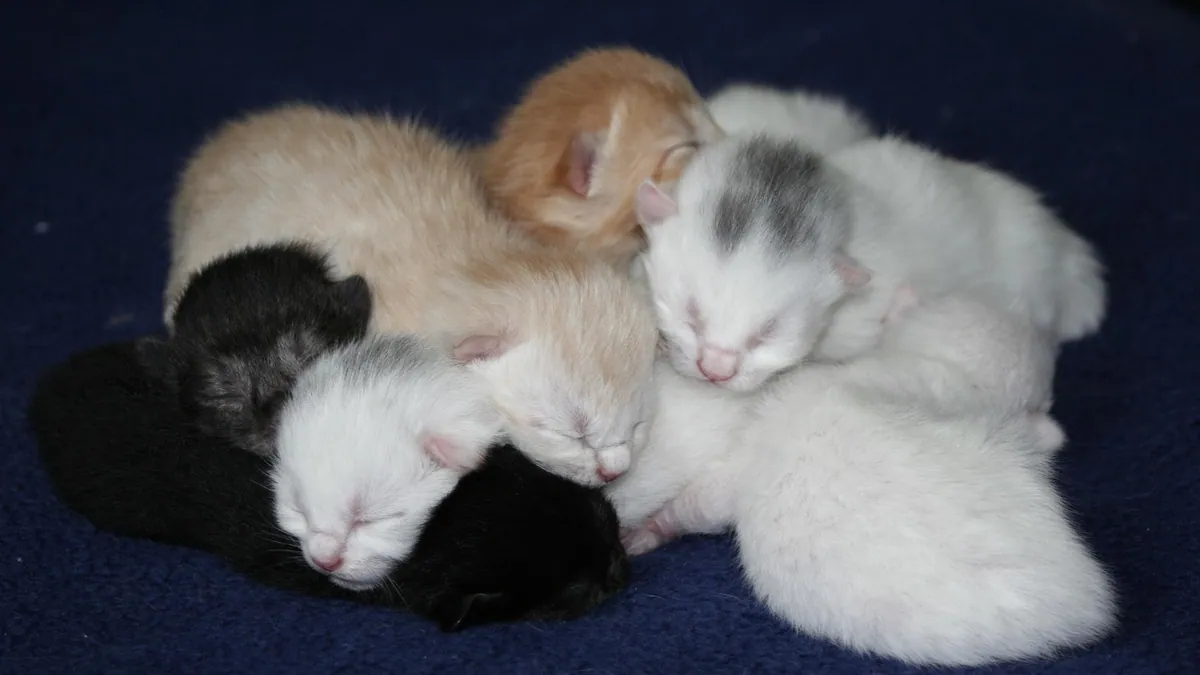
Most cats have somewhere between four and six kittens in a litter, though the range runs from a single kitten to well over ten. The cat pregnancy number of kittens depends on the queen's age, breed, health, and how many times she has given birth before. There is no way to know the exact count until she delivers or your veterinarian performs an X-ray late in pregnancy.
This article is educational and is not a substitute for veterinary diagnosis or treatment.
Quick Answer
- The average litter is four to six kittens, and litters larger than six are linked to a lower risk of difficult birth in pedigree cats [1].
- A queen can carry anywhere from one kitten to more than ten, and very large litters are rare but documented.
- Litter size is influenced by breed, the queen's age, her body condition, and previous litters.
- Kittens should stay with their mother until they are weaned, beginning at 6 to 7 weeks old [2].
- A pregnant cat needs a veterinary exam, good nutrition, and a quiet nesting area well before her due date.
What Determines How Many Kittens a Cat Carries
Several factors shape litter size. Some you can influence, and some you cannot.
Age and Experience
Queens over 5 years old were associated with a reduced risk of dystocia (difficult birth) in one large study of pedigree cats [1]. Older queens that have had several litters tend to have predictable deliveries, though their litter size may not be larger than a young queen's.
Breed
Breed matters. In a study of 853 litters across 45 pedigree breeds, the incidence of dystocia requiring veterinary help was 14.9% and varied by breed, ranging from 0 to 22.2% [1]. Caesarean section was needed in 10.7% of litters and was most common in Cornish Rex cats [1]. Breed also influences how many kittens a queen typically carries, though the exact numbers vary widely within any breed.
Body Condition and Nutrition
A queen in good body condition with adequate nutrition is more likely to carry a healthy litter to term. Poor nutrition before and during pregnancy can reduce litter size and kitten birth weight. Your veterinarian can recommend a diet formulated for pregnancy and nursing.
Previous Litters
A queen's past litters give you the best clue about what to expect. If she has consistently had five kittens, her next litter will likely be similar. First-time mothers often have smaller litters.
Timing of Mating
Cats are induced ovulators, meaning mating triggers ovulation. If a queen mates with several tomcats over several days, she can ovulate multiple times and carry kittens from different fathers in the same litter. This can increase litter size.
Step-by-Step: What to Do When Your Cat Is Pregnant
Step 1: Confirm the Pregnancy
A veterinarian can confirm pregnancy by palpation, ultrasound, or X-ray. Ultrasound can detect kittens earlier, while X-rays late in pregnancy give an accurate count of skeletons. Ask your vet which method is best for your cat's stage.
Step 2: Schedule Prenatal Care
Book a veterinary visit as soon as you suspect pregnancy. Your vet will assess the queen's health, check for parasites, and review her vaccination status. Vaccines cannot effectively stimulate a kitten's immune system until maternal immunity wears off, so the mother's immunity matters [2].
Step 3: Adjust Her Diet
Feed a high-quality diet formulated for pregnant and nursing cats. She will need more calories as pregnancy progresses. Free-feed if your vet approves, since a nursing queen has high energy demands.
Step 4: Set Up a Nesting Box
Provide a quiet, warm, draft-free box in a low-traffic area. Line it with clean towels or blankets. Introduce it at least two weeks before her due date so she can get used to it.
Step 5: Learn the Signs of Labor
Signs include restlessness, nesting behavior, panting, and clear or bloody discharge. Most queens deliver without help, but you should know when to call your vet.
Step 6: Prepare for the Kittens
Have supplies ready: a scale to weigh kittens daily, kitten milk replacer in case the mother cannot nurse, and a heating pad set on low under half the nesting box. Weigh each kitten at birth and daily to track growth.
Step 7: Plan Veterinary Care for the Litter
Kittens need to visit the vet every 3 to 4 weeks until they are about 6 months old for shots and parasite treatment [2]. Vaccinations begin at 2 to 3 months old, following a regular schedule [2]. Keep kittens away from unvaccinated cats until they have completed their vaccine series [2].
Litter Size Comparison Table
| Litter Size | What It Usually Means | What to Watch For |
|---|---|---|
| 1 to 2 kittens | Small litter, common in young or first-time queens | Weak kittens, poor milk supply, singleton kitten may need extra warmth |
| 3 to 5 kittens | Typical range for most cats | Normal nursing rotation, steady weight gain |
| 6 to 8 kittens | Larger than average | Watch for runts, supplement feeding if needed |
| 9 to 10 kittens | Very large litter | High risk of low birth weight, queen may need help nursing |
| 11 or more | Rare | Intensive care likely, contact your vet early |
A cat pregnant with 5 kittens is within the normal range. A cat pregnant with 6 kittens is on the larger side but still common. A cat pregnant with 9 kittens or 10 kittens is carrying a very large litter that demands close monitoring. A cat pregnant with 13 kittens is extremely rare and would require significant veterinary support.
Supplies and Setup That Matter for Health
Nesting Box
Choose a box with low sides so the queen can enter easily but high enough to contain the kittens. Place it in a quiet room away from other pets and household traffic.
Scale
A kitchen scale that measures in grams works well. Weigh each kitten at the same time daily. Newborn kittens should gain weight steadily. If a kitten is not gaining, call your vet.
Heating
Kittens cannot regulate their body temperature well at birth. Provide a heat source, but leave an unheated area so they can move away if they get too warm.
Feeding Supplies
Have bottles, syringes, and kitten milk replacer on hand. If the queen rejects a kitten or has no milk, you will need to feed every two to three hours around the clock.
Hygiene
Keep the nesting area clean. Change bedding daily. Wash your hands before and after handling kittens, especially before their first vaccines.
Other Pets
If you have other cats, read Can Multiple Cats Use The Same Litter Box to plan for litter box needs. When the kittens are older and ready to meet other cats, see How To Introduce A New Kitten To A Resident Cat.
Signs That Something Is Wrong
During Pregnancy
- Vaginal bleeding or discharge
- Fever or lethargy
- Not eating for more than 24 hours
- Straining without producing a kitten for more than 30 minutes
- Pregnancy that goes past 70 days
During Labor
- Strong contractions for more than 30 minutes with no kitten
- A kitten stuck in the birth canal
- More than 2 to 4 hours between kittens with active straining
- Green or foul-smelling discharge before a kitten is born
After Birth
- Queen ignores the kittens or refuses to nurse
- Kittens cry constantly or feel cold
- Kittens are not gaining weight
- Queen has a fever, tremors, or seizures (possible eclampsia)
- Retained placenta or ongoing bleeding
Lactational oestrus, or coming into heat while nursing, occurred in 49% of queens in one study, and 38% of those cases were linked to loss of maternal interest, reduced milk quantity, or other problems that led to reduced kitten weight [3]. If your queen comes into heat while nursing, contact your vet.
Common Mistakes
Assuming You Know the Litter Size
You cannot count kittens by looking at your cat's belly. Only an X-ray late in pregnancy or the actual birth will tell you how many kittens she is carrying.
Letting Her Give Birth Without a Plan
Most cats deliver fine on their own, but you should have your vet's phone number ready and know the signs of dystocia. The incidence of dystocia requiring veterinary intervention was 14.9% in one study of pedigree cats [1].
Separating Kittens Too Early
Kittens should stay with their mother and littermates until they are weaned, beginning at 6 to 7 weeks old [2]. Early separation can affect socialization and behavior.
Skipping Prenatal Vet Care
A pregnant queen needs a veterinary exam. Your vet can check for parasites, assess her nutritional needs, and advise on vaccines.
Ignoring the Queen's Behavior After Birth
If she loses interest in the kittens, has reduced milk, or develops a fever, call your vet right away. These are signs of serious problems.
Breeding Without Understanding Genetics
If you plan to breed, talk to your vet about genetic testing and breed-specific risks. Some breeds have higher rates of difficult birth [1].
Understanding Very Large and Very Small Litters
Large Litters
A cat pregnant with 9 kittens or 10 kittens is carrying an unusually large litter. These kittens are often smaller at birth and may need supplemental feeding. The queen may not have enough milk for all of them. Weigh each kitten daily and contact your vet if any are not gaining.
A cat pregnant with 13 kittens is extremely rare. If your vet suspects a litter this large, they will monitor the queen closely for signs of dystocia and may recommend a planned Caesarean section.
Small Litters
A single kitten, called a singleton, can be a challenge. Without littermates, the kitten may not learn bite inhibition or social skills as easily. You may need to spend extra time playing with and handling the kitten. Singletons can also be at risk of overfeeding if the queen has plenty of milk.
What the Research Says
One study of weaning-age kittens found consistent individual differences in behavior across five everyday contexts, and these differences were unrelated to litter size [4]. This means a kitten's personality is not determined by how many siblings it has.
Limitations and When to Contact a Veterinarian
Individual cases need a veterinarian. This article gives general guidance, but your cat's situation may be different.
Call your veterinarian the same day if:
- Your queen has vaginal bleeding or discharge during pregnancy
- She stops eating for more than 24 hours
- She is straining in labor for more than 30 minutes without producing a kitten
- More than 2 to 4 hours pass between kittens with active straining
- A kitten appears stuck
- The queen has a fever, tremors, or seizures after birth
- Kittens are not gaining weight or are crying constantly
Go to an emergency clinic now if:
- Your queen is having seizures
- She is bleeding heavily
- She is unconscious or unresponsive
- A kitten is visibly stuck and she cannot deliver it
Schedule a routine visit if:
- You suspect your cat is pregnant
- You want to confirm litter size with an X-ray
- You need advice on nutrition or nesting
- You are planning to breed and want to discuss genetic testing
Frequently Asked Questions
How many kittens can a cat have in her first litter?
First-time mothers often have smaller litters, typically two to four kittens. The exact number depends on her age, breed, and health. Your veterinarian can give you a better estimate after an examination.
Can a cat have kittens from more than one father in the same litter?
Yes. Cats are induced ovulators, and if a queen mates with multiple tomcats during her fertile period, she can carry kittens from different fathers. This can increase the total litter size.
How long does cat pregnancy last?
Cat pregnancy typically lasts about 63 to 65 days from mating, though it can vary. If your queen goes past 70 days, contact your vet. For more detail, see How Long Are Cats Pregnant? Gestation, Care, and When to Call a Veterinarian.
Do larger litters mean more health problems for the mother?
Not always. One study found that litters of more than six kittens were associated with a reduced risk of dystocia in pedigree cats [1]. However, very large litters can still strain the queen's resources, so close monitoring is wise.
When can kittens leave their mother?
Kittens can generally be taken from their mother and littermates once they are weaned, beginning at 6 to 7 weeks old [2]. They still need veterinary care, feeding, and socialization after that point [2]. If you are bringing a new kitten home, read Introducing New Kitten for tips on a smooth transition.
How often do cats go into heat?
Cats can cycle frequently during breeding season, and some queens come into heat while still nursing. One study found that 49% of queens came into oestrus during lactation [3]. For more on feline estrous cycles, see How Often Do Cats Go Into Heat? Feline Estrous Cycle & Signs Guide.
Related Articles
- Can Multiple Cats Use The Same Litter Box
- How Long Are Cats Pregnant? Gestation, Care, and When to Call a Veterinarian
- How To Introduce A New Kitten To A Resident Cat
- Introducing New Kitten
- How Often Do Cats Go Into Heat? Feline Estrous Cycle & Signs Guide
- How Often Should You Take Your Cat to the Vet?
- Can Cats Have Just One Kitten? Litter Size Explained
- Pregnant Cat With One or Two Kittens: What It Means
- When Do Cats Have Kittens? Pregnancy and Birth Timing
References
- Feline dystocia and kitten mortality up to 12 weeks in pedigree cats. Journal of feline medicine and surgery, 2024.
- Kitten Care - Cat Owners. Merck Veterinary Manual.
- Prevalence of lactational oestrus in cats and consequences for kittens. Journal of feline medicine and surgery, 2023.
- Emergence of personality in weaning-age kittens of the domestic cat?. Developmental psychobiology, 2022.