Kitten Not Nursing: Causes and How to Feed Safely
By Dr. Zubair Khalid, DVM, MS, PhD ·
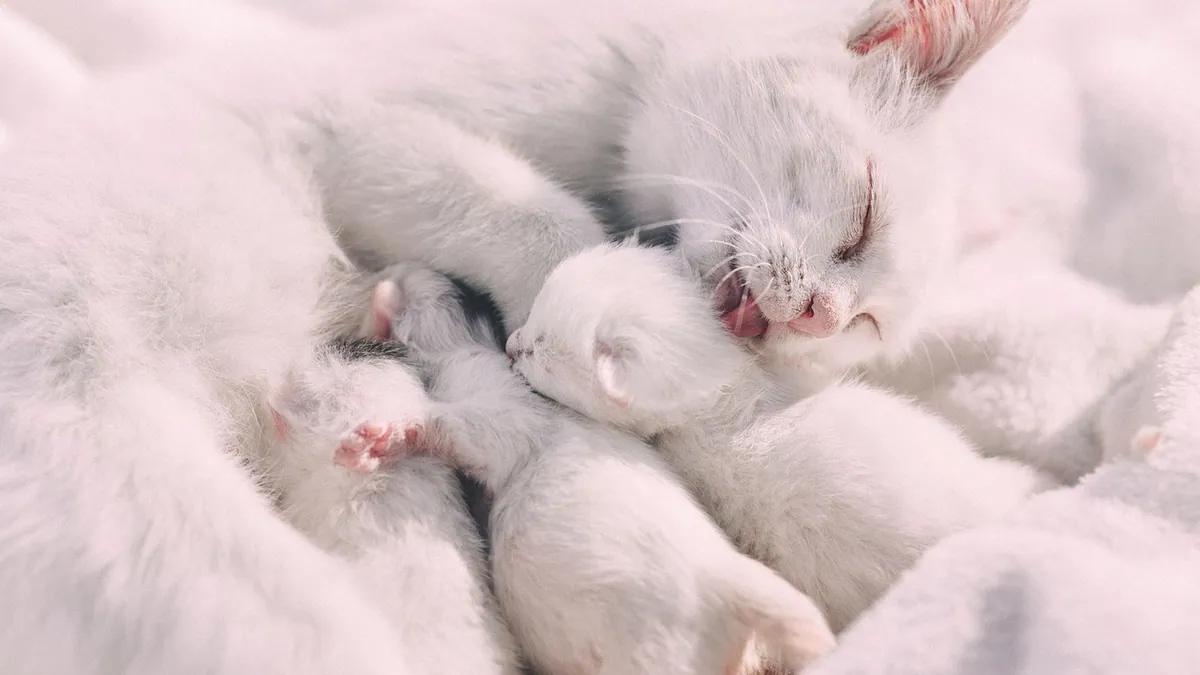
A kitten not nursing is a medical concern, especially in the first days of life. Newborn kittens depend on their mother's milk for energy, fluids, and immune protection, and they can decline quickly without it. If your kitten is not nursing, you need to act within hours, not days.
This article is educational and is not a substitute for veterinary diagnosis or treatment.
Quick Answer
- A newborn kitten that has not nursed within 2 to 3 hours of birth needs help now, because newborn kittens have limited energy reserves and unstable blood sugar [1].
- If the mother cat (queen) is ignoring, rejecting, or unable to feed the litter, you must hand-feed with a commercial kitten milk replacer, never cow's milk.
- Weigh the kitten daily on a gram scale. Newborn kittens should gain weight every day after the first 24 hours.
- Warm the kitten before feeding. A cold kitten cannot digest milk properly and should be warmed slowly first.
- Call a veterinarian the same day if the kitten is limp, cool, crying constantly, or losing weight.
Why a Kitten May Stop Nursing
Problems With the Mother Cat
A queen may stop nursing for several reasons. Lactation suppresses fertility in most mammals, but research on 195 litters found that 49% of queens came into heat during lactation, and 38% of those cases were linked to loss of maternal interest, reduced milk quantity, or changes in milk quality [2]. If your cat is calling, restless, or seeking a mate while still nursing, her milk supply or her interest in the kittens may drop.
Other maternal issues include mastitis (infected mammary glands), pain after a difficult birth, poor nutrition, or simply being a first-time mother who does not know what to do. Queens need extra calories and water while nursing, and nutritional demands during lactation are high [3].
Problems With the Kitten
Some kittens are born too weak to latch. Kittens delivered by cesarean section or after a difficult birth are at higher risk and may need immediate support, including an Apgar-style assessment by a veterinarian [4]. Congenital malformations are an underrecognized cause of newborn death in cats, and some are severe enough that a kitten cannot feed normally [5].
Other kitten-side causes include:
- Low blood sugar (hypoglycemia). Newborn kittens have an underdeveloped metabolism, burn through liver sugar stores quickly, and cannot make glucose well on their own [1]. A hypoglycemic kitten becomes weak, limp, or unresponsive and may stop nursing.
- Being cold. Chilled kittens stop eating and cannot digest food.
- Infection or failure to pass meconium (first stool).
- Cleft palate or other mouth defects, which cause milk to come out the nose during feeding.
- Dehydration, which makes a kitten too weak to suck.
Normal Weaning vs. a Problem
Weaning is a gradual process, not a single event. Kittens can generally leave their mother and littermates once they are weaned, beginning at 6 to 7 weeks old [6]. If your kitten is 4 to 6 weeks old and nursing less while starting to eat soft food, that is normal development. If a kitten under 4 weeks old suddenly refuses to nurse, treat it as a problem.
Step-by-Step: What to Do When a Kitten Is Not Nursing
Step 1: Check the Kitten's Condition
Pick the kitten up gently. Feel for warmth. Look at the gums, which should be pink, not pale or gray. Watch for breathing effort. A kitten that is crying nonstop, cool to the touch, or limp needs a veterinarian immediately, not home care.
Step 2: Try to Get the Kitten Back on the Mother
If the queen is healthy and calm, place the kitten on a teat and see if it latches. Sometimes a kitten just needs help finding the nipple. If the mother pushes the kitten away, lies on it, or leaves the box when the kitten cries, stop and hand-feed instead. Do not force the kitten onto a queen who is rejecting it.
Step 3: Warm the Kitten First
Never feed a cold kitten. Warm it slowly with a heating pad on low under a towel, skin-to-skin contact, or a warm room. The kitten's body temperature should feel comfortably warm, not hot, before you offer milk.
Step 4: Use the Right Milk
Use a commercial kitten milk replacer formulated to copy queen's milk [4]. Cow's milk and human baby formula are not appropriate and cause diarrhea. Follow the mixing directions on the label exactly.
Step 5: Feed With the Right Technique
Bottle feeding a newborn requires careful attention to technique, timing, and the kitten's physiology [4]. Hold the kitten belly-down, slightly angled, never flat on its back. Let the kitten suck at its own pace. If milk bubbles out of the nose, stop, and let the kitten cough and breathe.
Step 6: Feed on a Schedule
Newborn kittens eat every 2 to 3 hours around the clock for the first week or two. By 3 to 4 weeks, you can stretch to every 4 hours. Set an alarm at night. Missed feedings are how kittens crash.
Step 7: Stimulate Bathroom Behavior
Kittens under 3 weeks old cannot urinate or defecate on their own. After each feeding, wipe the genital area with a warm, damp cotton ball until the kitten goes. If a kitten has not pooped in 24 hours, call your veterinarian. For more on digestive problems, see Kitten Diarrhea: Causes, Safe Home Care, and Emergency Signs.
Step 8: Weigh Daily and Track
Use a kitchen scale that reads in grams. Weigh the kitten at the same time each day. Write it down. A kitten that is not gaining weight is not getting enough milk, even if it seems to be nursing.
Feeding Schedule and Setup Checklist
| Kitten Age | Feeding Frequency | What to Feed | Notes |
|---|---|---|---|
| 0 to 1 week | Every 2 to 3 hours, day and night | Kitten milk replacer | Stimulate to urinate and poop after each feeding |
| 1 to 2 weeks | Every 3 hours | Kitten milk replacer | Eyes usually open around 2 weeks |
| 2 to 3 weeks | Every 3 to 4 hours | Kitten milk replacer | Kittens start to stand and wobble |
| 3 to 4 weeks | Every 4 hours | Milk replacer plus soft gruel | Offer shallow dish of gruel |
| 4 to 6 weeks | 4 to 5 feedings daily | Gruel transitioning to moist kitten food | Weaning is underway |
| 6 to 7 weeks | 3 to 4 meals daily | Canned or moistened kitten food | Kittens can generally leave the mother once weaned, beginning at 6 to 7 weeks old [6] |
Setup Checklist
- Commercial kitten milk replacer
- Kitten nursing bottles and extra nipples
- Gram kitchen scale
- Heating pad with a towel barrier
- Warm, damp cotton balls for stimulation
- Notebook or phone app for weights and feeding times
- A quiet, draft-free box with low sides
Signs Something Is Wrong
Call your veterinarian the same day if you see any of these:
- Weight loss or no weight gain for 24 hours
- Constant crying that does not stop after feeding
- Milk coming out of the nose during feeding
- Diarrhea or vomiting
- Refusing the bottle for more than one feeding
- A mother cat with hot, red, or painful mammary glands (possible mastitis)
- The queen is in heat and losing interest in the litter [2]
Go to an emergency clinic now if the kitten is:
- Limp, floppy, or unresponsive
- Cool to the touch
- Breathing fast, open-mouthed, or with long pauses
- Having seizures or twitching
- Pale or gray gums
Low blood sugar can be fatal in newborn kittens, and reduced blood glucose does not always cause obvious signs, so a weak kitten needs prompt veterinary care [1].
Common Mistakes to Avoid
Feeding Cow's Milk
Cow's milk causes diarrhea and does not meet a kitten's nutritional needs. Use only a commercial kitten milk replacer [4].
Feeding a Cold Kitten
A chilled kitten cannot digest milk. Warm it first, slowly.
Feeding a Kitten on Its Back
This position lets milk flow into the lungs. Always feed belly-down.
Guessing at Amounts
Do not guess. Your veterinarian calculates the feeding volume from the kitten's weight and health, and the milk replacer label gives age-based guidance. Never invent a dose.
Skipping Night Feedings
Newborn kittens cannot go 6 to 8 hours without food. Set alarms.
Waiting Too Long to Call the Vet
A kitten that has not nursed for several hours is a same-day problem. A limp kitten is an emergency.
Forgetting the Mother's Needs
A nursing queen needs extra food and water. Poor maternal nutrition can reduce milk supply [3]. If your cat is not eating well herself, see Cat Not Eating? When to Worry and What to Do.
Supplies and Setup Details That Matter
Temperature control is the single most important piece of equipment. Newborn kittens cannot regulate their own body heat. Keep the nest at roughly 85 to 90 degrees Fahrenheit for the first week, then lower it gradually. Use a heating pad set on low, placed under only half of the box so the kitten can move away if it gets too warm. Always put a towel between the kitten and the pad.
Weighing matters as much as feeding. A gram scale shows you whether hand-feeding is working before the kitten looks sick. Weigh at the same time daily, ideally before the first morning feeding.
Keep the feeding area clean. Wash bottles and nipples in hot soapy water after every use. Bacteria grow fast in milk residue, and newborn kittens are easy to infect.
Limit handling by visitors. Kittens receive maternal immunity through colostrum in the first 24 hours of life and through nursing afterward, and this protection fades over time [6][4]. Until kittens have their full vaccine series, keep them away from unvaccinated cats [6]. Ask visitors to wash their hands before touching the litter. For a full prevention timeline, see Preventive Care For Kittens.
Watch the mother cat closely for signs of stress. If she is hiding from the kittens or pacing, she may need a quiet, dark space with less traffic. A stressed queen may abandon the litter. If she continues to avoid them, hand-rearing is the safer choice.
Limitations and When to Contact a Veterinarian
This article gives general guidance only. Every kitten is different, and individual cases need a veterinarian who can examine the kitten, check its blood sugar, and calculate feeding amounts for its weight and condition.
Contact your veterinarian the same day if:
- The kitten has not nursed for more than 4 hours in the first week of life
- The kitten is losing weight or not gaining
- The mother cat has hot, swollen, or painful mammary glands
- The mother cat is in heat and ignoring the litter [2]
- The kitten has diarrhea, vomiting, or milk coming from the nose
Go to an emergency clinic immediately if:
- The kitten is limp, unresponsive, or having seizures
- The kitten feels cool to the touch
- Breathing is fast, labored, or irregular
- The kitten cries nonstop and cannot be comforted
Schedule a routine veterinary visit for any hand-reared kitten within the first few days of starting bottle feeding. Kittens need veterinary visits every 3 to 4 weeks until about 6 months old for vaccines and parasite treatment [6]. Your veterinarian can also confirm the kitten is gaining appropriately and check for birth defects.
Frequently Asked Questions
How long can a newborn kitten go without nursing?
A newborn kitten should not go more than 2 to 3 hours without eating in the first week of life. Newborns have small energy reserves and unstable blood sugar, so a missed feeding can quickly become an emergency [1]. If the mother is not feeding the kitten, start hand-feeding right away.
Can I feed a kitten cow's milk if I do not have milk replacer?
No. Cow's milk does not match a queen's milk and commonly causes diarrhea in kittens. Use a commercial kitten milk replacer, which is made to copy the mother's milk [4]. If you cannot get replacer immediately, call a veterinarian or an emergency clinic for guidance.
Why did my mother cat stop nursing her kittens?
Common reasons include the queen coming into heat during lactation, reduced milk supply, mastitis, stress, or a kitten that is too weak to latch. In one study, about half of queens came into heat while nursing, and many of those cases involved loss of maternal interest or less milk [2]. Have the mother examined if she suddenly stops feeding.
How do I know if a kitten is getting enough milk?
Daily weight gain is the best sign. Weigh the kitten every morning on a gram scale and write it down. A kitten that is not gaining weight is not getting enough, even if it looks like it is nursing. Also watch for a full, rounded belly after feeding and calm behavior between feedings.
When should I start weaning my kitten?
Start offering soft gruel around 3 to 4 weeks of age, and let the kitten set the pace. Kittens can generally leave the mother once they are fully weaned, beginning at 6 to 7 weeks old [6]. If a kitten refuses to nurse but is eating gruel well at this age, that is normal weaning, not a medical problem.
Related Articles
- Cat Not Eating? When to Worry and What to Do
- Cat Hiding and Not Eating: When to Worry
- Cat Not Pooping but Eating Normally: Causes and When to Help
- Preventive Care For Kittens
- Kitten Diarrhea: Causes, Safe Home Care, and Emergency Signs
- Cat Not Eating for 24 Hours: Why Cats Are at Higher Risk
- Kitten Not Latching On: How to Help a Newborn Nurse
- Motherless Kitten Care: Feeding and Warmth Basics
- Sick Kitten Not Eating or Drinking: Causes and Urgency
References
- Reassessing neonatal hypoglycemia in kittens: clinical relevance beyond the laboratory value. Topics in companion animal medicine, 2026.
- Prevalence of lactational oestrus in cats and consequences for kittens. Journal of feline medicine and surgery, 2023.
- Nutrition and Theriogenology: A Glimpse Into Nutrition and Nutritional Supplementation During Gestation, Lactation, Weaning and Breeding Dogs and Cats. The Veterinary clinics of North America. Small animal practice, 2023.
- Feline Neonatal Care. The Veterinary clinics of North America. Small animal practice, 2025.
- Multiple congenital malformations in a litter of feline fetuses associated with gestational exposure to a synthetic estrus-suppressing progestin. BMC veterinary research, 2026.
- Kitten Care - Cat Owners. Merck Veterinary Manual.