How Long Do Kittens Need Bottle Feeding?
By Dr. Zubair Khalid, DVM, MS, PhD ·
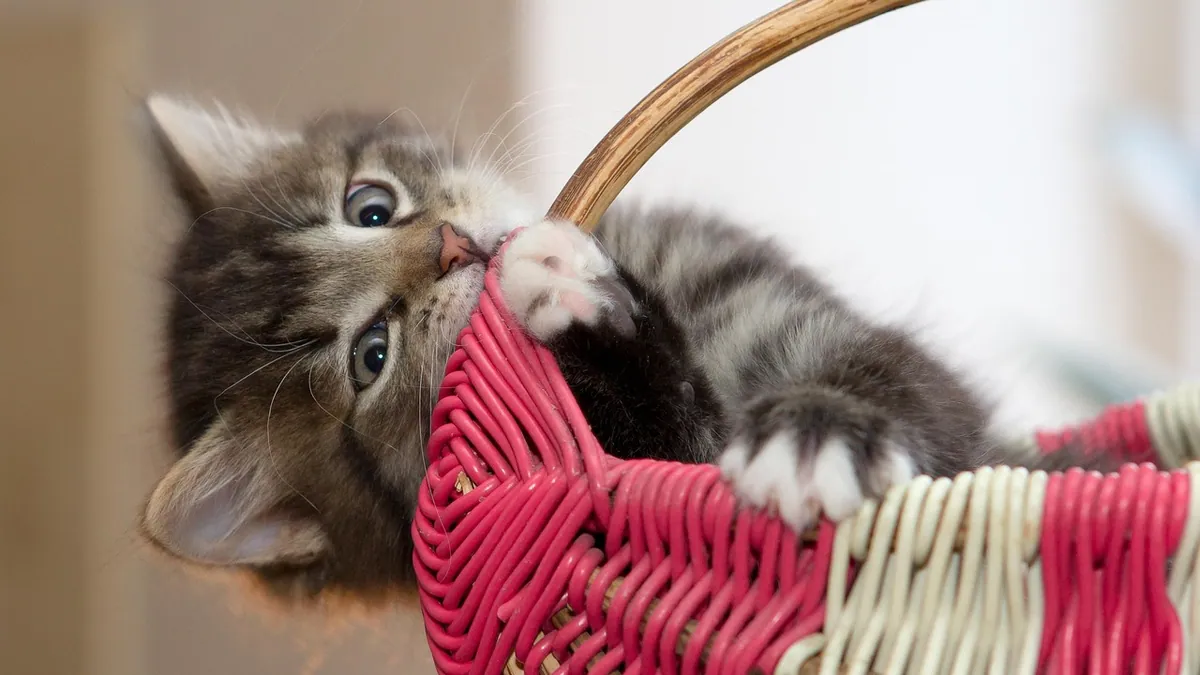
Most orphaned kittens need bottle feeding from birth until about 4 weeks of age, when they start learning to eat soft food. Full weaning usually happens between 6 and 8 weeks. How long do kittens bottle feed depends on the individual kitten, so watch weight gain and readiness cues more than the calendar.
This article is educational and is not a substitute for veterinary diagnosis or treatment.
Quick Answer
- Feed kitten milk replacer from birth to about 4 weeks of age, then begin the transition to moist solid food.
- Expect to feed every 2 to 3 hours during the first two weeks, including overnight.
- Weigh your kitten daily on a kitchen scale and expect steady gain, not just a full belly.
- Never feed cow's milk. Use a commercial kitten milk replacer formulated to copy queen's milk [1].
- Most kittens are fully weaned to solid food by 6 to 8 weeks, but some take a little longer.
How Long Do Kittens Bottle Feed? The Timeline
A newborn kitten depends entirely on milk for the first weeks of life. If the mother cat is present and nursing well, she handles all of it. If you are hand-rearing, you become the food source.
The general timeline looks like this:
- Birth to 1 week: Formula only, fed every 2 to 3 hours around the clock.
- 1 to 2 weeks: Formula only, roughly every 3 hours.
- 2 to 3 weeks: Formula every 3 to 4 hours. Eyes are open and kittens start to move around.
- 3 to 4 weeks: Formula every 4 to 6 hours. Start offering soft food on a saucer.
- 4 to 6 weeks: Bottle feeds drop as solid food intake rises.
- 6 to 8 weeks: Most kittens are eating moistened or canned food on their own and no longer need the bottle.
That is the short version. The rest of this article fills in the details so you can get the timing right for your kitten.
Step-by-Step: How to Help a Kitten Bottle Feed
Bottle feeding is a skill. You can learn it, and most kittens catch on quickly when you follow a few rules.
Step 1: Warm the kitten first
A cold kitten cannot digest food. Warm your kitten slowly with a heating pad on low under a towel, skin contact, or a warm room. Never feed a chilled kitten. Get the body temperature up first, then feed.
Step 2: Mix and warm the formula
Follow the label directions exactly. Formula that is too concentrated can cause digestive upset, and formula that is too dilute shortchanges the kitten on calories. Warm the mixed formula to roughly body temperature. Test a drop on your wrist. It should feel neutral, not hot.
Step 3: Position the kitten correctly
Place the kitten on its belly, not on its back. A kitten on its back can inhale formula into the lungs, which is dangerous. Tilt the bottle so the nipple stays full of milk. Let the kitten suck at its own pace.
Step 4: Let the kitten set the rhythm
Do not squeeze the bottle. If the kitten pulls away, pauses, or milk bubbles from the nose, stop and let it rest. Burp the kitten by holding it upright and patting gently, the way you would burp a human baby.
Step 5: Clean up and record the feeding
Wash the bottle, nipple, and any mixing tools in hot soapy water after every use. Write down the time, the amount taken, and the kitten's weight. Records catch problems early.
Step 6: Stimulate after feeding
Young kittens cannot urinate or defecate on their own. After each feeding, wipe the genital and anal area with a warm, damp cotton ball or cloth until the kitten goes. This is part of the feeding routine until about 3 to 4 weeks of age. For a full walkthrough of the first month, see Newborn Kitten Care 0-4 Weeks: Warmth Colostrum and Stimulation Protocol.
Feeding Schedule and Amounts by Age
Amounts vary by kitten size, formula brand, and health. The table below gives typical ranges. Your veterinarian can adjust them for your kitten.
| Age | Feedings per day | Approximate amount per feeding | Notes |
|---|---|---|---|
| 0 to 1 week | 8 to 12 | Small, kitten-specific | Includes overnight feeds |
| 1 to 2 weeks | 8 to 10 | Slightly larger | Watch for steady weight gain |
| 2 to 3 weeks | 6 to 8 | Growing | Eyes open, more active |
| 3 to 4 weeks | 5 to 6 | Growing | Offer soft food on a saucer |
| 4 to 6 weeks | 3 to 4 | Decreasing | Solid food becomes the main source |
| 6 to 8 weeks | 0 to 2 | Optional | Most kittens are weaned |
Two numbers matter more than any chart. The first is weight. Weigh your kitten at the same time each day, ideally before the first morning feed. The second is attitude. A kitten that is warm, gaining, and alert is on track.
Commercial kitten milk replacers are made to copy the composition of queen's milk, which is why they are the right choice for hand-rearing [1]. Cow's milk and homemade formulas do not match a kitten's needs.
When to Transition to Solid Food
The transition starts around 3 to 4 weeks of age. At this stage, kittens are curious, steady on their feet, and starting to mouth everything.
Here is how to make the switch:
- Week 3 to 4: Put a shallow saucer of warm, moistened kitten food or canned food mixed with formula on the floor. Let the kitten walk through it, sniff it, and taste it. Mess is normal.
- Week 4 to 5: Offer the saucer several times a day. Keep bottle feeds going so the kitten still gets full nutrition.
- Week 5 to 6: Increase solid food and reduce bottle feeds. By now most kittens are eating well from the saucer.
- Week 6 to 8: Most kittens no longer need the bottle. Keep feeding a growth-formula kitten food until your veterinarian advises a change.
Weaning is a real transition for the gut. Kittens going through weaning show measurable changes in immune response and gut bacteria in the weeks after the switch [2]. That is one reason to move slowly and keep the diet consistent. If your kitten refuses food during this stage, read Cat Not Eating But Acting Normal: How Long Can You Wait? for guidance on when to worry.
Signs Something Is Wrong
Hand-reared kittens can decline fast. Check for these warning signs after every feeding.
- No weight gain for 24 hours, or any weight loss. This is the single most reliable early warning.
- Formula coming out of the nose, coughing, or gagging during feeds. This can mean the kitten inhaled milk.
- Persistent crying after feeding. A truly full, warm kitten usually settles.
- Diarrhea, vomiting, or a bloated, tight belly.
- Cool body temperature, limpness, or constant sleeping.
- Pale gums, labored breathing, or a kitten that feels cold to the touch.
Any of these signs means a call to your veterinarian, and several of them mean an emergency visit right away.
Common Mistakes to Avoid
Most hand-rearing problems trace back to a handful of errors.
- Feeding a cold kitten. Digestion stalls when body temperature is low. Warm first, feed second.
- Using cow's milk or a homemade recipe. These do not match kitten milk and can cause diarrhea and poor growth.
- Feeding on the back. This raises the risk of milk entering the lungs. Always feed belly-down.
- Squeezing the bottle. It forces milk faster than the kitten can swallow.
- Skipping overnight feeds in the first two weeks. Young kittens cannot go long between meals.
- Forgetting stimulation. A kitten that is not stimulated will not eliminate, and that becomes a medical problem.
- Switching formulas suddenly. Pick one kitten milk replacer and stick with it when possible.
- Weaning too fast. Move from bottle to solid food over weeks, not days.
Supplies and Setup That Matter
You do not need much, but the items you choose affect your kitten's health.
- Kitten milk replacer. Choose a product labeled for kittens. It is designed to replicate queen's milk [1].
- Bottles and nipples. Small nursing bottles with soft nipples work best. Buy spares, because nipples wear out and get lost.
- A kitchen scale that reads in grams. Daily weights are your best tracking tool.
- A heating source. A heating pad on low, wrapped in a towel, with room for the kitten to move away from the heat.
- Clean bedding you can wash daily. Warmth and hygiene go together in the first weeks.
- A notebook or phone app. Log feeds, weights, and eliminations.
Colostrum, the first milk a mother produces in the first 24 hours after birth, supports the kitten's immune system [1]. If your kitten missed colostrum, tell your veterinarian. They can advise you on what extra support your kitten may need.
Limitations and When to Contact a Veterinarian
Every kitten is an individual, and hand-rearing decisions depend on weight, temperature, hydration, and overall health. A veterinarian who examines your kitten can give you a feeding plan matched to that kitten. This article cannot do that.
Contact a veterinarian the same day if you see:
- No weight gain for 24 hours or any weight loss
- Diarrhea that lasts more than one feeding
- Vomiting after feeds
- Refusing to eat for more than one feeding cycle
- Formula bubbling from the nose during a feed
Go to an emergency clinic now if you see:
- Labored breathing, open-mouth breathing, or blue gums
- A kitten that is limp, unresponsive, or feels cold
- Continuous crying that does not stop with feeding or warmth
- A bloated, hard abdomen with no bowel movement
- Seizures or sudden collapse
Schedule a routine visit if:
- Your kitten is gaining well and you want a weight and health check
- You are unsure whether your formula and feeding plan are right
- You need guidance on deworming, vaccines, or microchipping. For timing on identification, see When Do Kittens Get Microchipped.
If your kitten stops eating at any stage, including after weaning, read Cat Not Eating: How Long Is Too Long? so you know how quickly to act.
Frequently Asked Questions
Can I stop bottle feeding at 4 weeks?
No, not usually. Four weeks is when you start offering soft food, but the kitten still needs bottle feeds for several more weeks. Most kittens are fully weaned between 6 and 8 weeks.
What if my kitten refuses the bottle?
First check warmth and positioning, since a cold kitten or a bad angle can stop feeding. If your kitten refuses two feeds in a row, or shows other signs like vomiting or diarrhea, call your veterinarian that day.
Can I feed my kitten cow's milk instead of formula?
No. Cow's milk does not match the nutrient profile of queen's milk, and commercial kitten milk replacers are specifically made to replicate it [1]. Feeding cow's milk can cause diarrhea and poor growth in a kitten that cannot afford either.
How do I know my kitten is getting enough?
Daily weight gain is the best measure, along with a calm, settled kitten after feeds. A kitten that cries constantly, feels cold, or stops gaining needs veterinary attention. Keep a written log so you can spot trends.
Do kittens need bottle feeding overnight?
Yes, in the first two weeks. Newborn kittens eat every 2 to 3 hours, which includes overnight feeds. By 3 to 4 weeks, the gaps stretch out and you can usually sleep more.
When should I start weaning?
Start offering soft food around 3 to 4 weeks of age while keeping bottle feeds going. Weaning is a gradual process, and kittens going through it show real changes in gut bacteria and immune markers in the following weeks [2]. Slow and steady protects the digestive system.
Related Articles
- Cat Not Eating But Acting Normal: How Long Can You Wait?
- Cat Not Eating: How Long Is Too Long?
- When Do Kittens Get Microchipped
- Newborn Kitten Care 0-4 Weeks: Warmth Colostrum and Stimulation Protocol
- Newborn Puppy Care 0-4 Weeks: Colostrum Temperature and Tube Feeding
- Cat Hissing at New Kitten: How Long Will It Last?
- How Long Do Kittens Need Milk? Nursing Timeline Explained
- When Do Kittens Wean? Age and How to Wean
- Kitten Won't Take the Bottle: What to Do
References
- Feline Neonatal Care. The Veterinary clinics of North America. Small animal practice, 2025.
- Dynamic development of gut microbiota and metabolism during and after weaning of kittens. Animal microbiome, 2025.