Are Heating Pads and Blankets Safe for Cats?
By Dr. Zubair Khalid, DVM, MS, PhD ·
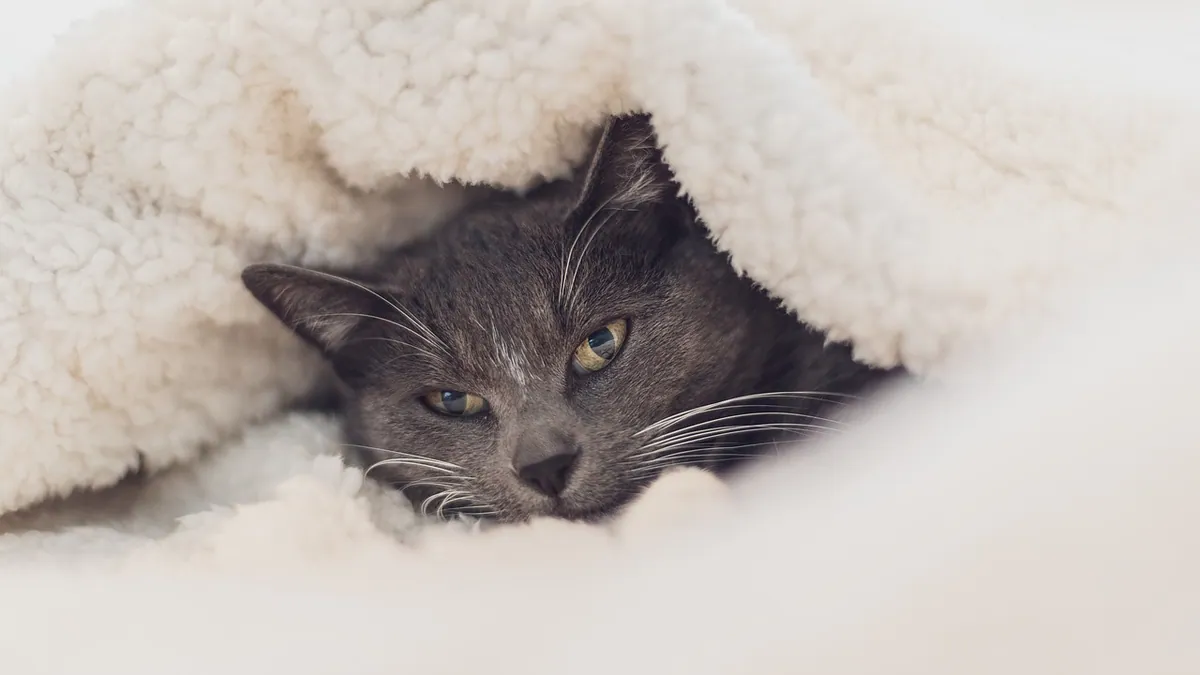
Yes, it is safe for cats to lay on a heating pad when the pad is set on low, covered with a towel, and supervised. Cats love warmth, and a gentle heat source can comfort older cats with arthritis or kittens who cannot regulate their body temperature well. The danger comes from pads that get too hot, cords that get chewed, and cats that cannot walk away when they overheat.
This article is educational and is not a substitute for veterinary diagnosis or treatment.
Quick Answer
- A heating pad is safe only on the lowest setting, wrapped in a towel, and never left on while you sleep or leave the house.
- Cats can overheat fast. A cat trapped in a hot space can reach a body temperature of 43.0 °C (109.4 °F) and develop heatstroke, seizures, and shock [1].
- Kittens under about 4 weeks old cannot control their own body temperature, so they may need a warm, safe heat source, but the heat must never touch bare skin.
- Blankets are usually safer than electric heat because a cat can push them off. A cat under a heavy blanket in a warm room can still overheat.
- Any burn, limp, drooling, or collapse after heat exposure needs a veterinarian right away.
Is It Safe for Cats to Lay on a Heating Pad? The Real Risks
The main risk is burns. Cat skin is thin, and a cat lying on a hot surface may not move away until damage is done. Older cats, cats with arthritis, and cats on pain medication may feel less and react slower. A cat under anesthesia or sedated has no way to escape heat at all.
The second risk is heatstroke. Heatstroke in cats is rare, but it happens, and it is a life-threatening emergency [1]. One reported case involved a cat trapped in a running clothes dryer for about 20 minutes. That cat arrived with a temperature of 43.0 °C, shock, bleeding in the mouth, and seizures [1]. You do not need a dryer to create this problem. A cat pressed against a hot pad under a heavy blanket in a warm room can build up heat with no way to cool off.
The third risk is electrical. Cats chew cords. A chewed heating pad cord can cause mouth burns or a house fire. Keep cords hidden or use a pad with a chew-resistant cord, and unplug the pad when you are not watching.
Heat also damages eyes and skin. Cats exposed to wildfire heat developed eye surface damage and corneal ulcers, and many needed lubricants every 4 to 6 hours plus antibiotics [2]. That kind of injury comes from extreme heat, but it shows how sensitive feline tissue is to thermal damage.
How to Use a Heating Pad Safely, Step by Step
Step 1: Pick the right pad
Choose a pet-specific heating pad with an automatic shutoff and a fixed low temperature. Avoid human pads with variable dials that can be bumped to high. Avoid microwavable pads, which can have hot spots. Avoid heating pads designed for reptiles, which run hotter than cats need.
Step 2: Set the heat low
Use the lowest setting. If the pad has no temperature control, do not use it. If you can feel real heat through a towel with your hand, it is too hot for a cat.
Step 3: Cover it
Wrap the pad in a towel or thin blanket so no bare plastic or hot surface touches skin. A cover also spreads heat evenly and reduces hot spots.
Step 4: Give your cat an exit
Never place a pad so your cat is trapped. Leave at least half the resting spot unheated so your cat can move off the heat. A cat that cannot leave a warm spot is at risk of overheating.
Step 5: Supervise
Stay in the room. Unplug the pad when you leave, even for a short errand, and when you go to sleep. This single habit prevents most heating pad injuries.
Step 6: Check the skin
Look at your cat's belly, paws, and any pressure points after each session. Redness, hair loss, or a scab means stop using heat and call your veterinarian.
Is It Safe for Cats to Be Under Blankets or Sleep Under the Covers?
Yes, most healthy adult cats can sleep under blankets safely. Cats seek out covered spots because they feel secure and warm. The risk goes up when the blanket is heavy, the room is warm, or your cat is old, sick, or very young.
Watch for these problems:
- A cat under a thick comforter on a heated bed can overheat because heat cannot escape.
- A cat under covers with a person who rolls over can be trapped or smothered.
- A cat with a heart condition, obesity, or breathing trouble tolerates heat poorly.
If your cat likes to burrow, use a light blanket and keep the room cool. Check on your cat every so often. If your cat comes out panting, flushed, or wobbly, cool it down and call your veterinarian.
For more on keeping pets comfortable in temperature extremes, see Cold Weather Safety for Dogs and Cats.
Do Kittens Need a Heating Pad?
Kittens younger than about 4 weeks cannot hold their body temperature on their own. They need a warm area, but they also need room to move away from the heat. The safest setup is a heat source under half of the nest, not the whole thing.
Use a covered heating pad on low, a warm water bottle wrapped in a towel, or a pet-safe warming disc. Always leave an unheated side so a kitten can crawl off if it gets too warm. Check the skin often. A kitten that is limp, cold, or not eating needs a veterinarian the same day.
Never put a kitten directly on a bare heating pad. Never leave a young kitten alone with an electric pad. If you are hand-raising kittens, ask your veterinarian to show you a safe warming setup.
Warming Options Compared
| Option | Safe for cats? | Best use | Main risk |
|---|---|---|---|
| Pet heating pad, low, covered, supervised | Yes | Older cats, arthritis, short naps | Burns if too hot or uncovered |
| Human heating pad with dial | Only with strict supervision | Short supervised sessions | Dial bumped to high, no shutoff |
| Microwave heat pack | Sometimes | Short sessions, wrapped well | Hot spots, uneven heat |
| Heated blanket | Only on low, supervised | Cold rooms, supervised lounging | Overheating under other blankets |
| Warm water bottle, wrapped | Yes | Kittens, post-surgery comfort | Leaks, direct skin contact |
| Plain blanket or bed | Yes | Everyday sleeping | Overheating if room is warm |
| Body heat (your lap) | Yes | Kittens, bonding | None for most cats |
Signs That Something Is Wrong
Burns
Look for red skin, blisters, scabs, hair loss, or a cat that flinches when touched. Burns can worsen over 24 to 48 hours. A burn on the belly or paws needs a veterinarian the same day.
Heatstroke
Warning signs include heavy panting, drooling, bright red gums, wobbling, vomiting, and collapse. A cat with heatstroke may have a body temperature above 40 °C (104 °F) and can seizure [1]. This is an emergency. Cool your cat with room-temperature water on the paws, belly, and ears, and get to a veterinarian immediately. Do not use ice-cold water.
Pain or limping
A cat that limps or cries after lying on a pad may have a burn or joint pain. Have your veterinarian look at it.
Electrical injury
Drooling, mouth pain, a burned lip, or a chewed cord means unplug everything and call your veterinarian or a pet poison hotline right away.
Common Mistakes Owners Make
- Leaving a heating pad on all night. This is the most common cause of burns.
- Using a pad without a cover. Bare surfaces create hot spots.
- Setting the pad to medium or high because your cat seems cold. Cats need less heat than people think.
- Putting a pad in a carrier with no escape space. A trapped cat cannot cool down.
- Using a heating pad on a cat that cannot move well. Paralysis, sedation, and severe arthritis raise burn risk.
- Assuming a blanket is always safe. A heavy blanket plus a warm room plus a hot pad equals overheating.
- Ignoring a small red patch. Burns get worse before they get better.
Supplies and Setup That Matter
A safe warming station has a few parts. Use a pet heating pad with an automatic shutoff. Add a towel or fleece cover. Place the pad under one side of the bed only. Keep a water bowl nearby. Keep the room at a comfortable temperature so your cat does not need extra heat.
If your cat has arthritis, talk to your veterinarian about other options. Weight management, joint supplements, and prescription pain medication often help more than heat alone. Heat can be part of a plan, but it is not a treatment by itself.
For cats recovering from surgery or illness, follow your veterinarian's instructions exactly. Some conditions make heat unsafe. For example, a cat with a fever or an inflammatory condition may not need warming at all. A cat with a cecal perforation and peritonitis can present with hyperthermia, meaning its body is already too warm [3]. Adding heat would make things worse.
If you are bathing a cat that is cold or stressed, dry it well and use a warm room instead of a hot pad. See How to Safely Give Your Dog or Cat a Bath at Home for safe bathing steps.
Limitations and When to Contact a Veterinarian
No article can tell you whether heat is safe for your specific cat. Your veterinarian knows your cat's age, weight, health conditions, and medications, and can set a safe plan.
Contact a veterinarian the same day if you see:
- Red, blistered, or scabbed skin after heat exposure
- Limping, crying, or flinching when touched
- Drooling, mouth pain, or a chewed cord
- A kitten that is cold, limp, or not eating
- A cat that seems painful or restless after lying on a pad
Go to an emergency clinic now if you see:
- Heavy panting, drooling, or bright red gums
- Wobbling, collapse, or seizures
- A body temperature above 40 °C (104 °F)
- Burns over a large area or on the face
Call your regular veterinarian for a routine visit if your cat keeps seeking heat, seems stiff, or has trouble jumping. These can be early signs of arthritis or another medical problem that needs treatment.
Frequently Asked Questions
Can I leave a heating pad on for my cat while I am at work?
No. Unplug the pad whenever you cannot watch your cat. A cat that cannot move away from heat can burn or overheat within minutes.
Is a heated blanket safer than a heating pad?
Not always. A heated blanket covers more of the body, so heat builds up faster, especially if your cat is under other blankets. If you use one, keep it on the lowest setting and stay in the room.
How warm should a cat's sleeping area be?
Most healthy adult cats are comfortable at normal room temperature. Kittens and thin or older cats may need a little extra warmth. Use a covered pad on low under half the bed, and let your cat choose.
Can a heating pad help my cat's arthritis?
Warmth can make stiff joints feel better, but it does not treat arthritis. Ask your veterinarian about a full plan that may include weight control, supplements, and prescription pain relief.
What should I do if my cat's skin looks red after using a heating pad?
Stop using heat and check the area every few hours. If the redness spreads, blisters form, or your cat seems painful, see a veterinarian the same day. Burns can deepen over the first two days.
Related Articles
- Safe Treats For Diabetic Cats
- Cold Weather Safety for Dogs and Cats
- Are Jelly Cats Safe for Pets? A Complete Safety Guide
- Cat Flea Treatment Safe For Cats
- How to Safely Give Your Dog or Cat a Bath at Home
- Are Essential Oils Safe for Cats and Dogs?
- Are Cats OK in the Heat? Heat Safety for Cats
- Do Kittens Overheat Easily? Heat Safety for Cats
- How Do Cats Handle Heat? Cooling Signs and Safety
References
- Successful Intensive Management and Serial Clinical Progression of Severe Non-Exertional Heatstroke in a Cat Following Clothes Dryer Entrapment. Veterinary sciences, 2026.
- Clinical signs, treatment, and outcomes for ophthalmic thermal injury in 108 cats exposed to northern California wildfires between 2015 and 2020. Journal of the American Veterinary Medical Association, 2025.
- Spontaneous cecal perforation in a cat diagnosed with ultrasonography. Veterinary radiology & ultrasound : the official journal of the American College of Veterinary Radiology and the International Veterinary Radiology Association, 2024.