Do Kittens Overheat Easily? Heat Safety for Cats
By Dr. Zubair Khalid, DVM, MS, PhD ·
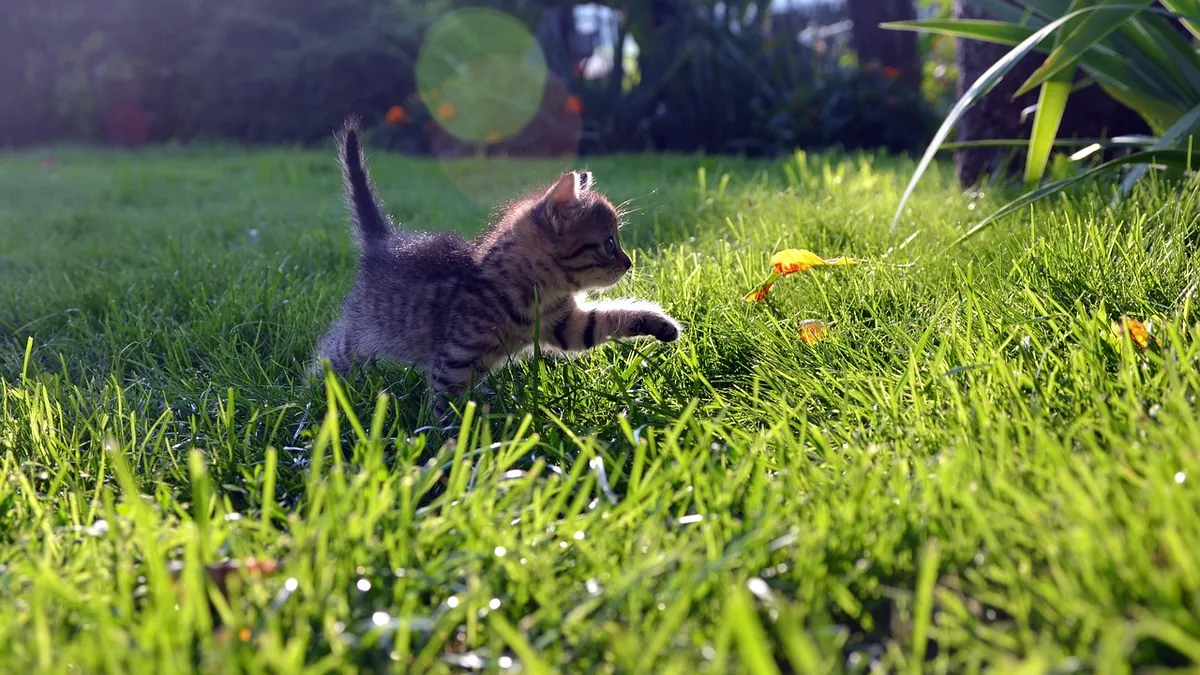
Yes, kittens overheat easily. Their small bodies heat up faster than adult cats, and they depend on you for shade, water, and cool air. Because kittens have less body mass and less experience finding relief from heat, they can slide from uncomfortable to dangerously hot in a short time. This article is educational and is not a substitute for veterinary diagnosis or treatment.
Quick Answer
- Kittens overheat more easily than adult cats because their small size means body temperature rises faster in hot conditions.
- Never leave a kitten in a car, a sunny window, a garage, or any space without airflow, even for a few minutes.
- Warning signs include heavy panting, drooling, wobbling, vomiting, and gums that look bright red or pale.
- If you suspect heat stroke, move the kitten to a cool, drafty area, wet the fur with cool (not very cold) water, and call your veterinarian right away [1].
- Keep kittens indoors in air-conditioned rooms during extreme heat, and offer ice cubes or cooling mats for extra relief [1].
Do Kittens Overheat Easily? What Heat Stress Means in Plain Words
Heat stress happens when a cat's body takes in more heat than it can release. Cats do not sweat the way people do. They rely mostly on panting and on finding cooler surfaces to lie on. A kitten's body is small, so a rise in the surrounding temperature pushes their internal temperature up quickly.
Heat stroke is the severe end of that spectrum. It is a life-threatening emergency that can develop fast [1]. In one reported feline case, a cat trapped in a running clothes dryer for about 20 minutes arrived with a body temperature of 43.0 °C (about 109.4 °F), shock, bleeding in the mouth, and seizures [2]. That case shows how quickly extreme heat can overwhelm a cat's system. Kittens, with their smaller bodies, have even less margin.
Signs of Heat Stress and Kitten Heat Stroke
Early signs are easy to miss because a hot kitten may simply seem tired or quiet. Watch for these changes.
Early warning signs
- Fast, noisy breathing or open-mouth panting
- Restlessness, pacing, or trying to spread out on a cool floor
- Drooling or thick saliva
- Warm ears, paws, and belly
- Refusing food or acting unusually sleepy
Emergency signs (kitten heat stroke)
- Heavy panting that does not slow down in a cool room
- Wobbling, weakness, or collapsing
- Vomiting or diarrhea
- Gums that are bright red, pale, or gray
- Confusion, tremors, or seizures
- Body temperature that feels very hot to the touch
Seizures and shock are signs of severe heat stroke and require immediate veterinary care [2]. If you see any emergency sign, start cooling the kitten and call your vet or an emergency clinic at once.
Why Kittens Are at Higher Risk
Several factors stack up against young cats.
Small body size. A kitten has less fluid and less surface area to shed heat. Their temperature climbs faster than an adult cat's in the same room.
Limited mobility and judgment. Kittens cannot always move themselves out of a hot spot. They may fall asleep in a sunny window or curl up behind a warm appliance.
Play and activity. Kittens run, tumble, and wrestle for long stretches. That activity adds body heat on top of a hot environment.
Illness and dehydration. A kitten with diarrhea, vomiting, or a fever has less reserve to handle heat. Young cats also dehydrate faster than adults.
Household hazards. Enclosed spaces with heat sources are a real danger. The dryer entrapment case is one example of a non-exertional heat stroke, meaning the heat came from the environment, not from exercise [2].
How Heat Stroke Is Diagnosed
Diagnosis starts with what you report and what the veterinarian sees. Your vet will ask how long the kitten was exposed to heat, what the temperature was, and what signs you noticed.
At the clinic, the team measures the kitten's body temperature. A rectal temperature above the normal range supports the diagnosis, and severe cases can reach 43.0 °C or higher [2]. The vet also checks heart rate, breathing, gum color, and mental status to judge how much shock is present.
Blood work helps show how much damage the heat caused. In the reported feline heat stroke case, a marker called feline serum amyloid A stayed elevated during hospitalization, which suggested ongoing inflammation [2]. Your veterinarian may repeat blood tests over the first day or two to track organ function and guide treatment. If your kitten is struggling to breathe, your vet may need to stabilize them before running more tests, since cats in respiratory distress often cannot tolerate extra handling [3].
Treatment: How to Cool a Kitten Down
Cooling starts at home and continues at the clinic. Do not wait to see if your kitten improves on their own.
First aid you can do right now
- Move the kitten to a cool, shaded, well-ventilated area with a draft [1].
- Wet the fur with cool water. Use cool, not very cold, water [1].
- Place the kitten on a cool surface or a damp towel.
- Offer small amounts of water if the kitten is alert and able to swallow.
- Call your veterinarian immediately [1].
Do not use ice-cold water or ice packs directly on the skin. Very cold water can shrink surface blood vessels and slow heat loss, and it can drop the temperature too far.
What the veterinarian does
Veterinary cooling is active and monitored. The team may use cool intravenous fluids, fans, and cool water baths while checking the temperature every few minutes. They treat shock with fluids and medications, manage seizures, and support breathing and blood pressure [2]. Oxygen and other supportive care may be needed if the kitten is in distress.
Any medications, including seizure drugs and fluids, are chosen and dosed by the veterinarian based on your kitten's weight and condition. Never give a kitten human fever medicine or any drug without veterinary direction.
Recovery, Outlook, and Long-Term Management
The outlook depends on how hot the kitten got and how fast cooling began. In the reported case, rapid cooling and aggressive treatment stopped further life-threatening complications after the first day of seizures, and the cat was discharged on day 6 and fully recovered by a recheck on day 11 [2]. That is a hopeful outcome, but it followed intensive hospital care.
Some kittens recover fully. Others have lasting effects on the kidneys, liver, brain, or heart. Your veterinarian may recommend follow-up blood work weeks later to check organ function. If your kitten had heat stroke once, they may be more sensitive to heat going forward.
Long-term management is mostly about prevention. Keep your kitten indoors in air-conditioned areas during extreme heat [1]. Set up a cool resting spot, and check on your kitten often during hot days. If your kitten has a chronic illness, ask your vet whether extra precautions are needed.
Prevention: Keeping Your Kitten Safe in Hot Weather
Prevention is simple and effective. These steps come from feline heat safety guidance [1].
| Step | What to do |
|---|---|
| Stay indoors | Keep kittens inside in air-conditioned areas when extreme heat is forecast [1] |
| Add cooling options | Offer ice cubes to play with and cooling mats to lie on [1] |
| Make a cool zone | Wrap ice packs in blankets so your kitten can rest against them safely [1] |
| Watch the clock | Never leave a kitten in a car, sunroom, garage, or closed room without airflow |
| Check water | Refresh water bowls often so your kitten stays hydrated |
| Limit hard play | Schedule active play for cooler parts of the day |
| Know the signs | Learn heat stroke signs so you can act fast [1] |
A few extra habits help too. Brush long-haired kittens more often in summer to reduce trapped heat. Crack a window or run a fan in rooms without air conditioning. If you use a dryer, washer, or oven, check inside before closing the door, since enclosed appliances are a known heat hazard for cats [2].
If you are also tracking other kitten health basics, our guide to preventive care for kittens covers vaccines, deworming, and routine checkups. For adult cats, the same heat rules apply, and you can read more in our article on cat heatstroke emergency cooling. If your cat is breathing fast or open-mouth panting, that can also signal a breathing problem, which is a common feline emergency [3].
Limitations and When to Contact a Veterinarian
Heat stroke can become life-threatening very quickly [1]. Do not try to manage a suspected heat stroke at home beyond initial cooling.
Call an emergency clinic now if your kitten:
- Collapses, has a seizure, or cannot stand
- Breathes with an open mouth and does not improve in a cool room
- Has gums that are bright red, pale, or gray
- Vomits repeatedly or has bloody diarrhea
- Feels very hot and is limp or unresponsive
Call your veterinarian the same day if your kitten:
- Pants heavily after being in the heat
- Seems weak, drooly, or unusually quiet
- Refuses to eat or drink after a hot day
Schedule a routine visit if:
- Your kitten has had repeated bouts of heat stress
- You want help planning for a hot climate or a home without air conditioning
Every kitten is different, and only a veterinarian who examines your pet can decide what care is needed. If you are unsure how to check your kitten's temperature safely, our guide on how to safely check your cat's temperature at home walks through the steps.
Frequently Asked Questions
Can a kitten get heat stroke indoors?
Yes. Indoor heat stroke happens when a room gets too hot or a kitten is trapped in a warm enclosed space. Cars, garages, sunrooms, and appliances like dryers are common hazards [2]. Keep indoor rooms cool and check enclosed spaces before closing them.
How fast can a kitten overheat?
A kitten can overheat in minutes in a hot car or an enclosed space. In the reported dryer case, about 20 minutes of entrapment caused severe heat stroke [2]. There is no safe amount of time to leave a kitten in extreme heat.
What is the normal body temperature for a kitten?
A healthy cat's body temperature is generally around 100.5 to 102.5 °F. A temperature of 43.0 °C (about 109.4 °F) signals severe heat stroke and is a medical emergency [2]. Your veterinarian can confirm what is normal for your kitten.
Should I use ice water to cool a kitten down?
No. Use cool water, not very cold water, and place the kitten in a cool area with a draft [1]. Ice-cold water can slow heat loss and cause the temperature to drop too far. Call your veterinarian right after you start cooling [1].
Do adult cats overheat easily too?
Yes, adult cats can overheat, though kittens are more vulnerable because of their small size. Cats of any age can develop heat stroke, and the signs and first-aid steps are the same [1]. Keep all cats indoors in air-conditioned areas during extreme heat [1].
Related Articles
- How to Safely Check Your Cat's Temperature at Home: What's Normal and What's Not
- How Often Do Cats Go Into Heat? Feline Estrous Cycle & Signs Guide
- Cat Heatstroke: Emergency Cooling Steps and When to Rush to the Vet
- Preventive Care For Kittens
- Cat Overgrooming: Why It Happens and What to Do
- Cat Hot Spot or Something Else? How to Tell and What to Do
- Are Cats OK in the Heat? Heat Safety for Cats
- How Do Cats Cool Down? Keeping Cats Safe in Hot Weather
- Do Kittens Run Hot? Normal Kitten Body Temperature
References
- Feline Heat Safety. Cornell University College of Veterinary Medicine.
- Successful Intensive Management and Serial Clinical Progression of Severe Non-Exertional Heatstroke in a Cat Following Clothes Dryer Entrapment. Veterinary sciences, 2026.
- Emergency Dyspnea in 258 Cats: Insights from the French RAPID CAT Study. Veterinary sciences, 2025.