How Do Cats Handle Heat? Cooling Signs and Safety
By Dr. Zubair Khalid, DVM, MS, PhD ·
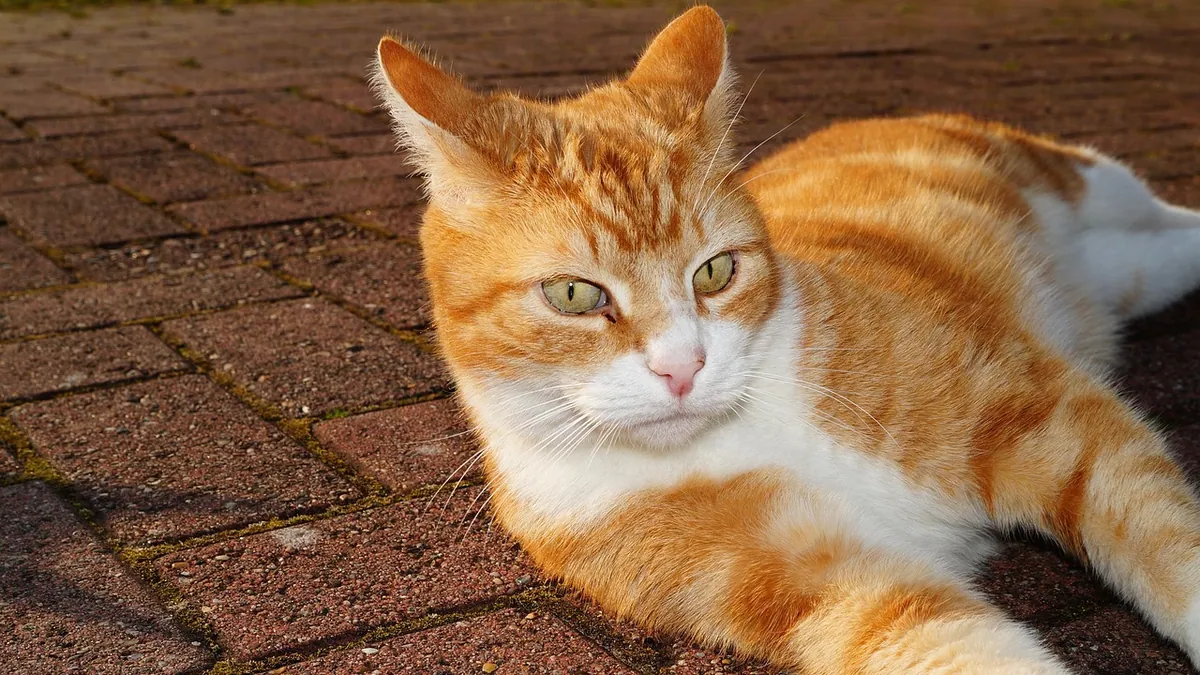
Cats handle heat less efficiently than dogs in some ways and better in others. They rely mostly on grooming, shade, and cool surfaces, and they sweat only through their paw pads. Because cats hide discomfort well, heat stress can build before you notice it. This article is educational and is not a substitute for veterinary diagnosis or treatment.
Quick Answer
- Cats release most heat by grooming saliva onto their coat and letting it evaporate, plus a small amount of sweating through the paw pads.
- A cat that is mildly warm may stretch out, seek tile or shade, and groom more than usual. That is normal.
- Open-mouth panting in a cat is not normal the way it is in a dog. It can be an early warning sign of heat stress.
- Move your cat to an air-conditioned or fan-cooled room, offer cool water, and wet the paws and belly with room-temperature water if you suspect overheating.
- Know the signs of heat stroke, which can become life-threatening very quickly, and call a veterinarian right away if you see them [1].
How Do Cats Handle Heat?
Cats are built for short bursts of activity and long naps in warm spots, but they are not built to shed heat quickly. Their normal body temperature runs higher than a human's, so a warm room that feels fine to you may already be pushing your cat. When the temperature rises, a cat's first move is behavioral. It finds shade, stretches out on a cool floor, or flattens itself against tile and concrete.
How Do Cats Release Heat?
Cats have a few cooling tools, and none of them are very powerful.
Grooming is the main one. When a cat licks its coat, saliva spreads across the fur. As that moisture evaporates, it pulls heat away from the skin. This is why a hot cat may groom far more than usual. The trade-off is that heavy grooming can also mean hairballs and a damp, matted coat.
Sweating is limited. Cats have sweat glands mainly in their paw pads, so they leave small wet prints when they are hot. That is not enough surface area to cool a whole body.
Panting is a last resort. Dogs pant as their primary cooling method. Cats usually do not. When a cat pants, it is often already struggling to control its temperature.
How Do Cats Deal With Heat in Daily Life?
Most healthy adult cats manage ordinary summer heat by changing where and when they move. They may sleep through the hottest hours, choose the bathroom floor, or sprawl in front of a fan. Indoor cats in air conditioning usually do fine. Outdoor and community cats are at much higher risk because they cannot always escape direct sun or find water.
What Normal Heat Coping Looks Like
A cat that is warm but not in danger often shows a few predictable signs:
- Lying stretched out on a hard, cool surface
- Grooming more than usual
- Seeking shade, a basement, or an air-conditioned room
- Drinking more water than usual
- Slower play and longer naps during the hottest part of the day
These are normal responses. The cat is still alert, still responds to you, and still eats and drinks. If your cat is doing these things on a hot day, it is coping.
Main Causes of Heat Problems in Cats
Heat problems in cats usually come from a combination of high temperature, poor airflow, and no way to escape. Some cats are far more vulnerable than others.
| Cause | Typical clues | How urgent |
|---|---|---|
| Hot indoor room with no air conditioning | Cat sprawls, grooms heavily, seeks tile, may pant | Same-day action, cool the room |
| Car or carrier left in the sun | Rapid panting, drooling, weakness, collapse | Emergency now |
| Trapped in a hot enclosed space, such as a dryer | Severe hyperthermia, shock, bleeding, seizures | Emergency now [2] |
| Obesity, flat-faced breeds, heart or airway disease | Panting with mild activity, fast breathing at rest | Call your vet the same day |
| Very young, very old, or chronically ill cat in heat | Lethargy, poor appetite, hiding | Call your vet the same day |
| Outdoor cat with no shade or water | Restlessness, heavy panting, seeking shelter | Emergency if panting continues |
One reported case involved a cat trapped in an operating clothes dryer for about 20 minutes. The cat arrived with a body temperature of 43.0 °C, circulatory shock, oral bleeding, and seizures. Aggressive cooling and resuscitation saved the cat, and it recovered fully by a recheck on day 11 [2]. That case shows how fast a household heat trap can become deadly.
Red Flags That Make It an Emergency
Call an emergency veterinary hospital immediately if your cat shows any of these:
- Open-mouth breathing or panting that does not stop when the cat rests in a cool place
- Body temperature that is very high, or a cat that feels hot to the touch and is not acting normally
- Drooling, foaming at the mouth, or vomiting
- Weakness, wobbling, or collapsing
- Confusion, staring, or seizures
- Bright red gums, or gums that look pale or gray
- Bleeding from the mouth
- Little or no urine, or no interest in water
Heat stroke in cats can become life-threatening very quickly [1]. Do not wait to see if your cat improves on its own. If you are unsure whether your cat is in danger, call your veterinarian or an emergency clinic and describe what you see.
If your cat is panting and you are not sure whether it is heat related, other problems can look similar. Heart disease and airway disease can both cause panting and weakness in cats, and these need a veterinarian to sort out [3].
Safe Things You Can Do at Home While Waiting
If your cat is hot but still alert and breathing normally, these steps can help while you arrange care.
Cool the room first
Move your cat into an air-conditioned area if you have one. If not, use fans and open windows to get air moving. Keep cats indoors in air-conditioned areas when extreme heat is forecast [1].
Offer cool water
Fresh, cool water in a wide bowl encourages drinking. Some cats drink more from a running fountain. Do not force water into your cat's mouth.
Use cooling mats and cool packs
Cooling mats made for pets are widely available, and you can also make a cool spot by wrapping ice packs in blankets so the cat can lie against them without direct contact [1]. Never place a cat directly on bare ice or a frozen pack.
Wet the paws and belly
Room-temperature water on the paw pads, belly, and inner thighs helps evaporation. Avoid ice-cold water, which can cause shivering and actually raise the core temperature.
Do not do these things
- Do not leave your cat alone in a car, even with windows cracked.
- Do not put your cat in a cold bath without veterinary guidance.
- Do not give human fever medications. Many are toxic to cats.
- Do not assume a cat that stops panting is fine. Watch for lethargy and poor appetite next.
If your cat is showing signs of heat stroke, cooling at home is a bridge to veterinary care, not a replacement for it. For step-by-step emergency cooling, see Cat Heatstroke: Emergency Cooling Steps and When to Rush to the Vet.
What the Veterinarian Will Check and Test
When you bring in a cat with suspected heat stress, your veterinarian will start with a full physical exam. They will check the cat's temperature, heart rate, breathing, gum color, and hydration. They will also ask about how long the cat was exposed to heat and what the environment was like.
Testing often includes blood work to look at organ function, electrolytes, and blood sugar. A veterinarian may also check for clotting problems, since heat stroke can affect the blood's ability to clot. In the reported dryer case, the cat had severe hyperthermia, shock, oral bleeding, and seizures, and it needed intensive care with active cooling and fluid support [2]. Most heat cases are far less severe, but the same principle applies. Early cooling and early treatment make a difference.
Your veterinarian will also look for other reasons your cat might be panting. Heart disease, airway disease, pain, and anxiety can all cause similar signs. In one reported case, a cat was referred for vomiting, panting, and weakness, and evaluation found hypertrophic cardiomyopathy along with an abnormal heart rhythm [3]. That is a reminder that panting is a symptom, not a diagnosis.
If you need to check your cat's temperature at home before a visit, learn the safe method here: How to Safely Check Your Cat's Temperature at Home: What's Normal and What's Not.
How to Prevent Heat Problems
Prevention is mostly about control of the environment. You cannot change the weather, but you can change what your cat has access to.
Indoor cats
- Keep the air conditioning on during heat waves, even when you are out.
- Close blinds and curtains on sun-facing windows.
- Provide multiple water bowls and refresh them daily.
- Offer a cooling mat or a shaded, tiled area.
- Never leave a cat in a car, garage, shed, or sunroom.
Outdoor and community cats
- Provide shade and fresh water at all times.
- Offer a shelter with airflow, not a closed box that traps heat.
- Watch for panting, drooling, or a cat that stops moving to shade.
Cats at higher risk
Some cats need closer watching. Flat-faced breeds, overweight cats, senior cats, and cats with heart or lung disease lose heat less efficiently. If your cat falls into one of these groups, keep the room cooler and check on your cat more often.
Watch for other heat-related confusion
Owners sometimes mix up heat behavior with other conditions. A cat that is restless, vocal, and roaming may be in heat, which is a reproductive cycle, not a temperature problem. If that sounds like your cat, see How Often Do Cats Go Into Heat? Feline Estrous Cycle & Signs Guide. Skin irritation from heat, moisture, or allergies can also look like a hot spot, which is covered in Cat Hot Spot or Something Else? How to Tell and What to Do.
Limitations and When to Contact a Veterinarian
This article covers general heat safety. It cannot tell you what is happening with your individual cat. Every cat needs a veterinarian who can examine it, take its temperature, and run tests if needed.
Call your veterinarian the same day if your cat:
- Is panting more than usual but still alert
- Is lethargic, hiding, or not eating
- Has a mild fever or feels warm to the touch
- Has a known heart or airway condition and is breathing faster
Go to an emergency clinic now if your cat:
- Is panting and cannot stop
- Is drooling, vomiting, or bleeding from the mouth
- Is weak, wobbly, or collapsed
- Has a seizure or seems confused
- Has gums that are bright red, pale, or gray
If you are not sure which category your cat falls into, call and ask. It is always better to check.
Frequently Asked Questions
Do cats pant when they are hot?
Yes, but panting in a cat is not normal the way it is in a dog. A cat that pants briefly after hard play or a stressful car ride may settle quickly in a cool room. A cat that keeps panting at rest needs veterinary attention.
Can cats sweat?
Cats sweat mainly through their paw pads, which is a small amount of surface area. Their main cooling method is grooming saliva onto the coat and letting it evaporate. This is why a hot cat may groom much more than usual.
Is it safe to give my cat a cold bath?
No, do not put a cat in a cold bath on your own. Ice-cold water can cause shivering, which raises the core temperature, and it can shock a cat that is already stressed. Use room-temperature water on the paws and belly, then get veterinary guidance.
How long can a cat be in a hot car?
There is no safe amount of time. A parked car can reach dangerous temperatures within minutes, even with windows cracked and even on a mild day. Leave your cat at home in a cool room instead.
Can a cat recover from heat stroke?
Yes, with fast treatment. One cat with severe heat stroke after being trapped in a dryer recovered fully by a recheck on day 11 after intensive cooling and supportive care [2]. Survival depends on how high the temperature got, how long it lasted, and how quickly treatment started.
Related Articles
- Cat Heatstroke: Emergency Cooling Steps and When to Rush to the Vet
- How Often Do Cats Go Into Heat? Feline Estrous Cycle & Signs Guide
- How to Safely Check Your Cat's Temperature at Home: What's Normal and What's Not
- Cat Hot Spot or Something Else? How to Tell and What to Do
- Cold Weather Safety for Dogs and Cats
- How to Treat a Cat's Hot Spot at Home: Safe Steps and When to See a Vet
- How Do Cats Cool Down? Keeping Cats Safe in Hot Weather
- Are Cats OK in the Heat? Heat Safety for Cats
- Do Cats Sweat? How Cats Cool Down in Heat
References
- Feline Heat Safety. Cornell University College of Veterinary Medicine.
- Successful Intensive Management and Serial Clinical Progression of Severe Non-Exertional Heatstroke in a Cat Following Clothes Dryer Entrapment. Veterinary sciences, 2026.
- Pre-excitation alternans in a cat. Journal of veterinary cardiology : the official journal of the European Society of Veterinary Cardiology, 2025.