My Parrot Is Bleeding: First Aid and When to Call the Vet
By Dr. Zubair Khalid, DVM, MS, PhD ·
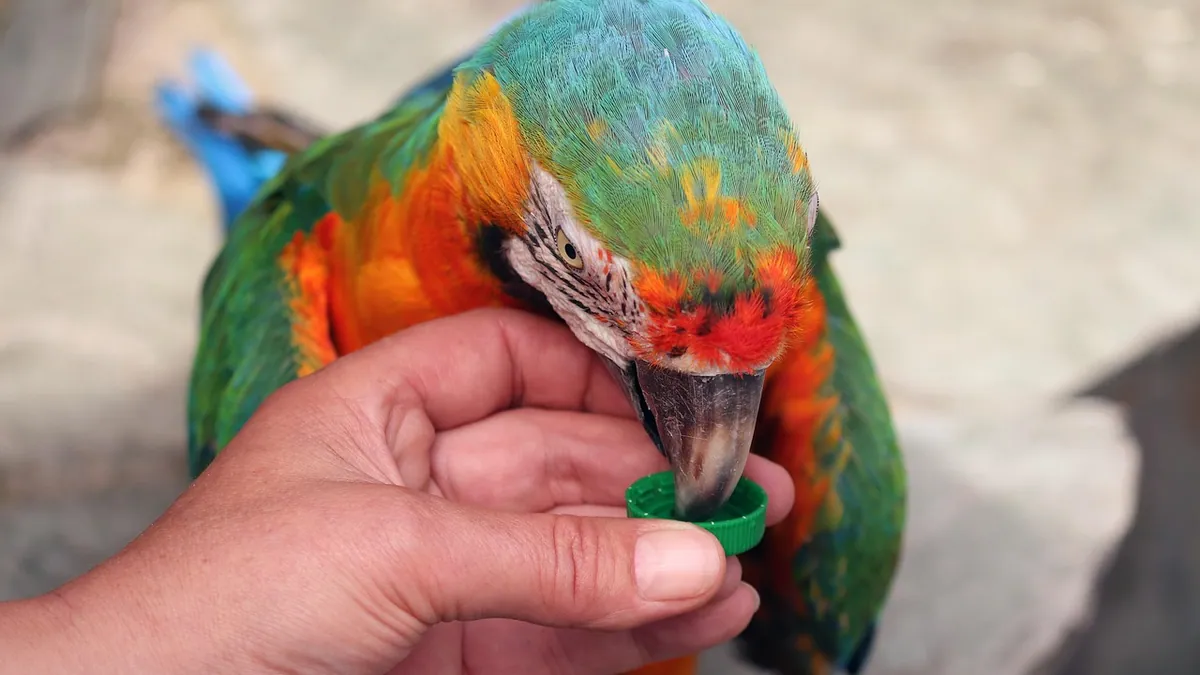
If your parrot is bleeding, what should you do first? Stay calm, wrap the bird gently in a towel, and press a clean cloth or gauze over the bleeding spot for several minutes without lifting it to peek. Most small nail bleeds stop with steady pressure, but beak and skin wounds need a veterinarian quickly because birds hide blood loss poorly.
This article is educational and is not a substitute for veterinary diagnosis or treatment.
Quick Answer
- Apply direct pressure with clean gauze or a cloth for 5 to 10 minutes and do not keep checking the wound.
- Keep your bird warm, quiet, and in a dimly lit carrier to reduce stress and movement.
- A bleeding nail often stops with pressure and a styptic product made for birds, but a torn or partially avulsed nail needs a vet.
- Any bleeding from the beak, mouth, vent, or a wound on the body is an emergency, call an avian vet right away.
- Birds have a small blood volume, so bleeding that seems minor to you can become serious fast.
What Bleeding Looks Like in a Parrot and What Is Normal
Parrots do not bleed on a schedule, and any visible blood deserves attention. Normal, non-bloody findings include a slightly pink or clear fluid from a fresh nail trim, a small amount of dried brown material at the tip of a broken feather, and minor redness at the edge of a healing scrape. Those are not the same as active bleeding.
Active bleeding means you see fresh red blood that keeps welling up, drips, or stains the beak, feathers, perch, or cage paper. Blood in the droppings or around the vent is a different problem and needs its own evaluation. Blood from the mouth or nostrils after a fall or collision points to internal or head trauma.
Birds are prey animals. They often act normal until blood loss is significant, then crash quickly. That is why a parrot that is "acting fine" but has a bleeding wound still needs prompt care.
Main Causes of Bleeding in Pet Birds
Bleeding in parrots usually comes from one of a few sources. Knowing the likely cause helps you decide how fast to act.
Nail Bleeds
Overgrown or sharp nails catch on toys, cage bars, fabric, or carpet. A nail can crack, split, or tear off at the base. The quick (the blood supply inside the nail) bleeds freely when cut too short. This is the most common and usually the most manageable type of bleeding.
Beak and Head Trauma
Beak injuries happen from falls, collisions with windows or mirrors, cage fights, and bites from other pets. A study of a blue-and-yellow macaw with head trauma described fractures of the pterygoid and jugal bones and displacement of the quadrate bone, with the bird showing lower beak deviation and trouble grasping food and closing the beak [1]. Beak bleeding can also come from a cracked or fractured beak, and the underlying bone may be involved.
Skin and Soft Tissue Wounds
Cuts, bites, and punctures from other animals, sharp toys, or cage hardware can bleed. Subcutaneous hemorrhage (bleeding under the skin) has been reported in young psittacine birds, appearing over the crop and across the back in a nursery outbreak tied to a viral disease [2]. Generalized hemorrhage has also been documented in a non-psittacine cage bird with avian polyomavirus infection [3]. These are examples of bleeding that reflects internal disease, not a simple surface wound.
Bleeding Related to Internal Disease
Some bleeding is a sign of illness instead of injury. Avian polyomavirus is described as one of the most significant pathogens of domestically raised psittacine birds, and infected birds can show hemorrhage along with liver and spleen damage [3]. A separate nursery outbreak of papova-like virus disease in young psittacines found subcutaneous hemorrhage and liver necrosis on necropsy [2]. If your bird bleeds without any injury, or bleeds from more than one site, think internal cause and call the vet.
Masses and Growths
Occasionally a lump on the head or a joint turns out to be a blood-filled bone cyst. Two psittacine cases (an umbrella cockatoo and cockatiels) had rapidly enlarging masses after known trauma, and surgery confirmed aneurysmal bone cysts with a good prognosis after complete removal [4]. A bleeding or growing lump is a vet problem, not a wait-and-see problem.
| Cause | Typical clues | How urgent |
|---|---|---|
| Broken or cut nail | Blood at the nail tip, bird favors the foot | Usually home care, vet if it will not stop |
| Beak trauma | Cracked beak, drooling, trouble eating, beak deviation | Emergency, same day at minimum |
| Skin wound or bite | Open cut, puncture, blood on feathers | Emergency if deep, gaping, or from a bite |
| Internal disease | Bleeding with no injury, bleeding from several spots, lethargy | Emergency |
| Bleeding mass or lump | Growing lump on head, wing, or joint that bleeds | Urgent, needs imaging and possible surgery |
Red Flags That Make It an Emergency
Call an avian veterinarian immediately if you see any of these:
- Bleeding that does not slow after 5 to 10 minutes of steady pressure.
- Blood from the beak, nostrils, or mouth.
- A wound that goes through the skin, especially a bite or puncture.
- A broken or cracked beak, or a beak that no longer lines up.
- Blood in the droppings or bleeding around the vent.
- Bleeding from more than one place, or bleeding with no clear injury.
- Your bird is fluffed, quiet, wobbly, breathing hard, or sitting on the cage floor.
- The bird is small (budgie, cockatiel, lovebird) since even a small amount of blood loss matters more.
If you are unsure whether it is an emergency, call the clinic and describe what you see. For general bird emergencies, our guide on Bird Emergency First Aid walks through the basics.
Safe Things You Can Do at Home While Waiting
Your job is to control bleeding, reduce stress, and get to the vet. Do not try to be a surgeon.
Control the Bleeding
- Wrap your bird gently in a towel with the wings tucked. Cover the head lightly to reduce visual stress.
- Press clean gauze or a clean cloth firmly over the bleeding spot. Hold steady pressure for 5 to 10 minutes. Do not lift the cloth to check, since that restarts the clot.
- If blood soaks through, add more gauze on top instead of removing the first layer.
- For a bleeding nail, you can use a styptic powder or gel made for birds if you have it. If you do not, keep pressure on. Do not use human products not labeled for birds without asking your vet.
- Once bleeding slows, keep the bird quiet and do not let it climb or flap.
Keep the Bird Warm and Calm
Birds lose body heat fast when stressed or injured. Place the wrapped bird in a small carrier or box with a towel, keep the room quiet and dim, and avoid handling more than needed. Do not offer food or water if the bird is weak, vomiting, or having trouble swallowing, since it could choke.
Do Not Do These Things
- Do not use human antibiotic ointments, hydrogen peroxide, alcohol, or petroleum jelly on a bird without veterinary guidance.
- Do not pull out a broken blood feather unless you have been trained. Pulling can cause more bleeding.
- Do not give any medication by mouth unless your vet tells you to. Your veterinarian calculates the dose from your bird's weight and health.
- Do not wait to see if it stops on its own if the bleeding is from the beak, mouth, or a deep wound.
If you also care for dogs or cats, the same pressure-first approach applies to a torn nail, and our article on a Dog Broken Nail: How to Stop Bleeding and When to Call the Vet covers that in detail.
What the Veterinarian Will Check and Test
When you arrive, the vet will first stabilize your bird. That may mean oxygen, warmth, and stopping the bleeding. Then comes a full exam.
Physical Examination
The vet will check the nail, beak, mouth, skin, and feathers. They will look for hidden wounds under the wings, around the vent, and on the feet. They will also assess your bird's body condition, breathing, and mentation (how alert and responsive it is).
Imaging
X-rays are common after trauma. In the macaw case, X-rays showed an incomplete fracture of the right pterygoid bone, two fracture sites on the right jugal arch, and displacement of the right quadrate bone, and CT confirmed those findings and revealed more trauma [1]. Imaging helps the vet see fractures, luxations, and internal problems that are not visible on the surface.
Blood Work
Blood tests can reveal anemia from blood loss, infection, organ problems, or evidence of viral disease. If internal bleeding is suspected, the vet may look for signs of liver or spleen involvement, which have been described with polyomavirus infection in parrots [3].
Sampling and Biopsy
If there is a lump or mass, the vet may aspirate fluid or remove tissue for testing. In the bone cyst cases, fluid from the masses looked like blood-tinged fluid without signs of inflammation, neoplasia, or microorganisms, and diagnosis required surgical excision and histopathology [4]. That means some bleeding-related lumps cannot be diagnosed with a simple office test.
Treatment
Treatment depends on the cause. It may include pressure bandaging, wound cleaning and closure, nail care, beak stabilization, fluids, antibiotics, pain medication, or surgery. Postoperative bandaging and appropriate antibiotic use are part of care after surgical removal of some masses [4]. Your vet will decide what your bird needs based on the exam and test results.
Prevention and Monitoring
A little prevention goes a long way.
- Trim nails on a schedule. Ask your vet or a groomer experienced with birds to show you how to avoid the quick.
- Check toys, perches, and cage hardware for sharp edges, loose wire, and snag points.
- Supervise time out of the cage, especially around windows, mirrors, ceiling fans, other pets, and hot surfaces.
- Keep other pets out of the room when your bird is loose. Bites from cats and dogs are deep and infected easily.
- Weigh your bird weekly on a small kitchen scale. A drop in weight can be an early sign of illness.
- Watch for lumps, swelling, or changes in the beak or feet. Growing masses after trauma have been reported in psittacines and need evaluation [4].
- Know your avian vet's phone number and after-hours emergency options before you need them.
If your bird has a bleeding disorder or a chronic illness, your vet may recommend more frequent checkups. Follow that plan.
Limitations and When to Contact a Veterinarian
This article gives general first aid steps, not a diagnosis. Individual cases need a veterinarian who can examine your bird.
Call the vet the same day for a nail that keeps oozing, a small skin wound, or a bird that seems slightly off after a minor injury.
Go to an emergency clinic now for bleeding from the beak, mouth, or vent, bleeding that will not stop after 5 to 10 minutes of pressure, a deep or gaping wound, a broken beak, a bite from another animal, or a bird that is fluffed, weak, wobbly, or breathing hard.
If you are ever unsure, call. It is always better to have your bird checked than to wait.
Frequently Asked Questions
How do I stop a parrot's nail from bleeding?
Apply steady pressure with clean gauze for 5 to 10 minutes without lifting to check. A styptic product made for birds can help if you have one. If bleeding continues past that or the nail is torn at the base, call your vet.
Can a parrot bleed to death from a broken nail?
Yes, it is possible, especially in small species. Birds have a small total blood volume, so what looks like a minor bleed can become dangerous. If pressure does not slow the bleeding, treat it as an emergency.
Should I pull out a bleeding blood feather?
Only if you have been trained to do it correctly. Pulling a blood feather the wrong way can cause more bleeding and pain. Keep pressure on and call your vet for guidance.
What if my parrot is bleeding from the beak?
Treat it as an emergency and go to an avian vet now. Beak bleeding often means trauma to the beak or the bones underneath, and the bird may need imaging and stabilization. Do not try to splint or glue the beak at home.
Is bleeding ever a sign of illness instead of injury?
Yes. Some viral diseases in parrots cause hemorrhage along with liver and spleen damage, and birds can bleed without any wound. If your bird bleeds from multiple sites or has no injury, call your vet right away.
Related Articles
- Bird Emergency First Aid
- My Parrot Is Vomiting or Sick: What to Do Right Now
- Why Is My Parrot's Poop Watery? What Droppings Tell You
- Why Is My Parrot Regurgitating? Normal or a Warning Sign
- Avian Chlamydiosis (Psittacosis) in Pet Birds: Diagnostic Challenges and Molecular Detection
References
- Successful conservative management of multiple skull fracture and quadrate-mandibular medial luxation in a blue-and-yellow macaw (Ara ararauna). BMC veterinary research, 2025.
- Epornitic of papova-like virus-associated disease in a psittacine nursery. Journal of the American Veterinary Medical Association, 1984.
- Avian polyomavirus infection and disease in a green aracaris (Pteroglossus viridis). Avian diseases, 1999.
- Trauma-induced aneurysmal bone cysts in two psittacine species (Cacatua alba and Nymphicus hollandicus). Journal of zoo and wildlife medicine : official publication of the American Association of Zoo Veterinarians, 2004.