Bird Emergency First Aid
By Dr. Zubair Khalid, DVM, MS, PhD ·
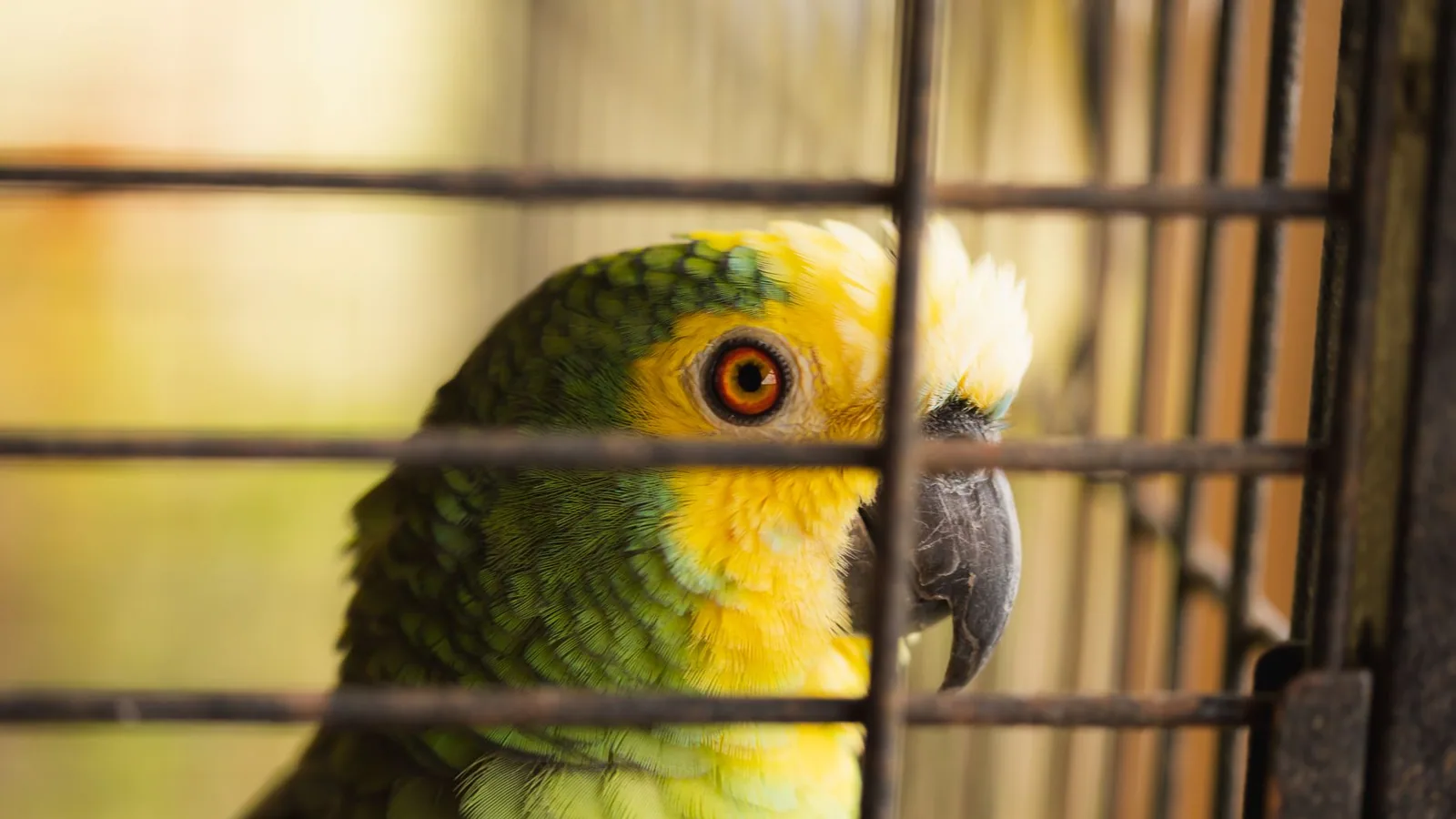
Emergencies in pet birds can be sudden and frightening. Unlike cats or dogs, birds have a uniquely fragile physiology that can deteriorate rapidly when stressed or injured. Knowing how to administer immediate, safe first aid while arranging veterinary transport can make the difference between life and death. This article provides a clinically grounded, step by step guide to bird emergency first aid, drawing on guidelines from the Association of Avian Veterinarians (AAV), the Merck Veterinary Manual, VCA Animal Hospitals, and Lafeber Company.
Key Takeaways
- Birds are prey species that instinctively mask symptoms of illness; any visible sign of distress (sitting fluffed on cage bottom, closed eyes, tail bobbing) is a critical veterinary emergency.
- The foundation of avian first aid is the Heat, Hydration, and Quiet protocol: place the bird in a darkened, warm 'hospital box' maintained at 85°F–90°F (29°C–32°C) with high humidity.
- Bleeding emergencies: for bleeding broken blood feathers, grasp the base of the feather shaft close to the skin with tweezers or hemostats and pull firmly and smoothly in the direction of growth, then apply styptic powder or cornstarch with pressure.
- Airborne respiratory toxins: if exposed to non-stick Teflon fumes, aerosols, or smoke, immediately move the bird into fresh, ventilated outdoor air and administer oxygen therapy at a veterinary hospital.
- Never attempt home oral medication administration or force-feeding to a weak, recumbent bird, as the high risk of tracheal aspiration is rapidly fatal.
Quick Q&A
Question: What should I do if my bird is bleeding?
Answer: Apply direct pressure with a clean gauze pad or a cotton swab. For a broken blood feather, grasp the base of the shaft with tweezers and pull firmly in the direction of growth. Use styptic powder or cornstarch to help clot the blood, but avoid using on wounds near the eyes, nostrils, or mouth. If bleeding continues longer than 2 minutes, seek immediate veterinary attention.
Understanding Bird Anatomy and Physiology
Birds have a high metabolic rate, a four chambered heart, and an efficient respiratory system that includes air sacs. This makes them extremely sensitive to blood loss, hypoxia, and stress. A bird can lose only a few milliliters of blood before going into shock. Additionally, their lightweight skeleton is fragile; fractures occur easily with even minor trauma. The AAV emphasizes that owners should always handle an injured bird as minimally and gently as possible to prevent exacerbating underlying injuries.
Key physiologic points for first aid:
- Rapid fluid loss: Dehydration can set in within hours.
- Air sac respiration: Obstruction or compression of the trachea or air sacs can cause rapid respiratory distress.
- Shock prone: Birds hide illness until near collapse; first aid must prioritize warmth and calm.
Essential First Aid Kit for Birds
Every bird owner should assemble a dedicated avian first aid kit. According to VCA Animal Hospitals, the following items are critical:
- Sterile gauze pads and non stick bandages
- Medical tape (avoid adhesive on feathers)
- Styptic powder or cornstarch (for clotting)
- Soft cloth or towel for restraint and warmth
- Small, clean tweezers or hemostats
- Pedialyte or unflavored electrolyte solution
- A heating pad (low setting) or hot water bottle
- A well ventilated transport carrier (small cage or cardboard box with air holes)
- Cotton swabs and saline solution for wound cleaning
- Scissors with blunt tips
- Flashlight (to examine mouth, eyes, and skin)
Store the kit in a cool, dry place and check expiration dates every six months.
Emergency Scenarios
Bleeding (Hemorrhage)
Bleeding in birds is a common emergency, often resulting from broken blood feathers, nail trimming accidents, or wounds from other animals. The Merck Veterinary Manual advises that external hemorrhage should be controlled immediately.
Steps to control bleeding:
- Remain calm and gently restrain the bird in a soft towel (avoid squeezing the chest).
- Locate the source of bleeding. For a broken blood feather (the feather shaft is dark because it contains blood), the only effective treatment is to remove the feather. Grasp the base of the shaft firmly with tweezers and pull in the direction of feather growth. If the feather is a primary flight feather, it may require a quick, steady pull. Apply pressure after removal until bleeding stops.
- For skin wounds, apply a sterile gauze pad with direct pressure. If bleeding does not slow within 2 minutes, apply a small amount of styptic powder or cornstarch to the gauze. Do not use caustic agents like silver nitrate on birds without veterinary guidance.
- Monitor for signs of shock: weakness, pale mucous membranes (the oral cavity), or fluffed feathers.
- Transport to an avian veterinarian even if bleeding stops, as birds can develop secondary infection or anaemia.
Note: Avoid using tourniquets on birds; they can cause severe tissue damage due to small vessel size. The Association of Avian Veterinarians (AAV) recommends against tourniquet use in avian patients.
Breathing Difficulties (Dyspnea)
A bird with respiratory distress shows tail bobbing, open mouth breathing, wheezing, or a change in voice. Causes include airway obstruction, air sacculitis, inhaled foreign material, or environmental toxins (e.g., Teflon fumes, cigarette smoke, aerosol sprays).
Immediate steps:
- Remove the bird from the environment that may contain fumes or smoke.
- Place the bird in a quiet, dark area to reduce stress. Cover the carrier partially with a towel, leaving ventilation holes.
- Provide oxygen if available: a simple oxygen concentrator or even a clean plastic bag with a small opening placed over the carrier (ensuring air exchange) can help. Do not use pure oxygen without veterinary supervision for extended periods.
- Do NOT attempt to force water or medications down the bird’s throat.
- Seek emergency veterinary care immediately. The VCA Animal Hospitals stress that respiratory distress is a life threatening condition.
If you suspect an inhaled foreign body (e.g., seed hull or toy piece), do not try to remove it yourself unless you can see it and safely grasp it with tweezers. Improper attempts can push the object deeper.
Trauma (Fractures, Wounds, Head Injury)
Birds can sustain trauma from window collisions, falls, attacks by other pets, or mishandling. Trauma often involves fractures, soft tissue wounds, or head injuries. The AVA (Australian Veterinary Association) guidelines recommend immobilizing the bird and seeking immediate care.
First aid for trauma:
- Fractures: A cracked wing or leg should be immobilized with a soft, padded bandage. Use a non stick gauze and wrap loosely to avoid cutting off circulation. Never attempt to set the bone yourself.
- Wounds: Clean visible wounds with sterile saline or diluted chlorhexidine. Apply a small amount of antibiotic ointment (avoid those with painkillers like lidocaine, which are toxic to birds). Cover with gauze.
- Head trauma: If a bird is stunned or has lost consciousness, place it in a dark, quiet carrier. Keep the head slightly elevated. Do not give fluids unless directed by a vet. Monitor for seizures or abnormal posture.
- Shock management: Keep the bird warm (see next section). Cover the carrier with a light towel to reduce visual stimulation.
Hypothermia and Chills (Warmth)
Birds lose body heat quickly when injured, especially if they are bleeding or in shock. Maintaining warmth is a cornerstone of avian first aid. The Lafeber Company notes that a chilled bird may appear fluffed, lethargic, and tremble.
How to provide safe warmth:
- Use an external heat source: a heating pad set to low placed under only half the carrier (so the bird can move away if too hot). Alternatively, wrap a hot water bottle in a towel.
- Ideal temperature: 85 90°F (29 32°C) for most small birds. Monitor with a thermometer.
- Avoid direct contact with heat sources to prevent burns. Birds have thin skin on their feet and abdomen.
- Never use heat lamps that emit bright light; they can cause stress and dehydration. Use a ceramic heat emitter if necessary.
If the bird appears to be overheating (panting, wings drooping), remove the heat source immediately.
Toxic Exposure
Birds are extremely sensitive to inhaled toxins (e.g., nonstick cookware fumes, scented candles, cleaning chemicals, cigarette smoke). If you suspect poisoning:
- Immediately move the bird to fresh air.
- Do not induce vomiting in birds; it is ineffective and dangerous.
- Contact a veterinary toxicology hotline (e.g., ASPCA Animal Poison Control in the US, or your local poison centre).
- Bring any suspected toxins (packaging, plant leaf, etc.) to the vet.
For ingested toxins (e.g., heavy metals like zinc or lead from cage accessories, or toxic plants), the bird may show vomiting, diarrhoea (or diarrhea), or depression. Do not give food or water unless directed.
Transport to the Veterinary Clinic
Safe transport is critical. The stress of a car ride can worsen a bird's condition. According to the AAV, transport should be done in a secure, well ventilated container:
- Use a small carrier, a cardboard box with air holes, or a plastic crate. Avoid leaving the bird loose in the car.
- Line the bottom with paper towels for absorption and to reduce sliding.
- Keep the carrier covered with a cloth to reduce visual stimulation, but ensure ventilation.
- Maintain warmth as described above.
- If possible, have someone else drive so you can monitor the bird.
- Do not offer food or water during transport unless specifically advised by your veterinarian.
When to Seek Immediate Veterinary Care
Any of the following signs warrant emergency veterinary evaluation:
- Continuous or uncontrollable bleeding
- Open mouth breathing, tail bobbing, or cyanosis (blue mucous membranes)
- Suspected fracture or obvious deformity
- Head tilt, seizures, or loss of consciousness
- Inability to perch or stand
- Vomiting or regurgitation (with blood or repeatedly)
- Exposure to known toxins
- Any wound deeper than the surface layer
The CVMA (Canadian Veterinary Medical Association) advises that birds showing even mild signs of illness (e.g., fluffing, decreased appetite) can deteriorate quickly, so early intervention is key.
Conclusion
Bird emergency first aid is an essential skill for any pet bird owner. By understanding avian physiology, assembling a proper first aid kit, and knowing how to respond to bleeding, breathing difficulties, trauma, hypothermia, and toxic exposures, you can stabilize your bird in the critical minutes before reaching an avian veterinarian. Always remember: first aid is not a substitute for professional care. The AAV, Merck Veterinary Manual, VCA Animal Hospitals, and Lafeber Company all agree that prompt, gentle intervention paired with rapid transport offers the best outcome for the injured bird. Stay calm, act deliberately, and prioritize safety for both you and your bird.
Related Articles
Related Clinical & Scientific Guides
References
Association of Avian Veterinarians (AAV). "Emergency and Critical Care for Pet Birds." aav.org. Merck Veterinary Manual. "Emergency Medicine and Critical Care for Pet Birds." merckvetmanual.com. VCA Animal Hospitals. "First Aid for Birds." vcahospitals.com. Lafeber Company. "Avian First Aid: What Every Bird Owner Should Know." lafeber.com. American Veterinary Medical Association (AVMA). "Avian Emergency Preparedness." avma.org. Canadian Veterinary Medical Association (CVMA). "Pet Bird Care and Emergency Guidelines." canadianveterinarians.net. Australian Veterinary Association (AVA). "Avian Welfare and First Aid." ava.com.au.