Why Is My Parrot's Poop Watery? What Droppings Tell You
By Dr. Zubair Khalid, DVM, MS, PhD ·
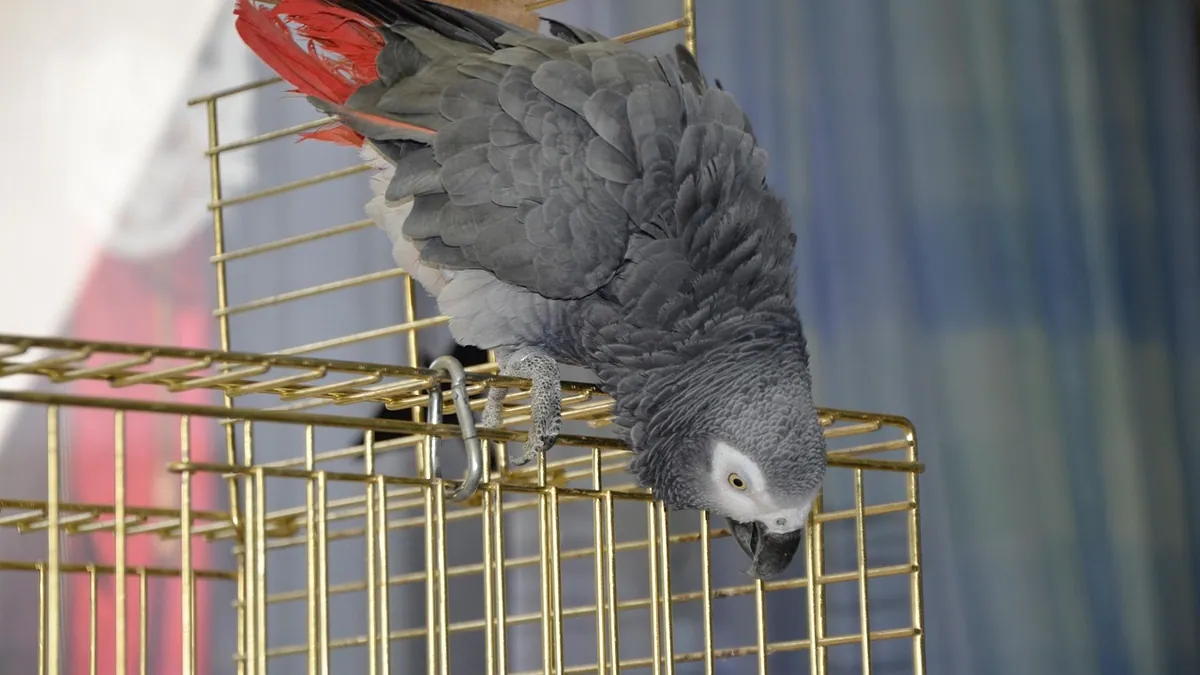
If your parrot has watery poop, the first thing to understand is that birds do not urinate the way mammals do. A normal dropping has three parts, and a clear liquid ring around the stool is often just urine, not diarrhea. Real diarrhea means the solid part of the dropping has lost its shape, and that is the change worth paying attention to.
This article is educational and is not a substitute for veterinary diagnosis or treatment.
Quick Answer
- A normal dropping has three parts: a coiled solid stool, a white chalky cap (urates), and a small amount of clear liquid urine. Extra clear liquid alone is usually not diarrhea.
- True diarrhea means the fecal portion is unformed, mushy, or liquid. That is the pattern that points to a gut problem.
- Common causes of watery droppings include diet changes, eating fruit or vegetables with high water content, stress, and infections such as avian gastric yeast, candidiasis, and cryptosporidiosis [1][2].
- A parrot that eats its own poop is usually just foraging on the cage floor, but it can also mean the bird is not absorbing nutrients well, so watch weight and appetite.
- Call your veterinarian the same day if droppings are bloody, black, bright green and foul, or if the bird is fluffed, weak, or not eating.
What Watery Droppings Look Like and What Counts as Normal
Bird droppings are a package deal. The solid part is feces from the intestines. The white part is urates, which are the bird's version of concentrated urine salts. The clear part is urine. All three come out through the same opening, called the cloaca.
So when you see a wet spot under the perch, ask yourself which part changed. A larger clear puddle with a normal-looking solid stool usually means the bird drank more water, ate something wet, or is a little stressed. A dropping where the solid part is loose, greenish-brown mush with no coil shape is diarrhea.
Normal droppings vary a lot by species and diet. A cockatiel on seed and pellets will look different from a macaw eating a fresh chop mix. What matters most is the pattern for your bird. Take a photo of normal droppings when your bird is well. That photo becomes your baseline.
Also check the frequency. A bird that suddenly produces many wet droppings in an hour is different from a bird with one wet dropping after a bath or a grape.
Main Causes of Watery Droppings in Parrots
Diet and Water Intake
This is the most common and least scary cause. Fruit, vegetables, soaked pellets, and warm weather all add water to the droppings. A sudden switch from dry seed to fresh food can loosen stool for a day or two. If your bird is bright, eating, and acting normal, diet is a reasonable first suspect.
Stress matters too. Moving, a new cage, a new person, or a car ride can change droppings. Stress hormones can be measured in parrot droppings, which confirms that droppings reflect how a bird feels [3].
Infections and Gut Disease
When diarrhea comes with weight loss, a fluffed posture, or a drop in appetite, infection moves up the list.
Macrorhabdosis, also called avian gastric yeast, is a well-known cause of diarrhea in pet birds. Droppings may contain undigested seeds or pellets, and birds often lose weight slowly and regurgitate [1]. This yeast spreads from bird to bird in close contact, and birds with weak immune systems are at higher risk [1]. It can kill a large share of the birds it infects, so it is not something to watch at home for weeks [1]. Diagnosis usually needs a microscope exam of fresh droppings, and because the yeast can be shed in low numbers or only at certain times, your veterinarian may need to check more than once [1].
Candidiasis is a yeast infection that most often hits the crop, the pouch in the neck where food is stored before digestion. It can also involve the stomach, intestines, skin, and respiratory system [1]. Very young or very sick birds can develop a widespread form that reaches the blood, bone marrow, and internal organs [1].
Cryptosporidiosis is caused by a protozoan parasite and can cause long-lasting diarrhea, especially in birds with weakened immune systems [2]. It is also zoonotic, meaning it can pass between birds and people, so hand washing matters [2]. In one survey of ornamental birds and their sellers, infection was found in about 4.66% of birds and 13.33% of sellers tested [2]. In another group of pigeons with weight loss and diarrhea, all tested positive for Cryptosporidium on PCR, and organisms were found on the lining of the small intestine in 84% and the trachea in 78% of the birds examined [4].
Viral and Other Systemic Disease
Avian polyomavirus can affect parrots, including psittacines, and it replicates in many organs [5]. In two parrot chicks that died from the virus, viral DNA was found across organs, with high levels in feather quills and the brain [5]. Young birds are the most vulnerable group.
Other diseases can also show up as diarrhea with undigested seeds. A young Major Mitchell's cockatoo with weakness, diarrhea containing undigested seeds, and weight loss was found to have a severe parasitic infection in the heart and stomach wall, along with airsacculitis and pneumonia [6]. That case shows why diarrhea plus weight loss deserves a full workup, not just a diet change.
Cause Table
| Cause | Typical clues | How urgent |
|---|---|---|
| Diet change, fruit, wet food | Bright bird, normal appetite, wet droppings for 1 to 2 days | Monitor at home |
| Stress (new home, travel, cage change) | Droppings change with the event, bird otherwise normal | Monitor, reduce stress |
| Avian gastric yeast (macrorhabdosis) | Ongoing weight loss, undigested seeds or pellets in droppings, regurgitation, weakness, diarrhea [1] | Same-day vet visit |
| Candidiasis | Crop swelling or slow crop emptying, young or ill bird, diarrhea [1] | Same-day vet visit |
| Cryptosporidiosis | Prolonged diarrhea, possible spread to people, weak immune birds [2] | Same-day vet visit |
| Avian polyomavirus | Young parrot, sudden illness, high viral load in organs [5] | Emergency |
| Systemic disease with gut signs | Diarrhea with undigested seeds, weight loss, weakness, breathing changes [6] | Emergency |
Red Flags That Make It an Emergency
Some signs mean you should not wait for a morning appointment.
- Blood in the droppings, or droppings that are black and tarry.
- A bird that is fluffed, sitting on the cage floor, and closing its eyes.
- Labored breathing, tail bobbing, or open-mouth breathing.
- No droppings at all for several hours, which can suggest a blockage.
- Vomiting or regurgitation that keeps happening.
- Sudden weight loss you can feel at the keel bone.
- Droppings with undigested seeds plus weakness [1][6].
Birds hide illness well because they are prey animals. By the time a parrot looks obviously sick, it may have been unwell for days. When in doubt, call. A bird that is stable but has changed droppings can often be seen the same day. A bird that is weak or breathing hard needs to go now.
Safe Things You Can Do at Home While You Wait
You cannot diagnose your bird at home, but you can gather good information and avoid making things worse.
First, save a fresh dropping. Place clean plastic wrap or foil under the perch and collect a dropping within the last hour. Put it in a sealed bag or small container and keep it cool, not frozen. Fresh droppings are what your veterinarian needs for a microscope exam [1].
Second, stop all new foods. If you recently added fruit, greens, or a new pellet, go back to the bird's usual diet until the vet sees it. Do not withhold food or water from a bird. Birds have fast metabolisms and can crash quickly without food.
Third, keep your bird warm and quiet. Move the cage away from drafts, traffic, and other pets. Reduce handling.
Fourth, weigh your bird if you have a gram scale. Daily weights are one of the best tools you have. A steady drop over several days is a strong signal.
Fifth, wash your hands after touching the bird or cleaning the cage. Cryptosporidium can pass from birds to people [2], so this protects you too.
Do not give human diarrhea medicine, antibiotics, or probiotics unless your veterinarian prescribes them. The dose and choice depend on the species, weight, and diagnosis, and your veterinarian sets that for your pet.
If you also keep dogs or cats, some of the same questions come up in other species. Loose stool with mucus in a cat can have several causes, from inflammatory bowel disease to parasites, as covered in Why Is My Cat having loose stools with mucus? IBD vs Giardia vs Food Intolerance. Mucus in a dog's stool often points to large bowel inflammation, which is explained in Why Is My Dog having mucus in stool? Colitis and Large Bowel Diarrhea. And if your bird is drinking much more water than usual, that alone can loosen droppings, the same way it does in Why Is My Dog Drinking So Much Water?.
What Your Veterinarian Will Check and Test
An avian vet starts with the history. When did the droppings change? What is the diet? Any new birds, new food, or travel? Then comes a physical exam, including weight, body condition, hydration, and a look at the crop, mouth, and vent.
The first test is usually a fresh dropping exam under the microscope. This can find yeast such as Macrorhabdus, parasite eggs, and bacteria [1]. Because the yeast may be shed only at certain times or in low numbers, repeated exams may be needed [1].
Depending on what the vet finds, other tests may include:
- A fecal stain or PCR test for Cryptosporidium [2][4].
- A gram stain or culture to look at gut bacteria.
- Blood work to check organ function and infection markers.
- Imaging such as radiographs or CT if the vet suspects a mass, fluid, or motility problem. In one cockatoo case, imaging helped identify airsacculitis, pneumonia, and gastrointestinal motility disorders [6].
- PCR testing for viral disease such as polyomavirus, especially in young birds [5].
Treatment depends on the diagnosis. Yeast infections, parasites, and bacterial problems each need different drugs. Your veterinarian calculates the dose from your bird's weight and health, and many bird medications must be compounded into a liquid form.
Prevention and Daily Monitoring
Good husbandry prevents a lot of gut trouble.
- Keep a written or photo log of normal droppings for your bird.
- Weigh your bird weekly on a gram scale and write it down.
- Change cage paper daily so you see fresh droppings, not old ones.
- Quarantine any new bird for at least 30 days before introducing it. Avian gastric yeast spreads between birds in close contact [1].
- Wash your hands after cage cleaning, since some bird parasites can infect people [2].
- Feed a consistent, balanced diet and introduce new foods one at a time.
- Schedule a yearly wellness exam with an avian veterinarian, even when your bird looks fine.
If your parrot eats his poop, mention it at the next visit. Coprophagy in birds is not well established as a disease sign on its own, but it can be a clue that food is passing through too fast or that the bird is not absorbing nutrients. It is also worth checking whether the bird is actually eating droppings or just picking at seed hulls and cage debris. If you want to understand this behavior in another species, Why Does My Dog Eat Poop? covers the common reasons in dogs.
Limitations and When to Contact a Veterinarian
Droppings are a useful clue, not a diagnosis. Many serious bird diseases look the same at home, and only a veterinarian with a microscope and lab tests can tell them apart.
Contact your veterinarian the same day if your bird has true diarrhea lasting more than 24 hours, if droppings contain undigested seeds, if your bird is losing weight, or if you see regurgitation along with loose stool [1].
Go to an emergency clinic now if your bird is weak, fluffed on the cage floor, breathing hard, bleeding, or has stopped passing droppings.
Schedule a routine visit if the droppings are only slightly wet, your bird is bright and eating, and there are no other signs. Bring a fresh dropping to that visit.
Every bird is an individual. Your veterinarian needs to examine your parrot to decide what is going on and what treatment is right.
Frequently Asked Questions
Is watery poop in parrots always diarrhea?
No. A clear wet ring around a normal solid dropping is usually urine, not diarrhea. True diarrhea is when the solid fecal part loses its shape and becomes mushy or liquid.
My cockatiel has watery poop but acts fine. Should I worry?
A bright, eating cockatiel with one or two wet droppings after fruit or a bath is usually fine to watch for a day. If the droppings stay loose, or if your cockatiel fluffs up or loses weight, call your vet.
Can diet alone cause loose droppings in birds?
Yes. Fruit, vegetables, soaked pellets, and sudden diet changes all add water to droppings. Stress from a new home or cage change can do the same. If the bird is otherwise normal, diet is a reasonable first suspect.
How do I collect a dropping for the vet?
Place clean plastic wrap or foil under the perch and collect a dropping passed within the last hour. Seal it in a bag and keep it cool, not frozen. Fresh samples give the best chance of finding yeast and parasites under the microscope.
Can my parrot's diarrhea spread to me?
Some causes can. Cryptosporidium is zoonotic and has been found in both ornamental birds and the people who sell them, so hand washing after cage cleaning matters [2]. Ask your veterinarian if anyone in your home is immunocompromised, since that raises the risk.
Related Articles
- Parrot Feather Plucking Causes
- Sick Bird Droppings: What Budgie and Parrot Poop Means
- Why Is My Bird's Poop Watery? Cockatiel and Budgie
- Sick Cockatiel Poop: Green, Watery and Runny Droppings
References
- Digestive Disorders of Pet Birds - Bird Owners. Merck Veterinary Manual.
- Molecular survey of Cryptosporidium spp. in ornamental birds and their sellers: implications for One Health. BMC veterinary research, 2026.
- Assessment of Commercially Available Immunoassays to Measure Glucocorticoid Metabolites in African Grey Parrot (Psittacus Erithacus) Droppings: A Ready Tool for Non-Invasive Monitoring of Stress. Animals : an open access journal from MDPI, 2018.
- Respiratory and intestinal zoonotic cryptosporidiosis in symptomatic domestic pigeons (Columba livia domestica) in Tabriz, Iran. Iranian journal of veterinary research, 2025.
- Polyomavirus Infection in Two Young Parrots: Assessment of Viral Distribution in Organs and Affected Tissues. Veterinary medicine international, 2026.
- Visceral Haemoproteus minutus Infection in a Major Mitchell's Cockatoo (Lophochroa leadbeateri). Journal of avian medicine and surgery, 2023.