Why Is My Parrot Regurgitating? Normal or a Warning Sign
By Dr. Zubair Khalid, DVM, MS, PhD ·
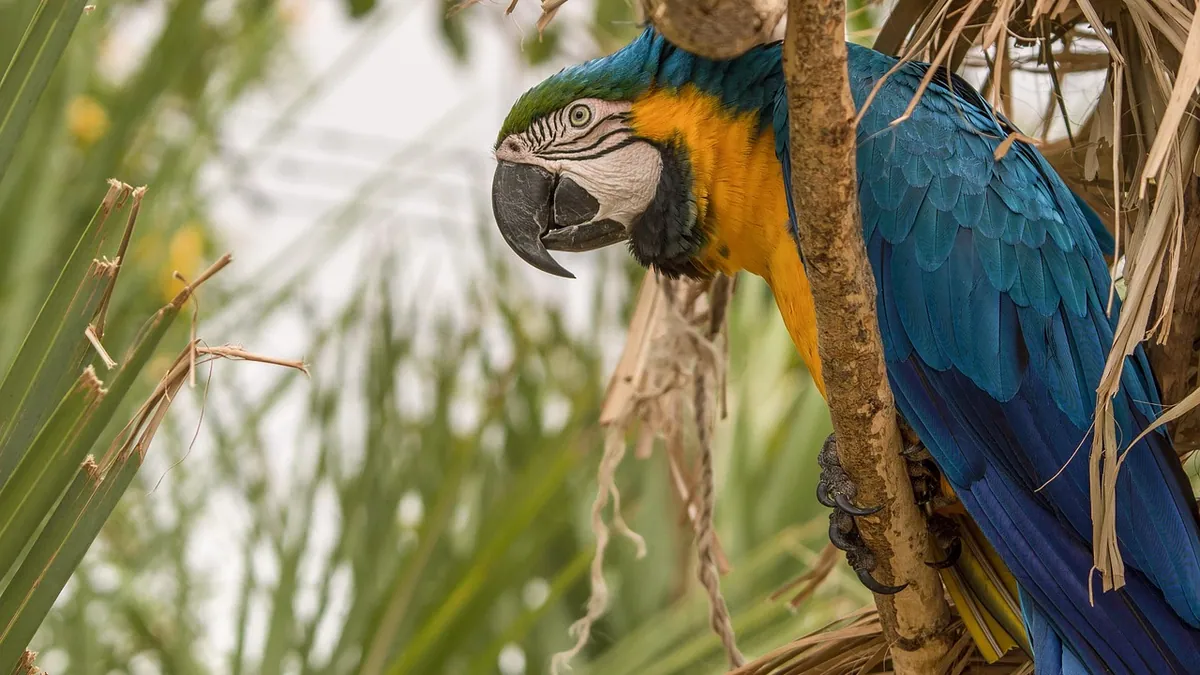
If your parrot is regurgitating, the first question is whether this is normal courtship behavior or a sign of disease. A healthy parrot often brings up food to bond with a person or mate, and that looks calm and controlled. Vomiting looks messy, forceful, and often comes with other signs of illness. This article is educational and is not a substitute for veterinary diagnosis or treatment.
Quick Answer
- Regurgitation in a calm, bonded parrot is usually courtship or affection behavior, not illness.
- Vomiting is active, head-shaking, and scatters food, and it often comes with lethargy, weight loss, or a change in droppings.
- A bird that vomits repeatedly, looks fluffed, or stops eating needs a veterinarian the same day.
- Crop or stomach disease, including proventricular dilatation disease, can cause intermittent vomiting and weight loss [1][2].
- Never give human medicine or guess a dose. Your veterinarian calculates any drug dose from your bird's weight and health.
What Regurgitation Looks Like and What Is Normal
Regurgitation is the controlled movement of food from the crop or esophagus back into the mouth. A parrot doing this usually pumps its neck and head in a slow, rhythmic way. The bird stays bright, alert, and steady on the perch. It may then offer the food to you, to a toy, or to another bird.
This behavior is common in hand-raised parrots that see their owner as a mate. It can appear in budgies, cockatiels, and larger parrots. It often happens around a favorite person, a mirror, or a favored toy. The bird's appetite, weight, and droppings stay normal.
Vomiting is different. The bird flicks its head, and food or fluid flies out with force. The material may be sticky, partially digested, or mixed with mucus. The bird often looks uncomfortable afterward. It may shake its head, wipe its beak, or sit puffed up.
Watch the whole bird, not just the food. A normal regurgitating parrot acts well. A sick bird changes in other ways too. Those changes are the real warning sign.
Why Is My Parrot Regurgitating? The Main Causes
Many owners search "why is my parrot regurgitating" after seeing food come up once or twice. The cause can range from harmless bonding to serious disease. The table below groups the common causes and the clues that point to each one.
| Cause | Typical clues | How urgent |
|---|---|---|
| Courtship or affection | Calm head pumping, bright bird, normal appetite and droppings, offers food to you or a toy | Not urgent, monitor |
| Trichomoniasis (budgerigars) | Vomiting and retching, often the main sign of illness in budgies [3] | Urgent, see a vet |
| Proventricular dilatation disease (PDD) | Weight loss, undigested seeds in droppings, intermittent vomiting, sometimes neurological signs [1][2] | Urgent, see a vet |
| Pacheco's disease (inclusion body hepatitis) | Weakness, anorexia, vomiting, loose feces, ruffled feathers [4] | Emergency |
| Non-albicans Candida gut infection | Diarrhea, regurgitation, dark tarry stools, often with other health problems [5] | Urgent, see a vet |
| Crop stasis or sour crop | Slow crop emptying, bad breath, crop that stays full | Urgent, see a vet |
Courtship Regurgitation
This is the most common harmless reason. Your bird is bonded to you or to a cage mate. It brings up food to feed you. The behavior is calm and repeatable. The bird eats, plays, and sleeps normally.
You can reduce it without punishing the bird. Remove mirrors and nest-like spaces. Avoid petting the back, wings, and vent area. Keep petting to the head and neck. Give a consistent sleep schedule of 10 to 12 hours of dark, quiet time.
Trichomoniasis in Budgies
If your budgie is regurgitating, a parasite called Trichomonas is a leading concern. Vomiting and retching are common signs of ill health in budgerigars, and trichomoniasis of the esophagus or crop is the usual cause [3]. This is not a behavior problem. It needs a diagnosis and specific treatment from a veterinarian.
Proventricular Dilatation Disease
Proventricular dilatation disease is a serious condition of the stomach and nerves. Avian bornaviruses cause it, and it is considered a major threat to pet parrots [2]. In one survey of pet psittacines with signs compatible with the disease, 28.6 percent tested positive for bornaviruses, and 18.8 percent of the positive birds showed regurgitation [2]. Other signs include undigested seeds in the feces and neurological problems [2]. An older report described intermittent vomiting, weight loss, and a thin-walled, impacted proventriculus in affected parrots [1]. There is no simple cure, so early veterinary care matters.
Pacheco's Disease
Pacheco's disease is a viral liver infection that can spread through an aviary. Signs include weakness, anorexia, vomiting, loose feces, and slight ruffling of the feathers [4]. Some parrot species can carry the virus without looking sick, so quarantine and disinfection are used to stop outbreaks [4]. This disease can be fatal and needs immediate veterinary attention.
Fungal and Crop Problems
Fungal infections of the gut can also cause regurgitation. In one report, six birds with non-albicans Candida infections showed diarrhea, regurgitation, and dark tarry stools, often alongside other health problems [5]. Species included cockatiels, a blue-and-gold macaw, and a yellow-naped Amazon parrot [5]. Some of these infections resist common antifungal drugs, so testing matters [5]. Crop stasis, where food sits and ferments, is another cause of vomiting and bad breath.
If your bird also shows breathing changes, read Why Is My Bird Tail Bobbing? Breathing Warning Signs. If you notice feather damage or plucking along with the vomiting, see Parrot Feather Plucking Causes.
Red Flags That Make It an Emergency
Some signs mean you should stop watching and go to a veterinarian now.
- Repeated vomiting in one day, or vomiting that will not stop.
- A crop that stays full for hours or feels doughy.
- Blood in the vomit or in the droppings.
- Dark, tarry stools, which can suggest bleeding in the gut [5].
- Undigested seeds in the droppings [2].
- Weight loss you can feel at the keel bone.
- Fluffed feathers, sitting on the cage floor, or closed eyes.
- Trouble breathing, tail bobbing, or open-mouth breathing.
- Weakness, loss of balance, head tilt, or seizures [2].
- Not eating for more than a few hours in a small bird.
Small birds like budgies and cockatiels get sick fast. A budgie that is vomiting and fluffed can decline within a day. When in doubt, call your avian veterinarian.
Safe Things You Can Do at Home While You Wait
You cannot treat the cause at home, but you can keep your bird stable and safe until the visit.
- Separate the bird from other birds if it is vomiting or looks weak.
- Keep it warm. Aim for a quiet area around 85 to 90 degrees Fahrenheit for a small bird that is fluffed.
- Offer water in a shallow dish. Do not force fluids by mouth.
- Remove spoiled or wet food. Offer fresh food only if the bird is eating.
- Weigh your bird if you have a gram scale. Write down the number and the time.
- Save a sample of the vomit or droppings in a clean bag for the vet to see.
- Do not give human medications, antibiotics, or anti-nausea drugs.
- Do not give any dose of any drug on your own. Your veterinarian calculates the dose from your bird's weight and health.
Keep a simple log. Note when the vomiting started, how often it happens, what the material looks like, and whether the bird is eating and passing droppings. This history helps your vet a lot.
What the Veterinarian Will Check and Test
Your veterinarian will start with a full physical exam. They will check the crop, the body weight, the keel muscle, and the droppings. They will look at the bird's breathing and nerve function.
Common tests include:
- A crop swab and a fecal smear to look for parasites like Trichomonas [3].
- A Gram stain and fungal culture to check for yeast such as Candida [5].
- Blood work to check organ function and infection.
- Imaging to look at the proventriculus and other organs [1].
- Testing for bornavirus when the signs fit proventricular dilatation disease [2].
- Testing for viral liver disease when Pacheco's disease is suspected [4].
Treatment depends on the cause. Parasites, yeast, and bacteria have specific drugs. Viral diseases need supportive care and management. Your vet will explain the plan and the outlook for your bird.
For a broader look at parrot health problems, see Common Parrot Diseases: Symptoms, Diagnosis, and Treatment.
Prevention and Monitoring
Good care lowers the risk of many problems.
- Feed a balanced diet with quality pellets, fresh vegetables, and limited seeds.
- Keep the cage clean and replace wet food often.
- Quarantine any new bird for at least 30 days before introducing it.
- Wash your hands between cages.
- Weigh your bird weekly on a gram scale. A slow drop is an early warning.
- Watch droppings daily. Note color, shape, and undigested food [2].
- Keep a 10 to 12 hour sleep schedule to reduce hormonal behavior.
- See your avian vet for a checkup at least once a year.
If your bird regurgitates only for you and acts normal, you can simply monitor it. If anything else changes, call your vet.
Limitations and When to Contact a Veterinarian
This article cannot tell you what is wrong with your specific bird. Only a veterinarian who examines your bird can do that. Use these timing guides.
- Emergency now: repeated vomiting, blood in vomit or droppings, trouble breathing, seizures, or a bird that cannot stand.
- Same day: vomiting with fluffed feathers, not eating, crop that stays full, or dark tarry stools [5].
- Routine visit: occasional calm regurgitation with a bright, eating, normal-weight bird.
When in doubt, call your avian veterinarian. Early care gives your bird the best chance.
Frequently Asked Questions
Is regurgitating always a sign of illness in parrots?
No, it is often normal courtship behavior in a bonded bird. The bird stays bright, eats well, and has normal droppings. Vomiting is different because it is forceful and comes with other signs of illness.
Why is my budgie regurgitating?
In budgerigars, vomiting and retching are common signs of ill health, and trichomoniasis of the esophagus or crop is the usual cause [3]. A budgie that vomits should see a veterinarian. Do not wait to see if it passes.
My cockatiel is regurgitating. Should I worry?
It depends on how it looks and how your cockatiel acts. Calm head pumping with a bright, eating bird is usually hormonal behavior. Forceful vomiting, fluffed feathers, or weight loss means you should call your vet. Cockatiels can also get fungal gut infections that cause regurgitation [5].
Can a sick budgie that is regurgitating recover on its own?
Sometimes mild cases improve, but you cannot tell the cause at home. A sick budgie can decline within hours. Treatment for parasites, yeast, or other causes needs a diagnosis and the right drug. Your veterinarian will calculate any dose from your bird's weight and health.
What does vomiting look like compared with regurgitation in birds?
Vomiting is forceful. The bird flicks its head and food flies out, often with mucus. Regurgitation is controlled. The bird pumps its neck slowly and may offer the food to you or a mate. Vomiting usually comes with lethargy, weight loss, or changed droppings.
Related Articles
- Why Is My Bird Tail Bobbing? Breathing Warning Signs
- Parrot Feather Plucking Causes
- Common Parrot Diseases: Symptoms, Diagnosis, and Treatment
- African Grey Parrot Care: Feather destructive behavior and anxiety protocol
- Why Does My Bird Bite, and How to Stop It
- Why Is My Parrot Nibbling Me or Regurgitating on Me?
- Why Is My Parrot Throwing Up? Regurgitation vs Vomiting
- Why Is My Budgie Throwing Up Seeds? Regurgitation Explained
References
- Proventricular dilatation syndrome in large psittacine birds. Avian diseases, 1984.
- Survey of bornaviruses in pet psittacines in Brazil reveals a novel parrot bornavirus. Veterinary microbiology, 2014.
- Trichomoniasis, a major cause of vomiting in budgerigars. The Veterinary record, 1986.
- Psittacine inclusion body hepatitis in an aviary. Journal of the American Veterinary Medical Association, 1985.
- Gastrointestinal Disease Associated with Non-albicans Candida Species in Six Birds. Journal of avian medicine and surgery, 2019.