Why Is My Cockatiel Tail Bobbing or Head Bobbing?
By Dr. Zubair Khalid, DVM, MS, PhD ·
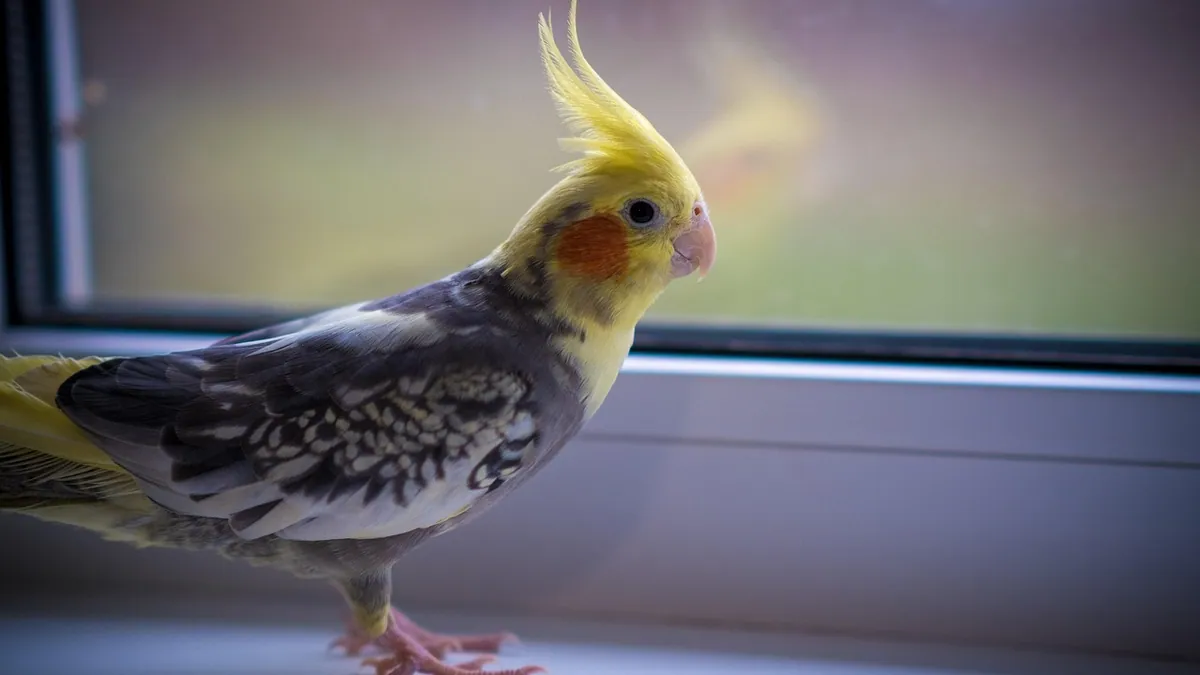
If your cockatiel's tail moves up and down with each breath, that is a breathing warning sign and needs a veterinarian. If your cockatiel bobs its head up and down while singing, talking, or courting you, that is usually normal behavior. The two look similar at a glance, but they mean very different things, and telling them apart is one of the most useful skills a bird owner can learn.
This article is educational and is not a substitute for veterinary diagnosis or treatment.
Quick Answer
- Tail bobbing means the tail tip dips down and springs back with every breath. It is a sign of labored breathing, not a behavior.
- Head bobbing is a rhythmic up and down motion of the head and neck. In cockatiels it is most often courtship, excitement, or a request for attention.
- A cockatiel at rest should breathe with almost no visible tail movement. If you can see the tail pumping while the bird sits still, something is wrong.
- Any bird that is tail bobbing, open-mouth breathing, or making clicking sounds needs to be seen by a veterinarian the same day.
- Do not wait to "see if it passes." Birds hide illness until they are seriously compromised, so early action saves lives.
What Tail Bobbing Looks Like and What Is Normal
A cockatiel's tail is a balance organ and a mood signal. It flicks, fans, and quivers for many harmless reasons. The movement that matters is tied to the breath.
Watch your bird when it is calm and perched. Each inhale should be quiet and nearly invisible. The tail may twitch slightly when the bird shifts its weight or stretches, but it should not rise and fall in a steady rhythm. When the effort of breathing increases, the muscles of the abdomen pull the tail down with each breath. That is tail bobbing.
The pattern is what gives it away. Tail bobbing is regular, matches the breathing rate, and continues while the bird is resting. If your cockatiel is playing, climbing, or screaming, some tail movement is expected. If it is sitting still and the tail is pumping, that is the warning.
Head bobbing is different in every way. It is faster, involves the whole head and neck, and usually stops when the bird is alone and relaxed. Cockatiels bob their heads when they are excited, when they want food or attention, and during courtship. Parrots are part of a small group of animals that can coordinate movements with a rhythmic pulse, and budgerigars, a close relative of the cockatiel, have been shown to align movements with a beat [1]. Head bobbing sits in that same family of rhythmic behavior.
Why Is My Cockatiel Tail Bobbing? Main Causes
Tail bobbing is a symptom, not a disease. It means the bird has to work harder to move air. The cause can sit anywhere from the nostrils to the air sacs.
| Cause | Typical clues | How urgent |
|---|---|---|
| Respiratory infection (bacterial, viral, fungal) | Tail bobbing, sneezing, nasal discharge, clicking or wheezing sounds, ruffled feathers | Same day |
| Chlamydiosis (psittacosis) | Tail bobbing, lethargy, weight loss, diarrhea, yellow-green droppings, eye or nose discharge | Same day, and it can spread to people [2] |
| Air sac or lung disease | Tail bobbing that is worse after activity, open-mouth breathing, poor stamina | Same day |
| Obesity and poor fitness | Tail bobbing only after flying or climbing, otherwise bright and active | Routine visit |
| Egg binding or reproductive strain | Tail bobbing plus straining, sitting on the cage floor, swollen abdomen | Emergency |
| Chronic respiratory damage | Long-standing tail bobbing, exercise intolerance, history of past illness | Routine visit, sooner if worse |
| Pain or stress from any cause | Tail bobbing with hunched posture, closed eyes, sitting low | Same day |
Respiratory disease in parrots often shows up first as vague signs. In one outbreak of chlamydiosis in a psittacine breeding aviary, affected birds showed weight loss, diarrhea, yellowish green excrement, and respiratory distress [2]. A single case in an African grey parrot presented with anorexia, depression, diarrhea, and mild difficulty breathing [3]. Neither bird looked "fine" by the time breathing changes were obvious.
Some breathing problems come from the gut. Macrorhabdus ornithogaster, a yeast that grows in the stomach, causes general and nonspecific signs in cockatiels, budgerigars, and grey parrots, which means owners often notice a sick bird before they notice a specific symptom [4]. A bird with an upset stomach can breathe heavily from pain and weakness.
If you want a broader look at how tail movement relates to breathing across bird species, see Why Is My Bird Tail Bobbing? Breathing Warning Signs.
Why Is My Cockatiel Head Bobbing?
Head bobbing in a cockatiel is usually communication. Common triggers include:
- Courtship. A male cockatiel bobs his head, sings, and often taps his beak on a perch or toy. This is normal breeding behavior.
- Begging. Hand-fed babies and young birds bob when they want food. If a weaned bird bobs constantly and begs, it may not be eating enough on its own.
- Excitement. A bird that sees a favorite person or a treat may bob and chirp.
- Attention seeking. Some cockatiels learn that bobbing gets a reaction and repeat it.
Head bobbing is not a breathing sign. A bird that is head bobbing is using its neck muscles on purpose. A bird that is tail bobbing is using its abdominal muscles because it has to.
The tricky part is that a sick bird can do both. A cockatiel with a respiratory infection may still bob its head at you when you walk in, then sit quietly and tail bob when you leave. Judge the bird at rest, not during a greeting.
Head Bobbing and Hormones
Head bobbing often comes with other breeding behaviors. A female cockatiel may bob, squat, and lift her tail. A male may bob, sing, and mount toys or perches. If your bird is female and showing these signs, watch for egg-related problems. A hen that is straining, sitting fluffed on the cage floor, or has a swollen belly may be egg bound. For more on that, see Cockatiel Egg Laying Problems.
Red Flags That Make It an Emergency
Call an avian veterinarian or an emergency clinic right away if you see any of these:
- Tail bobbing while the bird is resting
- Open-mouth breathing at rest
- Clicking, wheezing, or squeaking sounds with each breath
- Breathing with the whole body, with the wings held away from the sides
- Sitting on the cage floor, hunched, with eyes closed
- A sudden drop in eating or a change in droppings
- Nasal or eye discharge
- Any blood, or a bird that has been attacked by another pet
- Straining to pass an egg, or a swollen abdomen
Birds are prey animals. They hide weakness because showing it invites predators. By the time a cockatiel looks obviously sick, it may have been ill for days. Do not wait for the bird to look worse.
Safe Things You Can Do at Home While Waiting
You cannot treat a breathing problem at home, but you can keep your bird stable until you reach the veterinarian.
- Warm the room. Aim for a quiet, draft-free space. A hospital cage or a small carrier with a towel over part of it helps.
- Reduce stress. Keep other pets, loud noise, and handling to a minimum.
- Keep the bird calm and contained. A small carrier prevents climbing and flying, which demand more oxygen.
- Offer water in a shallow dish. Do not force fluids.
- Do not use human medications, essential oils, diffusers, candles, or aerosol sprays near the bird. Their air sacs are extremely sensitive.
- Do not give any medication unless your veterinarian prescribes it. Doses are calculated from the bird's weight and health, so a dose that is right for one cockatiel can be dangerous for another.
- Write down what you see. Note the breathing rate, when the tail bobbing started, what the droppings look like, and what the bird ate today. This history helps your veterinarian.
If your bird is struggling to breathe, do not wait for an appointment. Go to an emergency clinic.
What Your Veterinarian Will Check and Test
Your veterinarian will start with a full physical exam. They will listen to the chest and air sacs, check the nostrils and choana (the slit in the roof of the mouth), weigh the bird, and feel the abdomen. A complete environmental history matters too. In one human case, a woman's breathing problems were traced to hypersensitivity pneumonitis related to pet cockatiels in her home, which shows how closely bird and human respiratory health can be linked [5]. Your veterinarian may ask about your home, your other pets, and any new birds.
Common tests include:
- Fecal wet mount and Gram stain, which can detect yeast such as Macrorhabdus ornithogaster [4]
- PCR testing for Chlamydia psittaci, often from a choanal or cloacal swab [3]
- Blood work to check organ function and infection
- Radiographs to look at the lungs and air sacs
- Culture or sensitivity testing if a bacterial infection is suspected
Treatment depends on the cause. A bacterial infection such as chlamydiosis is treated with an antibiotic, and one reported case in an African grey parrot was treated with a doxycycline regimen for 45 days with weekly sampling during treatment [3]. Your veterinarian will choose the drug, the dose, and the length of treatment based on your bird's weight, species, and test results. Never use leftover antibiotics from a previous illness.
Prevention and Monitoring
- Weigh your cockatiel weekly on a small kitchen scale. A drop of even a few grams matters in a bird this size.
- Watch the tail at rest. Make it a habit to look at your bird when it is calm, not just when it is excited.
- Keep the air clean. Avoid smoke, scented candles, nonstick cookware fumes, and aerosol sprays.
- Quarantine new birds for at least 30 days, away from your existing flock.
- Wash your hands after handling birds or cleaning cages. Chlamydiosis can spread to humans [2].
- Schedule a yearly wellness exam with an avian veterinarian, even if your bird looks healthy.
- Keep a written log of appetite, droppings, and behavior so you can spot trends early.
If you also live with dogs, some shaking and head motions in dogs have their own causes and are not related to your bird. For comparison, see Why Is My Dog Shaking?.
Limitations and When to Contact a Veterinarian
This article cannot tell you what is wrong with your individual bird. Only a veterinarian who examines your cockatiel can do that.
Contact a veterinarian the same day if you see tail bobbing at rest, a change in droppings, reduced appetite, or any new noise when the bird breathes. Go to an emergency clinic immediately if your bird is open-mouth breathing, sitting on the cage floor, has a swollen abdomen, or is straining. A routine visit is appropriate for mild, long-standing tail movement after exercise, or for a general checkup if you are unsure.
Frequently Asked Questions
Can tail bobbing ever be normal?
Yes, in a few situations. A cockatiel that has just flown hard, climbed, or been startled may show brief tail movement while it catches its breath. The key is that it settles within a minute or two and then breathes quietly. If the tail keeps pumping while the bird sits still, treat it as a warning sign.
How can I tell tail bobbing from head bobbing?
Look at which end of the bird is moving. Head bobbing involves the head and neck and usually happens when the bird is excited, singing, or interacting with you. Tail bobbing involves the tail tip and matches the breathing rhythm, and it is most obvious when the bird is calm. If both are happening, judge the bird when it is alone and relaxed.
Is head bobbing a sign my cockatiel is sick?
Usually not. Head bobbing is most often courtship, begging, or excitement, and it is a normal part of cockatiel behavior. A sick bird tends to sit quietly with ruffled feathers instead of bob energetically. That said, a bird that bobs its head constantly and never seems to eat enough should be checked.
Should I cover the cage or use a humidifier for a tail bobbing bird?
Keep the bird warm and quiet, and avoid adding humidity or anything to the air without veterinary advice. A humidifier, diffuser, or spray can make respiratory disease worse in some birds. The safest home step is a warm, draft-free, low-stress space until you can be seen.
Can my cockatiel's breathing problem spread to me or my family?
Some bird respiratory infections can spread to people. Chlamydia psittaci is highly contagious among birds and can spread to humans [2]. Wash your hands after handling your bird or cleaning the cage, avoid kissing your bird, and tell your doctor about your bird if anyone in the home develops flu-like or breathing symptoms.
Related Articles
- Why Is My Bird Tail Bobbing? Breathing Warning Signs
- Cockatiel Egg Laying Problems
- Budgie Tail Bobbing: When It's Normal and When It's Serious
- Why Is My Cockatiel Making Squeaking or Clicking Noises?
- Why Is My Cockatiel Screaming Constantly? Causes and Fixes
References
- Sex Differences in Rhythmic Preferences in the Budgerigar (Melopsittacus undulatus): A Comparative Study with Humans. Frontiers in psychology, 2016.
- Outbreak of Chlamydia psittaci Infection in a Commercial Psittacine Breeding Aviary in Argentina. Animals : an open access journal from MDPI, 2024.
- Molecular identification and successful treatment of Chlamydophila psittaci (genotype B) in a clinically affected Congo African grey parrot (Psittacus erithacus erithacus). Iranian journal of veterinary research, 2016.
- Avian gastric yeast (macrorhabdosis) in cockatiel, budgerigar and grey parrot: a focus on the clinical signs, molecular detection and phylogenetic evaluation. Veterinary research forum : an international quarterly journal, 2023.
- Cockatiel-induced hypersensitivity pneumonitis. Environmental health perspectives, 2002.