Do Cockatiels Make Good Pets? Honest Owner Guide
By Dr. Zubair Khalid, DVM, MS, PhD ·
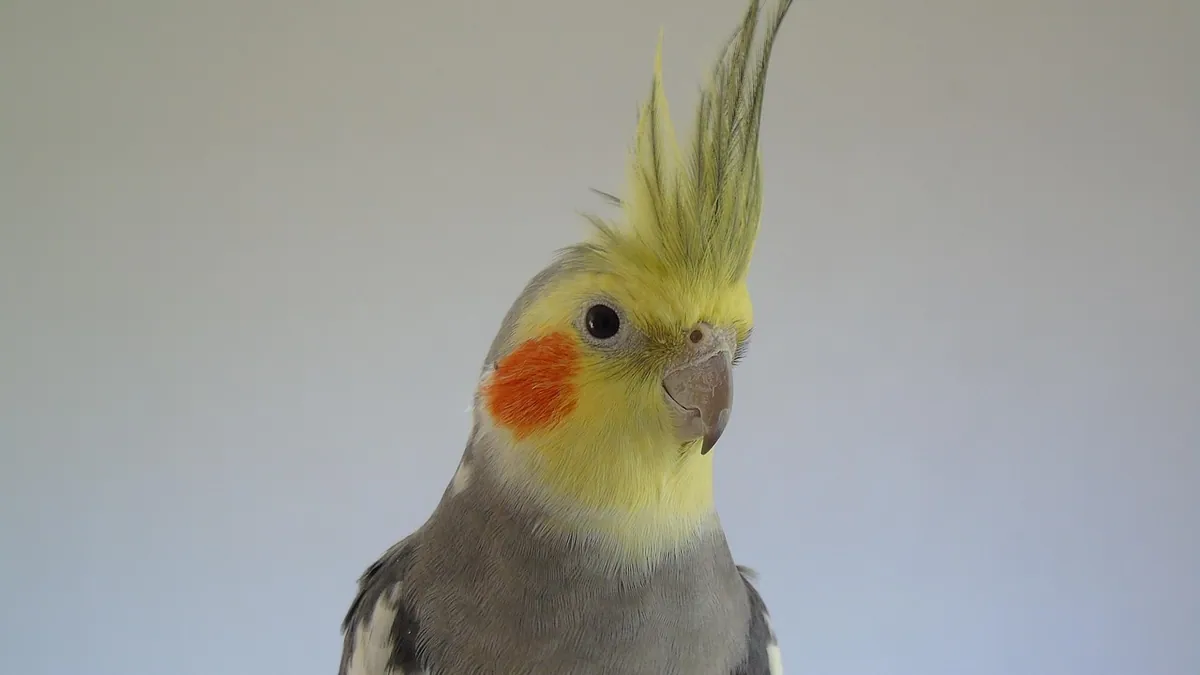
Do cockatiels make good pets? For many people, yes. They are small parrots with big personalities, and they often bond closely with their owners. But they are not low-effort pets, and they are not the right choice for every household.
This article is educational and is not a substitute for veterinary diagnosis or treatment.
Quick Answer
- Cockatiels are a good fit for owners who can give daily attention, a large cage, and years of consistent care.
- They are generally quieter than many larger parrots, which makes them easier to keep in an apartment.
- They can live a long time, so plan for a commitment measured in decades, not months.
- They need a varied diet, safe toys, sleep, and regular veterinary checkups, not just seed in a bowl.
- They are a poor fit for homes with heavy smoking, strong fumes, or no time for daily interaction.
Are Cockatiels Good Pets for Beginners?
Cockatiels are often recommended as a first parrot. They are smaller than many parrots, and they are often described as charming and relatively quiet [1]. That makes them more manageable for a first-time bird owner than a large macaw or cockatoo.
But "beginner friendly" does not mean "easy." Parrots as a group show frequent and sometimes severe welfare problems in captivity [2]. The problems often come from the environment, not from the bird. A cockatiel kept in a tiny cage with no toys and no social contact will develop problems no matter how gentle the species is.
If you are new to birds, start by learning the basics before you bring one home. Our Complete Cockatiel Care Guide walks through housing, diet, and daily care in detail.
What makes cockatiels a good fit
- They are social and often enjoy being near their people.
- They are smaller and lighter than most parrots, so they are easier to handle.
- They can learn whistles and simple tunes.
- They often do well in apartments because their normal calls are less piercing than those of many larger parrots [1].
What makes cockatiels a hard fit
- They are flock animals. A single cockatiel needs daily social contact.
- They can be messy. Food, feathers, and dust end up outside the cage.
- They can be loud at times, especially at dawn and dusk.
- They need mental work. Boredom leads to feather damage and other problems.
- They can outlive a short-term plan. See Cockatiel Lifespan for what that means over time.
Cockatiel Pros and Cons
Here is a straight comparison to help you decide.
| Factor | Pro | Con |
|---|---|---|
| Size | Small and easy to handle | Still needs a large cage, not a tabletop cage |
| Noise | Quieter than many parrots [1] | Still calls loudly, especially morning and evening |
| Temperament | Often affectionate and social | Can become nippy or fearful without gentle handling |
| Talking | Some learn whistles and words | Not a reliable talker |
| Lifespan | Long companionship | Long commitment, often 15 to 25 years |
| Mess | Small droppings | Dust, seed hulls, and shredded toys |
| Cost | Lower upfront cost than large parrots | Cage, food, toys, and vet care add up |
| Beginner fit | Often a good first parrot | Needs daily time and knowledge |
The Daily Care Commitment
A cockatiel is not a decoration. It is a thinking animal that needs a routine.
Morning
- Fresh water in a clean dish.
- Fresh vegetables or a small amount of fruit.
- A quick check of the bird's eyes, nostrils, droppings, and posture.
- A few minutes of talking or whistling before you leave.
Daytime
- The cage should be in a room where the family spends time.
- Provide foraging toys and safe chew items.
- Keep the bird away from kitchen fumes, aerosol sprays, scented candles, and smoke.
Evening
- Supervised time out of the cage.
- Fresh food and water.
- Cover the cage for a quiet, dark sleep period.
Weekly
- Scrub food and water dishes.
- Rotate toys so the bird has new things to explore.
- Check perches for wear and droppings.
- Weigh the bird if you have a small kitchen scale. Weight loss is an early warning sign.
Yearly
- A veterinary exam with an avian or exotic-animal veterinarian.
- A review of diet, behavior, and any changes in droppings or activity.
Setting Up the Cage and Home
The setup matters more than most new owners expect. Poor housing is a common cause of health and behavior problems.
Cage
- Get the largest cage you can afford and fit. Width matters more than height.
- Bar spacing should be small enough that the head cannot pass through.
- Avoid round cages. They give no corners for security.
Perches
- Use natural wood perches of different diameters.
- Avoid sandpaper covers, which can damage the feet.
- Place perches so droppings do not fall into food and water.
Diet
- Offer a balanced mix of pellets, vegetables, and a small amount of seed.
- Avoid all-seed diets. They are linked to obesity and poor feather condition.
- Fresh food should be removed before it spoils.
Enrichment
- Rotate toys often.
- Use foraging toys that make the bird work for food.
- Music can be part of enrichment. Cockatiels can learn to use a touchscreen to choose between pieces of music, and some birds showed individual preferences for rock and roll or calm music [3]. Related species show dance behavior in response to music, which may reflect a positive welfare state [4].
Sleep
- Cockatiels need a dark, quiet place to sleep.
- Ten to twelve hours of uninterrupted sleep is a reasonable goal.
Signs Something Is Wrong
Birds hide illness well. By the time a cockatiel looks obviously sick, it may have been unwell for a while.
Watch for these signs:
- Fluffed feathers and sitting low on the perch
- Reduced or no eating and drinking
- Changes in droppings (color, consistency, amount)
- Tail bobbing or open-mouth breathing
- Sneezing, nasal discharge, or clicking sounds
- Feather plucking or bare patches
- Weight loss
- Sitting on the cage floor
- Limping or favoring one foot
- Eye or nostril swelling
Some of these signs overlap with normal behavior. A bird may fluff up when it is cold or sleepy. The key is change from that bird's normal pattern.
Common Mistakes New Owners Make
Buying on impulse
Cockatiels are often sold in pet stores with minimal guidance. Take time to learn before you buy.
Using a cage that is too small
A small cage limits movement and causes boredom. It also makes cleaning harder.
Feeding only seed
Seed-only diets are a common cause of poor health. Offer pellets and vegetables.
Skipping social time
A cockatiel left alone all day can become withdrawn or develop repetitive behaviors.
Ignoring noise
Cockatiels are quieter than many parrots, but they are not silent [1]. Visit a breeder or rescue to hear the noise level before you commit.
Using the wrong household products
Nonstick cookware fumes, aerosols, and scented products can be deadly to birds. Keep the bird away from the kitchen.
Skipping the first vet visit
A new bird should see a veterinarian soon after you bring it home. This establishes a baseline and catches hidden problems.
Where to Get a Cockatiel
You can buy birds from reliable breeders or pet stores that specialize in birds. You can also adopt birds from shelters or rescue groups that know how to care for birds [1].
Adoption is often the better choice. Many cockatiels are surrendered when owners underestimate the care commitment. A rescue can tell you about the bird's temperament and health history.
If you buy from a breeder, ask to see the parents and the housing. Avoid birds kept in crowded, dirty conditions.
Who Should Not Get a Cockatiel
Skip a cockatiel if any of these apply to you:
- You smoke indoors or use aerosol sprays, scented candles, or nonstick cookware near the bird.
- You are away from home most of the day and cannot give daily attention.
- You want a quiet pet. Cockatiels call, especially at dawn and dusk.
- You are not ready for a commitment that can last 15 to 25 years.
- You have young children who may handle the bird roughly.
- You cannot afford veterinary care, a large cage, and ongoing toy and food costs.
- You travel often and have no reliable bird-savvy caregiver.
If you want a bird but are unsure about cockatiels, compare species before you decide. Our Cockatoo Care Guide covers a larger, louder relative. If you are still exploring pet options, Are Amphibians Good Pets? What to Know First offers a different kind of commitment.
Cost and Time: What to Expect
Cockatiels cost less upfront than large parrots, but the ongoing costs add up.
- Cage and stand
- Perches and toys
- Food and supplements
- Avian veterinary exams and any treatment
- Boarding or a pet sitter when you travel
Time is the bigger cost. Plan for at least one to two hours of interaction and cage care each day, plus cleaning and toy rotation each week.
Limitations and When to Contact a Veterinarian
This article gives general guidance. Individual birds vary, and only a veterinarian who examines your bird can diagnose and treat a specific problem.
Call your veterinarian the same day if you see:
- Reduced eating or drinking for more than a few hours
- A sudden change in droppings
- Sneezing, discharge, or breathing changes
- A bird that is fluffed and quiet all day
- A visible injury or bleeding
Go to an emergency clinic now if you see:
- Open-mouth breathing or gasping
- A bird on the cage floor that cannot perch
- Bleeding that will not stop
- Seizures or loss of balance
- Suspected poisoning or exposure to fumes
Schedule a routine visit if:
- You just brought a new cockatiel home
- Your bird has not had a checkup in a year
- You notice gradual weight loss or feather changes
- You have questions about diet or behavior
Never give any medication without veterinary guidance. Your veterinarian calculates the dose from your bird's weight and health.
Frequently Asked Questions
Are cockatiels good for beginners?
Yes, cockatiels are often a good first parrot because they are smaller and generally quieter than many other species [1]. They still need daily attention, a large cage, and a proper diet. A beginner who studies first and commits to the routine can do very well with one.
Do cockatiels talk?
Some cockatiels learn to whistle tunes and repeat a few words, but talking is not guaranteed. Many birds never talk at all. Whistling is usually more common than clear speech.
Are cockatiels noisy?
Cockatiels are often described as relatively quiet compared with many parrots [1]. They still call, especially in the morning and evening. The noise is usually less piercing than that of larger parrots, but it is not silent.
How long do cockatiels live?
Cockatiels are long-lived for their size, and many live well into their teens or twenties. Plan for a commitment measured in decades. Our Cockatiel Lifespan article explains what affects longevity.
Can a cockatiel live alone?
A single cockatiel can do well if you provide daily social contact and enrichment. They are flock animals, so isolation causes stress and behavior problems. If you are away most of the day, consider a pair or a different pet.
What should I feed a cockatiel?
Offer a balanced diet of pellets, fresh vegetables, and a small amount of seed. Avoid all-seed diets, which are linked to obesity and poor feather condition. Fresh food should be removed before it spoils.
Do cockatiels need a companion?
Not always. A single bird that gets daily attention can thrive. A pair may be happier if you are gone often, but two birds may bond to each other instead of to you.
Related Articles
- Complete Cockatiel Care Guide
- Cockatiel Lifespan
- Cockatiel Care: Pyramiding & Shell Health Management
- Cockatoo Care Guide
- Cockatiel Care: Chronic egg laying and hormonal management guide
- Do Budgies Make Good Pets? Honest Owner Guide
- Do Parrots Make Good Pets? What to Consider First
- Do Cockatiels Dream? Sleep and Night Behavior
References
- Choosing a Pet Bird - Bird Owners. Merck Veterinary Manual.
- What we (don't) know about parrot welfare: Finding welfare indicators through a systematic literature review. Animal welfare (South Mimms, England), 2024.
- Do Cockatiels Choose Their Favourite Tunes? Use of Touchscreen for Animal Welfare Enhancement and Insights into Musical Preferences. Animals : an open access journal from MDPI, 2024.
- Dance behaviour in cockatoos: Implications for cognitive processes and welfare. PloS one, 2025.