Do Cockatiels Bite? Play Biting and How to Stop It
By Dr. Zubair Khalid, DVM, MS, PhD ·
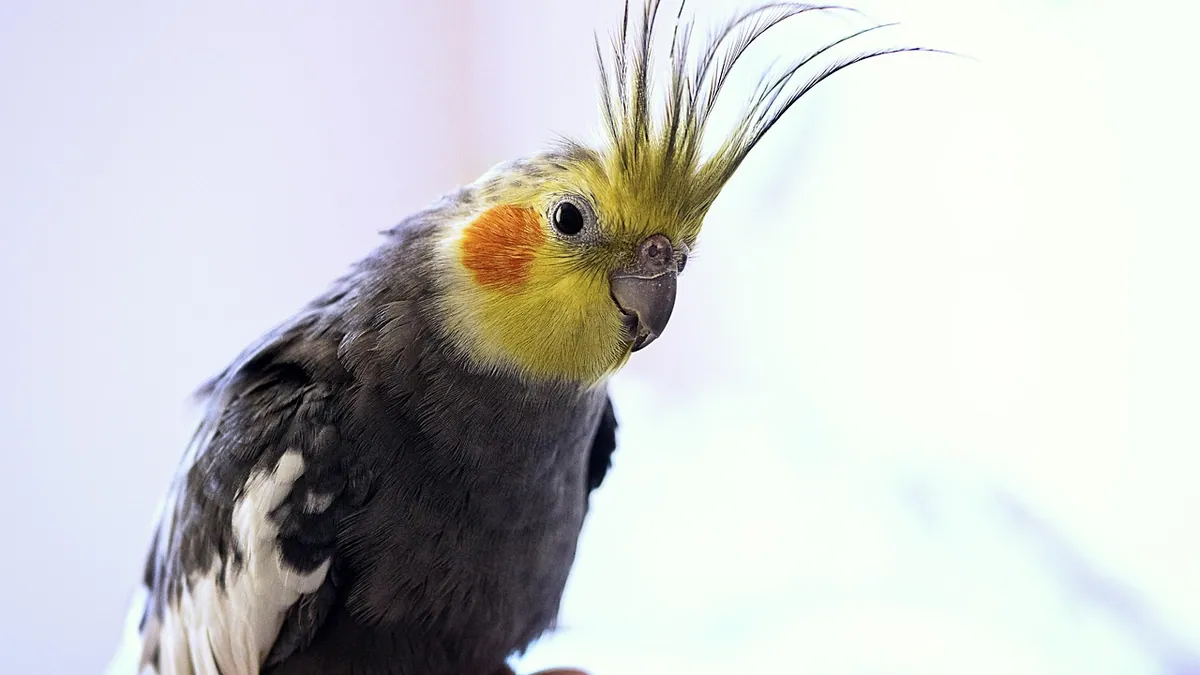
Do cockatiels bite? Yes, they can and sometimes do. Most bites are not random attacks. They are a bird's way of saying "I am scared," "I am overstimulated," or "I do not like that." This article is educational and is not a substitute for veterinary diagnosis or treatment.
Quick Answer
- Cockatiels are small parrots with small beaks, so a bite usually causes a pinch or a small bruise, not the deep wounds larger parrots can make.
- Play biting and gentle beak exploration are normal, especially in young birds and during bonding.
- Real biting often traces back to fear, stress, poor sleep, hormonal triggers, or a medical problem.
- Punishment makes biting worse, while positive reinforcement training is the humane approach that works [1].
- Sudden biting in a normally calm bird is a reason to call your veterinarian, not just a training problem.
Why Cockatiels Bite: Normal Reasons First
Biting is part of how a cockatiel communicates. Before you assume your bird is mean, look at the common, normal reasons.
Fear and Startle
A hand that moves too fast, a loud noise, or an unfamiliar person can trigger a defensive bite. Cockatiels are prey animals. When they feel cornered, the beak is their fastest defense.
Overstimulation and Petting Rules
Many cockatiels enjoy head and neck scratches. Petting down the back, under the wings, or on the belly can be read as a sexual signal. That can lead to hormonal biting, especially in spring and summer. Stick to the head and neck.
Play Biting and Beak Exploration
Young cockatiels often mouth fingers, shirt collars, and hair as they explore. This is play biting or beak testing. It is usually softer than a true bite, and it often stops when the bird learns that hands are not toys.
Hormones and Nesting
A hormonal cockatiel may guard a cage corner, a food dish, or a favorite person. Biting during this time is about territory and mating drive, not hatred.
Poor Sleep and Stress
Parrots need long, quiet, dark sleep. A cage in a busy room with late-night TV can leave a cockatiel chronically tired and irritable. Sleep deprivation is a common and underrated trigger for biting.
Communication and Choice
Sometimes a bird bites because you ignored a warning. A cockatiel that hisses, pins its eyes, raises its crest, or leans away is asking for space. If you push past those signals, the bite is the next step in the conversation.
Medical Causes to Rule Out Before Training
Behavior change can be a symptom of illness. Birds hide pain well, and a cockatiel that suddenly bites may be hurting.
- Pain or injury. A broken blood feather, an injured leg, an infected foot, or a sore wing can make handling painful.
- Skin and feather problems. Feather picking and skin irritation are common in pet parrots and often have medical and environmental components [2].
- Hormonal or reproductive disease. Chronic egg laying is one of the most common problems avian veterinarians see [2]. A bird in reproductive overdrive may bite more.
- Respiratory or sinus disease. A bird that cannot breathe comfortably may panic when restrained.
- Nutritional problems. An all-seed diet can leave a cockatiel short on vitamin A, calcium, and other nutrients. Poor nutrition affects behavior and healing.
A veterinarian who treats birds should examine any cockatiel with a sudden change in temperament. A medical workup, diet changes, housing changes, and enrichment are the standard combined approach for behavior problems in pet birds [2].
When Cockatiel Biting Behavior Becomes a Problem
Occasional nips are normal. Biting becomes a problem when it is frequent, hard, unpredictable, or directed at everyone in the home.
Aggression is one of the most common behavior complaints in pet parrots, and it ranks high for owner concern [2]. That matters because owners often do not bring these problems to a veterinarian. In one survey, most owners sought advice somewhere else before talking to their vet [2]. If biting is disrupting your household, that is your signal to get professional input early.
Ask yourself three questions:
- Is the bite breaking skin or leaving bruises?
- Is the bird biting more often than a month ago?
- Is anyone in the home afraid to handle the bird?
If you answered yes to any of these, treat it as a behavior case, not a phase.
How to Stop Cockatiel Biting: Step by Step
Training a cockatiel is not about dominance. It is about teaching the bird what earns rewards. Positive reinforcement training has been shown to work well in parrots, including for birds that must cooperate with handling and procedures [1].
Step 1: Get a Veterinary Baseline
Schedule a checkup with a bird-experienced veterinarian. Rule out pain, illness, and diet problems first. Training a sick bird does not work.
Step 2: Read the Warning Signs
Learn your bird's body language. Watch for:
- Flattened crest or a crest that snaps up
- Pinned or wide pupils
- Hissing, open beak, or a lunge
- Leaning away or backing into a corner
- Tail fanning or wing flicking
When you see these, stop and give space. Respecting warnings prevents bites.
Step 3: Use Positive Reinforcement
Reward the behavior you want. If your cockatiel steps onto your hand calmly, offer a favorite treat and calm praise. If it stays relaxed while you move your hand nearby, reward that too. Keep sessions short, about 5 to 10 minutes, and end on a success.
Step 4: Train "Step Up" and "Step Down" Gently
Use a perch or your hand held steady at chest level. Do not chase the bird around the cage. If the bird refuses, wait and try again later. Forced handling builds fear and more biting.
Step 5: Target Training
Teach your bird to touch the tip of a small stick or a closed pen with its beak. Target training redirects a bird away from fingers and gives you a way to move it without grabbing. This is a core positive reinforcement skill used with parrots [1].
Step 6: Manage Hormones
Increase dark, quiet sleep to 10 to 12 hours. Remove mirrors, huts, and nest-like boxes if your bird is hormonal. Rearrange the cage to break up territory patterns. Talk to your veterinarian if egg laying is ongoing.
Step 7: Fix the Environment
- Place the cage in a room with family activity but away from the kitchen. Nonstick cookware fumes are deadly to birds.
- Offer a variety of perches, shreddable toys, and foraging opportunities.
- Rotate toys weekly to prevent boredom.
- Keep the cage clean and free of sharp edges.
Step 8: Change How You Interact
- Move slowly and speak softly.
- Let the bird come to you.
- Avoid reaching into the cage in published veterinary research, which feels like a predator.
- Use a towel or perch for birds that are cage-aggressive.
- Keep interactions short and positive.
If you are also working with other pets, the same reward-based principles apply across species. You can read more about humane training approaches in Puppy Training Tips Biting.
Step 9: Be Consistent
Every person in the home should use the same rules. A bird that is allowed to bite one person and not another learns to bite the easy target.
Step 10: Track Progress
Keep a simple log of bites, triggers, and time of day. Patterns often show up within two weeks. Bring the log to your veterinarian or behavior consultant.
What Not to Do: Punishment and Myths
Do Not Punish
Yelling, tapping the beak, flicking the cage, or spraying water does not teach a bird to stop biting. It teaches the bird that hands are dangerous. Fear-based handling increases aggression over time.
Do Not Use "Earthquake" or Drop Techniques
Dropping your hand to unbalance a biting bird can cause injury and destroys trust. It is an old aviculture myth, not a training method.
Do Not Ignore Pain
If your bird bites when you touch a certain area, stop and get it checked. Pain is a common hidden cause of aggression.
Do Not Assume It Is "Just Hormones"
Hormones matter, but so do sleep, diet, cage setup, and illness. Blaming hormones alone often delays real treatment.
Do Not Buy Another Bird to "Fix" It
Adding a bird can increase territorial behavior and does not solve a training problem. It also doubles your veterinary and care costs.
Do Not Rely on Gloves Alone
Thick gloves protect your hands but do not change the bird's fear. Use gloves only as a short-term safety tool while you work on training.
Myth: Cockatiels Are Naturally Mean
Cockatiels are generally gentle, social birds. Aggression is usually a response to something in the environment or the body. Aggression is one of the top behavior problems in pet parrots, which means it is common and treatable, not a personality flaw [2].
Myth: A Bite Means the Bird Hates You
Birds do not hold grudges the way people do. A bite usually reflects fear, pain, hormones, or a learned pattern. Change the pattern and the biting often fades.
Enrichment That Reduces Biting
A bored cockatiel is more likely to bite. Enrichment is not optional, it is part of treatment.
- Foraging. Hide seeds and pellets in paper cups, cardboard tubes, and puzzle toys.
- Shredding. Offer plain paper, untreated cardboard, and bird-safe shreddable toys.
- Music and choice. Cockatiels can learn to use a touchscreen to choose between music types, and some birds show clear individual preferences for rock and roll versus calm music [3]. Offering music your bird seems to enjoy is a simple welfare tool.
- Out-of-cage time. Supervised time on a play stand gives exercise and mental stimulation.
- Training sessions. Short daily sessions build trust and give your bird a job.
- Social contact. Cockatiels are flock animals. Talk to your bird, sit nearby, and include it in daily routines.
If you are dealing with biting in another parrot species, the same principles apply. See Conure Biting Behavior and Why Does My Bird Bite, and How to Stop It.
When to Involve a Veterinarian or Behavior Professional
Call a bird-experienced veterinarian if:
- Biting started suddenly in a previously calm bird
- Your bird is also fluffed, quiet, or not eating
- You see limping, wing drooping, or a change in droppings
- Your bird is laying eggs repeatedly
- Feather picking or skin damage is present
- Biting is severe enough to break skin
A veterinarian can perform a physical exam, recommend diagnostic testing, and address diet, housing, and enrichment as part of a combined plan [2]. If medical causes are ruled out, ask for a referral to a certified avian behavior consultant. Look for someone with formal training in applied behavior analysis and parrot behavior.
For general bird behavior questions, your veterinarian is still the best first call. Owners who skip the vet and go straight to internet advice often miss treatable medical problems [2].
Limitations and When to Contact a Veterinarian
This article covers common behavior patterns, but every bird is an individual. A cockatiel's bite can have more than one cause at the same time. Only a veterinarian who examines your bird can determine what is happening in your specific case.
Contact a veterinarian the same day if:
- Your bird stops eating or drinking
- Droppings change color, consistency, or frequency
- Your bird is fluffed, sitting on the cage floor, or breathing with its tail bobbing
- You see blood on a perch or on the bird
- A bite from your bird broke your skin and the wound is deep or on your hand joint
Go to an emergency clinic now if:
- Your bird is open-mouth breathing, gasping, or making clicking sounds
- There is active bleeding that will not stop
- Your bird had contact with a toxin, such as a nonstick pan fume, avocado, chocolate, or a household cleaner
- Your bird suffered a fall, a crush injury, or a cat or dog bite
Schedule a routine visit if:
- Biting has increased over weeks
- Your bird is due for a wellness exam
- You want help with diet conversion, sleep, or hormone management
- You need a behavior referral
Frequently Asked Questions
Do cockatiels play bite?
Yes, many cockatiels mouth and nibble as part of play and exploration. Play bites are usually soft and stop when the bird is redirected to a toy. If the pressure increases or the bird lunges, treat it as a real bite and pause the interaction.
How hard can a cockatiel bite?
A cockatiel's beak is small, so most bites cause a pinch, a red mark, or a small bruise. A determined bite can break skin, especially on thin skin like the web of the hand. Any bite that breaks your skin should be washed well and watched for infection.
Why does my cockatiel bite me but not my partner?
Biting is often about learned patterns and individual relationships. Your bird may have learned that biting you ends the interaction, or your partner may approach more slowly. Consistency from everyone in the home is the fastest fix.
Can a cockatiel bite be a sign of illness?
Yes, a sudden change in temperament can be an early sign of pain or illness. Birds hide symptoms well, so any new biting in a previously calm bird deserves a veterinary exam. Do not assume it is only behavioral.
Do cockatiels bite more when hormonal?
Many do. Hormonal birds can become territorial and protective of cages, dishes, or favorite people. Longer dark sleep, removing nest-like items, and avoiding back petting can reduce hormonal biting.
Should I use a glove to stop biting?
Gloves can protect your hands in the short term, but they do not teach the bird anything. Use them only while you work on positive reinforcement training with a professional. Long-term glove use can make a bird more fearful of hands.
How long does it take to stop cockatiel biting?
It depends on the cause and how consistent you are. Some birds improve in a few weeks with better sleep, enrichment, and reward-based training. Medical and hormonal cases can take longer and need veterinary care.
Can I train a cockatiel with treats?
Yes, food rewards are one of the most effective tools. Positive reinforcement training has been used successfully with parrots to teach cooperation with handling and procedures [1]. Keep treats small and use them right after the behavior you want.
Do cockatiels bite more when they are bored?
Boredom and lack of enrichment are common contributors to behavior problems in pet birds. Daily foraging, shredding toys, out-of-cage time, and training sessions reduce boredom and often reduce biting [2].
Is it safe to have a cockatiel around other pets?
No, cats, dogs, and ferrets can injure or kill a cockatiel in seconds, even if they seem calm. Keep your bird in a separate, secure room when other pets are loose. If a bite from another animal happens, treat it as an emergency.
What if my cockatiel bites during nail trims?
Nail trims are a common trigger because restraint is stressful. Ask your veterinarian or a groomer to show you safe handling, or use positive reinforcement to teach your bird to accept handling. Never force a struggling bird, as this can cause injury.
Can biting be a sign of a cage problem?
Yes. A cage that is too small, has poor perch variety, or sits in a high-traffic or dark area can increase stress. Review cage size, perch types, toy rotation, and location with your veterinarian.
Do cockatiels bite more at night?
Some birds are more reactive when tired or when the room is busy at night. A predictable bedtime and 10 to 12 hours of quiet, dark sleep can improve mood and reduce biting.
When should I see a behavior specialist?
See a specialist when biting continues after a veterinary exam and basic training changes. A certified behavior consultant can build a plan for severe or long-standing cases. Your veterinarian can help with a referral.
Are cockatiel bites dangerous to humans?
Most cockatiel bites are minor, but any broken skin can become infected. Wash the wound with soap and water, apply pressure if bleeding, and see a doctor if the wound is deep, on a joint, or shows signs of infection. People with weakened immune systems should seek medical advice promptly.
Related Articles
- Why Does My Bird Bite, and How to Stop It
- Do Madagascar Hissing Cockroaches Bite? Safety and Handling
- Conure Biting Behavior
- Cockatiel Care: Overgrown Dental Spurs & Tooth Trimming Guide
- Do Cockatiels Dream? Sleep and Night Behavior
- Why Do Cockatiels Dance? Mating and Happy Behavior
- Why Is My Cockatiel Making Squeaking or Clicking Noises?
References
- Positive reinforcement training facilitates the voluntary participation of laboratory macaws with veterinary procedures. Journal of avian medicine and surgery, 2012.
- Surveys of avian practitioners and pet owners regarding common behavior problems in psittacine birds. Journal of avian medicine and surgery, 2011.
- Do Cockatiels Choose Their Favourite Tunes? Use of Touchscreen for Animal Welfare Enhancement and Insights into Musical Preferences. Animals : an open access journal from MDPI, 2024.