Why Can't My Budgie or Cockatiel Fly? Causes
By Dr. Zubair Khalid, DVM, MS, PhD ·
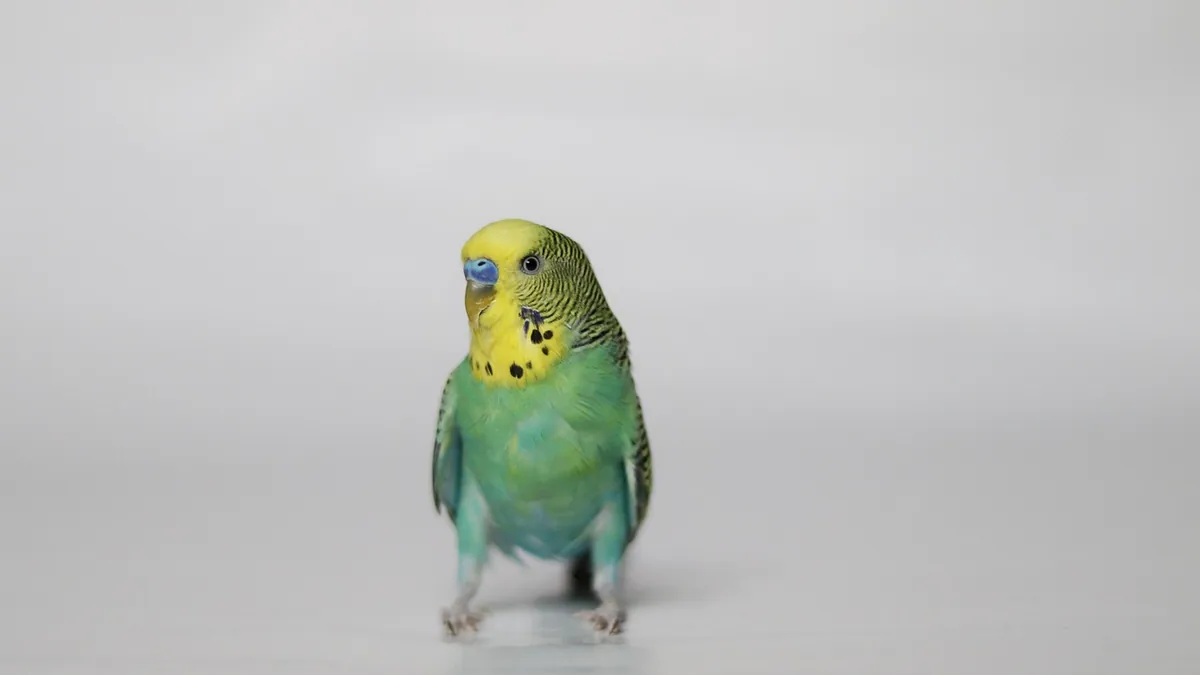
If your budgie can't fly, the most common reasons are trimmed wing feathers, a heavy molt, an injury, obesity, or an underlying illness. Some birds never learned to fly well, and some simply choose not to. The cause matters, because a sudden loss of flight is often the first sign of a health problem.
This article is educational and is not a substitute for veterinary diagnosis or treatment.
Quick Answer
- Clipped wing feathers are the number one reason a pet budgie or cockatiel cannot fly. Flight feathers grow back after the next molt, usually within a few months.
- A bird in the middle of a heavy molt may fly weakly or not at all until new feathers finish growing in.
- A sudden inability to fly in a bird that flew well before is a red flag for injury, obesity, or illness and needs a veterinary exam.
- Young birds that were clipped before they learned to fly may never develop strong flight skills, even after feathers regrow.
- Do not force a bird to fly or toss it to "test" its wings. This can cause a fall injury or a broken bone.
What "Cannot Fly" Actually Looks Like
Owners describe this problem in different ways, and the details help your veterinarian. Watch your bird closely and note which pattern fits.
Some birds flap hard but stay on the perch or drop to the floor. Some launch into the air and land awkwardly, crashing into walls or furniture. Some can glide down but cannot gain height. Others sit quietly and refuse to attempt flight at all.
A budgie or cockatiel that was flying normally last week and cannot fly today is a different situation from one that has never flown. Gradual decline over weeks points to a different list of causes than a sudden change overnight.
Normal flight varies by bird. A healthy budgie can hover, turn sharply, and land on a small target. A cockatiel flies fast and straight with strong wingbeats. If your bird's flight looks weak, wobbly, or lopsided compared to its usual pattern, that is worth investigating.
Common Reasons Your Budgie or Cockatiel Cannot Fly
Clipped Wings
Wing clipping is a deliberate trimming of the primary flight feathers. When done correctly, the bird can still glide safely to the floor. When trimmed too short or unevenly, the bird drops like a stone.
Clipped feathers do not grow back until the next molt replaces them. Depending on the bird, that can take several months. If you adopted a bird with clipped wings, ask the previous owner or breeder when the last trim happened.
Clipping is also a welfare question. Many veterinarians now recommend against routine clipping because it limits exercise and can lead to obesity and muscle weakness. If you want to keep your bird clipped, talk with your vet about the safest length.
Molt
During a molt, birds shed old feathers and grow new ones. A bird in heavy molt may have gaps in both wings at once, which destroys lift. New feathers, sometimes called blood feathers, are fragile and can bleed if broken.
Most budgies and cockatiels molt once or twice a year, though indoor lighting and temperature can shift the timing. A molt that drags on for months, or one with bald patches, is not normal and should be checked.
Injury
Falls, collisions with windows, cat or dog bites, and getting caught in toys or cage bars can all damage wings, bones, or nerves. A bird with a fractured wing bone or a dislocated joint usually holds the wing drooped or out from the body.
Nerve damage is easy to miss. A bird can have normal-looking wings and still be unable to coordinate flight. One report described a cockatiel with a tumor invading a nerve in the leg, causing muscle wasting and lameness on that side [1]. The same principle applies to nerves that control the wings. Damage anywhere along the nerve pathway can weaken or paralyze a limb.
Obesity and Poor Fitness
Pet birds that live in small cages and eat mostly seed can become overweight and out of shape. Fat birds tire quickly, and extra body weight makes flight physically harder.
A bird that has been caged for years without flight may also have lost muscle tone. When feathers grow back after clipping, the bird may still be too weak to fly well. Rebuilding flight fitness takes weeks of short, supervised practice.
Illness
Many diseases cause weakness, and weakness shows up as an inability to fly. Infections, organ disease, and neurologic conditions can all be behind a bird that stops flying.
West Nile virus is one example. In a green-winged macaw, the infection caused weakness and proprioceptive deficits in the legs, meaning the bird could not tell where its limbs were in space [2]. Birds with neurologic disease often have trouble with balance and coordination, not only with flight.
Viral infections are common in psittacine birds. A survey of traded parrots found parrot bornavirus in about 7 percent of birds and beak and feather disease virus in about 8 percent, with higher rates in some species groups [3]. Avian polyomavirus was found in 25 percent of psittacine birds in one study, and young birds under 1 year old were most affected [4]. Polyomavirus can replicate in many organs, including the heart and brain, which helps explain why infected birds become weak [5].
Nutritional Problems
A seed-only diet is low in vitamin A, calcium, and other nutrients. Deficiencies can weaken bones and muscles over time. Birds with poor nutrition often have dull feathers, overgrown beaks, and low energy along with flight problems.
Age and Arthritis
Older birds can develop arthritis in the shoulder and wing joints. Stiff joints make the wingbeats painful and less powerful. You may notice your bird tiring faster, preferring to climb instead of fly, or resting one wing lower than the other.
Never Learned to Fly
A bird clipped as a baby and kept clipped may never build the coordination and muscle memory for flight. If the feathers grow back later, the bird may flap clumsily or give up quickly. This is not a disease, but it does mean your bird needs patient, safe practice.
Cause, Clues, and Urgency at a Glance
| Cause | Typical clues | How urgent |
|---|---|---|
| Clipped wings | Even, trimmed feather tips on both wings, no other symptoms | Routine, feathers regrow at next molt |
| Molt | Loose feathers around the cage, visible gaps in wings, bird otherwise bright | Routine |
| Injury | Drooped wing, favoring one side, pain when touched, recent fall or bite | Same day, emergency if bleeding or open wound |
| Obesity | Overweight body condition, seed-heavy diet, tires quickly | Routine visit soon |
| Illness or infection | Fluffed feathers, lethargy, poor appetite, weight loss, labored breathing | Same day, emergency if breathing is distressed |
| Neurologic disease | Wobbly balance, head tilt, weakness in legs too | Same day |
| Poor nutrition | Dull feathers, overgrown beak, low energy | Routine visit soon |
| Arthritis or age | Slow onset, stiffness, reluctance to move | Routine visit |
Red Flags That Mean Emergency Care Now
Call an avian veterinarian or an emergency clinic right away if you see any of these.
- Open-mouth breathing, tail bobbing, or clicking sounds when breathing
- Bleeding from a broken blood feather that will not stop
- A wing held at an odd angle or dragging on the ground
- Sudden paralysis of one or both legs along with the flight problem
- Seizures, head tilt, or circling
- Not eating or drinking for more than a few hours
- A known cat or dog bite, even if the wound looks small
A bird that cannot fly and also cannot perch or stand needs to be seen immediately. Weakness that affects the legs as well as the wings points toward a neurologic or systemic problem, which is more serious than a simple wing issue.
Safe Things You Can Do at Home While You Wait
Lower the perches and food dishes so your bird can reach them by climbing. Pad the bottom of the cage with a soft towel if your bird is falling.
Keep your bird in a quiet, warm room away from drafts, other pets, and loud noise. Stress makes weakness worse.
Do not attempt to trim or pull feathers yourself. Do not give any medication, including human pain relievers, without veterinary guidance. Many common human drugs are toxic to birds.
Offer favorite foods to encourage eating. If your bird stops eating, that alone is a reason to call the vet. You can read more about this in Pet Bird Not Eating.
Check the cage for hazards. Sharp toys, loose wire ends, and gaps between bars can cause injuries. A well-designed setup also supports recovery, and you can review cage basics in Budgie Cage.
If your bird is having trouble breathing along with the flight problem, treat it as urgent. Signs and causes are covered in Budgie Respiratory Infection: Signs, Causes, and Urgent Care.
What Your Veterinarian Will Check
Your vet will start with a full physical exam. They will weigh your bird, check its body condition, and look at the wings, joints, and muscles for asymmetry or wasting.
A neurologic exam checks balance, reflexes, and proprioception. Your vet may place the bird on a flat surface and watch how it holds its wings and feet.
Blood work gives information about organ function, infection, and nutrition. A complete blood count can show a high white cell count, which suggests infection or inflammation. One case report noted a heterophilic leukocytosis along with elevated kidney and muscle enzyme values in a bird with West Nile virus [2].
Imaging helps find structural problems. Radiographs can reveal fractures, arthritis, tumors, or organ enlargement. In the cockatiel with a nerve-invading tumor, radiographs showed osteopenia, meaning reduced bone density, in the affected leg [1].
Specific testing depends on what your vet suspects. PCR testing can detect viruses such as West Nile virus, parrot bornavirus, beak and feather disease virus, and avian polyomavirus [2][3][4]. Because these viruses can be present in birds that look healthy, a positive result does not always mean the virus is causing the current problem [3].
If your bird is a female cockatiel, your vet may also consider reproductive disease. Egg binding and chronic egg laying can cause weakness and leg problems, and these are covered in Cockatiel Egg Laying Problems.
Treatment depends on the diagnosis. Options include supportive care, nutritional changes, anti-inflammatory medication, antibiotics for bacterial infections, or surgery for injuries. Your veterinarian will calculate any medication dose based on your bird's weight and health, so never use a dose from the internet or from another pet.
Prevention and Monitoring
Feed a balanced diet. Pellets should make up most of the diet, with fresh vegetables and a small amount of seed or fruit. Ask your vet for a diet plan suited to your species.
Weigh your bird regularly on a small kitchen scale. A drop of 5 to 10 percent of body weight is meaningful in a small bird and often shows up before other signs.
Give your bird space to move. A cage that is too small limits exercise, and a bird that never uses its wings loses condition. Supervised out-of-cage time in a bird-proofed room helps maintain fitness.
Keep up with wellness exams. Annual visits catch problems like obesity, nutritional deficiencies, and early infections before they affect flight.
Watch for changes in how your bird moves. A bird that starts climbing instead of flying, or that lands harder than usual, is telling you something. Catching these small shifts early makes treatment easier.
Limitations and When to Contact a Veterinarian
This article cannot tell you why your specific bird cannot fly. Only a veterinarian who examines your bird can do that.
Contact your veterinarian the same day if your bird was flying normally and suddenly cannot, if you see a drooped or dragging wing, if your bird is fluffed and quiet, or if it has stopped eating.
Go to an emergency clinic immediately if your bird is breathing with its mouth open, has seizures, is bleeding, cannot stand, or was bitten by a cat or dog.
Schedule a routine visit if the problem is gradual, if your bird has clipped wings and you want advice on regrowth, or if you are unsure whether your bird's weight and diet are appropriate.
Frequently Asked Questions
Will my budgie fly again after its wings were clipped?
Yes, in most cases. Clipped flight feathers are replaced during the next molt, and the bird can fly again once the new feathers are fully grown. The timing varies by bird, so ask your veterinarian what to expect for your budgie.
Can a cockatiel that never learned to fly still learn as an adult?
It is possible, but it takes patience. An adult bird that was clipped young may need weeks of short, supervised practice in a safe room to build strength and coordination. Start slowly and stop if your bird seems stressed or tired.
Is it normal for my bird to stop flying during a molt?
Yes, a heavy molt can temporarily ground a bird. If your bird is eating, active, and bright aside from the flight problem, a molt is a reasonable explanation. If it also seems weak, fluffed, or off its food, have it checked.
Could my bird's diet be causing the flight problem?
A poor diet can contribute over time. Seed-only diets are linked to obesity and nutritional deficiencies that weaken muscles and bones. Switching to a balanced diet with pellets and vegetables supports recovery, but do it gradually and with veterinary guidance.
How long does it take for a bird to regain flight after an injury?
Recovery time depends on the injury and can range from a few weeks to several months. Your veterinarian will give you a timeline after the exam and any imaging. Follow the activity restrictions your vet recommends, since too much movement too soon can delay healing.
Related Articles
- Cockatiel Egg Laying Problems
- Budgie Cage
- Budgie Respiratory Infection: Signs, Causes, and Urgent Care
- Pet Bird Not Eating
- Why Is My Budgie Losing Feathers? Molt or Disease
- Why Is My Budgie or Cockatiel Sleeping So Much?
- Why Is My Budgie Flapping Its Wings? 7 Reasons
- Budgerigar Fledgling Disease Virus
References
- Right leg muscle atrophy and osteopenia caused by renal adenocarcinoma in a cockatiel (Melopsittacus, undulatus). Veterinary radiology & ultrasound : the official journal of the American College of Veterinary Radiology and the International Veterinary Radiology Association, 1999.
- West Nile virus infection in a green-winged macaw (Ara chloropterus). Avian diseases, 2010.
- Temporal patterns, co-infections, and risk factors of PaBV, BFDV, and APV in pet psittacine birds traded in Thailand. Veterinary journal (London, England : 1997), 2026.
- Avian Polyomavirus Among Psittacine Birds in Iran: Molecular Detection Rate and Associated Risk Factors. Journal of avian medicine and surgery, 2024.
- Polyomavirus Infection in Two Young Parrots: Assessment of Viral Distribution in Organs and Affected Tissues. Veterinary medicine international, 2026.