Can Budgies Talk? What to Expect From a Pet Budgie
By Dr. Zubair Khalid, DVM, MS, PhD ·
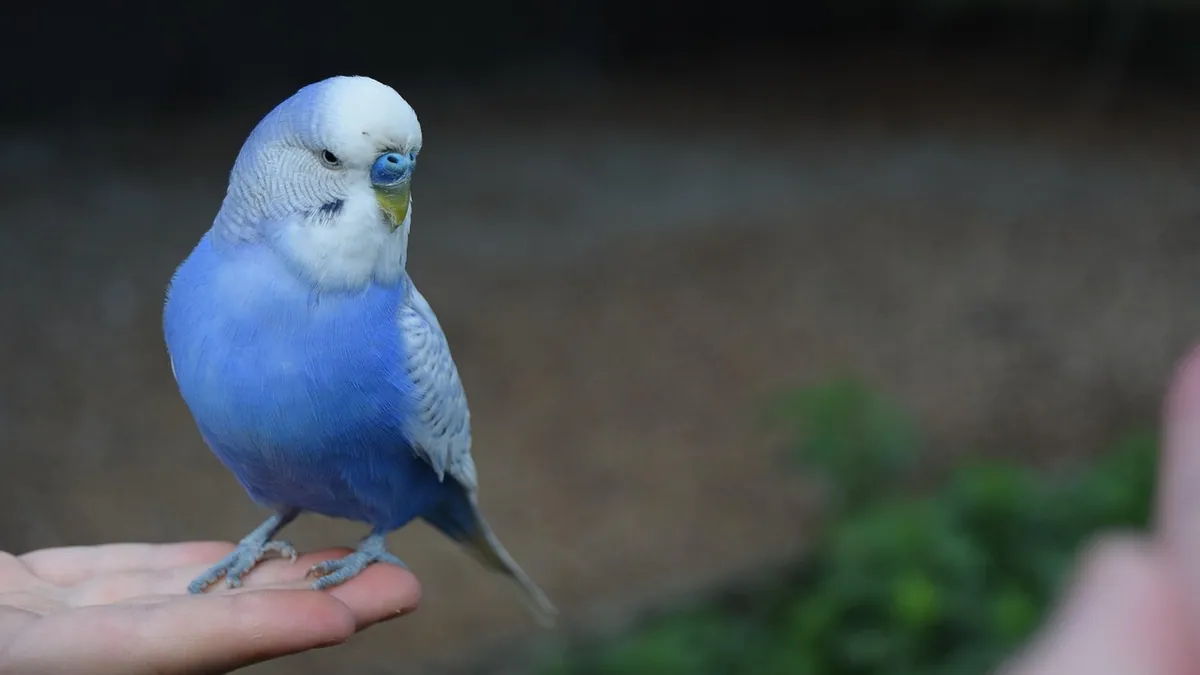
Yes, budgies can talk. Many pet budgies learn words, phrases, and household sounds, though not every bird will. Talking ability varies a lot between individuals, and male budgies are generally the more likely talkers. This article is educational and is not a substitute for veterinary diagnosis or treatment.
Quick Answer
- Budgies are parrots and belong to one of the few animal groups capable of life-long vocal learning [1].
- Males are more likely to imitate human speech than females, and many owners assume a talking budgie must be male [1].
- Most budgies start talking between 3 and 6 months of age, though some begin later and some never talk at all.
- Repetition, patience, and a calm quiet room work better than long training sessions.
- A sudden loss of speech or new silence in a bird that used to chatter can be a health problem and needs a vet visit.
Do Budgies Talk? Understanding Budgie Talking Ability
Budgies are small parrots, and parrots are vocal learners. That means they do not just make the sounds they are born with. They listen, copy, and adjust their calls throughout life [1]. This is the same basic skill that lets a budgie learn a whistle, a microwave beep, or your favorite phrase.
Vocal learning in birds is rare. It shows up in three groups: hummingbirds, parrots, and songbirds [2]. Budgies sit firmly in the parrot group, which is why they can pick up human words at all.
Not every budgie becomes a talker. In a large survey of companion parrot owners, species mattered a great deal. Grey parrots had the largest mimicry repertoires of all the birds reported [1]. Budgies were not the top talkers in that survey, but they are still one of the most common talking pet birds because they are small, affordable, and often highly motivated to copy sounds.
The survey also found something interesting about owner expectations. When researchers looked at a smaller set of responses, they found a human bias to assume that talking parrots are male [1]. That bias is worth knowing about, because it shapes how people label their birds.
Male vs Female Budgie Talking
Male budgies are the better bet for speech. In the companion parrot survey, five of the nineteen best-sampled species showed sex differences in mimicry, and budgies are widely reported to fit that pattern [1]. Owners and breeders have long noticed that males chatter, mimic, and copy words more often than females.
That does not mean a female budgie cannot talk. Some do. It means your odds are lower, and you should not assume a quiet female is broken or untrainable.
There is also a brain difference worth mentioning. In budgies, males and females respond differently to mate calls. Males showed right-sided dominance in a higher-order auditory brain region when hearing their mate's call, while females showed greater activation in both hemispheres [3]. This tells us male and female budgie brains process sounds differently, which fits with the real-world pattern of males talking more.
Why Do Budgies Copy Sounds?
Budgies copy sounds for social reasons. In the wild, budgies live in flocks and use calls to stay in contact. Copying a flockmate's call helps a bird fit in and stay connected.
The same drive shows up in your living room. Your budgie is not trying to impress you with vocabulary. It is trying to join your flock. When you talk to your bird every day, you become part of its social world, and copying your sounds is one way it bonds.
There is a catch, though. Budgies need to hear themselves to keep their sounds sharp. In one study, adult male budgies that were surgically deafened changed their songs within 6 months. High, narrow-band syllables dropped significantly, and the changes stuck even 12 months later [4]. Hearing matters for keeping vocal skills in shape.
That is one reason a budgie with an ear infection, a respiratory problem, or another illness may go quiet. If it cannot hear well or feels unwell, it stops practicing.
Medical Causes to Rule Out Before Training
Before you blame yourself for a bird that will not talk, rule out health problems. A budgie that never talked may simply be a quiet individual. A budgie that used to talk and stopped is a different story.
Signs that point to a medical cause include:
- Sudden silence in a bird that was previously vocal
- Changes in the voice, such as hoarseness or a new rasp
- Sneezing, nasal discharge, or tail bobbing
- Fluffed feathers, sitting on the cage floor, or reduced appetite
- Eye or ear discharge
- Weight loss or a change in droppings
Respiratory disease is common in budgies and can affect the voice. So can mites, nutritional problems, and tumors. Any of these can make a bird too uncomfortable to chatter.
If your budgie stops talking and also looks sick, do not wait. Call an avian veterinarian the same day.
When Budgie Talking Becomes a Problem
Talking itself is not a problem. It is a normal, healthy behavior. Problems show up in a few specific situations.
Noise complaints. A budgie that learns to scream, imitate a smoke alarm, or repeat a phrase at 6 a.m. can test your patience. This is normal parrot behavior, not defiance.
Constant repetition of one sound. Some budgies fixate on a single sound and repeat it for hours. This often means the bird is bored or under-stimulated.
Talking paired with other behavior changes. If a chatty budgie becomes quiet, plucks feathers, or stops eating, the talking change is a symptom, not the issue.
Aggression or fear around training. If your budgie bites, lunges, or flees when you approach for a lesson, the training method is the problem. Back off and change your approach.
How to Teach a Budgie to Talk: Step by Step
Training a budgie to talk is mostly about consistency and trust. Here is a practical plan.
1. Start with one bird and one quiet room
Budgies learn best when they can hear you clearly. A single budgie often talks more than a budgie in a pair, because it relies on you for company. If you have two birds, they may prefer to talk to each other.
Pick a quiet room with no TV, radio, or other background noise. Background sound makes it harder for your bird to pick out your words.
2. Pick one short word or phrase
Start with one or two syllables. "Hello," "pretty bird," or your budgie's name work well. Say it the same way every time. Do not switch words until your bird repeats the first one.
3. Use a high, animated voice
Budgies respond to energy. Speak in a slightly higher pitch than normal and stretch out the sounds. Think of how you would talk to a young child, but keep it simple.
4. Train in short, frequent sessions
Five to ten minutes, two or three times a day, is plenty. Long sessions bore the bird and teach nothing. End every session while your budgie is still interested.
5. Reward any attempt
The first attempts will sound rough. A budgie may produce a garbled version of the word before it gets it right. Reward any sound that resembles the target with praise or a favorite treat. Never punish a wrong attempt.
6. Pair words with actions
Say "step up" when your bird steps onto your hand. Say "night night" when you cover the cage. Context helps budgies connect sounds to meaning, and the survey found that most parrots use mimicry in appropriate human contexts [1].
7. Be patient and consistent
Some budgies learn a word in a few weeks. Others take months. Some never talk. That is normal. Keep sessions calm and positive, and let your bird set the pace.
For more detail on training technique, see How to Teach Your Bird to Talk. If you are still choosing a species, Best Talking Pet Birds compares the most likely talkers.
8. Set up the right environment
A budgie that feels safe talks more. Give your bird a cage that is large enough to move around, with perches of different sizes and toys that can be chewed and shredded. Rotate toys every week or two so the cage stays interesting.
Place the cage in a room where your family spends time, but away from drafts, kitchen fumes, and loud traffic. Budgies are social and want to be near you.
If you are setting up a new home for your bird, Budgie Cage covers sizing and layout. New owners may also want the Budgie (Parakeet) Care Guide for Beginners for feeding, housing, and daily care basics.
9. Use sound and social contact wisely
Budgies learn from other budgies too. A bird that shares a room with a talkative budgie may pick up words faster. Just know that two budgies may prefer each other's company over yours.
Playing recordings of your voice can help, but live interaction works better. Budgies learn from a real social partner, not a speaker.
What Not to Do
Do not punish your bird for not talking. Yelling, tapping the cage, or spraying water destroys trust. A scared budgie shuts down.
Do not assume a quiet bird is sick without checking. Some budgies are simply quiet. Watch for other signs before you panic.
Do not believe the myth that only males can talk. Males are more likely to talk, and the survey found a human bias to assume talkers are male [1], but females can and do learn words.
Do not force training. If your budgie hides, bites, or shakes, stop. Forced sessions teach fear, not speech.
Do not expect instant results. Vocal learning takes time, and some birds never become talkers. That is not a failure on your part.
Do not ignore hearing problems. A budgie that cannot hear well will struggle to maintain its sounds, just as deafened male budgies lost high-frequency syllables over time [4].
When to Involve a Veterinarian or Behavior Professional
Call an avian veterinarian if your budgie:
- Stops talking suddenly and shows any sign of illness
- Has a changed voice, wheezing, or trouble breathing
- Loses weight, stops eating, or has abnormal droppings
- Develops feather loss, skin wounds, or self-injury
Call a certified avian behavior consultant if your budgie:
- Bites or attacks during training
- Screams constantly despite enrichment
- Shows fear or stress that does not improve with a calmer approach
Limitations and When to Contact a Veterinarian
This article cannot tell you whether your specific budgie will talk. Individual birds vary, and no one can promise a talking bird.
Contact a veterinarian the same day if your budgie stops talking and also shows sneezing, tail bobbing, fluffed feathers, or a drop in appetite. These can be early signs of respiratory or systemic illness.
Go to an emergency clinic now if your budgie is open-mouth breathing, gasping, sitting on the cage floor, or unable to perch. Birds hide illness well and can decline fast.
Schedule a routine visit if your budgie has never talked and you want to rule out hearing or health problems. A physical exam and history can help sort out whether the cause is medical or simply individual personality.
Every case is different. Your veterinarian is the right person to evaluate your bird's health and give you advice for your situation.
Frequently Asked Questions
Do budgies birds talk in the wild?
Wild budgies do not copy human speech, but they do learn and copy calls from other budgies. Vocal learning is a natural part of budgie life in the flock. Pet budgies simply apply that same skill to the sounds around them, including your voice.
How long does it take to teach a budgie to talk?
Some budgies pick up a word in a few weeks, while others take months or never talk at all. Progress depends on the bird's age, sex, personality, and how much quiet one-on-one time you provide. Short daily sessions work better than long, occasional ones.
Can a budgie learn to talk if it lives with another budgie?
Yes, but it is less likely. Budgies in pairs often prefer to communicate with each other instead of copying human speech. If talking is your main goal, a single budgie that gets plenty of daily attention usually learns faster.
Do budgies understand what they are saying?
Budgies do not understand words the way people do, but they can connect sounds to situations. Owners often notice a budgie saying "step up" when it wants to be picked up. That is context-based use, not full language comprehension.
Will my budgie talk more as it gets older?
Most budgies that talk start young, often before six months of age. In one analysis of grey parrots, repertoire size did not keep growing during adulthood, which suggests that learning tends to slow with age in parrots generally [1]. A budgie that has not talked by one year is unlikely to start later, though exceptions happen.
Related Articles
- Best Talking Pet Birds
- How to Teach Your Bird to Talk
- Budgie Cage
- Budgie (Parakeet) Care Guide for Beginners
- Can Cockatiels Talk? What to Expect and How to Encourage Speech
- Do Parrots Understand What They Say? What Science Says
- Do Budgies Have Their Own Language? Calls Decoded
References
- A survey of vocal mimicry in companion parrots. Scientific reports, 2022.
- Analysis of vocal communication in the genus Falco. Scientific reports, 2023.
- Sex differences in behavioural and neural responsiveness to mate calls in a parrot. Scientific reports, 2016.
- Auditory feedback is necessary for long-term maintenance of high-frequency sound syllables in the song of adult male budgerigars (Melopsittacus undulatus). Journal of comparative physiology. A, Neuroethology, sensory, neural, and behavioral physiology, 2007.